REVIEW · MUMBAI
Private Tour in Mumbai Slum with Sightseeing
Book on Viator →Operated by Colors Experiences · Bookable on Viator
Seeing Mumbai’s contrasts starts with Dharavi. This private tour pairs a guided walk through Dharavi Slum with Dhobi Ghat, then finishes with big-name Mumbai sights like Gateway of India and Chhatrapati Shivaji Terminus. I love the way the day is paced to include both local daily life and classic landmarks, and I really like the comfort factor: pickup plus an air-conditioned vehicle keeps you from getting wrecked before the museum and views.
The other reason I think this works is the small-scale impact angle: a large portion of profits is reinvested in Dharavi Travel, so your money supports ongoing local work rather than just one-off sightseeing. One consideration: the day is long and includes a neighborhood walking component plus stop-and-go sightseeing, and the operator notes a moderate physical fitness level; also, time can include market/shopping moments (if you prefer pure sightseeing, tell your guide up front).
In This Review
- Key Highlights You’ll Actually Feel During the Day
- A Private Day That Balances Dharavi and Big Mumbai Sights
- Getting Around Comfortably: Pickup and Air-Conditioned Riding
- Stop 1: Dharavi Slum in 3 Hours—Work, Daily Life, and Social Reality
- Stop 2: Dhobi Ghat’s Open-Air Laundry—Color-Coded Pens and Family Business
- Antilia, Banganga, Jain Temple—Religion, Power, and a Story You Can Locate
- Antilia (about 30 minutes)
- Banganga (about 30 minutes, free)
- Jain Temple (about 30 minutes, free)
- Mani Bhavan Gandhi Museum and Crawford Market—Idea Meets Street Commerce
- Mani Bhavan Gandhi Museum (about 30 minutes, free)
- Crawford Market (about 30 minutes, free)
- Chhatrapati Shivaji Terminus and Gateway of India—Architecture That Resets Your Eyes
- Chhatrapati Shivaji Terminus (about 30 minutes, free)
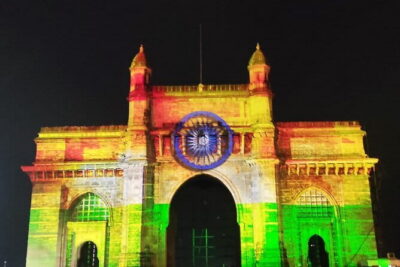
- Gateway of India (about 30 minutes, free)
- Kamala Nehru Park and Marine Drive Views—A Breather on the Home Stretch
- Price and Value: What $61.37 Buys You
- Who Should Book This Tour (and Who Might Want to Skip It)
- Should You Book This Dharavi-and-Landmarks Private Day?
- FAQ
- How long is the private Mumbai slum and sightseeing tour?
- Is the tour private or shared?
- What does the tour cost?
- Is pickup included, and how do you travel between stops?
- What’s included in the price?
- Are admission tickets included for each stop?
- What physical condition do I need?
- What if the weather is bad or I need to cancel?
- Is a mobile ticket provided?
Key Highlights You’ll Actually Feel During the Day
- Dharavi context from neighborhood-to-neighborhood talk—you see everyday life and local small-scale industries, not just a quick stop.
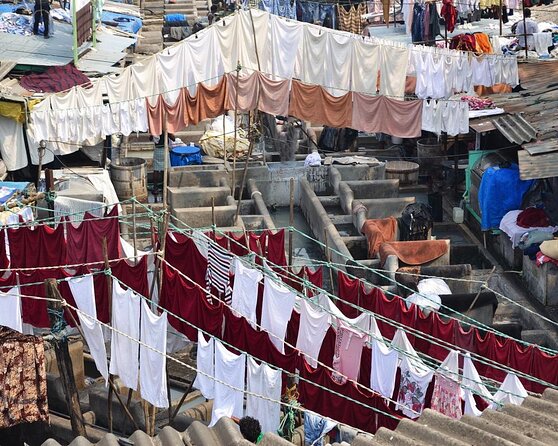
- Dhobi Ghat’s outdoor laundry system—color-coded wash pens and the generational feel of family businesses.
- Private transport that makes the schedule realistic—pickup and air-conditioned riding between very different parts of the city.
- A contrast-heavy route built around major landmarks—Gateway of India, Gandhi’s Mani Bhavan Museum, Jain Temple, and CST.
- Ticket strategy that keeps cost predictable—Dharavi and Dhobi Ghat admission are included; other stops are listed as free or not included.
- Customization is part of the deal—ask for more history-focused pacing or less shop time.
A Private Day That Balances Dharavi and Big Mumbai Sights

This is the kind of day trip that works because it refuses to be one-note. You start in Dharavi, where the focus is on people’s routines, local work, and the social issues that shape daily life. Then you move from that street-level reality to Mumbai’s famous landmarks—temples, museums, historic markets, and the dramatic Gothic-revival spires of Chhatrapati Shivaji Terminus.
That contrast sounds heavy on paper, but the tour structure helps. It’s broken into focused stops (for example, Dharavi is listed at about 3 hours and Dhobi Ghat at about 1 hour), and between those stops you’re in a private air-conditioned vehicle. In plain terms: you get context, you get photos-worthy architecture, and you still get to breathe.
You can also read our reviews of more private tours in Mumbai


Getting Around Comfortably: Pickup and Air-Conditioned Riding
Mumbai traffic can turn even a “simple” half day into an endurance test. Here, the big win is that pickup is offered and you ride in comfort in a private air-conditioned vehicle. You’re also traveling as a true private group, so you’re not squeezing into someone else’s pace or getting dragged to stops you didn’t ask for.
This matters because your day includes some walking and moving through active areas. The operator specifically flags moderate physical fitness as the right fit, and that’s realistic: you’ll likely need to stand and walk during neighborhood time and transition between viewpoints and interiors (or exterior viewing areas).
Also, the tour comes with a water bottle, which sounds small until you’re halfway through a warm day and realize you didn’t plan for one more stop.
Stop 1: Dharavi Slum in 3 Hours—Work, Daily Life, and Social Reality
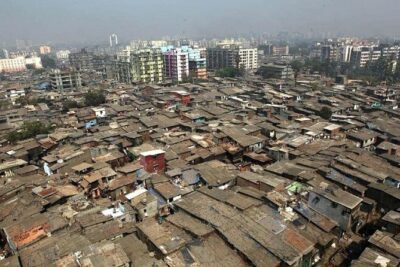
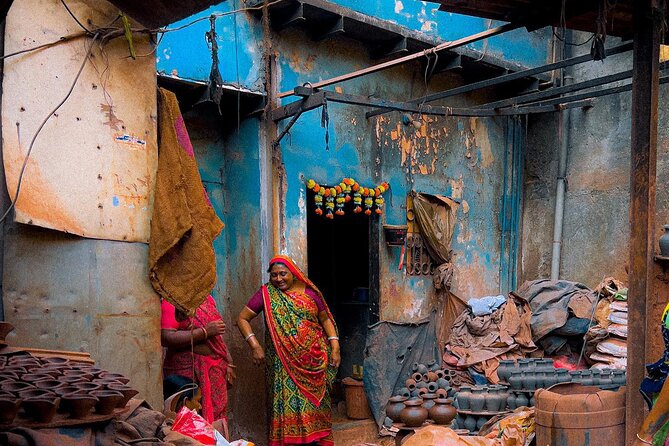
Dharavi is the largest slum in India, and the point of this visit is educational: you don’t just look from the outside. The time on the ground is about neighborhoods, everyday life, and social issues, with discussion tied to what you’re seeing.
In practice, this kind of guided visit can change how you see the word slum. You come with questions—who lives here, how people make income, how community life functions—and the guide steers you through the answers in real time. Some of the best moments from guides on this route are their ability to connect what you see to how people live their days, including small-scale industries.
And one detail I really appreciate: this tour isn’t positioned as pure observation. The structure is built for conversation—at a pace that lets you ask questions and get explanations as you move between areas. If you care about getting context (not just checking a box), this first stop sets the tone.
Practical note: be ready for a neighborhood that feels active and close up. Comfortable shoes help, and patience helps more.
Stop 2: Dhobi Ghat’s Open-Air Laundry—Color-Coded Pens and Family Business
After Dharavi, you switch from a densely lived-in world to one that’s organized around work you can actually watch. Dhobi Ghat is described as one of the world’s largest outdoor laundry facilities, and you’ll spend about 1 hour here.
The “wow” factor isn’t just that it’s open-air—it’s how the laundry system works. Each wash pen is color-coded, and the setup is described as family business work passed down through generations. If you like seeing industry with your own eyes, this stop is a strong counterpoint to typical tourist sights.
Because it’s outdoor and active, this part of the day can feel visually intense. You’ll want to pace yourself: look closely, then step back. If you’re the type who gets overwhelmed in crowds, treat the first 10 minutes as your orientation time, then settle in.
Antilia, Banganga, Jain Temple—Religion, Power, and a Story You Can Locate
The tour then moves into a set of short-but-meaningful contrasts:






Antilia (about 30 minutes)
Antilia is listed as a modern architectural marvel and one of the world’s most expensive private residences. The admission ticket for this stop is not included, so if any paid access applies, you’ll handle it separately. Either way, the time window is short, which keeps the schedule from turning into “look from far away for an hour.”
Banganga (about 30 minutes, free)
Banganga has a legend attached: Lord Rama stopped here, shot an arrow into the ground, and created the tank. The name is explained as derived from ban (arrow) and Ganga (river). It’s the kind of stop where the story makes the place feel anchored.
Jain Temple (about 30 minutes, free)
Jainism is a minority religion in India, but it has a deep cultural and philosophical influence, especially the commitment to non-violence and spiritual liberation. Here, you’re not going for a long lecture; you’re for a quick, respectful look shaped by context.
If you like moments where culture and meaning are part of the sightseeing—not just the background—this middle stretch works well.
Mani Bhavan Gandhi Museum and Crawford Market—Idea Meets Street Commerce
Next up, you get two stops that show different sides of Mumbai’s identity.
Mani Bhavan Gandhi Museum (about 30 minutes, free)
Mani Bhavan is framed as a living testament to Mahatma Gandhi’s legacy and his work for independence through non-violence and civil disobedience. It’s a short visit, but it gives you an organized way to connect what you’ve been learning about life and society in earlier stops to India’s broader political story.
Crawford Market (about 30 minutes, free)
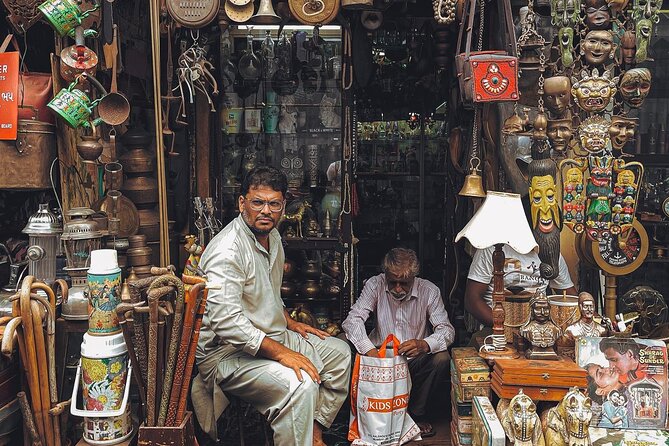
Crawford Market isn’t just shopping—it’s described as a historical landmark reflecting the city’s cultural and commercial diversity. This is a place where the real “Mumbai feeling” comes from the everyday movement: people buying, vendors working, and the market acting like a social center.
One practical point: markets can come with browsing and sales energy. If you want the day to stay tightly focused on landmarks and history, tell your guide early. The route is customizable, and that’s useful here.
Chhatrapati Shivaji Terminus and Gateway of India—Architecture That Resets Your Eyes
Then the day shifts into pure spectacle.
Chhatrapati Shivaji Terminus (about 30 minutes, free)
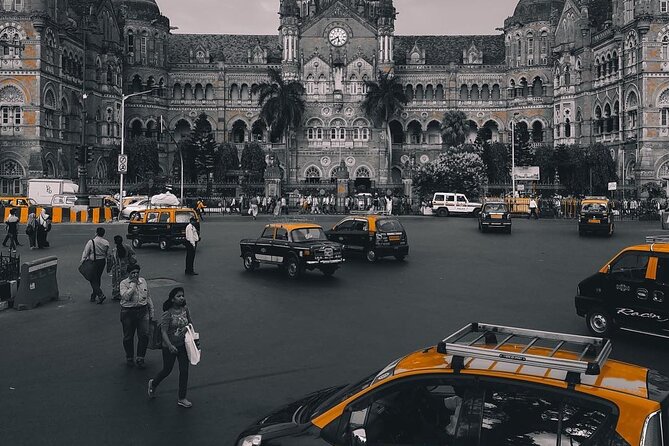
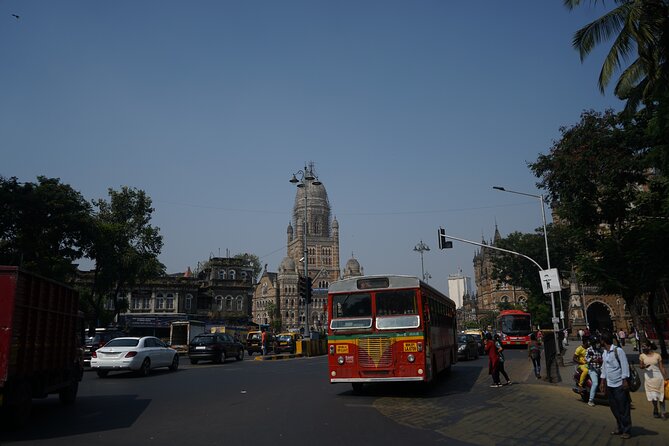
This stop is described as both a transportation hub and an architectural gem. It’s also noted as a living testament to Mumbai’s history and colonial legacy, drawing visitors worldwide.
Gateway of India (about 30 minutes, free)
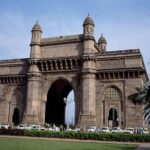
The Gateway of India is framed as a symbol of Mumbai’s history, independence, and the city’s grandeur. Even if you’ve seen it in photos before, it lands harder in person because it sits in the flow of the city.
I like that the tour gives these moments enough time to actually look. When you’re bouncing between Dharavi and laundries, it’s easy to rush. Here, each landmark gets a fixed window, which keeps you from feeling like you missed the good parts.
Kamala Nehru Park and Marine Drive Views—A Breather on the Home Stretch
The final big viewpoint is Kamala Nehru Park (about 30 minutes). The park is described as having a layout that resembles a giant shoe, representing Mother Earth, and you can get panoramic views of the city, including Marine Drive. The admission ticket for this stop is not included.
This is a helpful ending. After dense neighborhoods and architectural stops, a park viewpoint gives your body a reset. You still get the “Mumbai from above” feeling, but with less pressure than an indoor museum.
And since it’s short, it also keeps the day from dragging.
Price and Value: What $61.37 Buys You
At $61.37 per person, the value depends on what you care about most: comfort, access, or impact. Here’s what you’re effectively paying for:
- A private air-conditioned vehicle with pickup, for an about 8-hour route.
- A guided day covering a wide range of Mumbai—Dharavi, Dhobi Ghat, and major landmarks.
- Included admissions where they matter most for this concept: Dharavi Slum and Dhobi Ghat.
- A profit model tied to reinvestment in Dharavi Travel (a large portion of profits), which is the “social impact” piece beyond sightseeing.
It’s also a smarter price than many “landmarks only” private tours because your schedule includes paid access to two key stops. The rest are listed as free (or not included) by stop, so you’re not constantly doing add-on budgeting.
If you’re trying to see Mumbai in one day without sacrificing comfort, this pricing makes a lot of sense.
Who Should Book This Tour (and Who Might Want to Skip It)
This tour is a good fit if you want:
- A single day that mixes real neighborhood life with headline landmarks.
- A guided explanation that helps you interpret what you’re seeing (especially around Dharavi).
- Private transport so you’re not wasting time stuck in long, uncomfortable commutes.
You might want to think twice if:
- You hate any market browsing time and want strictly timed monument viewing. The route includes Crawford Market, and the structure can include shop time depending on how the guide manages the day—so set expectations early.
- You’re not comfortable with moderate walking and active neighborhood conditions.
If you’re traveling with kids, mobility limits, or anyone who struggles with standing/walking for several hours, you’ll want to confirm details with the operator before booking—since moderate fitness is recommended.
Should You Book This Dharavi-and-Landmarks Private Day?
Yes, if you want a day that actually explains Mumbai instead of just showing it. I like that the schedule pairs Dharavi with Dhobi Ghat, then keeps moving into landmarks like CST and the Gateway so you get both sides of the city in one go.
Book it if:
- You’re curious about how local work and community life function.
- You want comfort with pickup and air-conditioned riding.
- You appreciate context—especially around Gandhi’s Mani Bhavan and the cultural meanings at religious sites.
Skip it if:
- You want a fully relaxed, all-landmarks day with minimal neighborhood walking and minimal market/sales energy.
- Weather is a deal-breaker for you, since the experience requires good weather.
FAQ
How long is the private Mumbai slum and sightseeing tour?
It’s listed at about 8 hours.
Is the tour private or shared?
This is a private tour/activity, and only your group participates.
What does the tour cost?
The price is $61.37 per person.
Is pickup included, and how do you travel between stops?
Pickup is offered, and you travel in a private air-conditioned vehicle.
What’s included in the price?
You get a water bottle and an air-conditioned vehicle.
Are admission tickets included for each stop?
Dharavi and Dhobi Ghat include admission tickets. Antilia and Kamala Nehru Park list admission tickets as not included. The Jain Temple, Mani Bhavan Gandhi Museum, Crawford Market, Chhatrapati Shivaji Terminus, and Gateway of India are listed as free.
What physical condition do I need?
The tour recommends a moderate physical fitness level.
What if the weather is bad or I need to cancel?
The experience requires good weather. It offers free cancellation up to 24 hours in advance for a full refund.
Is a mobile ticket provided?
Yes, the tour includes a mobile ticket.