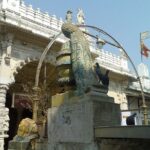
REVIEW · MUMBAI
Mumbai Markets and Temples Tour
Book on Viator →Operated by Reality Tours & Travel Pvt Ltd · Bookable on Viator
Markets, temples, and cow care in one walk. This 2.25-hour South Mumbai stroll connects shopping streets to everyday faith, with a guide who explains what you’re seeing as you go. It starts in Colaba, then moves through Crawford Market, Mangaldas Market, Mumbadevi Temple, and ends near Charni Road.
I love the sense of place here: Crawford Market’s 1871 building and the sheer variety of what people buy day to day. I also love the detour to Bombay Panjrapole, where Hindu devotees help care for hundreds of sacred cows. The one thing to consider is that it’s a structured route through busy markets, so if you want lots of slow browsing, you may feel the time is tight.
In This Review
- Key points worth knowing before you go
- A short walking tour that actually tells a story
- Starting in Colaba and ending near Charni Road
- Stop 1: Crawford Market for wholesale food, architecture, and sensory overload
- Stop 2: Mangaldas Market for textiles tied to weddings and Diwali
- Stop 3: Mumbadevi Temple for prasad and a guide to Hindu basics
- Stop 4: Bombay Panjrapole cow sanctuary for sacred animal care
- Price and value: is $27.97 worth it?
- The guide effect: safety, explanations, and pacing
- What to wear, bring, and watch for in the markets
- Who should book this tour
- Should you book the Mumbai Markets and Temples Tour?
- FAQ
- Where does the tour start and end?
- What time does the tour begin?
- How long is the tour?
- What’s included in the price?
- What is not included?
- What places are visited?
- Is there a dress code?
- Is there any animal-related information I should know?
- What’s the cancellation policy?
Key points worth knowing before you go
- Crawford Market (1871): A major wholesale food market inside a Gothic/Romanesque style landmark building.
- Mangaldas Market (1893): Indoor textile shopping tied to weddings and Diwali, with tailors and cloth vendors.
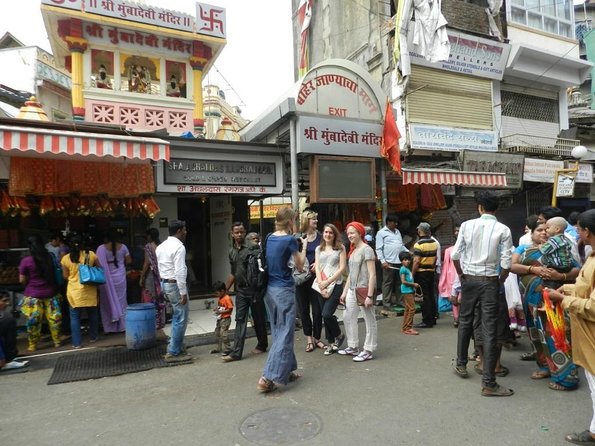
- Mumbadevi Temple: You may receive prasad during a visit inside the historic temple.
- Bombay Panjrapole: A cow sanctuary caring for 350+ cows, focused on welfare of sacred animals.
- Short stops, big impressions: Four main stops over about 2.25 hours keeps it moving.
- Good guides matter: Many excellent guides are noted for English clarity, safety awareness, and answering questions.
A short walking tour that actually tells a story
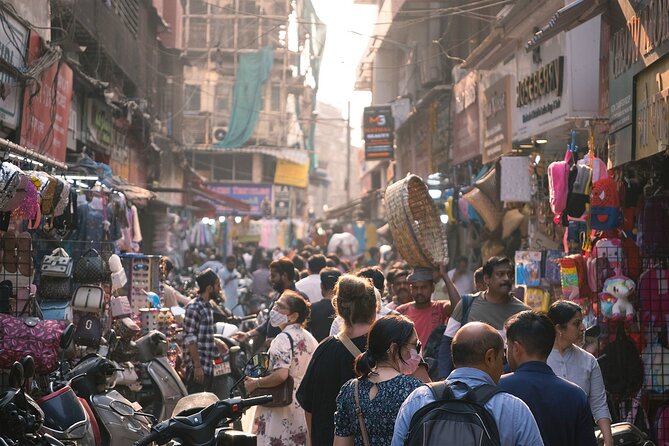
Mumbai doesn’t feel like a museum town. It feels like a working city. This tour leans into that. You’re not just seeing famous sites on autopilot. You’re walking the kind of streets locals use for shopping, worship, and daily life.
What makes the format work is the mix of stops. You get market noise and bargaining energy at Crawford and Mangaldas. Then you slow down at Mumbadevi Temple, where your guide explains the basics of Hinduism and what visitors/praying looks like. Finally, you shift focus again to Bombay Panjrapole, where devotees care for stray cows and the whole place has a humane, grounded purpose.
And since it’s only about 2 hours 15 minutes, it’s a solid afternoon add-on. You’re not committing to a full day, but you’ll still come away with a better feel for why these places matter.
You can also read our reviews of more tours and experiences in Mumbai.

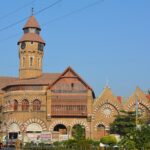
Starting in Colaba and ending near Charni Road
The meeting point is simple: Regal Cinema, Colaba Causeway, opposite the Chhatrapati Shivaji Maharaj Vastu Sangrahalaya (Apollo Bandar, Colaba). The start time is 3:30 pm.
The tour ends at Charni Road Railway Station in Girgaon. That matters because you can usually get yourself home or onward without a long rethink. The operator also notes your guide can help you with transport options like a taxi or train, which is useful when you’re tired and the city feels like a maze.
Group size is capped at 25, so you’re not stuck with a crowd that steamrolls the experience. Still, this is a walking tour, and the markets are active. Wear shoes you’d trust on uneven sidewalks and crowds.
Stop 1: Crawford Market for wholesale food, architecture, and sensory overload
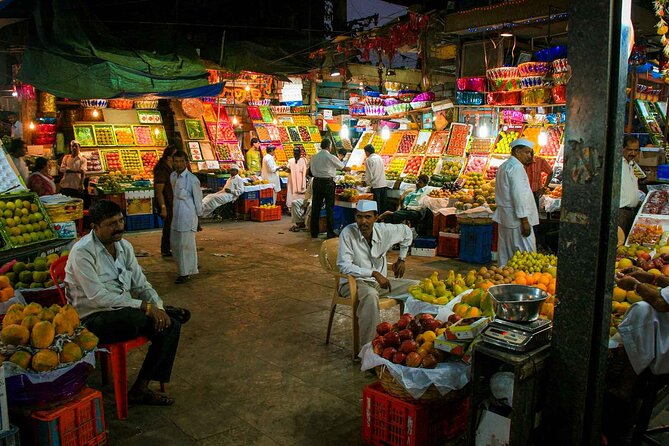
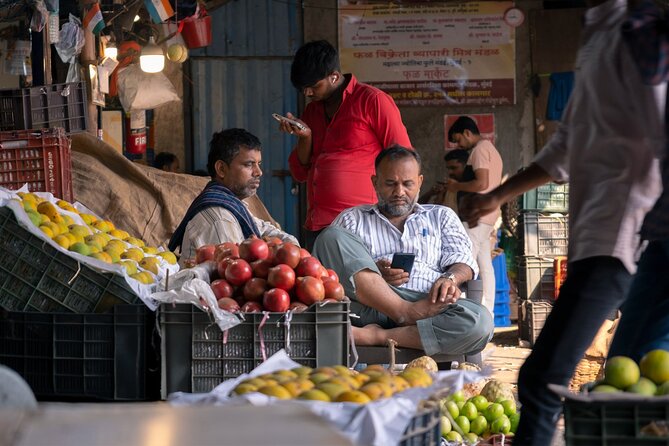
Crawford Market is the first stop, and it’s not a “cute little market.” It’s one of the city’s largest wholesale fruit, vegetable, and meat markets. The building itself is a major part of the appeal: it dates to 1871 and mixes Gothic and Romanesque design.
So you get two kinds of seeing at once. First, you’re looking at commerce at full volume—color, packaging, stacks of goods, people doing real errands. Second, you’re noticing the building style that makes this part of South Mumbai feel less generic and more intentional.
One practical heads-up: the market includes a note about the sale of some endangered and exotic animals. That doesn’t mean you’re expected to browse that side of things. Just know it’s there, and if you’re sensitive about that, keep your attention on the produce and food counters and let your guide do the navigating.
This is also the kind of place where the guide can save you time. With a good guide, you don’t get lost in the noise. With a rushed or less engaged guide, you can feel like you’re just being moved along.
Stop 2: Mangaldas Market for textiles tied to weddings and Diwali
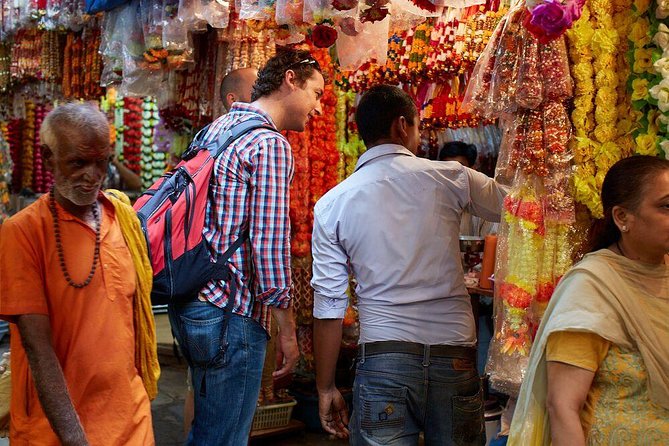
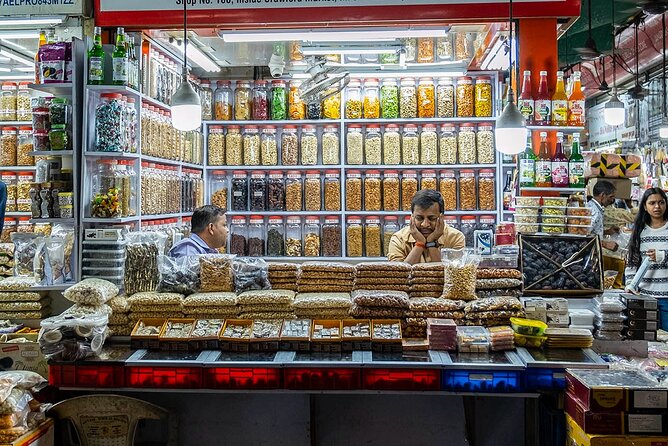
Next comes Mangaldas Market, opened in 1893. This is one of Mumbai’s big indoor textile hubs. It’s where locals buy cloth materials for special occasions—especially weddings and Diwali.
The vibe is different from Crawford. Crawford is about food in bulk. Mangaldas is about fabric, tailoring, and the behind-the-scenes parts of celebration. You’ll see hundreds of clothing vendors and tailors, and the market is known for supplying celebrated fashion designers with fabrics.
If you like watching how items are chosen for specific events, Mangaldas is a great stop. Cloth is personal. People aren’t just grabbing something off a shelf; they’re selecting materials with a destination in mind. Your guide’s job here is to help you decode what you’re seeing—why certain fabrics get attention, how the market works, and what makes it important in the city.
Time is the trade-off. This stop is about 30 minutes. That’s enough to understand the role of the market, but not always enough to do deep, slow shopping if you’re trying to buy fabric or compare quality carefully.
Stop 3: Mumbadevi Temple for prasad and a guide to Hindu basics
Then you hit a very different pace at Mumbadevi Temple. This is a historic Hindu temple named as the namesake of Mumbai, so it carries a long local identity.
Inside, your guide explains the basics of Hinduism and what you might notice as devotees move through the space. If you’re up for it, you can receive prasad, which means blessings from Hindu priests. It’s not a performance meant for tourists. It’s a devotional moment, and it helps the whole tour feel less like shopping-only sightseeing.
The temple is where conservative dress matters. The tour notes that modest clothing is recommended across India—cover shoulders and knees. In a temple setting, this is more than politeness. It helps you feel comfortable and respectful while you’re there.
This is also the part of the tour that tends to calm people down a little. Even if the markets are loud, the temple gives you a clear “why” behind the city’s rhythms.



Stop 4: Bombay Panjrapole cow sanctuary for sacred animal care
The final stop is Bombay Panjrapole, an animal shelter focused on the welfare of more than 350 cows. The cow is sacred to Hindus, and devotees come to the shelter as part of caring for the animals and increasing their karma.
This is where the tour changes emotional gears. Instead of consumption, you see care. Instead of salesmanship, you see routine welfare. It’s in the heart of South Mumbai, which makes it especially striking—you’re still in the same city energy, but directed toward compassion.
Your time here is about 20 minutes. That’s enough for an overview and a meaningful look, especially if you don’t want a long, emotionally heavy detour. Your guide can also explain what you’re seeing and why people participate.
One more practical point: because this is a sanctuary and cows are sacred, behave calmly and follow your guide’s cues. You’re there to observe and learn, not to treat it like a photo shoot.
Price and value: is $27.97 worth it?
At about $27.97 per person, this tour is priced like a value play for people who want a guided route without spending a fortune.
Here’s why it can be worth it:
- You get a local English-speaking guide plus water/cold drink.
- You’re getting four different types of places in one block: market food, market textiles, a major temple visit, and a cow sanctuary.
- You also avoid the “how do I even find this?” problem. Starting near Colaba and ending at Charni Road is practical.
There is one trade-off to accept. Because it’s structured and time-boxed, you’re not in charge of pacing. If you’re the type who loves to bargain for an hour or roam endlessly, you might feel it’s moving faster than you’d like. Some participants felt the run-through was quick, especially in the markets.
So I’d treat this as a guided orientation to South Mumbai’s shopping-and-worship rhythm, not as a deep shopping expedition.
The guide effect: safety, explanations, and pacing
This is one of those tours where the guide really shapes the experience. Names that come up in feedback include Sabina, Nilesh, Biju, Bipin Kumar, Cham, Jaden, and Chetan. The common thread is that strong guides help you feel safe and comfortable, keep you from getting bothered by people trying to take advantage, and explain what you’re looking at so you don’t just wander blindly.
Some guides also adjust to your needs, like slowing down for someone who walks slowly. That matters a lot in markets because your legs get tired fast. A good guide helps you keep seeing without rushing your body into exhaustion.
Even then, pacing can vary. When delivery is a bit dull or the route feels rushed, the tour can feel like you’re being walked through rather than guided through. That’s the main variable you can’t fully control, but choosing the right time of day and being clear with your guide about what you want helps.
What to wear, bring, and watch for in the markets
Dress code is conservative throughout India. For this tour, that means cover shoulders and knees. It’s easy to say and sometimes hard to do last-minute, but you’ll feel better the moment you enter places like Mumbadevi Temple.
Bring:
- Comfortable walking shoes (you’ll be on your feet for about 2.25 hours).
- A small amount of cash if you want to buy snacks or small items. Food is not included.
- Water is provided as part of the tour, but it never hurts to carry a little extra if you run hot.
In Crawford Market, watch where you focus. The tour notes that some endangered and exotic animals are sold there. If that subject isn’t your thing, keep your attention on the produce and food stalls and let your guide steer you.
Also, the markets are busy. Use your guide as your filter. If someone tries to pull you off the group or upsell too hard, a confident guide can keep things calm.
Who should book this tour
This fits best if you want:
- A guided walk through South Mumbai that connects markets + temple + cow sanctuary.
- A way to understand daily life without needing perfect navigation skills.
- A short, afternoon outing that doesn’t eat your whole day.
It may be less ideal if you:
- Want lots of time for slow, hands-on shopping in one market.
- Prefer quiet sightseeing with minimal crowds.
- Feel strongly uncomfortable around animal sales content in market areas—though you can focus elsewhere during Crawford.
If you’re traveling solo, it can also be a nice option because you’re not alone in a complicated, crowded area.
Should you book the Mumbai Markets and Temples Tour?
I think this is a smart booking for most first-timers to South Mumbai who want real texture fast. The value is strong for the price because you’re packing multiple “local life” stops into one guided route. And the cow sanctuary visit adds something meaningful beyond shopping.
My advice: book it if you like learning through walking and you’re okay with a busy setting. Skip it (or pair it with a slower, separate market day) if you want deep browsing time or very quiet sightseeing. Finally, arrive with a clear mindset: this tour isn’t about collecting souvenirs. It’s about understanding how people shop, worship, and care for animals in the same city block by block.
FAQ
Where does the tour start and end?
It starts at Regal Cinema, Colaba Causeway (opposite the Chhatrapati Shivaji Maharaj Vastu Sangrahalaya). It ends at Charni Road Railway Station in Girgaon.
What time does the tour begin?
The start time is 3:30 pm.
How long is the tour?
The duration is about 2 hours 15 minutes (approx.).
What’s included in the price?
A local English-speaking guide is included, along with water/cold drink.
What is not included?
Food is not included, and there’s no hotel/residence car pickup and drop-off.
What places are visited?
The tour includes Crawford Market, Mangaldas Market, Mumbadevi Temple, and Bombay Panjrapole cow sanctuary.
Is there a dress code?
Yes. Dress should be conservative and modest, with clothing that covers shoulders and knees.
Is there any animal-related information I should know?
Crawford Market includes a note that some endangered and exotic animals are sold. At Bombay Panjrapole, the focus is on caring for 350+ cows.
What’s the cancellation policy?
Free cancellation is available up to 24 hours before the experience start time for a full refund.