REVIEW · MUMBAI
“Mumbai Dharavi Slum Tour”
Book on GetYourGuide →Operated by Navigate Mumbai Tours · Bookable on GetYourGuide
Dharavi is a place you understand by walking. I like the hands-on focus on daily work and the chance to talk with locals with your guide’s help, not just stare from the sidelines. A real consideration: it’s a walking tour through tight, confusing alleys, so plan for steady steps and watch your footing.
What keeps it from feeling like a scare-tour is the guide quality. Names like Javed, Ruqa(i)yya, Ravi, and Kavita show up as standouts—good English, local inside knowledge, and a sense of humor that helps you stay human while you learn. If you want a slum tour that’s practical and respectful, this one aims right there.
In This Review
- Key Things That Make This Dharavi Tour Worth It
- Starting at Mahim: The Café Meeting Point and the Tone of the Walk
- Crossing the Railway Bridge Into Dharavi’s Everyday Systems
- Industrial Area: Recycling and Small-Scale Manufacturing You Can Actually Follow
- The Street Crossing and Mumbai’s Largest Sewer: Infrastructure With a Human View
- Residential Lanes and Daily Life: Market, Schools, and Leather Manufacturing
- A local market with fresh produce
- Schools and educational practices
- Leather manufacturing process
- Kumbharwada Pottery: Watch Traditional Skills Take Shape
- Getting Lost on Purpose: Confusing Alleys and How the Tour Helps
- Price and Value: Why This Costs So Little
- Who This Tour Is Best For
- Should You Book the Mumbai Dharavi Slum Tour?
- FAQ
- Where do I meet for the tour?
- How long is the Mumbai Dharavi Slum Tour?
- How much does it cost?
- What’s included in the price?
- Are meals included?
- What languages will the guide speak?
- What areas will we see during the walk?
- What should I wear?
- Is this tour private?
Key Things That Make This Dharavi Tour Worth It
- Start at a café near Mahim station, then cross into Dharavi over a railway bridge
- Industrial-area walkthrough: recycling of plastics/wood/cardboard plus small manufacturing for clothing and bags
- Life-and-infrastructure contrasts, including the largest sewer in Mumbai and crowded residential lanes
- You’ll see education and markets up close, including schools and fresh produce stalls
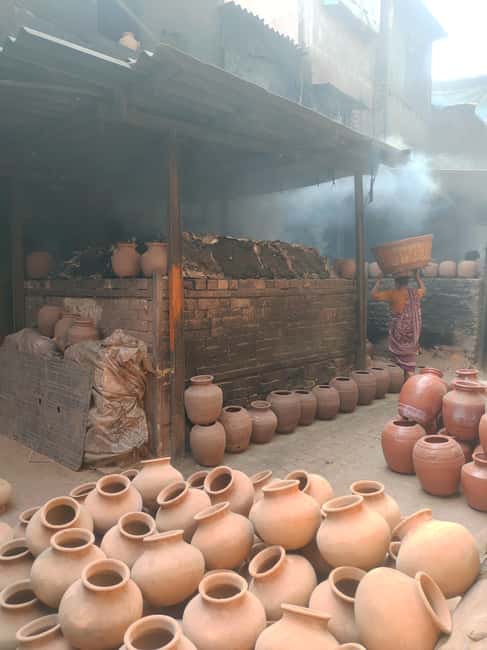
- Kumbharwada pottery: watch traditional pot-making skills where crafts are the point
- Top guide energy, with praised English and stories tied to real routines
Starting at Mahim: The Café Meeting Point and the Tone of the Walk
This tour begins at a coffee shop near Mahim train station (West). That matters more than you might think. You’re starting in a normal, public place with an easy landmark, and then you move from everyday Mumbai into a neighborhood most outsiders only hear about.
Plan for a 2 to 3.5 hour outing. That range is useful: you’re not just rushing through one highlight photo spot. The pace is built around conversations and wandering—especially once you hit the narrow routes where getting lost sounds easy, even when you’re with your guide.
One more practical note: wear something suitable for the weather. And for women, avoid overly short outfits. It’s not about “being fancy”—it’s about staying comfortable and fitting in as you walk through everyday spaces.
You can also read our reviews of more tours and experiences in Mumbai.
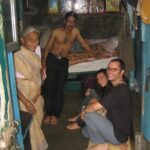


Crossing the Railway Bridge Into Dharavi’s Everyday Systems
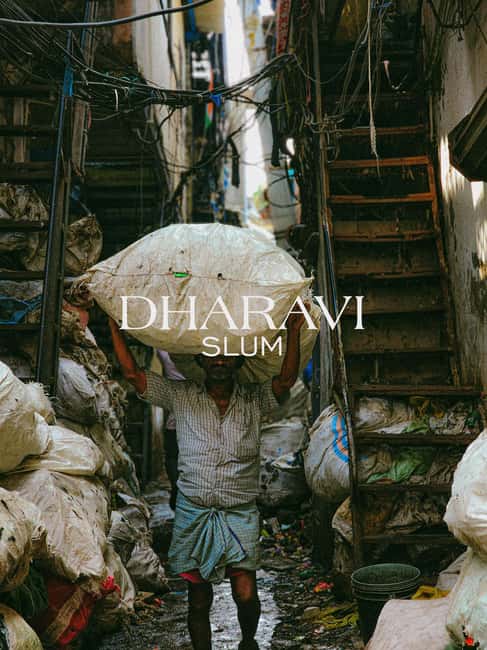
Right away, the tour sets a clear mental frame. You cross a railway bridge that leads you toward Dharavi, and your guide talks about slums around the world and then narrows in on Dharavi’s specifics.
I like this approach because it helps you avoid the two extremes: either treating the place like a disaster zone or treating it like a theme park. You get context first, then you see the mechanics—work, housing, schooling, and the infrastructure that keeps daily life moving.
And this is where the tour’s “why” starts to show: you’re not only learning facts. You’re learning how people organize their days. Your guide also helps you speak with locals, which changes the whole feel. Even a simple back-and-forth can turn your understanding from distant to immediate.
Industrial Area: Recycling and Small-Scale Manufacturing You Can Actually Follow
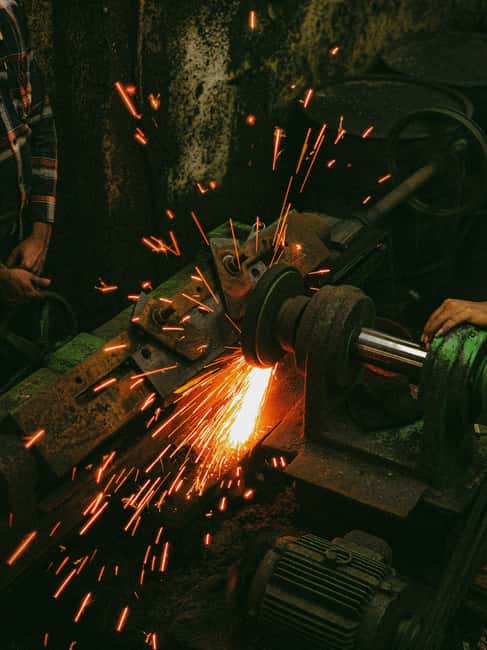
The first big stop is the industrial area, and it’s organized around observation. You’ll look at recycling activities—materials like plastics, wood, and cardboard—and you’ll see how those materials feed into real production.
Then you move from recycling into manufacturing sites, where you can spot the kinds of goods made locally, including clothing, backpacks, and luggage. The tour is careful about focus: it’s less about flashy factories and more about showing how work happens when resources are limited and creativity has to do heavy lifting.
Why this is valuable: when people talk about slums, they often skip the work layer. Here, you get the work layer. And when you understand the work, you understand why the community functions the way it does—why skills get passed along, why the supply chain matters, and why trading and making aren’t separate from home life.
A practical tip: this part can feel busy to look at. Your eyes will want to bounce between processes and people. Let the guide pace you. You’ll understand more if you listen first, then look.
The Street Crossing and Mumbai’s Largest Sewer: Infrastructure With a Human View
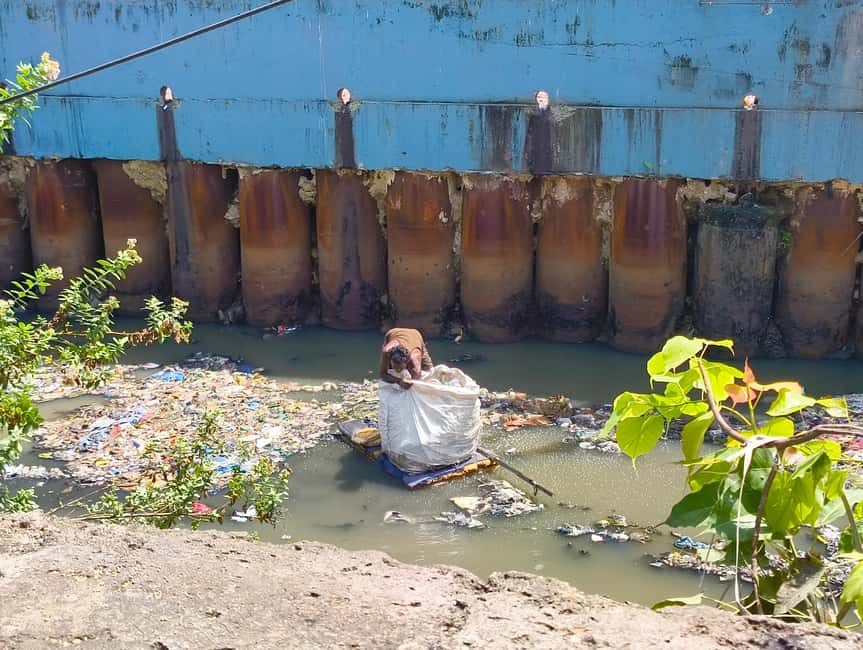
After the industrial area, you cross a street into the residential part and see the largest sewer in Mumbai.
That moment can hit hard—mostly because it’s so concrete. You’re not imagining sanitation problems from a distance. You’re standing near a real system that shapes daily life. Your guide’s explanations help you connect infrastructure to living conditions without turning the topic into spectacle.
This is also the point where Dharavi stops being a “place you’re touring” and becomes a “place people live.” You start noticing how close everything is, how movement works inside tight layouts, and how daily needs are handled in the same area as work.
If you’re the type who hates uncomfortable themes, don’t skip this. It’s one of the reasons the tour feels serious and grounded, not superficial.
Residential Lanes and Daily Life: Market, Schools, and Leather Manufacturing
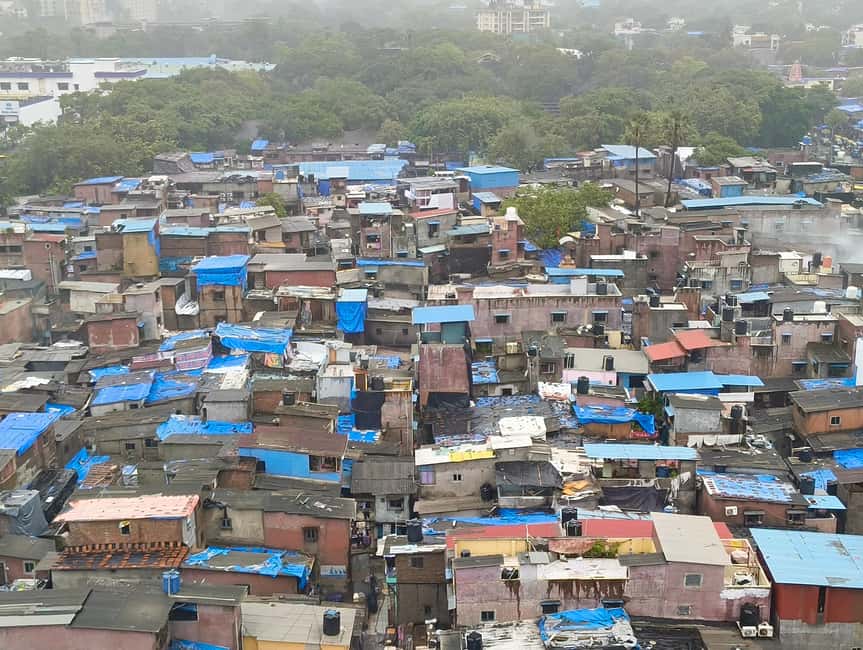
Next comes the residential area, and your guide builds the walk around everyday needs.




A local market with fresh produce
You’ll explore a local market where you can see fresh produce. I like this stop because markets are where you feel routines—what people buy, how they talk, and how food moves through the neighborhood. It also ties back to the earlier industrial stop. You start seeing a loop: materials get recycled, goods get made, and daily life keeps going through food, trade, and work.
Schools and educational practices
Then you visit various schools and learn about their educational practices. This is a key contrast point. Instead of only focusing on survival, you’re shown a system aimed at the future—learning, structure, and how kids are taught inside the community.
Even if schooling details vary by location, the bigger takeaway stays consistent: education is part of the neighborhood’s momentum, not just a charitable talking point.
Leather manufacturing process
You also discover the leather manufacturing process. This is another work-focused stop, but it’s distinct from recycling and from generic “factory tours.” It’s about a specific craft and production method.
If you tend to get overwhelmed by sensory details, use your guide as your filter. Focus on the steps being described rather than trying to absorb every smell, movement, and tool at once.
Kumbharwada Pottery: Watch Traditional Skills Take Shape
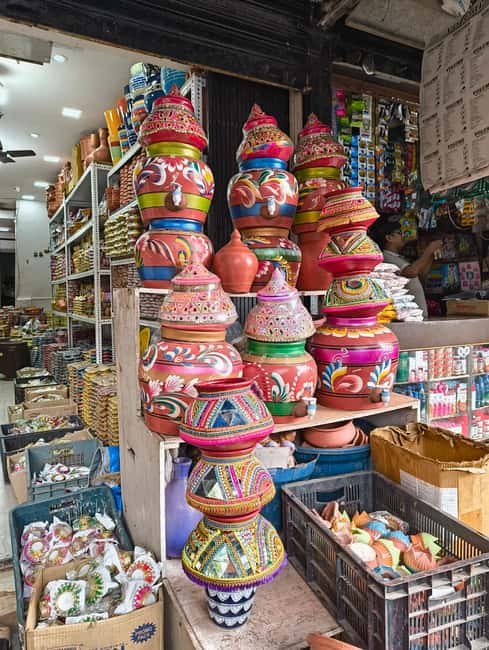
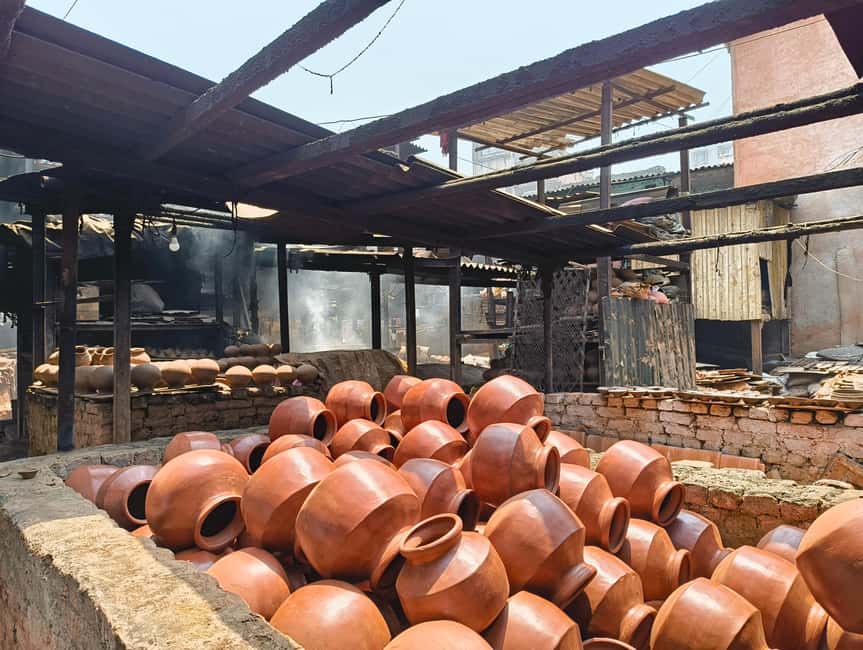
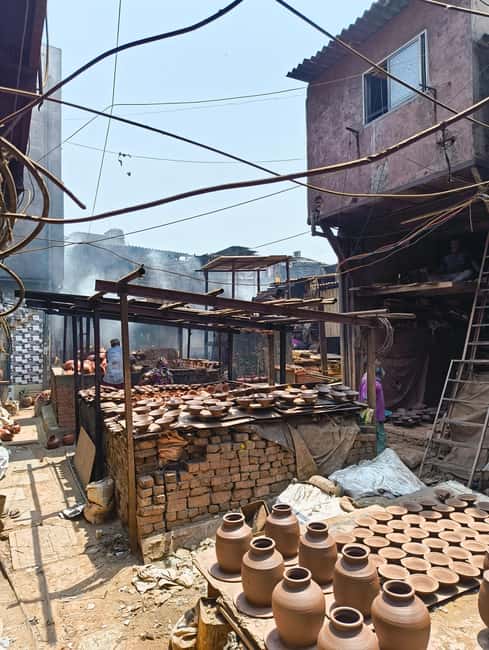
Later, you go to Kumbharwada, an area known for pottery. Here, you see traditional pot-making skills—the kind of hands-on craft work that doesn’t look like “art for galleries.” It looks like work meant for use, for trade, and for making a living.
This stop works well even if you’re not a craft person. Pottery is visual, step-by-step, and it rewards attention. You can track materials to form, and form to purpose.
It also balances the industrial realities. If earlier you saw recycling and production systems that turn raw inputs into packaged goods, Kumbharwada shows a different kind of transformation: shaping clay into objects that carry everyday value.
Getting Lost on Purpose: Confusing Alleys and How the Tour Helps
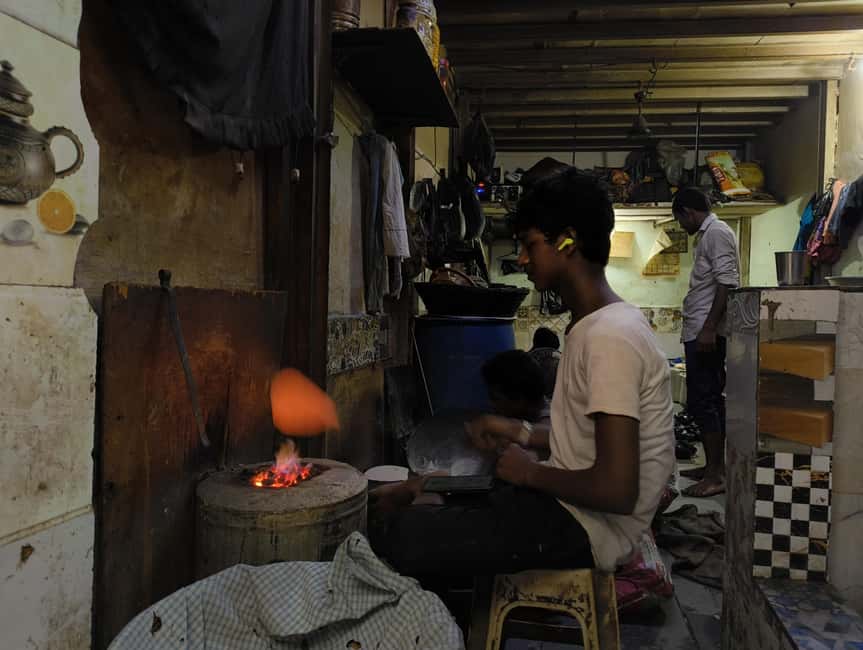
One of the standout promises is exploring confusing alleys you’ve never visited before. That can sound like a warning, but with a guide it becomes one of the best parts.
Here’s why: you don’t just pass through Dharavi’s “main views.” You experience the maze that locals navigate every day. That’s the real lesson. Places don’t work as postcards; they work through routes, shortcuts, and routines.
Just remember the reality of alley-walking: it’s narrower, sometimes uneven, and you’ll be turning corners more often than you expect. Comfortable footwear matters more than fashion. And if you’re traveling with anyone who hates crowds, this may still be manageable because the tour is guided and paced—just don’t expect wide-open sidewalks.
Price and Value: Why This Costs So Little
This tour is listed at about $4.39 per person, lasting roughly 2 to 3.5 hours. At that price, the big question is: what are you really paying for?
You’re paying for:
- an English-speaking (and Hindi-capable) live guide
- bottled water
- structured access to industrial and residential areas, plus specific stops like schools, leather work, markets, and pottery
You’re not paying for meals, so plan your day accordingly. But even without a meal, the value can be strong because you’re not just paying for “seeing.” You’re paying for guided interpretation and conversation—especially the part where your guide helps you talk with locals.
In a city like Mumbai, guided time has real cost. So when the price is this low, it’s a sign you’re likely getting a tight, practical experience rather than a long luxury outing.
Who This Tour Is Best For
This Dharavi tour fits best if you want:
- a grounded view of how communities function through work, education, markets, and craft
- a guide-led pace with explanation, not random wandering
- a short-to-medium commitment that doesn’t swallow your whole day
It’s also a good choice if you like your travel learning to be practical. You’ll hear about slums around the world, then see Dharavi’s specific versions of those issues—recycling, manufacturing, residential living conditions, schooling, and infrastructure.
If you’re looking for only broad sightseeing or only “pretty views,” you might find this experience emotionally intense at times. But if you want understanding, this tour leans hard into that goal.
Should You Book the Mumbai Dharavi Slum Tour?
If you want a low-cost, guide-led walk that goes beyond headlines, I’d say yes—with one condition: you’re ready to pay attention, slow down, and let the guide frame what you’re seeing.
Book it if you:
- enjoy learning through real routines and real places
- value conversation helped by the guide
- want a structured route across industrial and residential areas
Consider skipping or asking more questions first if:
- you need a very wide, low-movement sightseeing style
- you’re uncomfortable with topics like infrastructure and living conditions
FAQ
Where do I meet for the tour?
You meet at a coffee shop near Mahim train station (West).
How long is the Mumbai Dharavi Slum Tour?
It lasts about 2 to 3.5 hours.
How much does it cost?
The price is listed at $4.39 per person.
What’s included in the price?
An English-speaking live guide and packaged bottled water are included.
Are meals included?
No, meals are not included.
What languages will the guide speak?
The tour has a live guide in English and Hindi.
What areas will we see during the walk?
You’ll go through an industrial area for recycling and manufacturing, then a residential area with a market, schools, leather manufacturing, Kumbharwada pottery, and narrow alleys.
What should I wear?
Wear suitable clothing for the weather. Women should not wear overly short outfits.
Is this tour private?
A private group option is available.