REVIEW · MUMBAI
Private Dharavi Slums and Dhobighat Laundry tour
Book on GetYourGuide →Operated by Footloose Mumbai Experiences · Bookable on GetYourGuide
Two Mumbai realities, one guided route. It’s an educational walk through Dharavi Slums and the open-air Dhobi Ghat laundry, with community guides who explain what life looks like day to day. I love that you get both the working side and the residential side of Dharavi, not just a quick photo stop. I also love how the Dhobi Ghat visit turns laundry into a real system, run by people with skills you don’t usually see up close.
The main thing to consider is that this is a walk-focused tour in a busy area. If you have mobility issues, motion sickness, or insect allergies, it’s not the right fit. You’ll also want closed-toe shoes and a mindset of respectful curiosity.
In This Review
- Key highlights you’ll actually feel on this tour
- Dharavi and Dhobi Ghat: why this combo makes sense
- Hotel pickup to Dharavi: start comfortable, then get real fast
- Inside Dharavi: working districts and the everyday social side
- Khumbharwada and the potters’ community: craft you can spot in the neighborhood
- Dhobi Ghat: watching laundry as a living system
- The guides make it personal: Sajid, Sufian, Jeetu, and Chiraq
- Price and value: is $60 per person a fair deal for 4 hours?
- Timing, walking, and who this tour fits best
- Practical tips so your visit stays respectful and easy
- Should you book this private Dharavi and Dhobi Ghat tour?
- FAQ
- How long is the Dharavi Slums and Dhobi Ghat tour?
- Where does pickup happen?
- Is this a private tour?
- Does the tour include an English-speaking guide?
- What’s included in the price?
- Are meals included?
- What should I bring?
- Is the tour wheelchair accessible?
- Can I cancel for a full refund?
Key highlights you’ll actually feel on this tour
- Community guides who grew up with the neighborhoods you’re visiting
- Dharavi’s working district plus residential areas, so you see jobs and everyday life
- Dhobi Ghat, one of Asia’s biggest open-air laundry spaces, viewed as a working community
- Khumbharwada potters, where traditional craft is part of the local neighborhood fabric
- Private, English-speaking experience with hotel pickup in an air-conditioned car
Dharavi and Dhobi Ghat: why this combo makes sense
Mumbai can feel like a blur—until you see how one place makes a living and the next place turns labor into routine. This tour pairs Dharavi’s neighborhood industries with Dhobi Ghat’s laundry work, so you start connecting the dots between space, work, and community.
What I like is the structure: you don’t just hear about poverty or sweat. You see how people build jobs, routines, and support networks inside crowded conditions. That’s the real value here—perspective you can carry with you long after the walk is over.
You can also read our reviews of more private tours in Mumbai



Hotel pickup to Dharavi: start comfortable, then get real fast
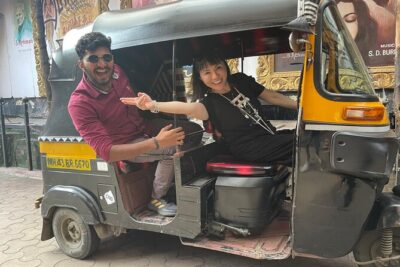
The experience begins with pickup from your Mumbai hotel or apartment by an English-speaking guide or driver. You travel in a comfortable air-conditioned car, which matters in a city where the weather can go from fine to intense quickly.
Once you arrive, the pace changes. You’ll spend about two hours on foot inside Dharavi, guided and explained as you go. The walk is the point: you’re moving through a neighborhood where everyday activity is happening around you, not staged for the camera.
A helpful thing about this format is that you’re not dropped in and left to figure it out. Your guide can point out what’s going on, why it matters, and how people organize their days.
Inside Dharavi: working districts and the everyday social side
Dharavi isn’t treated as one single story. You’ll see parts of the working district, where locals are involved in different professions, and you’ll also visit residential areas where everyday life comes into focus.
Here’s what that means for you on the ground:
- In the working zones, you’ll get a sense of how small spaces support real production and services.
- In the residential zones, you’ll hear discussion about social issues and the practical rhythm of community life.
This mix is one of the strongest parts of the tour. It helps you avoid the common trap of thinking a neighborhood is only hardship or only industry. In reality, it’s both, and the balance matters.
Khumbharwada and the potters’ community: craft you can spot in the neighborhood
The tour highlights Khumbharwada, known for a traditional potters’ community. If you’re curious about how craft survives in a fast-changing city, this is the kind of stop that makes the tour feel more human and less abstract.
Even if you only catch a snapshot of workshop activity, you’ll come away with a better question to ask: how do skills, tools, and tradition keep moving when space and resources are limited? That’s the point of including something like Khumbharwada alongside the broader Dharavi view.
Dhobi Ghat: watching laundry as a living system
After Dharavi, the route shifts to Dhobi ghat, described as the largest open-air laundry in Asia. This isn’t a museum. It’s work—continuous work—where many small steps add up to a daily output.
What you’ll notice is that laundry isn’t just a task. It’s a workflow. You’ll get a guided visit and a walk through the washer men community’s world, with a glimpse into how their lives connect to the city’s needs.
A good way to frame Dhobi Ghat in your head is like this: you’re seeing logistics made visible. The space, the routines, and the people are all part of how laundry gets done at scale. That’s why this stop feels so different from standard sightseeing.
If you’re sensitive to strong smells or crowded conditions, plan mentally for sensory input. The tour doesn’t describe it as a comfort spa, and your experience will match reality.





The guides make it personal: Sajid, Sufian, Jeetu, and Chiraq
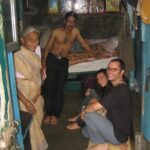
This tour stands or falls on the guide, and here it’s built around community insiders. The information you get tends to feel grounded because the guide is coming from the same streets and rhythms you’re walking through.
In past groups, guides have included people like Sajid, Sufian, Jeetu, and Chiraq—all connected to Dharavi and/or the neighborhood life the tour explains. Expect clear English and a lot of practical explanation, not just general background.
One of my favorite things about this setup is how questions get answered. When the guide lives the context, they can explain tradeoffs and daily realities without turning the conversation into a lecture. You’re there to learn, but also to understand what’s behind the details you’re seeing.
Price and value: is $60 per person a fair deal for 4 hours?
At $60 per person for a 4-hour private tour, you’re paying for three things: (1) the private time, (2) the local English-speaking guide, and (3) the air-conditioned pickup car plus packaged water.
Is it a bargain? It’s not the cheapest thing on a Mumbai list. But it can feel fair because you’re not paying for a single viewpoint. You’re paying for guided access to two working communities—places with active daily work and real infrastructure.
The other value piece is impact. The profits from the tours are given back to charities operating in Dharavi and Dhobi ghat. That doesn’t make poverty disappear, but it does mean your payment connects to local support rather than staying purely in the tourism layer.
If you’re the kind of traveler who prefers learning with context over collecting landmarks, this pricing makes more sense.
Timing, walking, and who this tour fits best
You should plan for a walk-heavy tour, with about two hours in Dharavi on foot and additional walking at Dhobi ghat. Comfortable footwear is not optional here, and the tour specifically asks for closed-toe shoes.
This experience is not suitable for:
- People with mobility impairments or wheelchair users
- People with motion sickness
- Babies under 1 year
- People over 95 years
- People with insect allergies
If any of those apply to you, it’s better to skip this one. The route is about movement through active areas, not an easy seated walkthrough.
Practical tips so your visit stays respectful and easy
You’ll get the best experience by preparing for the reality of the spaces you’re entering. Here are practical things that help:
- Wear closed-toe shoes with solid grip.
- Keep your questions respectful and specific, especially about work and daily life.
- Expect crowds and close quarters in parts of the neighborhoods.
- Bring patience. Guides will slow down when you need context, and that’s part of why it’s worth doing.
One more tip: photography and interviews can get tricky in working communities. The tour is guided and you’ll be set up by your guide’s lead. Follow their cues and let them manage the flow.
Should you book this private Dharavi and Dhobi Ghat tour?
Book it if you want Mumbai that’s more than monuments. This is a Dharavi slum tour and Dhobi Ghat laundry tour designed to explain how work happens, how communities function, and how craft and routines survive in tight spaces.
Skip it if you want a low-walking, low-stimulation outing, or if your body or health needs a smoother route. Also skip it if you have conditions that the tour lists as not suitable, since this is an active neighborhood walk.
If you do book, go in with curiosity and respect. You’ll get the most from the visit when you treat it like a guided conversation through real places.
FAQ
How long is the Dharavi Slums and Dhobi Ghat tour?
The total duration is 4 hours.
Where does pickup happen?
Pickup is from your hotel or apartment in Mumbai, with your guide or driver meeting you at the hotel lobby.
Is this a private tour?
Yes. It is a private group experience.
Does the tour include an English-speaking guide?
Yes, the guide is English speaking.
What’s included in the price?
Included are an air-conditioned car, packaged water, and the English-speaking guide.
Are meals included?
No. Meals are not included.
What should I bring?
You should bring closed-toe shoes.
Is the tour wheelchair accessible?
No. It is not suitable for wheelchair users or people with mobility impairments.
Can I cancel for a full refund?
Yes. You can cancel up to 24 hours in advance for a full refund.