REVIEW · MUMBAI
Dharavi Slum Tour & Mumbai Sightseeing
Book on GetYourGuide →Operated by Mystical Mumbai · Bookable on GetYourGuide
A day in Mumbai can feel like a sprint, but this one has a smart rhythm. You’ll mix Dharavi with major landmarks like Gateway of India and Chhatrapati Shivaji Maharaj Terminus, guided end-to-end in one organized route.
I particularly love how this tour pairs two Mumbai stories that usually get separated: everyday work in Dharavi and the city’s colonial-era architecture along the harbor and waterfront. I also like that the day runs with real local context, not just photo stops. Guides like Dev and Dhermesh stand out in the way they explain what you’re actually looking at.
One consideration: you’ll be walking through tight lanes and lots of streets, and shorts aren’t allowed, so plan clothing and shoes accordingly.
In This Review
- Key highlights you’ll care about
- A 6-hour mash-up: Dharavi plus Mumbai’s big icons
- Getting picked up in a private group and why that matters
- Gateway of India and the Taj Mahal Palace area: harbor drama, not just photos
- Marine Drive and the British-era view game from the car
- Chhatrapati Shivaji Maharaj Terminus: a UNESCO stop with real presence
- Mani Bhavan and Gandhi’s residence: the quieter anchor of the day
- Dhobi Ghat: Asia’s largest open-air laundry in motion
- Hanging Gardens, Kamala Nehru Park, and the Old Woman’s Shoe
- Dharavi and Kumbharwada: what you’ll actually see in the lanes
- Tour pace, clothes, and practical tips that keep the day pleasant
- Price and value: what $70 buys in a full city sweep
- Should you book this Dharavi Slum Tour & Mumbai Sightseeing?
- FAQ
- How long is the Dharavi Slum Tour & Mumbai Sightseeing?
- How much does the tour cost?
- Is lunch included?
- Is the tour private, or shared?
- Is there an English-speaking guide?
- Where does pickup happen?
- Are there any clothing restrictions?
- Review style note (so you feel confident)
Key highlights you’ll care about

- Dharavi with a guide who can explain what you see from recycling yards to Kumbharwada lanes
- Gateway of India + Taj Mahal Palace area right at the harbor, timed for easy sightseeing
- Dhobi Ghat (open-air laundry) where Mumbai’s daily industry is on display
- UNESCO Chhatrapati Shivaji Maharaj Terminus plus other British-era landmarks nearby
- Kamala Nehru Park skyline view and the Old Woman’s Shoe photo moment
- Marine Drive as the car-drive finale with lots of skyline views
A 6-hour mash-up: Dharavi plus Mumbai’s big icons
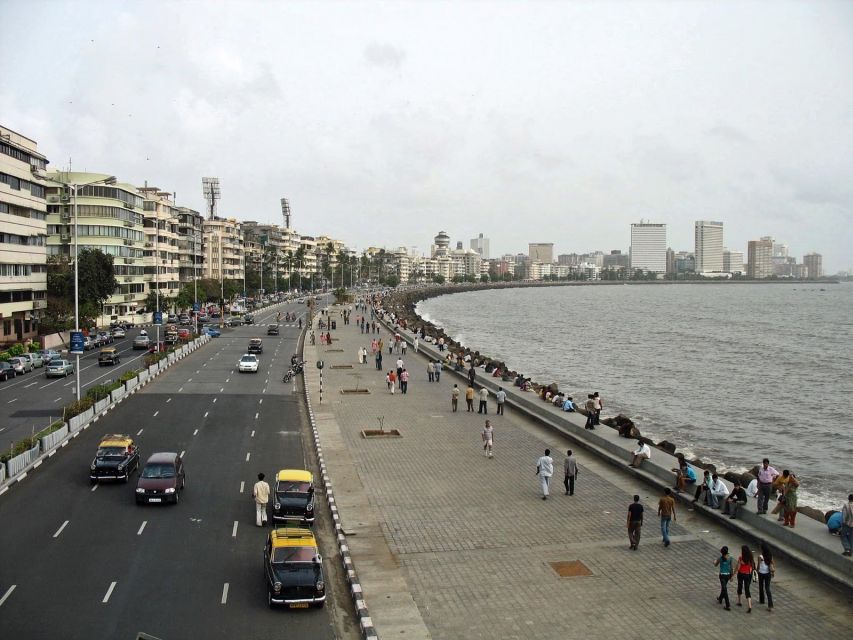
This isn’t the kind of tour where you only get postcards. It’s a full, structured circuit through Mumbai’s most famous sights, with a second half that changes your perspective fast. One moment you’re looking at grand buildings near the harbor; the next you’re stepping into narrow lanes and local workspaces in Dharavi.
You’ll like it most if you enjoy contrast. Mumbai is a city of layers, and this route tries to show you both the headline sights and the daily reality that powers the city.
The day stays tight at 6 hours, so you won’t have time to slow down and linger everywhere. Still, the pacing is practical for first-time visitors who want a lot done without feeling random.
You can also read our reviews of more tours and experiences in Mumbai.



Getting picked up in a private group and why that matters
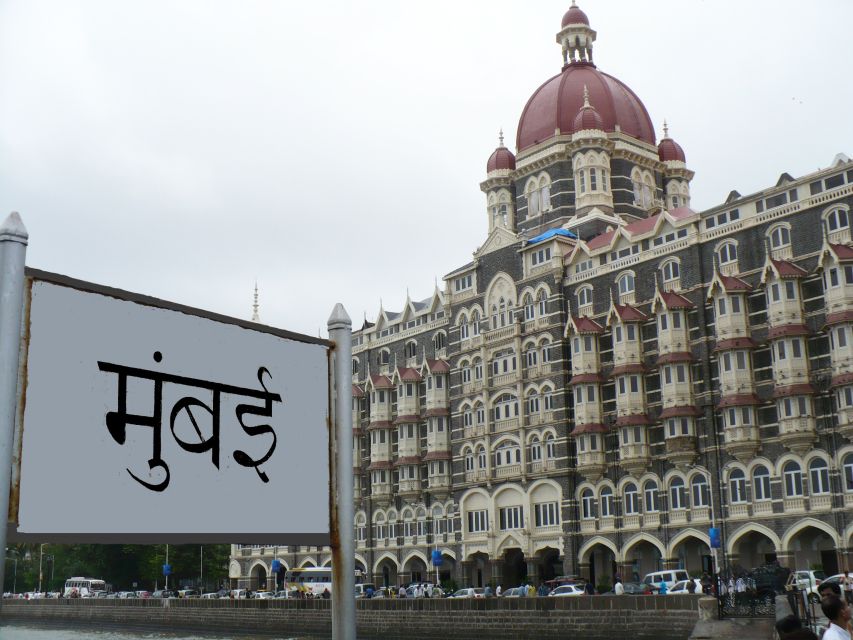
You’ll start with pickup included, meeting your guide in your hotel lobby in Mumbai. One itinerary pickup point listed is Friends Colony, but the important part is that you provide your details and the team meets you where you’re staying.
A private group is a big deal here. In a route this packed, you want a guide who can adjust on the fly—speeding up when you’re eager, and slowing down when you want explanations. People who’ve done this say the guides are willing to work around personal preferences rather than forcing a fixed script.
Also, the transport is air-conditioned. That helps more than it sounds in Mumbai, where heat and traffic can wear you out fast.
Gateway of India and the Taj Mahal Palace area: harbor drama, not just photos
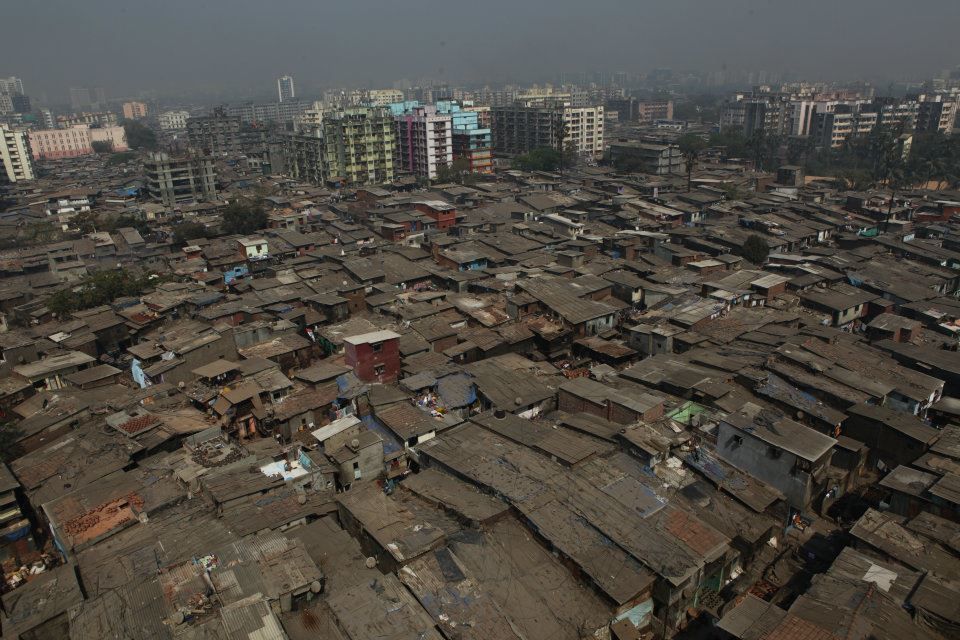
The day kicks off near Gateway of India, with a photo stop plus a guided visit and a bit of walk time. This monument is tied to royal history: it was built to welcome King George V and Queen Mary into India, and it sits right where Mumbai’s harbor energy starts.
What I like about this start is the context. You see the monument, you hear what it represents, and you’re already learning how this city got shaped by global connections. Even if you’ve seen the gateway on screens, being there makes the scale and setting click.
Just around the corner is the Taj Mahal Palace hotel, specifically the original building commissioned by Jamshedji Tata, first opening to guests on December 16, 1903. This is one of those stops where architecture becomes a story tool. You’re not just looking at a landmark; you’re seeing how wealthy patrons and empire-era planning left a long imprint.
There’s also shopping along the way. If you’re the kind of person who likes buying one small reminder, this is a decent moment—though don’t expect a long browsing session in a 6-hour plan.
Marine Drive and the British-era view game from the car
Next up is Marine Drive, with another photo stop and guided sightseeing walk. Marine Drive is often called Queens Necklace, and from the road you get a good sense of how the city arranges itself around the coast.
This segment also sets you up for the rest of the day: you’re training your eyes to spot the city’s older architecture while still moving through traffic. A guide can point out details quickly, so even short walk breaks feel productive.
On the drive you’ll also pass or see a cluster of heritage landmarks tied to the British-era cityscape: the Prince of Wales Museum, Maharashtra Police Headquarters, Flora Fountain and Hutatma Chowk, the Telegraph Office, and the India Post Office Building. You’ll also catch the Kala Ghoda area, David Sasoon’s Library, and the National Gallery of Modern Art.
If you’re thinking, that’s a lot—yes. But that’s exactly why a guided route works. You don’t want to guess which building is which when time is limited.
Chhatrapati Shivaji Maharaj Terminus: a UNESCO stop with real presence
One of the best “big checkmark” moments on this route is Chhatrapati Shivaji Maharaj Terminus—the UNESCO World Heritage station. You’ll get a photo stop and guided sightseeing with a short walk time.
This is a building you feel. Stations are busy everywhere, but here you get architecture that signals importance. Even if you’re not into trains, a place like this makes the city feel engineered and deliberate.
The itinerary also includes more landmark context nearby, like Mumbai University with British heritage roots built in 1857, and the Rajabai Clock Towers often compared to Big Ben. You’ll also hear about the Oval Cricket Ground, plus Bombay High Court, described as a beautiful British heritage building.
If you like seeing the city’s “why,” these stops connect. They show Mumbai’s past as more than background scenery.




Mani Bhavan and Gandhi’s residence: the quieter anchor of the day

After the big architecture stops, the tour moves to Mani Bhavan, Mahatma Gandhi’s residence in Mumbai. You’ll have a guided visit and walking time here, which gives the day a more reflective pause.
This stop matters because it’s not just another impressive structure. It grounds the trip in a person and a political moment, right in the middle of a modern city. For many first-time visitors, it’s the point where Mumbai’s scale stops being abstract and becomes human.
Dhobi Ghat: Asia’s largest open-air laundry in motion
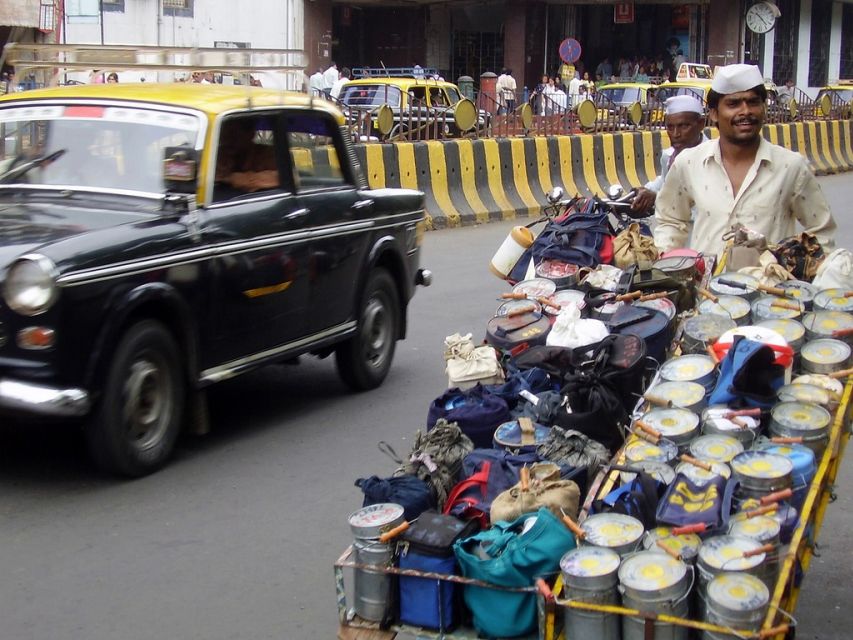
One of the most memorable parts is Dhobi Ghat—the open-air laundry. The tour includes a photo stop, guided sightseeing, and walking time.
This isn’t a museum, and that’s the point. You’re seeing a working system, not staged history. Clothes being washed as part of daily life makes Mumbai feel less distant.
Bring patience for sensory details. Laundry means water, motion, and strong smells—often noticeable even when you’re just passing through. A good guide helps you interpret what you’re seeing so it becomes more than a quick “look and go” moment.
Hanging Gardens, Kamala Nehru Park, and the Old Woman’s Shoe
The tour then shifts toward viewpoints and garden spaces.
You’ll visit Kamala Nehru Park, known for a skyline view and the playful landmark called the Old Woman’s Shoe. It’s a great break after tighter street areas because you can step back, take photos, and understand the city’s layout from above.
You’ll also see Hanging Gardens, described as built on top of water tanks near the Tower of Silence, linked to the Parsi burial place. This is another place where function and form overlap. Even if you don’t spend a long time inside, the idea is clear: Mumbai’s city planning often grew around practical needs like water and infrastructure.
Along the way you may also include a Jain temple and the Banganga tank. These stops help round out the religious and civic side of the city, so the day doesn’t feel like only one cultural lane.
Dharavi and Kumbharwada: what you’ll actually see in the lanes
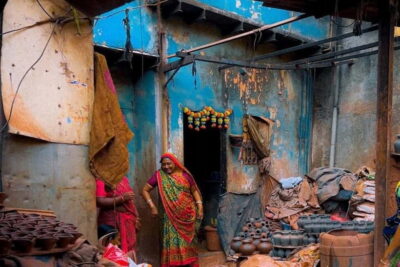
The heart of this tour is Dharavi, including time in Kumbharwada, described as the face of India’s largest slum dwelling. The route also includes a stop by the plastic and metal recycling yard, then moves through narrow lanes and by-lanes.
Here’s what to expect as you walk:
- You’ll see work areas tied to recycling and production.
- You’ll pass places like tailor shops, cyber cafes described as dime-sized, and other small businesses.
- You may notice strong smells from local bakeries, sweet shops, and from soap and cosmetic making units.
One reason this segment earns strong praise is that it’s guided with stories that explain daily life patterns, not just shock value. People who’ve done it highlight the way guides talk about what you’re seeing and how the community functions in tight space.
The Kumbharwada walk is where the “city-within-a-city” idea becomes real. You’ll feel the sense of community described as part of the spirit here. It’s not a place that should be treated like a theme park, so keep your tone respectful and your curiosity steady.
Also, you get time here—about 110 minutes—which is long enough to notice details rather than just rush through.
Tour pace, clothes, and practical tips that keep the day pleasant
This route works best if you plan for an active day with frequent short walks.
The tour notes that shorts aren’t allowed, so wear longer pants or another covered option. For shoes, think non-slip and comfortable because Dharavi lanes and city sidewalks can be uneven.
I’d also follow a simple tip from past participants: take water. You’re outside a lot, and the day can feel warm even when you’re only walking in small bursts.
If you’re visiting during monsoon or rainy periods, be prepared to get wet. Mumbai weather can change quickly, and you’ll still be walking between stops.
Finally, this tour is structured, so you shouldn’t expect to stretch it into extra stops on your own. If you want to prioritize something—like spending more time near a specific landmark—choose that mindset early with your guide. Past experience with guides on this route suggests they can adapt priorities within reason.
Price and value: what $70 buys in a full city sweep
At about $70 per person for a 6-hour private tour, the value comes from the combination.
You’re paying for:
- A live English-speaking guide who can connect the stops into one story.
- An air-conditioned car with time-saving logistics.
- A long enough route to cover major sights without you having to plan transport and timing.
- Included basics like tolls, parking, and tax, plus a promise of no hidden cost.
Lunch isn’t included, so factor in a snack plan. If you treat this like a full sightseeing day and not a half-day snack run, the price feels more reasonable. Where it can feel costly is if you only want a couple of the iconic sights. But if you’re first-timer-ish and want both Dharavi and the famous harbor and colonial buildings, this route gives you a lot per hour.
Should you book this Dharavi Slum Tour & Mumbai Sightseeing?
Book it if you want a first look at Mumbai that goes beyond the standard skyline loop. This tour is strongest when you’re curious about how Mumbai works day to day, and when you’re comfortable with a more serious, real-world setting like Dharavi paired with famous landmarks.
I’d skip it if you dislike walking, hate sensory intensity, or want a low-energy day. Also, make sure your clothing fits the rules since shorts aren’t allowed.
If your goal is to see major Mumbai sights plus a side of the city you can’t get from viewpoints alone, this one makes a smart match.
FAQ
How long is the Dharavi Slum Tour & Mumbai Sightseeing?
The tour runs for 6 hours.
How much does the tour cost?
The price listed is $70 per person.
Is lunch included?
No. Lunch is not included.
Is the tour private, or shared?
It’s a private group tour.
Is there an English-speaking guide?
Yes. The tour includes a live English-speaking guide.
Where does pickup happen?
Pickup is included. You provide your hotel details, and the guide meets you in your hotel lobby in Mumbai. A listed pickup location is Friends Colony.
Are there any clothing restrictions?
Yes. Shorts are not allowed.
Review style note (so you feel confident)
The best version of this day is the one where you treat each stop with attention: look closely at the harbor monuments, then switch gears for the working lanes of Dharavi with respect and patience. Guides highlighted across experiences on this route include people like Dev, Dhermesh, Siddhi, Anthony, Sunny, and Aardi, often paired with drivers such as Mukesh and Manjo—and they’re repeatedly praised for guiding smoothly through a packed day.