REVIEW · MUMBAI
Bombay by Dawn
Book on GetYourGuide →Operated by Mystical Mumbai · Bookable on GetYourGuide
Smell the city before it wakes. I love the way the dawn markets explain Mumbai’s food trade, and I love the sensory jolt of the Sassoon docks fish scene. This tour turns morning into a practical lesson: who sells, who buys, and why the day starts early in Maharashtra’s biggest city.
One thing to consider: the success of the tour depends on timing. If your pickup runs later than planned, you may miss parts like the newspaper stop or the temple prayer, and you’ll lose some of that true dawn momentum. The early start is not negotiable, so plan to be ready at 4:30AM.
In This Review
- Key things you’ll really notice
- Why 4:30AM is the whole point in Mumbai
- The morning trade lesson starts with newspapers and bargaining
- Fruit, flower, and vegetable wholesalers: why freshness drives everything
- Banganga and the flower markets: a stop that adds meaning
- Marine Drive at sunrise: a calm visual break
- Sassoon docks: the fish market you’ll remember
- The short train ride: local rhythm without a day-long trek
- Morning prayer in a temple: spiritual pause, schedule-dependent
- Price and what $64 buys you (and what it doesn’t)
- Language, pacing, and guides: getting the most out of it
- Who should book Bombay by Dawn
- How to prepare so the morning feels good
- Should you book this dawn tour or skip it?
- FAQ
- How early does the tour start?
- How long is Bombay by Dawn?
- Where does the tour take place?
- How much does it cost?
- What’s included in the price?
- Is food or drinks included?
- Where does the tour pick you up?
- Which languages are available for the live guide?
- Is the tour suitable for pregnant women?
- What’s one of the key stops on the route?
Key things you’ll really notice
- 4:30AM hotel pickup keeps you in the part of Mumbai most visitors never see
- Newspaper vendor plus wholesale bargaining explains how daily trade moves
- Fruit, flower, and vegetable wholesale markets show why freshness is a business strategy
- Sassoon docks fish market delivers the smell and the workflow of morning distribution
- A short local train ride gives you a local rhythm break from the road
- Food and drinks aren’t included, so you’ll want a simple plan for after
Why 4:30AM is the whole point in Mumbai
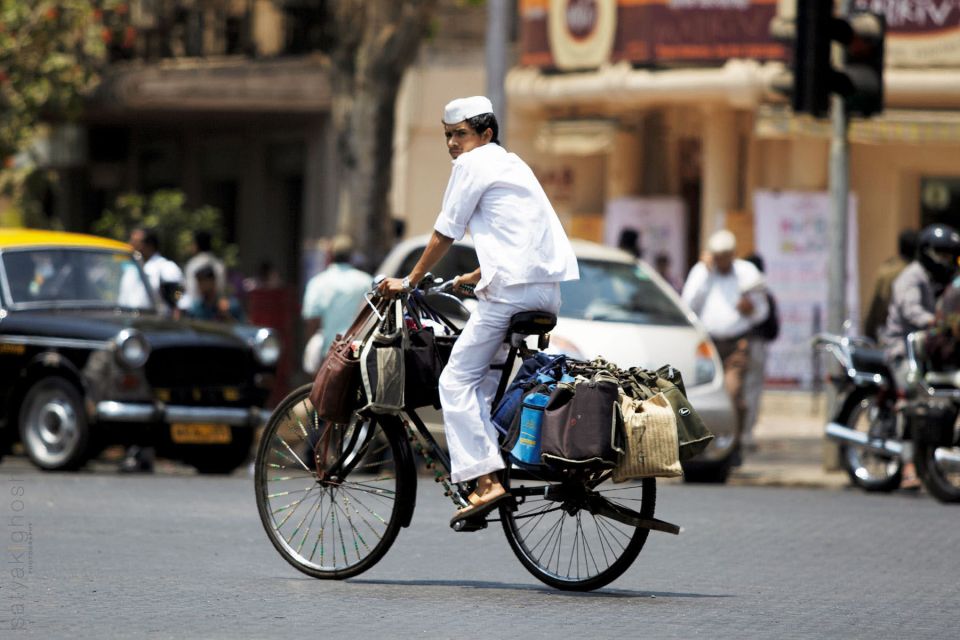
This is a 4-hour Mumbai by dawn experience focused on how the city runs before most people even think about breakfast. You meet at 4:30AM at your accommodation, then you head out while the streets are still shifting into place. That early hour matters because Mumbai’s freshest food has a short clock—prices, supply, and demand all tighten as the morning moves forward.
The tour’s payoff is not just sights. It’s the cause-and-effect feeling you get when you see how goods arrive, get sorted, and get sold. Morning trade is the engine. The markets aren’t just colorful; they’re logistical systems, and you’re watching them work in real time.
A quick note on your expectations: this is not a comfort-first stroll. You’ll likely walk through crowded selling areas, and the schedule moves. If you’re the type who needs everything calm and paced, this might feel intense. If you like real street-level life, you’ll feel right at home.
You can also read our reviews of more tours and experiences in Mumbai.


The morning trade lesson starts with newspapers and bargaining
Your guide and driver pick you up from your hotel, and the first stop is built around something easy to overlook: newspapers. You’ll see the vendor interaction that kicks off the day’s information flow—how papers get delivered to places like hotels and how people build routine from that first delivery.
Then you cross into the wholesale lane—fruit, flowers, and vegetables—where bargaining is part of the process, not a side activity. You’re watching men and women negotiate fresh supplies for the day ahead, and that’s one of the best ways to understand why mornings are so important in Mumbai. Freshness isn’t just about taste; it affects trade speed, customer expectations, and even how quickly stock turns over.
If you’re worried about being sleepy: this section does not let you drift. It’s active, close-up, and full of quick decisions. It also helps you connect dots later when you walk through Mumbai and suddenly you notice the supply chain everywhere.
Fruit, flower, and vegetable wholesalers: why freshness drives everything
The wholesale market portion is where you’ll most clearly see the relationship between time and money. Fresh produce and flowers don’t wait around. If something arrives too late, it loses value. If it’s sold too slowly, margins shrink. In other words, morning is when the best opportunities happen.
This is also where your guide can make the city feel understandable. Even without turning it into a lecture, you’ll pick up a practical sense of what moves, what people prioritize, and what questions sellers ask. You’ll probably notice how quickly sellers and buyers read the day’s conditions—weather, demand, and what’s still available.
One drawback to keep in mind: this section is sensory and human-close. You’ll be around lots of people, and the pace can feel quick. If you don’t like tight spaces, bring your personal space expectations down a notch.
Banganga and the flower markets: a stop that adds meaning
Some departures include a drive to Banganga, where your guide explains the role of a water tank connected to the immersion of ashes. It’s a heavy topic, but it helps you understand Mumbai as a city where daily life and spiritual realities sit side by side.
From there, you may continue into flower market territory. In at least one run, the flower trade was a standout because you can literally see freshness in color, scent, and volume. People bargaining over supplies isn’t only commerce—it’s preparation for rituals, welcoming ceremonies, and the ongoing need for offerings in the city.
If your schedule starts to slip, this kind of meaningful stop can get cut from the later portion of the route. That’s why punctual pickup matters on a dawn tour.
Marine Drive at sunrise: a calm visual break
On some mornings, the route passes Marine Drive for a sunrise view. The timing can work well here: after the close-up market energy, you get an open-sky moment. You’ll see joggers and people meditating, and the tone shifts from commerce to reflection.
Even if you’re not a morning meditation person, you’ll appreciate the pause. It helps you reset before the next stop, especially before the fish market. It also gives you a simple landmark to connect the “trading city” story to the “living city” feeling of Mumbai by the sea.
If you’re sensitive to early-hour sleepiness, treat this as your mental breather. Even a few minutes can change how the rest of the tour lands.


Sassoon docks: the fish market you’ll remember
Now for the part that most people talk about: the Sassoon docks fishmarket. The tour is designed around the Sassoon docks because it’s the city’s first wet dock and the only one open to the public. That means you’re not just viewing fish—you’re seeing a functioning public-facing workspace where morning distribution starts.
The smell is real. It hits before you even clock the details, and that’s part of the point. You’ll see fish being prepared and distributed for the morning sales, and you’ll get a sense of speed and workflow: what needs to happen quickly, who handles what, and how the process moves from dock to market.
In one guided experience, the guide offered context and helped connect what you see to how morning trade depends on getting fish moving fast. If you’re the kind of person who likes “how things actually work,” this is your favorite stop.
Practical caution: if odors bother you, this is the moment to mentally prepare. Keep your expectations flexible. You can enjoy the scene without pretending it’s pleasant.
The short train ride: local rhythm without a day-long trek
A small distance train ride is included in the plan, and I think that’s smart. It breaks up road time and adds a distinctly local layer to the tour. You get to see Mumbai’s movement patterns from a different angle—something you can’t get from just watching cars and taxis.
Even if you don’t study transit maps, the train segment helps you feel how neighborhoods connect. It also helps restore your energy. After markets and docks, it’s a simple change of pace before the next stop.
Because the tour info doesn’t spell out the exact route or train duration, focus on the experience rather than the specifics. You’re there to feel the city’s morning motion.
Morning prayer in a temple: spiritual pause, schedule-dependent
The tour description includes attending Morning Prayer in one of Mumbai’s famous temples before you’re dropped back off. This is a thoughtful ending because it reframes what you’ve seen. You start with trade—food, papers, bargaining—and you end with ritual.
One important reality check: if you start later than planned, you might not have enough time to reach this part. In at least one instance, the later start meant some listed portions didn’t happen, including temple prayer. Dawn tours are like dominoes—when you fall behind, you lose the final pieces.
If spirituality is meaningful to you, try to treat the morning pickup time as sacred. It’s the best way to protect the full arc of the tour.
Price and what $64 buys you (and what it doesn’t)
At $64 per person for 4 hours, the value is mostly in the structure: hotel pickup and drop-off, a driver/guide, and a professional guide leading the stops at dawn. Those logistics alone can cost you time and hassle if you try to cobble it together yourself.
What you should know upfront: food and drinks are not included. That means you may finish hungry. I suggest planning your post-tour meal before you leave your hotel—at least decide where you’ll go next.
Also, early-morning scheduling has an opportunity cost. You’re paying for convenience and access to the workday’s start, not for a long sightseeing route. If you want standard Mumbai sights at a leisurely hour, this won’t fit as well.
Language, pacing, and guides: getting the most out of it
The live tour guide runs in German and Spanish. That’s a real plus if you’re traveling with someone who wants clarity. When you understand what’s being explained—especially around trade—your whole experience feels more coherent.
The guide experience can vary by day, but the tour benefits from being organized and personal. One guide named Raj showed up early with context around Banganga and helped make the route feel like more than just passing through stops. Another guide named Anthony led a memorable morning route that left a lasting impression, with a good mix of areas across the waking city.
One more thing: keep your flexibility. In one case, the guide had to handle an unexpected situation related to his business, which meant waiting at the cruise terminal. The group was offered tea and cookies as the situation was handled. That’s not a guarantee, but it’s a reminder that day-starting in Mumbai isn’t the same as a timed museum visit.
Who should book Bombay by Dawn
This tour makes the most sense if you:
- Like real morning life more than postcard views
- Want a practical understanding of Mumbai’s fresh-food trade
- Don’t mind crowds, smells, and early departure
- Enjoy small public-access “working city” places like Sassoon docks
It’s a less good fit if you:
- Are pregnant (the tour lists this as not suitable)
- Have strong sensitivity to strong odors
- Need a slow, low-activity pace
How to prepare so the morning feels good
A few smart choices can make a big difference:
- Wear comfortable, grippy shoes. Dawn markets and docks mean uneven flooring and standing.
- Expect a lot of walking in the morning. Bring an “I can do this” mindset.
- Dress for cool early air, then plan for warming up as the city shifts.
- Since food and drinks are not included, decide what you’ll do right after you’re dropped off.
If you want the best photos, keep your camera ready at the docks and markets, but also be respectful. This is a working space, not a staged set.
Should you book this dawn tour or skip it?
Book Bombay by Dawn if you want Mumbai to feel functional and real—paper and produce supply lines, fish distribution at a public wet dock, and the city’s rhythm before breakfast crowds take over. The best parts are exactly what the tour promises: the fresh-food trade logic, the Sassoon docks morning action, and the inclusion of a short train ride.
Skip it if you’re mainly chasing relaxed sightseeing, you hate strong smells, or you can’t handle a 4:30AM start. Also, if temple prayer and newspaper stops are your top priorities, treat timing seriously—being ready on pickup day is your insurance policy.
FAQ
How early does the tour start?
The guide meets you at your accommodation at 4:30AM.
How long is Bombay by Dawn?
The tour lasts 4 hours.
Where does the tour take place?
It takes place in Mumbai, Maharashtra, India.
How much does it cost?
It costs $64 per person.
What’s included in the price?
The tour includes a driver/guide, a professional guide, and hotel pick-up and drop-off.
Is food or drinks included?
No. Food and drinks are not included.
Where does the tour pick you up?
Pick-up is included from your accommodation in Mumbai.
Which languages are available for the live guide?
The live tour guide is available in German and Spanish.
Is the tour suitable for pregnant women?
No, it is listed as not suitable for pregnant women.
What’s one of the key stops on the route?
Sassoon docks fishmarket, including fish preparation and morning distribution, is highlighted as a major stop.