REVIEW · MUMBAI
Bombay Express Mumbai Food Tour with 15+ Tastings
Book on GetYourGuide →Operated by A Chef's Tour · Bookable on GetYourGuide
Train tracks, street snacks, and a full belly. In just four hours, you’ll bounce between landmark areas and everyday food counters, with an expert guide steering you toward bites you’d miss on your own.
I especially love the 15+ tastings packed into a small-group format. I also like that the tour mixes street joints with a few sit-down moments, so you get contrast in texture, heat, and flavor, not just the same thing on the same street.
The only real drawback to keep in mind: you’ll do a lot of walking, and if you prefer mostly meat dishes, the menu leans more vegetarian-leaning overall, with at least some meat items appearing as part of the broader spread.
In This Review
- Quick take: what makes this tour worth your time
- Starting at Chaayos Cafe in Churchgate: getting your bearings
- 10-minute commuter train ride: a snack crawl with real Mumbai motion
- Marine Lines street chaat and the Parsi flavor link
- Zaveri Bazaar and Khau Galli: papad over charcoal, plus dosa comfort
- Mangaldas district: everyday life, not a food theme park
- Desserts and paan: the finish that sticks in your memory
- Price and value: $45 for 4 hours and 15+ tastings
- Pace, comfort, and who should choose this
- Should you book Bombay Express Mumbai Food Tour?
Quick take: what makes this tour worth your time
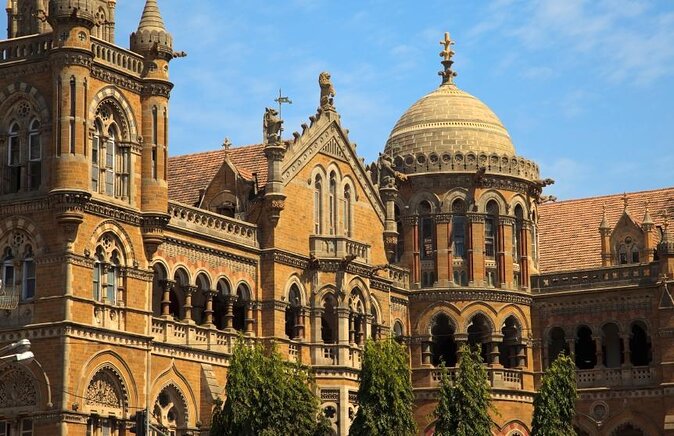
- 15+ tastings in about 10 stops with constant variety from chaat to curries to sweets
- Small group (up to 8), which makes it easier to ask questions and move at a human pace
- A short local train ride on Mumbai’s commuter line, adding real city energy to the food crawl
- Parsi community stops and classic favorites you usually only hear about after you’re already in Mumbai
- Charcoal-cooked papad and chutney-spiked snacks that taste different when you see how they’re made
Starting at Chaayos Cafe in Churchgate: getting your bearings
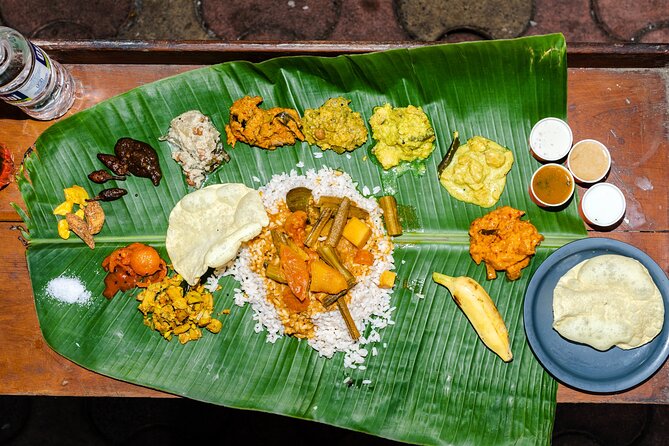
The tour begins at Chaayos Cafe at Churchgate, right by Churchgate train station. This is a good choice because it puts you in the thick of the city’s rhythm from the first minute. You’re not waiting around in a hotel lobby, and you’re not starting in some random suburb. You start where people actually commute and snack.
From there, your guide sets the tone fast: what you’re about to eat, where it fits into local food culture, and what to watch for—texture, spice level, and how chutneys change everything. Several guides have been praised for explaining not only the food, but the why behind it. Guides like Ronnie and Pooja are specifically called out for connecting bites to the history and preparation style you can taste right away.
Practical tip: arrive hungry, but also arrive hydrated. You get bottled water, yet it’s still Mumbai in the afternoon sun and street air.
You can also read our reviews of more food & drink experiences in Mumbai



10-minute commuter train ride: a snack crawl with real Mumbai motion
One of the most fun parts is the short ride on Mumbai’s local commuter train. You don’t sit in a vehicle with other tourists. You step into the flow of the city—open-door style—where people are coming and going with no performance, just normal life.
The trains run frequently (every 5 minutes), so you’re not stuck waiting long. You’ll hop off at Marine Lines, which puts you close to the next food focus without turning the day into pure transit.
Value-wise, this is more than a novelty photo stop. The train ride helps you understand Mumbai as a city of movement. Food choices here aren’t separate from daily schedules. They’re woven into how people travel, how they meet, and where they stop for something crunchy and spicy between errands.
If you’re sensitive to crowds or sudden movement, keep that in mind. The train experience is short, but it is still public transport in peak city mode.
Marine Lines street chaat and the Parsi flavor link
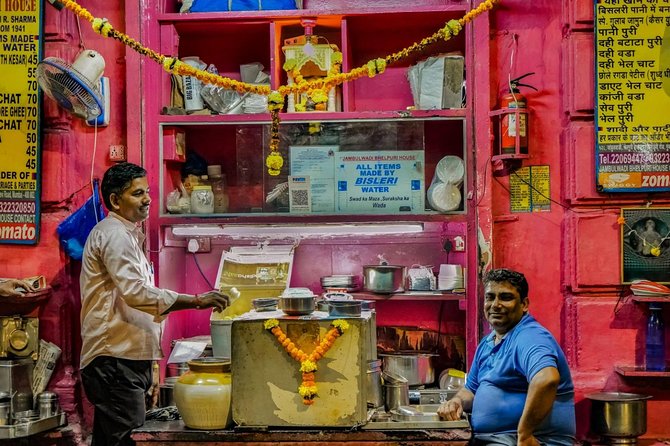
After you get off at Marine Lines, the tour pushes you into chaat vendor territory—the kind of place where food is built in layers: crisp base, tangy chutney, a sprinkle of spice, and usually something cooling on top. This is where chaat stops being just a description and turns into a system you can taste.
Then comes the most distinctive cultural thread: a visit connected to one of the last remaining Parsi communities. Parsi food has a reputation for bringing together local Indian tastes with Persian-influenced ideas, and you’ll feel it in the balance of richness and spice. The point isn’t only to eat. It’s to see how minority communities shape what a city calls its own.
This part of the tour is also where the guide matters a lot. In past experiences like this, the best moments are when the guide helps you notice what you’d normally steam past—why certain ingredients show up together, and why a place still survives even when neighborhoods change.
You’ll move fast through multiple counters, so keep your camera pocketed and your attention on what’s in front of you.
Zaveri Bazaar and Khau Galli: papad over charcoal, plus dosa comfort
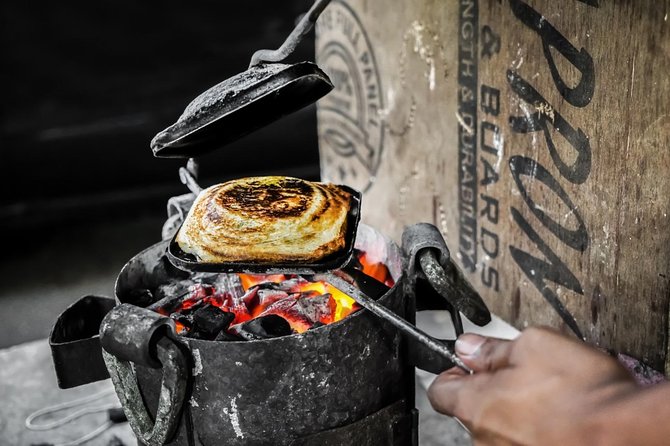
Next, you head toward Zaveri bazaar and specifically the khau galli alleyways. This is classic Mumbai street-food territory. Expect lots of action and lots of smell, and be ready for that hungry-magnet effect.
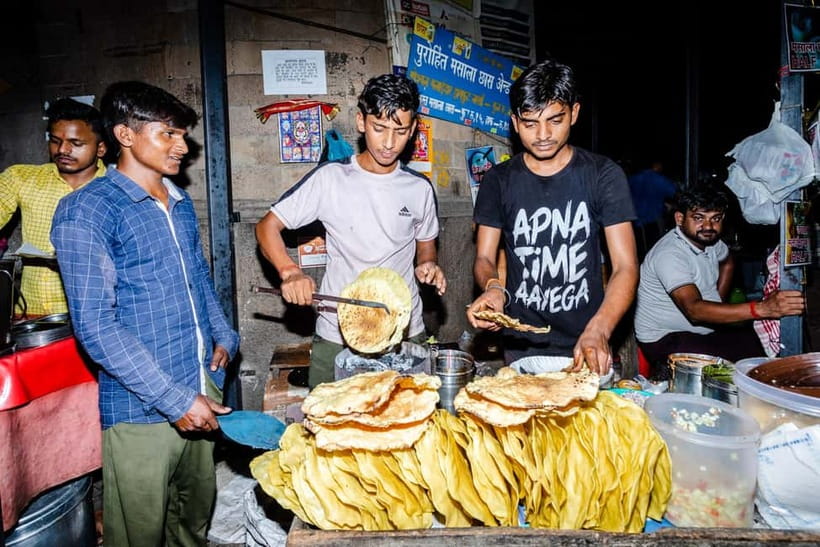
This is also where the tour earns real points for teaching through food technique. You’ll hear how crispy papad can taste dramatically better when cooked over charcoal, not just because it’s fried, but because the heat and timing change how the crisp cracks and how the spices bloom.
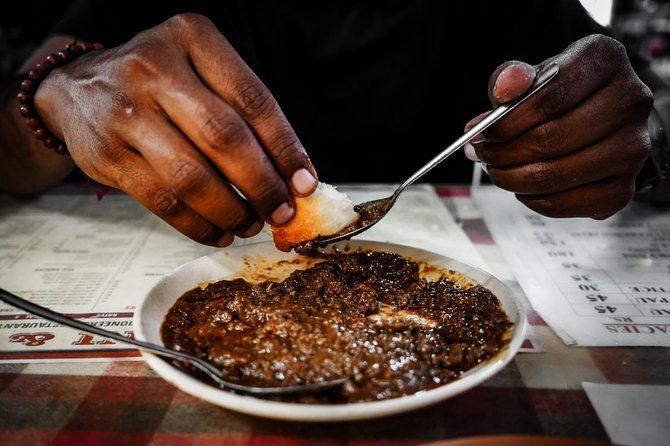
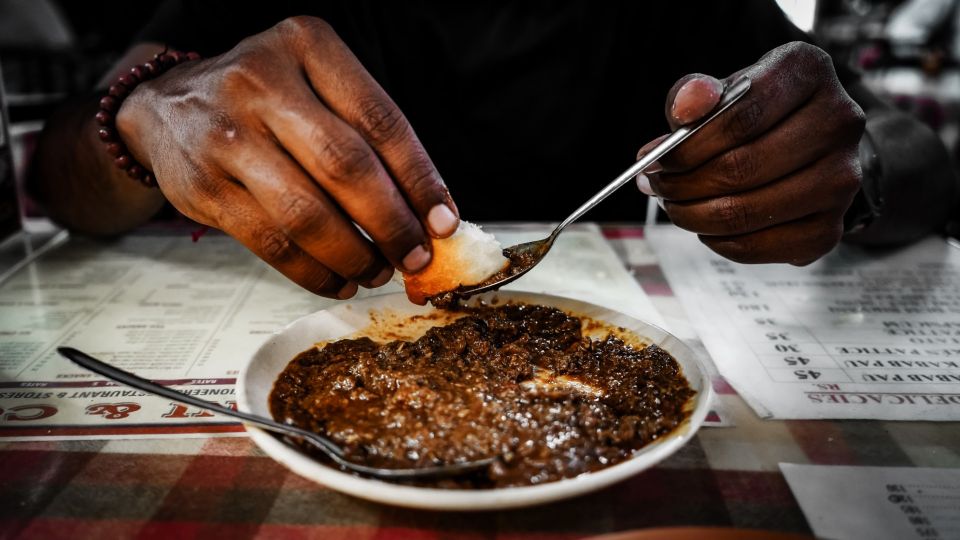
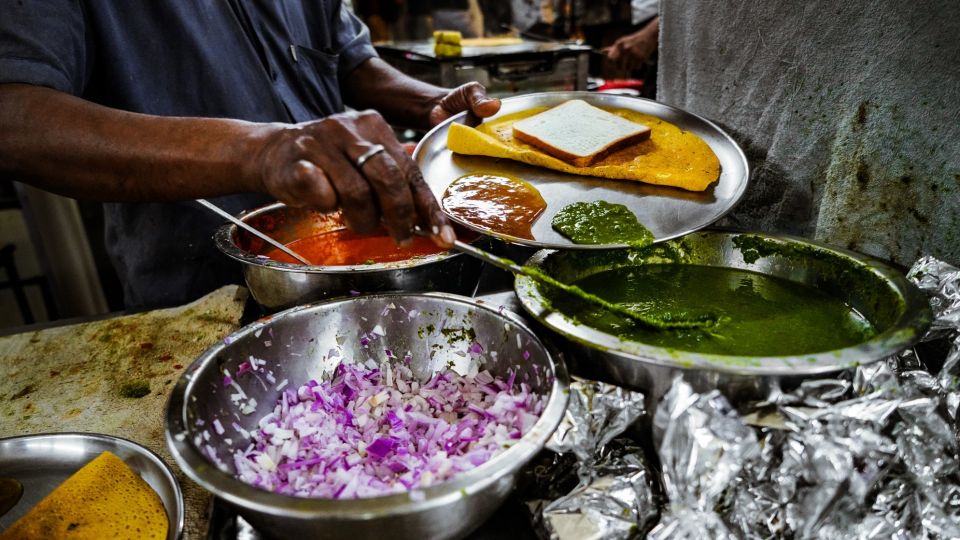
Then the menu leans into comfort-food favorites. You’ll run into things like dosas—including versions described as cheese-dripping—and also buttery-style curries such as aubergine curry. The point here isn’t one perfect dish; it’s the way textures keep switching. Crunch to creamy. Hot to cooling. Tangy chutney to slow-cooked depth.
One review specifically calls out the right pace and the mix of street joints plus some historic-feeling stops. That mix matters because Mumbai street food can be overwhelming at first. You’re not just eating randomly; you’re tasting a curated chain of flavors and learning how each stop supports the next.
A small heads-up: walking is part of this. One past participant estimated about 15,000 steps over the tour. You’ll want comfortable shoes, and you’ll be happiest if you don’t wear anything that pinches after 1.5 hours.
Mangaldas district: everyday life, not a food theme park
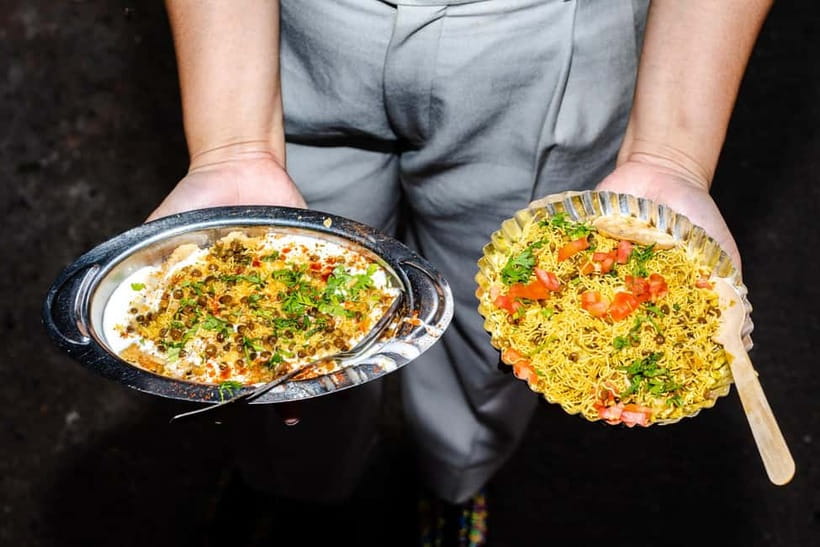
After the big flavor stops, you’ll work your way through Mangaldas, a district that helps you see daily life instead of only food counters. This is an important change of pace. Food tours can turn into a string of stalls with no context, but this one aims to connect what you’re eating to where people live, shop, and gather.
You’ll likely notice the difference in tempo here. It’s less about catching a single famous dish and more about recognizing how food fits into neighborhood rhythms. That makes the whole day feel less like a checklist and more like a real afternoon in Mumbai.
This is also where the guide’s personality comes through. Several guides have been praised for taking questions and answering honestly about culture and city life—not just food.
You can also read our reviews of more tours and experiences in Mumbai


Desserts and paan: the finish that sticks in your memory
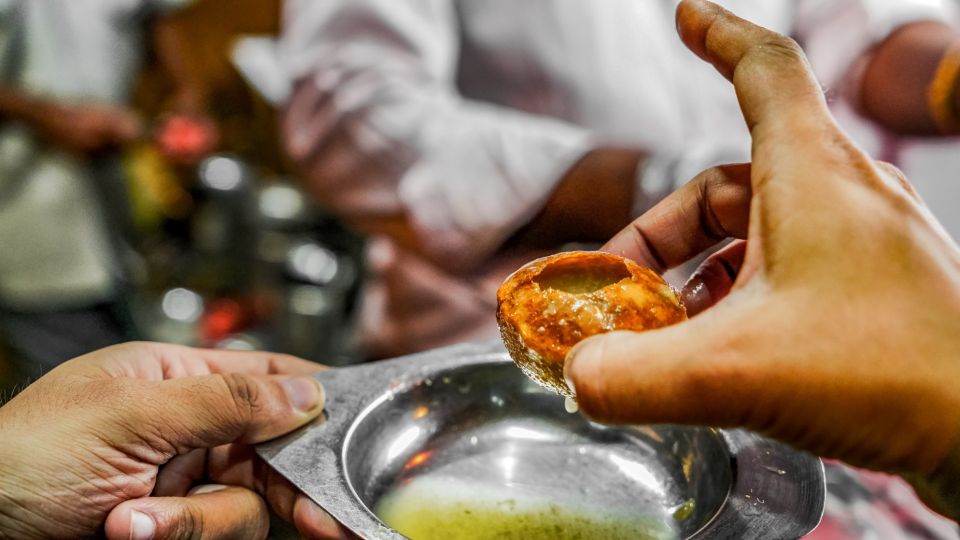
No matter how full you get, you’ll want to save room for the tour’s ending sweets. Mumbai desserts can be heavy in the best way, and this tour includes the kind that feels like a final signature—especially the paan stand visit.
You’ll try betel leaves wrapped with dried fruits, nuts, and syrups. It’s sweet, spicy, and aromatic, with a finish that feels like it lasts longer than you expect. It’s not everyone’s taste on the first try, but that’s exactly why it’s a smart inclusion. This is one of those local experiences that you won’t recreate at home with the same impact.
The tour ends opposite Shree Mumbadevi Temple, and your guide helps you figure out your taxi option. Uber is recommended in India, so plan to use your app once you’re done.
Price and value: $45 for 4 hours and 15+ tastings
At $45 per person for a 4-hour small-group tour, the value is strong because the cost is doing multiple jobs at once:
- All food and drink tastings are included, so you aren’t guessing what each stop will charge
- Train tickets and entrance fees are covered, which removes one more layer of logistics
- You get an expert foodie guide who directs you to places you’d be unlikely to find alone
- Group size is capped at 8, which makes the whole flow feel manageable
The tradeoff is that the schedule is tight. This isn’t slow wandering with one big meal. It’s a paced sampler, and the math only works if you actually eat what’s offered and keep walking.
Also, alcohol isn’t included. If you want beer or cocktails with dinner, you’ll need to plan that separately.
Vegetarian and pescatarian friendliness is specifically noted. Still, the tour description includes at least one meat item (like mutton kheema). If you’re vegetarian, treat that as a cue to tell your guide clearly at the start. A good guide will steer you toward what you can eat safely and confidently.
Pace, comfort, and who should choose this
This tour is best if you:
- Love street food style flavors, especially chaat, papad, and snacky bites
- Enjoy being walked through food with explanations tied to how it’s made
- Want a Mumbai snapshot that includes train life, markets, and neighborhood streets
- Can handle about 4 hours of movement
It’s not the right fit if you:
- Need mobility accommodations (it’s not suitable for people with mobility impairments)
- Are pregnant (also listed as not suitable)
- Prefer mostly meat-heavy menus (some people have suggested adding more meat dishes)
A smart strategy: treat this like a meal-planning day. Skip lunch. One participant noted the abundance felt like you’d struggle to finish, and the pace supports that. If you eat a full lunch beforehand, you’ll start falling behind the group and missing the last stops.
Finally, keep an umbrella handy. Rain can pop up fast, and the itinerary involves outside walking.
Should you book Bombay Express Mumbai Food Tour?
Yes, I’d book it if you want a practical, full-belly introduction to Mumbai’s snack culture with a local train ride and real neighborhood context. The strongest reason to choose it is the amount of food variety packed into a short time—15+ tastings plus a mix of street and more established spots, all guided by people like Ronnie or Pooja who are praised for explaining what you’re tasting.
Skip it if you want a relaxed sit-down dining experience, or if you need a tour built around limited walking. Also, if your diet is very strict, tell the guide early so you get the tastings you actually can eat.
If you’re planning only one food tour in Mumbai, this one is a solid bet because it combines eating with how the city moves—literally—on the rails.