REVIEW · MUMBAI
Mumbai Dharavi Slum Community Tour
Book on GetYourGuide →Operated by Explore Mumbai Tours · Bookable on GetYourGuide
Dharavi teaches more fast than you expect. This 2 to 2.5 hour community walk pairs real local work—from recycling to crafts—with a guide like Ruqaiyya, who’s calm, patient, and great at answering questions. I like how the tour doesn’t treat Dharavi like a spectacle; it treats it like a place where people build livelihoods and communities.
You’ll also like the pace and focus. You’ll move through narrow lanes, see everyday homes (from small rooftop setups to private apartment buildings), and get the story behind what happens in workshops and markets. The other big plus is safety: Ruqaiyya is attentive about crossing the road and keeps the group steady.
The main drawback is simple: expect lots of walking. Narrow paths and street crossings can be tiring, so wear shoes you trust and keep your pace comfortable.
In This Review
- Key things that make this tour worth your time
- Meeting at Third Wave Coffee and getting your footing in Mumbai
- Walking Dharavi’s lanes: homes, markets, and daily rhythm
- Recycling and small-scale manufacturing: how materials turn into livelihoods
- Markets plus workshops: pottery, crafts, and the skill behind the scenes
- Residential areas: rooftop homes to private apartments
- Schools and the education focus: what the future looks like
- Guides make it: Ruqaiyya’s approach and why it matters
- Price and timing: is $9 good value in Mumbai?
- Who should book, and who might prefer something else
- Should you book this Dharavi Slum Community Tour?
- FAQ
- How long is the Mumbai Dharavi Slum Community Tour?
- Where does the tour start and end?
- Is there an English-speaking guide?
- Does the tour include pickup and drop-off?
- What does the tour price include?
- Is there a cancellation option?
Key things that make this tour worth your time
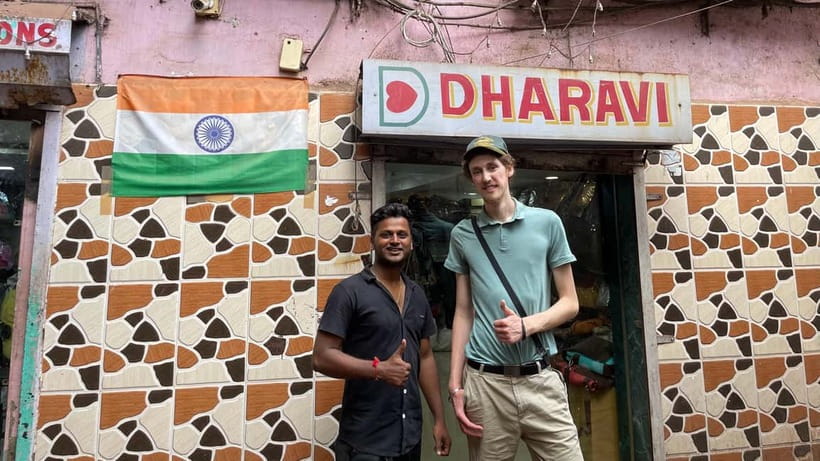
- A guide who welcomes questions, not a script—Ruqaiyya’s approach is patient and encouraging
- Street-level industries you can actually see, from recycling inputs to garment and leather work
- Homes and daily life on the route, including rooftop houses and private apartments
- Workshops with hands-on skill, including pottery where craft details matter
- School time is part of the story, with visits that connect education to future opportunities
Meeting at Third Wave Coffee and getting your footing in Mumbai
Most tours start at Third Wave Coffee, with pickup and drop-off options also tied to Third Wave Coffee. That’s a nice setup in a city where meeting points can get complicated. If you choose the pickup option, you’ll get a comfortable car ride plus complimentary water bottles, which helps you arrive settled and ready to walk.
For a tour that’s only 2 to 2.5 hours long, the first few minutes matter. You don’t want to burn time searching for where to start or waiting around. A clear meeting point helps you spend your energy on the actual neighborhood experience.
You’ll also be with a small group. Even without a specific headcount listed, “small group” usually means less crowding at key moments and more time for your guide to slow down when questions come up.
You can also read our reviews of more tours and experiences in Mumbai.

Walking Dharavi’s lanes: homes, markets, and daily rhythm
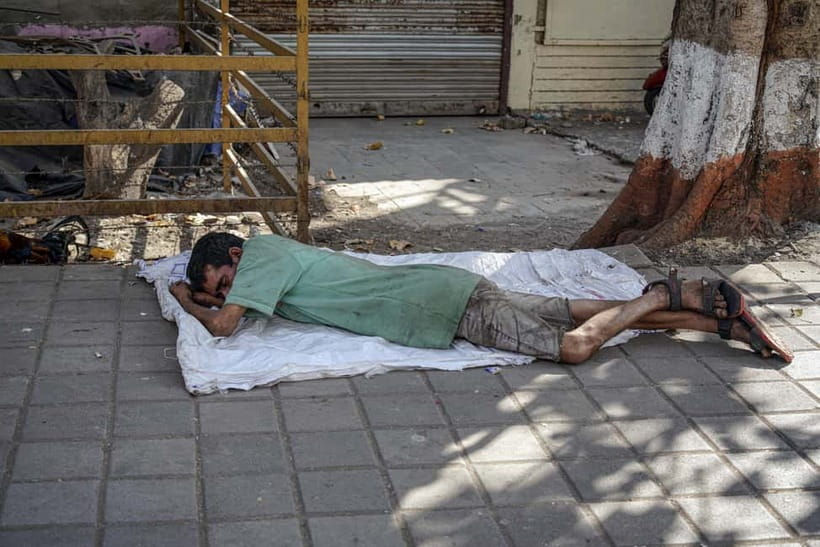
The core of this experience is a guided walk through Dharavi’s narrow streets and alleys. This is where you get your first real sense of scale: not a diagram, not a distant view—just life happening close up. You’ll likely notice how households and work spaces share the same streetscape, and how people move through the day with purpose.
One part I value is the balance between public spaces and private ones. You’ll see residential areas and get a look at how families make the most of limited space. The tour description points to a mix that includes small rooftop houses as well as private apartment buildings. That combination matters, because it’s a reminder that Dharavi isn’t one uniform “type” of housing—it’s evolving and layered.
Then there are the markets and workshops. These aren’t just photo stops. The tour includes street markets selling things like fresh produce and handmade goods, so you can connect the everyday economy to what you see later in the industries. Market life also helps you understand why workshops exist nearby: people buy locally, work locally, and rely on fast, practical supply chains.
Practical tip: if you’re the type who likes to watch people, you’ll have a good time here. But keep your attention on your guide’s context, not only on what you see. Otherwise you can end up with lots of visuals and fewer takeaways.
Recycling and small-scale manufacturing: how materials turn into livelihoods
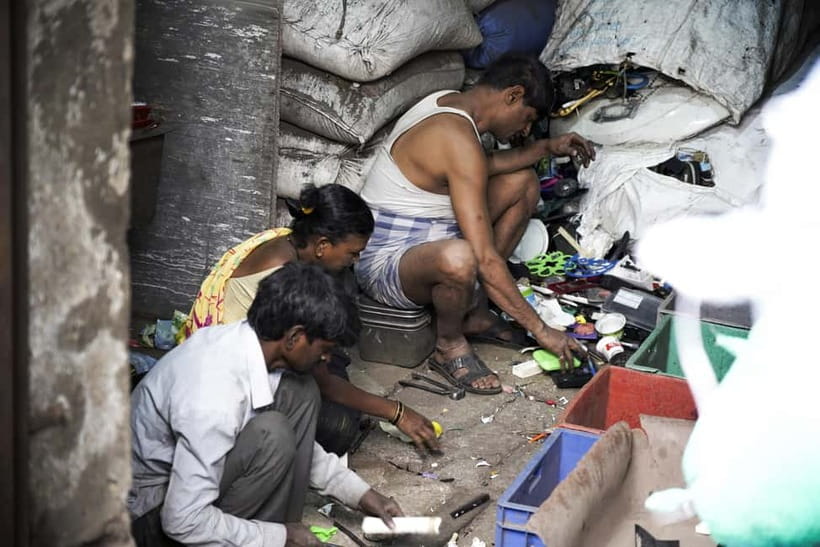
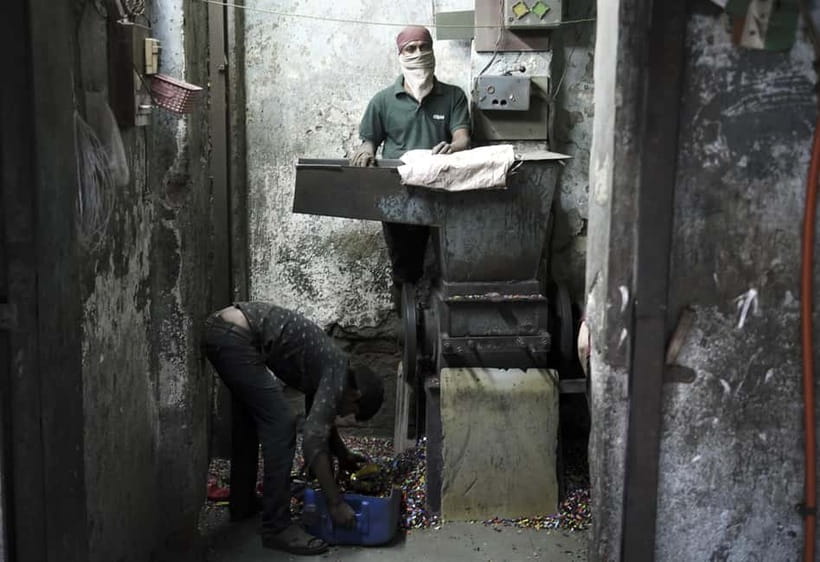
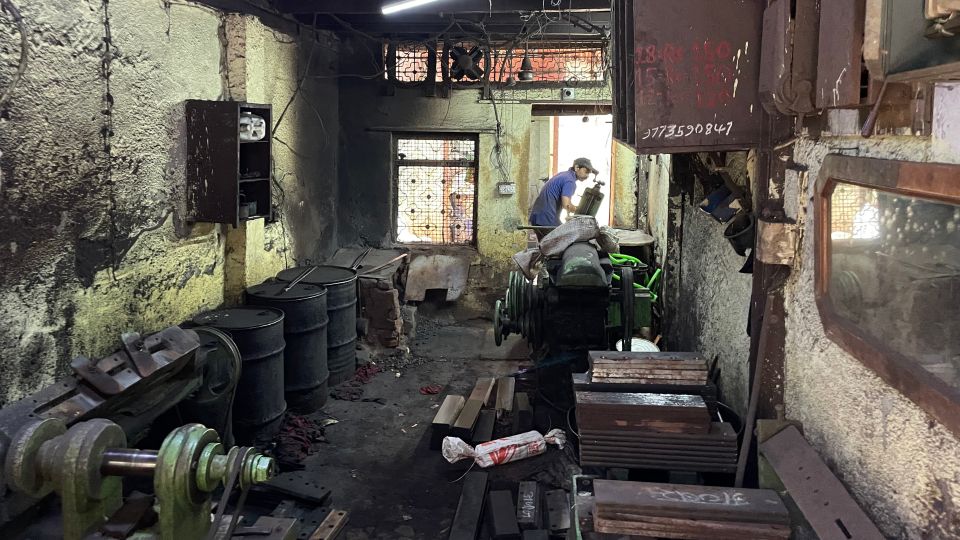
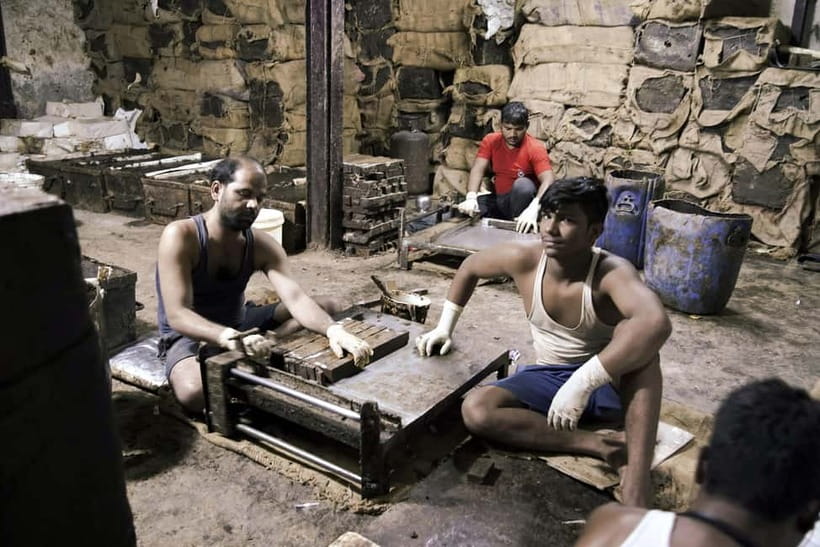
Dharavi’s economy is one of the biggest reasons this tour stays interesting the whole way. The route includes visits to industries that handle recycling—plastic, aluminum, and cardboard. It’s the kind of work that’s hard to picture unless you see it connected to real steps and real outputs.
On this tour you’re not just told that recycling happens. You’re guided through what it means in practice: materials move, get sorted, processed, and transformed into inputs for other uses. You start seeing the logic behind the “systems” of Dharavi—systems created by people who have to make do, but also people who innovate.
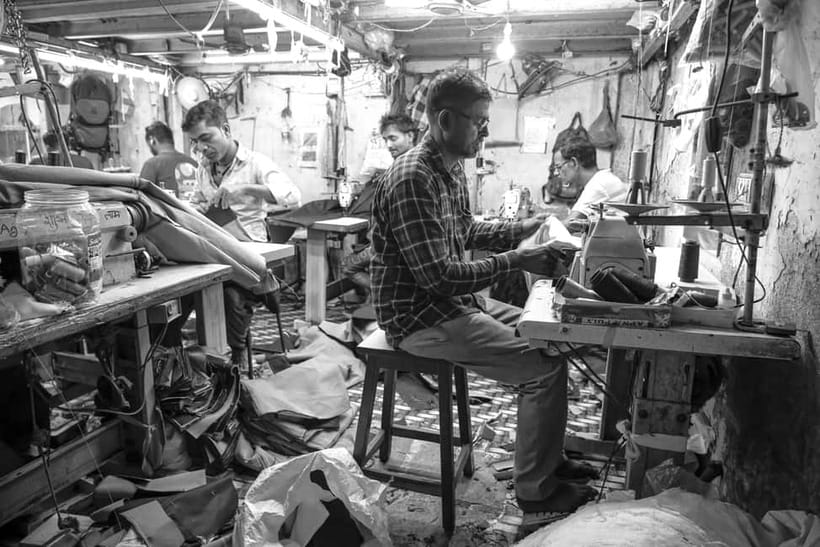
The tour also covers small-scale garment and leather manufacturing units. That’s useful because it shows how different kinds of work can sit side by side. Recycling is one track; textiles and leather are another. Together, they give you a clearer picture of how Dharavi supports multiple types of skills and income streams in the same place.
If you care about entrepreneurship—how people create livelihoods without waiting for big institutions—this part will likely land for you. It reframes the conversation from need alone to creativity, problem-solving, and business know-how.
Markets plus workshops: pottery, crafts, and the skill behind the scenes
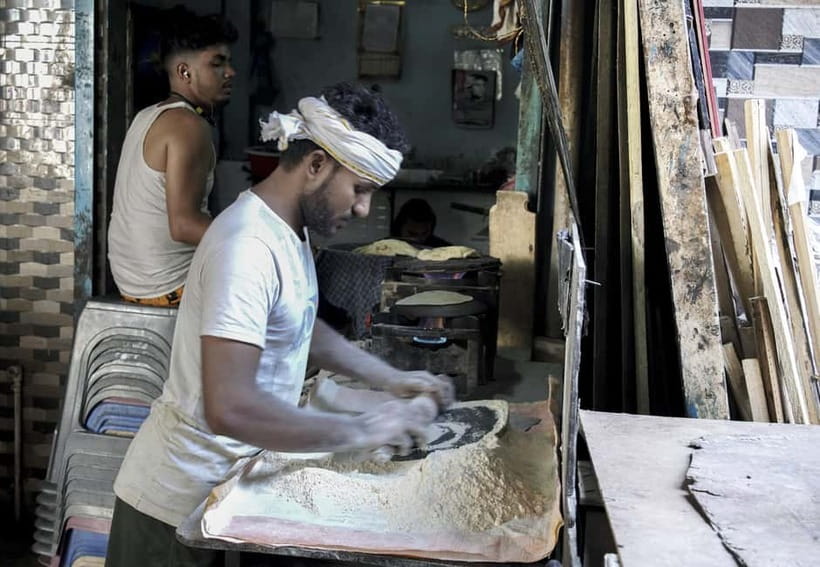
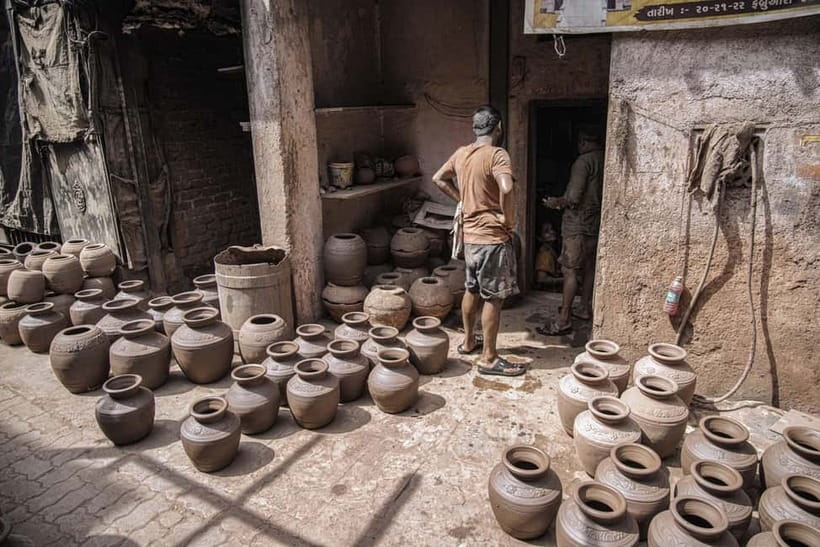
Markets are part of your sensory introduction, but workshops are where you get meaning. The tour includes visits to pottery workshops where artisans craft intricate designs. That’s a good choice because pottery involves visible steps: shaping, forming, and finishing. Even without technical details, you can tell that skill and patience are the point.
The workshop component also connects back to what you saw in markets. Handmade goods don’t appear out of nowhere. They come from a process, from raw materials and tools, from people who know how to keep quality consistent. Watching how the work happens can help you understand why some items feel special even when they’re sold in everyday street settings.
This is also where your guide’s explanations matter. A good guide helps you notice what your eye might skip: why certain tasks get done in a certain order, what materials look like before processing, or how craftsmanship gets tied to demand. The tour information emphasizes commentary throughout, and the reviews back that up by highlighting context you can’t easily find on a search page.
Residential areas: rooftop homes to private apartments
The home portion of the tour is short but important. It helps you see Dharavi as a living community, not only as an industrial zone. You’ll move through residential areas where families use limited space with creativity. The details in the tour description point to small rooftop houses and private apartment buildings, which gives you a more complete snapshot.
This part can feel emotionally heavy if you’re not used to seeing uneven living conditions. I’d treat this section with extra patience. Don’t rush it. Look at how people organize space, and listen to what your guide explains about daily routines.
There’s also a benefit for the curious traveler: you start understanding why the industries and markets work the way they do. When work happens close to home, the community becomes tightly connected. That’s not a theory. You can feel it in how the walking route flows from shops to workshops to housing.




Schools and the education focus: what the future looks like
Another stop includes local schools, with a chance to interact with students and hear about the importance of education for shaping future opportunities. This is the piece that gives the tour more than present-day observation.
Education is often mentioned in big, abstract ways in travel writing. Here it’s part of your route, which makes it more personal. You don’t have to pretend you understand everything about a complex system to recognize the significance of schooling in a community’s long-term direction.
If you’re traveling with teens or you’re the type who wants your trip to leave you thinking, this school segment can stick with you. It adds a “tomorrow” element to a place where you’ll also see how people handle today.
Practical note: interaction is part of the experience, so keep your tone respectful and simple. If you’re unsure what to ask, let your guide handle introductions and translations.
Guides make it: Ruqaiyya’s approach and why it matters
The reviews highlight one guide in particular: Ruqaiyya. She’s described as kind and patient, with a lot of information about what’s going on in the neighborhood, and she’s encouraging when it comes to questions. That combination is rare in small tours with tight schedules.
Here’s why it matters for you: a Dharavi tour can go two directions. One direction is “check-the-box street viewing.” The other direction is “understanding.” Ruqaiyya’s style—patient, question-friendly, and grounded in real neighborhood context—pushes it toward understanding.
Safety is also part of her strengths. One review notes that she took great care of the group when crossing the road, always keeping them safe. Even if you’re comfortable on foot, street traffic can be unpredictable. Having a guide who pays close attention reduces stress, so you can focus on the experience.
If you care about learning beyond what’s visible, choose this tour specifically for the guide-led commentary. The experience is only 2 to 2.5 hours, so you’ll want someone who makes every minute count.
Price and timing: is $9 good value in Mumbai?
At $9 per person for a 2 to 2.5 hour guided walk, this is priced in the “few hours, meaningful content” category. The key question isn’t just the cost—it’s what you get for it.
You get:
- A guided exploration led by local expert guides (English)
- Visits that cover markets, workshops, residential areas, and schools
- Small group format for a more personal feel
- Entrance fees included
- If you book pickup/drop-off, a car ride plus complimentary water bottles
Entrance fees included is a big part of value. Many city tours look cheap until you add what you actually pay on the day. Here, the price explicitly covers entrance costs, so you can plan without surprises.
Also, the schedule is short. In a city like Mumbai, time is money. If you want one focused neighborhood experience without committing most of a day, this duration is practical.
One more value point: English-speaking live guide. If you don’t read Hindi or Marathi, language can turn “seeing” into “missing.” A live guide keeps you anchored to what you’re looking at.
Who should book, and who might prefer something else
This tour suits you if:
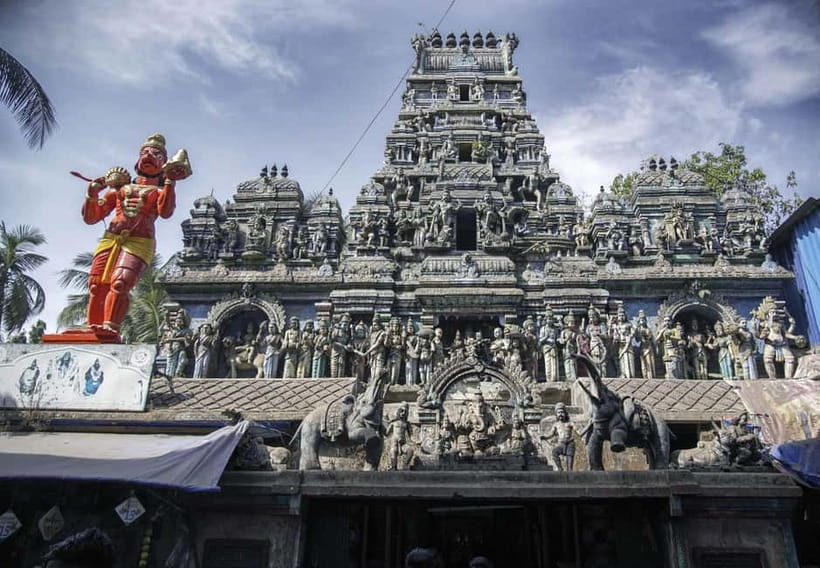
- You want an authentic look at Mumbai’s largest slum community, including work and daily life
- You like guided context more than self-guided wandering
- You’re interested in how recycling and small manufacturing connect to community survival and creativity
- You want a small group experience where questions are welcome
It might not be the best match if:
- You have limited stamina for walking about 2 hours through narrow streets
- You’re hoping for a relaxed sightseeing style with lots of open space
- You prefer tours that stay mostly indoors or avoid emotional topics
In other words: it’s not a theme park. It’s a real neighborhood tour with real human stakes.
Should you book this Dharavi Slum Community Tour?
I’d book it if you’re looking for a short, guided, English-language neighborhood walk that connects industries, homes, and education into one coherent route. The strongest reason to choose it is the guide quality—Ruqaiyya’s patience, kindness, and focus on questions—plus the safety attention during street crossings.
If $9 is within your travel budget, this is a low-risk way to get more understanding out of your time in Mumbai than you’d get from casual sightseeing. Just go with the right mindset: comfortable shoes, respectful curiosity, and willingness to listen.
If you want one Dharavi experience that’s structured, guided, and human, this is a solid pick.
FAQ
How long is the Mumbai Dharavi Slum Community Tour?
The tour lasts about 2 to 2.5 hours.
Where does the tour start and end?
Meeting point and drop-off locations vary by the option booked, with Third Wave Coffee listed as both a starting location option and a drop-off location option.
Is there an English-speaking guide?
Yes, you’ll have a live tour guide who speaks English.
Does the tour include pickup and drop-off?
Pickup and drop-off are available depending on the option you book, and that option includes a car ride plus complimentary water bottles.
What does the tour price include?
The price includes a guided exploration, entrance fees, and interactions along the route. Small group sizes are also part of the experience.
Is there a cancellation option?
Yes. Free cancellation is available up to 24 hours in advance for a full refund.