REVIEW · MUMBAI
Mumbai by Dawn: Explore Markets, Docks, and Daily Life
Book on Viator →Operated by Linda Tours Mumbai · Bookable on Viator
Dawn in Mumbai hits different. I like how this early route turns Chhatrapati Shivaji Maharaj Terminus into a living commuter landmark and brings you to Sassoon Dock for a front-row view of fish work before the city fully cranks up. You’re not just looking at places; you’re seeing routines—how people buy, sell, wash, and move—while the light is still soft.
I also love the market focus on Dadar Fruit and Vegetable Market and Dadar Flower Market, where you’ll notice the everyday details: the seasonal produce, the flower stalls, and the fast conversations between sellers and buyers. One thing to plan for: it’s a morning schedule with short stops, so you’ll do a fair amount of standing and walking—save your fancy shoes for later and bring a simple layer system.
In This Review
- Key highlights you won’t want to miss
- Why This Mumbai Dawn Route Works So Well
- Getting Started at Regal Cinema, Colaba Causeway
- CSMT at Morning: The Station That Runs on Time
- Sassoon Dock Road: Seeing Koli Fisherfolk Work Up Close
- Dadar Fruit and Vegetable Market: Seasonal Produce in Plain Sight
- Dadar Flower Market: Color, Scent, and Seller Chatter
- Dhobi Ghat: The Open-Air Laundry That Powers On
- Pace, Pickup, and How Your Driver Helps You Win the Morning
- Price and Value: What You’re Really Paying For ($33.34)
- Practical Tips for a Dawn Market Day
- Who Should Book This Tour (And Who Might Skip It)
- Should You Book Mumbai by Dawn?
- FAQ
- How long is the Mumbai by Dawn tour?
- Where is the meeting point and where does the tour end?
- Is pickup available?
- Is this tour private?
- Are admission tickets included for the stops?
- What is the cancellation policy?
Key highlights you won’t want to miss
- CSMT at commuter pace: a dramatic station experience with roughly 660,000 daily commuters keeping it real
- Sassoon Dock fish work: see the arrival and grading of over 50 tonnes of fresh catch
- Koli fisherfolk context: learn how Mumbai’s earliest fishing community shaped the area’s culture
- Dadar markets in one sweep: fruit and veg first, then flowers, with seasonal variety on display
- Dhobi Ghat laundry in the open air: watch garment washing and drying at the city’s huge public laundry
Why This Mumbai Dawn Route Works So Well
Mumbai at dawn isn’t just about cooler temperatures. It’s about access to real daily labor—before traffic, before most crowds, and before the city turns into a full-on shouting match.
This tour runs about 3 hours 30 minutes, with timed stops built around five locations: CSMT, Sassoon Dock Road, Dadar Fruit and Vegetable Market, Dadar Flower Market, and Dhobi Ghat. That structure matters. You get enough time at each place to understand what you’re seeing, but you’re not stuck in one location for hours.
And you get group logistics that help you stay in motion. Pickup is offered, and the tour returns to the meeting point. Add in the fact that it’s private (just your group), and you can move at a pace that actually fits your questions.
You can also read our reviews of more tours and experiences in Mumbai.



Getting Started at Regal Cinema, Colaba Causeway
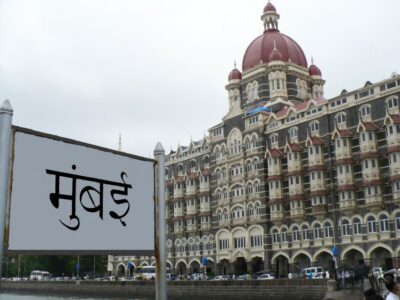
Your meeting point is Regal Cinema, Colaba Causeway, opposite Chhatrapati Shivaji Maharaj Vastu Sangrahalaya, near Apollo Bandar in Colaba. That’s convenient if you’re already planning to be in this Colaba area early.
Why I like this start: you begin near major sights and public-transport connections, so you’re less dependent on a single taxi ride to get going. The tour also states it’s near public transportation, which usually translates to easier return plans if you want to keep exploring after the tour ends.
You’ll finish back at the same meeting point. That means you don’t have to reverse-engineer your way across town when you’re tired and hungry.
CSMT at Morning: The Station That Runs on Time
Stop one is Chhatrapati Shivaji Maharaj Terminus (CSMT), formerly known as Victoria Terminus. This station isn’t a quiet monument. It’s a working terminal that welcomes about 660,000 commuters daily, so you’ll see architecture plus movement in the same frame.
The time here is about 20 minutes, and admission is included. That’s a smart setup because CSMT can be a visual overload if you arrive without context. A guide helps you notice what matters: the design details, the scale, and how a station like this becomes part of people’s daily rhythm.
What to watch for:
- How commuters flow through entrances and platforms
- The way the building’s grandeur contrasts with routine hustle
- Any station areas you can access during that time window
The main consideration? CSMT is active. Even at dawn, it’s a train station, so keep your phone secure, and keep your bag closed. This is not the stop for slow, photo-by-photo wandering.
Sassoon Dock Road: Seeing Koli Fisherfolk Work Up Close
Next is Sassoon Dock Road, where the focus shifts from trains to sea food supply. Here’s where the tour gets practical and hands-on.
You learn about the Koli fisherfolk, described as original inhabitants of Mumbai, and then you watch the dock operations tied to fish. The tour specifically highlights the arrival and grading of over 50 tonnes of fresh catch. That scale is hard to imagine until you see the flow of work.
This stop is about 30 minutes, and importantly, it’s ticket-free. That’s a nice value detail because it keeps more of your time spent on observation, not on paying for additional entry.
What you’ll likely notice fast:
- How quickly the catch moves from arrival to sorting
- The division of tasks around grading and handling
- The dock’s working energy compared to the calmer market sections
One thing to be respectful here: docks and fish markets are work areas. You’ll want to watch, not interfere. If you’re taking photos, keep it quick and avoid getting in the way of workers.
Dadar Fruit and Vegetable Market: Seasonal Produce in Plain Sight
Then the tour moves to Dadar Fruit and Vegetable Market. This is the stop where Mumbai’s daily commerce becomes visible at human scale. It’s not just a place to buy fruit; it’s a live supply system.
The tour duration is around 25 minutes, and admission is included for this stop. Expect stalls packed with seasonal produce, and examples called out include items like eggplants and okra. The point isn’t to identify every veggie—it’s to understand the pace and variety of what people are choosing for meals that day.
What makes this stop valuable:
- You see how markets shape what ends up on local plates
- You get a feel for seasonal availability (and why it matters)
- You can practice reading signage and labels just by watching the flow
Potential drawback? Markets can be crowded and a bit loud as the morning sale rhythm sets in. If you’re sensitive to noise or tight spaces, keep your plan simple: stick to the guide’s pace and don’t get tempted to wander off for long.



Dadar Flower Market: Color, Scent, and Seller Chatter
After produce, the tour swings into flowers at Flower Market Dadar. This stop runs about 25 minutes with admission included.
This is where you’ll feel the contrast between day-to-day food buying and the sensory side of local life. Flowers bring scent, color, and a different type of buyer energy. The tour highlights familiar blooms like marigolds and also mentions orchids.
Why I think this stop is worth it:
- You’ll understand flowers as a daily economy, not just an occasional purchase
- You get a break from the heaviness of fish and laundry topics
- The colors and textures make for easy, quick photos
If you have allergies or strong sensitivities, this is the one stop where you might want to pay attention—flowers smell, and the air can get strong in dense market aisles.
Dhobi Ghat: The Open-Air Laundry That Powers On
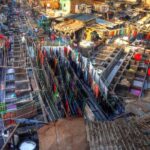
The final stop is Dhobi Ghat, the world’s largest open-air laundry, where thousands of garments are washed and dried. The time here is about 20 minutes, with admission included.
This part of Mumbai can feel emotional in a quiet way. You’re looking at labor that keeps the city moving, day after day. The tour notes that you’ll see skilled laundry workers, called dhobis, in action. It’s not staged. It’s daily work done in public view.
What to do in that time:
- Watch the sequence of washing and drying steps
- Look at how garments move through the process
- Take in the scale—thousands of pieces—without turning it into a spectacle
Practical consideration: this isn’t a hands-on stop. You’ll likely be standing at viewing points while activity happens around you. Wear shoes that handle uneven ground, and keep your distance where workers are active.
Pace, Pickup, and How Your Driver Helps You Win the Morning
One of the best details from the experience is the teamwork behind the scenes. In at least one set of experiences, the driver Arjun is described as friendly and helpful in covering a lot of ground across the city. That matters because dawn time is short time.
You’ll also want to recognize the value of a guide who can adjust based on what you’re noticing. One guide mentioned in the experience is Shruti, described as kind and attentive. When a guide is quick to answer questions and keep you on track, the tour feels smooth instead of rushed.
Here’s what you should expect from the pacing:
- Short, specific stop times
- Focused explanations tied to what you’re seeing right now
- A tight route across neighborhoods so you don’t waste the morning in transit
Your job as the visitor: keep moving with the group, and have your questions ready. This is the kind of tour where the answers are part of the fun.
Price and Value: What You’re Really Paying For ($33.34)
The price is about $33.34 per person for roughly 3.5 hours. That can look either low or high, depending on what’s included.
Here’s the value logic I see:
- Pickup offered means less stress getting started
- It’s a private group, so you’re not stuck managing a large crowd
- Admission is included for most of the major stops (CSMT, Dadar fruit and veg, Dadar flowers, and Dhobi Ghat)
- Only the dock stop is explicitly listed as ticket-free
- You also get a mobile ticket, which usually means less hassle on the ground
There’s also mention of group discounts. So if you’re booking with friends, your per-person value can improve.
The only real cost “catch” is mental, not financial: because stops are short, you may want to be selective about what you linger on. If you’re the kind of person who wants to spend 45 minutes in every aisle, this may feel like a sprint.
Practical Tips for a Dawn Market Day
This is one of those tours where small choices make the morning easier.
- Bring a small bottle of water. Even for 3.5 hours, market time adds up.
- Dress in layers. Dawn can feel cool, then warm up fast as people and engines show up.
- Wear comfortable shoes. You’ll be standing and walking in active areas.
- Don’t block people doing work. Fish docks and laundries are labor zones.
- If you’re into photos, keep it quick and respect boundaries. The best shots usually come from watching patterns first.
If you want to extend your day afterward, plan a relaxed breakfast nearby after the tour ends back at the meeting point. You’ll have earned it.
Who Should Book This Tour (And Who Might Skip It)
This tour fits best if:
- You want first-hand views of Mumbai’s everyday economy: docks, produce, flowers, and laundry
- You like morning light and hate wasting daylight in traffic
- You want a route that connects multiple neighborhoods without you building the plan yourself
You might skip it if:
- You can’t handle active public spaces with lots of standing
- You want a long sit-down museum-style experience instead of fast on-the-ground viewing
- Your schedule can’t handle a dawn start
Should You Book Mumbai by Dawn?
If your goal is to understand how Mumbai functions at ground level, I’d say yes. The route is tight, time-efficient, and anchored by stops that explain daily life: commuter architecture at CSMT, fish grading at Sassoon Dock, produce and flowers in Dadar, and the open-air laundry at Dhobi Ghat.
Also, the included admissions for most stops help keep the experience simple. And because it’s a private group, you’re less likely to feel squeezed by strangers.
If you’re on the fence, think about this: you’re paying for a guided morning that strings together five different kinds of local work. If that sounds like your kind of travel, book it. If you’d rather take your time and roam freely without a set route, you might prefer a self-guided market morning instead.
FAQ
How long is the Mumbai by Dawn tour?
It’s approximately 3 hours 30 minutes.
Where is the meeting point and where does the tour end?
The meeting point is Regal Cinema, Colaba Causeway, opposite Chhatrapati Shivaji Maharaj Vastu Sangrahalaya, Apollo Bandar, Colaba. The tour ends back at the meeting point.
Is pickup available?
Yes, pickup is offered.
Is this tour private?
Yes. Only your group will participate, so it’s a private tour/activity.
Are admission tickets included for the stops?
Admission is included for CSMT (GPO), Dadar Fruit and Vegetable Market, Flower Market Dadar, and Dhobi Ghat. Sassoon Dock Road is listed as ticket-free.
What is the cancellation policy?
You can cancel for a full refund up to 24 hours before the experience starts. Free cancellation is available, and timing is based on the experience’s local time.