REVIEW · MUMBAI
Mumbai: Dharavi Slum and Dhobi Ghat Tour with Train Ride
Book on GetYourGuide →Operated by Tours By Walk · Bookable on GetYourGuide
Mumbai’s laundry and slum life meet on one walk. You’ll pair Dhobi Ghat (Asia’s largest open-air laundry) with a Mumbai local train ride, so you get both the day-to-day “work” side of the city and the neighborhoods that make it run. I also like that the tour includes a guided wander through Dharavi’s alleyways with stories of resilience and local business. One consideration: you’ll be walking and the route is close quarters, and the tour doesn’t allow short skirts or skirts.
If you care about getting the story from someone who actually knows the area, this is a strong choice. Guides such as Bhaarti, Abhishek, Hardik, and Alkama have been praised for being professional and deeply connected to daily life here. It’s a small group (up to 10) with an English-speaking guide, and that keeps things more human than a big bus crowd.
In This Review
- Key Points You’ll Remember
- Why This Dharavi and Dhobi Ghat Combo Works
- Starting at Third Wave Coffee: A Calm Launch for a Big Experience
- Dharavi for 2 Hours: Alley Life, Work Ethic, and Local Stories
- What feels most meaningful
- Possible drawback to plan for
- The Mumbai Local Train Ride: The City’s Pulse in Real Time
- What to expect on the train
- How to make it easier
- Dhobi Ghat Up Close: Asia’s Largest Open-Air Laundry
- The viewing deck moment
- Getting past the “only photos” problem
- A practical note
- People, Respect, and Questions: How to Get the Most Out of This Tour
- Price and Value: Is $26 Worth It?
- Who This Tour Fits Best (and Who Might Want to Skip It)
- Quick Planning Checklist Before You Go
- Should You Book This Dharavi and Dhobi Ghat Tour?
- FAQ
- How long is the Dharavi and Dhobi Ghat tour?
- How much does it cost?
- Where does the tour start?
- Where does the tour finish?
- What’s included in the price?
- Is there an English-speaking guide?
- How big is the group?
- Are there dress restrictions?
Key Points You’ll Remember

- Dhobi Ghat in action: Watch garments cleaned in a working open-air laundry.
- Viewpoints that make photos worth it: The viewing deck gives a classic wide-angle look down into the process.
- A real Mumbai local train ride: You’ll feel the energy of commuting, including the open-door wind in motion.
- Dharavi on foot: A guided walk through alleys, workplaces, and community life.
- Small group, less chaos: Limited to 10 participants so questions actually get answered.
- Practical inclusions: English guide, train tickets, and bottled mineral water are included.
Why This Dharavi and Dhobi Ghat Combo Works
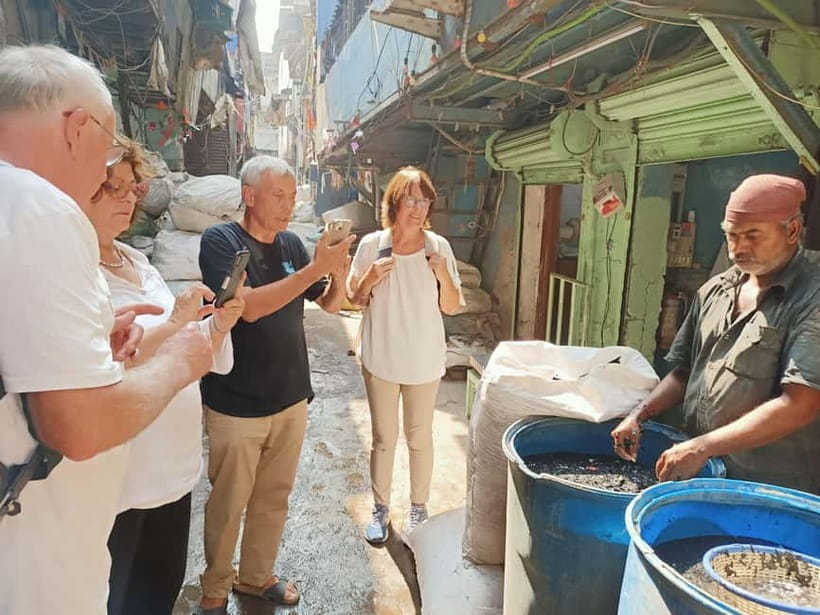
This tour works because it’s built around two different kinds of “systems” that Mumbai runs on.
Dhobi Ghat shows you labor as a visible process. Clothes don’t just get washed and forgotten here. They move through hands, routines, and tools in an open-air setting, so you can’t help but understand the scale of work behind everyday life.
Then the Mumbai local train ride flips the lens to movement. Mumbai doesn’t function like a quiet vacation city. It functions on schedules, crowds, and routes people repeat every day. Even if you’ve never used a local train before, this is the easiest way to experience what commuting feels like—fast, loud, and intensely local.
Finally, Dharavi adds the human layer: the neighborhood where many residents run businesses, support families, and find ways to survive and create opportunity. Put together, you get more than “sights.” You get a sense of how work, transport, and community connect across the city.
You can also read our reviews of more tours and experiences in Mumbai.


Starting at Third Wave Coffee: A Calm Launch for a Big Experience
You’ll meet at Third Wave Coffee. I like meeting at a recognizable place like this because it reduces stress—Mumbai can be busy, and when you’re trying to find a group, clarity matters.
From there, expect a straightforward flow: guide introductions, a bit of orientation, then you’re out into Dhobi Ghat and Dharavi, with the train ride woven in between. Because the overall duration is listed as 3 hours, the pace is “efficient walking,” not an all-day crawl.
What to do before you go:
- Wear comfortable shoes you can handle on uneven, crowded sidewalks and in tight lanes.
- Bring sunglasses or a cap if you’re sensitive to sun and bright sky.
- Plan for close proximity to other people during the rail part and the walks.
Also, double-check your clothing. This tour does not allow short skirts or skirts, so choose breathable pants or long, comfortable bottoms.
Dharavi for 2 Hours: Alley Life, Work Ethic, and Local Stories
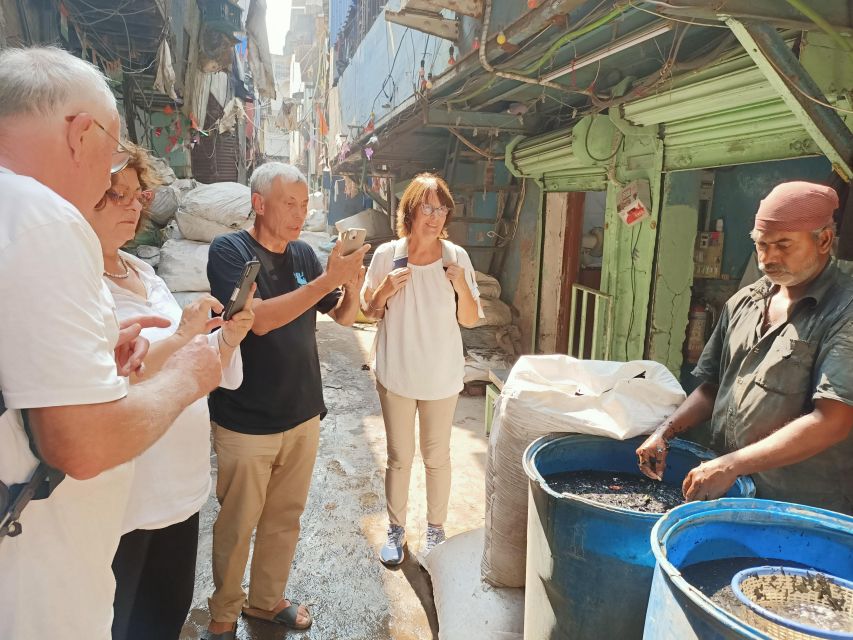
Dharavi is often talked about in one-note terms. This tour does better than that by spending time walking with a guide and swapping simplified headlines for real stories.
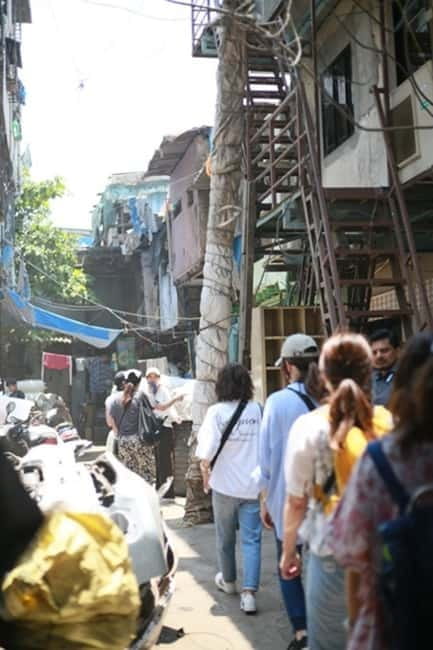
What you’ll do here is a guided visit and sightseeing walk through the neighborhood. The focus is on resilience and community spirit, plus how entrepreneurship shows up in everyday work. You’ll get the kind of context that makes Dharavi feel less like a single image and more like a living place with many different corners and routines.
What feels most meaningful
In this portion, I think the best value is the human scale:
- You’re not just looking from a distance.
- You’re hearing stories about how people organize work and community life under difficult conditions.
- Your guide’s local perspective makes the route make more sense.
Guides have been praised for being able to answer questions and explain what you’re seeing in plain terms. One guide, Bhaarti, has been noted as coming from the slums herself—so that kind of background tends to change the tone from lecture to conversation.
Possible drawback to plan for
Dharavi is not a theme park. It’s active community life. That means the walk can feel intense. If you want a calm, quiet tour, this may not be your best fit. If you want honesty and context, it’s exactly the point.




The Mumbai Local Train Ride: The City’s Pulse in Real Time
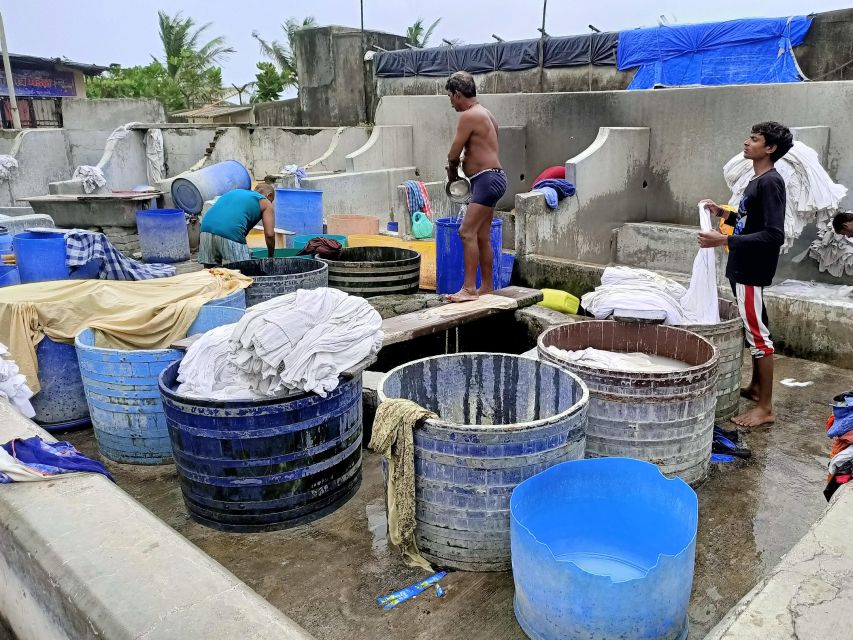
The train segment is one of the reasons this tour earns repeat recommendations. The idea isn’t to “check off” a ride. It’s to use the local train as a moving window into how the city works day after day.
You’ll experience the iconic Mumbai local train ride as part of the schedule, with train tickets included. I love when tours do this the right way—by handling the tickets and timing—so you can focus on the ride instead of logistics.
What to expect on the train
The train portion is often where people say they felt the thrill of real commuting: the speed, the noise, and that unmistakable open-door feel where wind hits you as the train moves. Even if you’re not a rail nerd, this is one of those travel moments that snaps you into the reality of Mumbai.
How to make it easier
- Keep your phone secure and stored when you’re moving through crowds.
- Expect it to be warm and packed at points.
- Stay mindful of personal space—this is public commuting, not a staged photo stop.
And because your guide is with you, you’ll have someone helping you understand what you’re seeing and what to watch for.
Dhobi Ghat Up Close: Asia’s Largest Open-Air Laundry
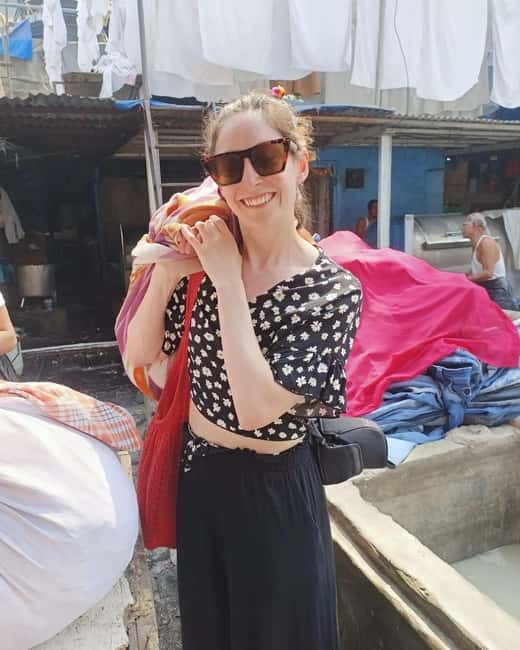
Dhobi Ghat is the other anchor of the tour, and it’s the stop people talk about for days afterward.
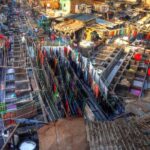
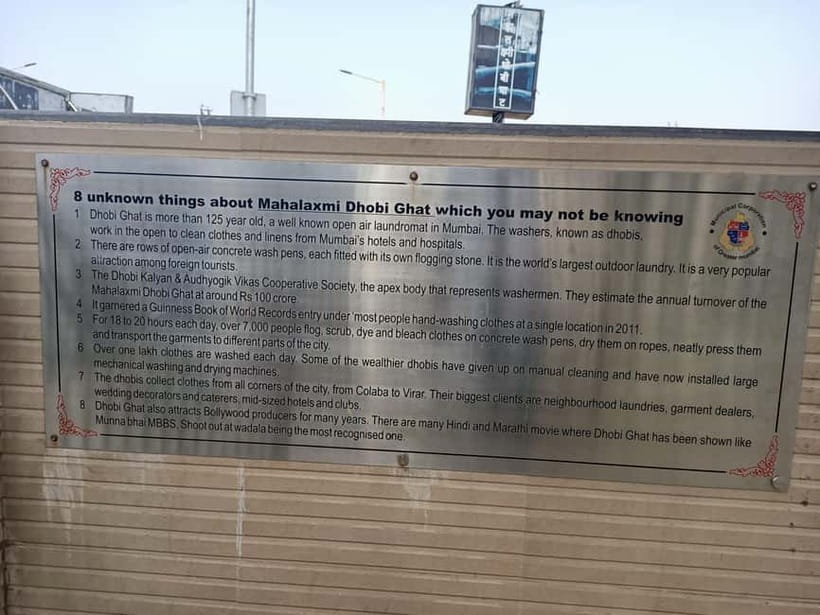
This is Asia’s largest open-air laundry, and you’ll explore it with a guided visit and walk. The experience centers on seeing laundry masters at work—people performing repetitive steps at scale, in open air, with a system that works because everyone knows the routine.
The viewing deck moment
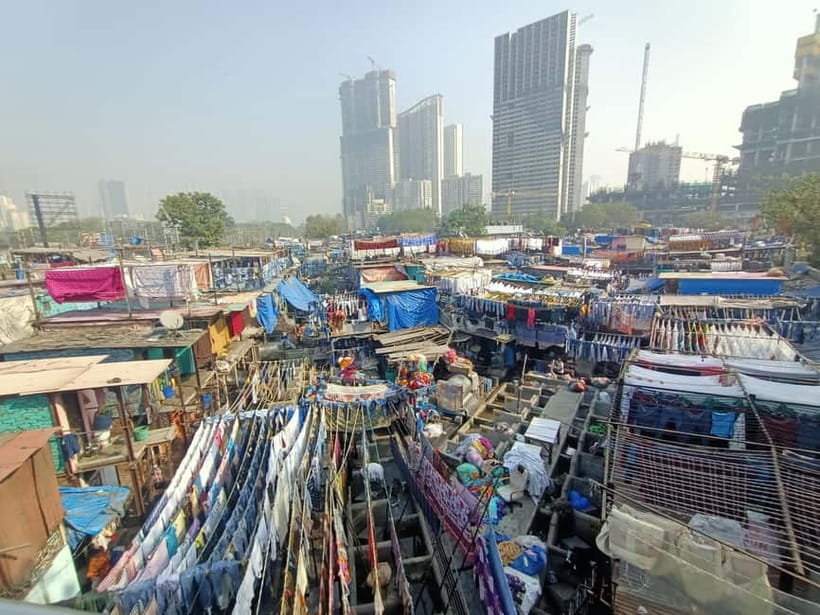
One highlight is the viewing deck. Looking down gives you the big-picture view—where the layout, workflow, and sheer volume of garments becomes obvious. It’s also a great place for photos, since you’re capturing the scene from above rather than trying to squeeze into crowded work zones.
Getting past the “only photos” problem
Dhobi Ghat can be reduced to Instagram. This tour tries to do more than that by guiding you through the logic of the place: how garments are processed, how labor is organized, and why the space is so unusual.
Some tours keep you at the edge. This one includes guided exploration through the working areas, which is where the tour shifts from viewing to understanding.
A practical note
If you’re sensitive to strong smells, this may take a little adjustment. You’re in a working laundry with lots of activity. It’s not meant to be pleasant in a spa way. It’s meant to be real.
People, Respect, and Questions: How to Get the Most Out of This Tour
The quality of this experience often comes down to your guide and your attitude. The guides who’ve been praised—like Bhaarti, Abhishek, Hardik, and Alkama—were singled out for being personable, answering questions, and sharing firsthand context.
So here’s the key to making your time meaningful:
- Ask what you actually want to know: How do businesses work here? What industries show up in Dharavi? What’s daily work like at Dhobi Ghat?
- Keep your tone respectful. You’re visiting working spaces and homes-adjacent areas, not staged attractions.
- Don’t treat poverty like a spectacle. Focus on the systems, effort, and community—not just hardship.
If you go in expecting only dramatic visuals, you’ll miss the point. If you go in ready to learn, you’ll likely find it deeply memorable.
Price and Value: Is $26 Worth It?
At $26 per person for a 3-hour small-group tour, the value comes from what’s included and what’s not.
You’re getting:
- An English-speaking guide
- Train tickets included
- Bottled mineral water included
- A small group size capped at 10
- Skip-the-ticket-line convenience (so you don’t waste time hunting paperwork)
Many Mumbai tours try to sell “walking sightseeing” while leaving you to figure out transport and tickets. Here, the train portion is handled, which matters. The train ride is a major part of the experience, and buying and managing local tickets on your own can be confusing for first-timers.
Does it cover everything? No. It’s a focused, time-efficient tour, not a full-day deep dive. But for what you see—Dhobi Ghat, Dharavi, and the local train ride—this is priced like a smart, practical introduction.
Who This Tour Fits Best (and Who Might Want to Skip It)

This tour is a great match if you:
- Want a real slice of Mumbai life, not just landmarks
- Enjoy guided context with someone who knows the streets
- Are comfortable with walking and crowds
- Want the train experience without the stress of doing it alone
It might be less satisfying if you:
- Want only polished, low-intensity sightseeing
- Get overwhelmed by dense public spaces
- Need a strictly quiet, low-walking outing
Quick Planning Checklist Before You Go

Bring:
- Comfortable walking shoes
- Water bottle (you’ll get mineral water, but extra helps)
- Sunscreen and sunglasses if it’s bright
Wear:
- Clothing that follows the no short skirts/no skirts rule
- Light layers you can move in
Mindset:
- Expect active work spaces and community reality
- Be ready to ask questions and listen
Also, the tour offers free cancellation up to 24 hours in advance for a full refund, which is useful if your Mumbai days are still shifting. There’s also a reserve now, pay later option to keep things flexible.
Should You Book This Dharavi and Dhobi Ghat Tour?
Book it if you want a short, guided experience that connects work, transport, and neighborhood life in a way most Mumbai tours don’t. The pairing of Dhobi Ghat and Dharavi is strong, and the local train ride turns it from “two locations” into a real city experience.
Skip it only if you’re looking for comfort-first sightseeing, or if you don’t want to deal with the intensity of walking through active community spaces and public transit.
If you’re curious, respectful, and willing to learn, this one is a solid priority in Mumbai.
FAQ
How long is the Dharavi and Dhobi Ghat tour?
The tour duration is listed as 3 hours.
How much does it cost?
The price is listed as $26 per person.
Where does the tour start?
The tour starts at Third Wave Coffee.
Where does the tour finish?
The tour finishes at the Dhobi Ghat Viewing Deck.
What’s included in the price?
Included are an English-speaking tour guide, train tickets, and bottled mineral water.
Is there an English-speaking guide?
Yes, the tour includes an English-speaking live guide.
How big is the group?
It’s a small group limited to 10 participants.
Are there dress restrictions?
Yes. Short skirts and skirts are not allowed.