REVIEW · MUMBAI
Mumbai: Dhobi Ghat Laundry & Dharavi Slum Tour with a Local
Book on Viator →Operated by Inside Mumbai Tours · Bookable on Viator
Some days in Mumbai hit like a reality check. This short tour pairs Dhobi Ghat, the world’s largest outdoor laundry, with a guided walk through Dharavi using a resident perspective.
Two things I really like about this setup: you get hands-on context at Dhobi Ghat (how laundry moves from washing to drying and delivery), and you also get a human-scale look at Dharavi beyond the movie version of life. It’s also paced well for first-timers, with about 1 hour for Dhobi Ghat and about 2 hours for Dharavi.
One consideration: it’s only around 3 hours total, so you’ll learn a lot, but you won’t see everything. Also, food isn’t included, so plan a snack or meal before or after if you’re sensitive to timing.
In This Review
- Key Highlights You’ll Actually Feel on the Ground
- Dhobi Ghat: The World’s Largest Outdoor Laundry System
- Dharavi With a Resident Guide: Life, Work, and Families—Not a Stereotype
- Guides Matter Here: Names You Might See Mentioned
- The Local Train Ride: Mumbai’s Motion in a Short Window
- Price and Value: Why $9.49 Can Make Sense Here
- Timing, Walking, and Group Size Reality Check
- What You’ll See at Each Stop (So You Know What to Expect)
- Stop 1: Dhobi Ghat (about 1 hour)
- Stop 2: Dharavi (about 2 hours)
- Train ride component (included in the experience overview)
- How to Get the Most Out of It (Without Being That Tourist)
- Who This Tour Fits Best
- Should You Book Dhobi Ghat and Dharavi With a Local?
- FAQ
- What’s the duration of the Mumbai Dhobi Ghat and Dharavi tour?
- How much does the tour cost?
- What’s included in the tour price?
- How long do you spend at Dhobi Ghat and at Dharavi?
- Is there a local train ride?
- Where do I meet the guide?
- What’s the cancellation policy?
Key Highlights You’ll Actually Feel on the Ground
- Dhobi Ghat’s outdoor laundry workflow: you’ll see how clothes are washed, dried, ironed, and delivered in a huge working space.
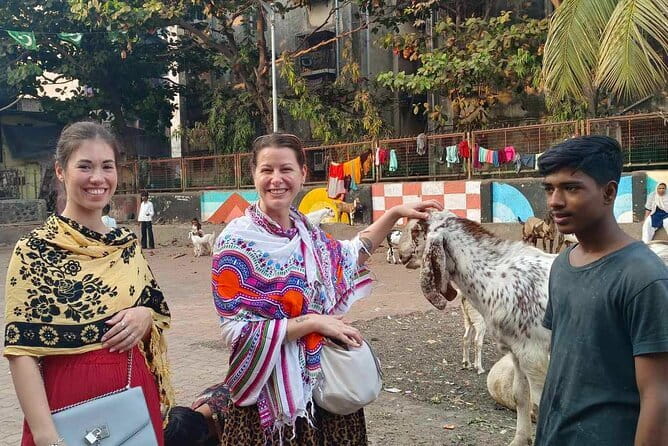
- Dharavi with a local English guide: you’re not just looking at buildings; you’re learning daily routines and local businesses.
- Slumdog Millionaire filming location in Dharavi: you’ll connect the film scenes to real neighborhoods.
- Small group size: maximum 15 travelers, which makes questions easier in busy public areas.
- Real “Mumbai” movement: the experience includes a local train ride to help you feel how the city connects.
Dhobi Ghat: The World’s Largest Outdoor Laundry System
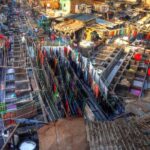
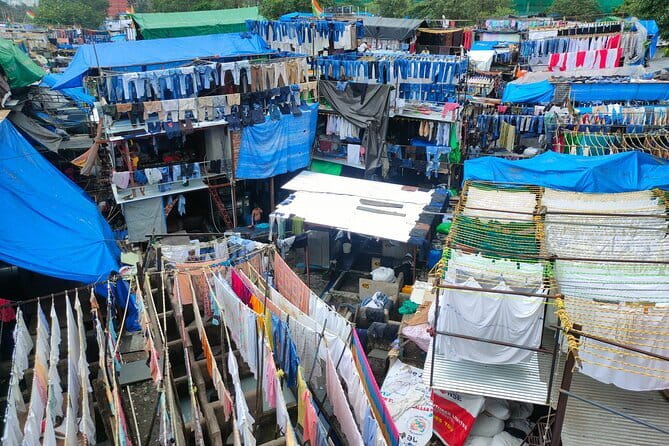
Dhobi Ghat is one of those places that makes you stop and stare—because it’s not a museum. It’s a living, working laundry zone where you can understand the scale of daily labor in Mumbai without needing any fancy explanations.
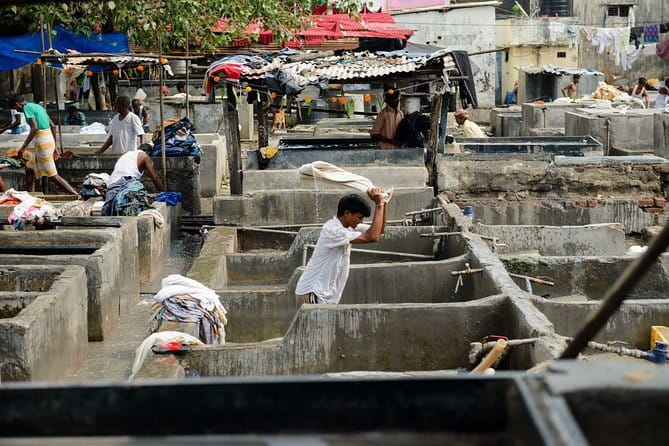
On this tour, Dhobi Ghat takes about 1 hour with your guide. Expect a guided walkthrough of how laundry gets handled from start to finish: washing, drying, ironing, and the delivery system that gets clothes back to people. You’re also told the practical rhythm of the place—what’s happening where, and why so much of the work happens outdoors.
What makes this stop valuable is that it turns a famous “sight” into a real process. You’ll see that the spectacle is actually work. And once you clock the workflow, it’s easier to understand why Dhobi Ghat has such a strong pull on travelers who want something more authentic than a quick photo.
If you’re the kind of person who likes learning how cities function at street level, Dhobi Ghat will click fast.
You can also read our reviews of more tours and experiences in Mumbai.


Dharavi With a Resident Guide: Life, Work, and Families—Not a Stereotype
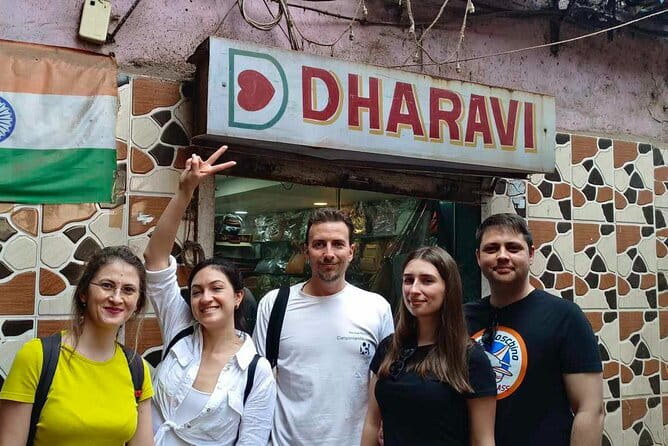
Then comes Dharavi, and this is where the tour earns its keep. Dharavi is described as one of Asia’s largest slum neighborhoods, with a population of almost one million. The goal here isn’t to treat it like a scary headline. It’s to show you where people live, work, and play—and to push back against the lazy idea that “slum” equals a single kind of life.
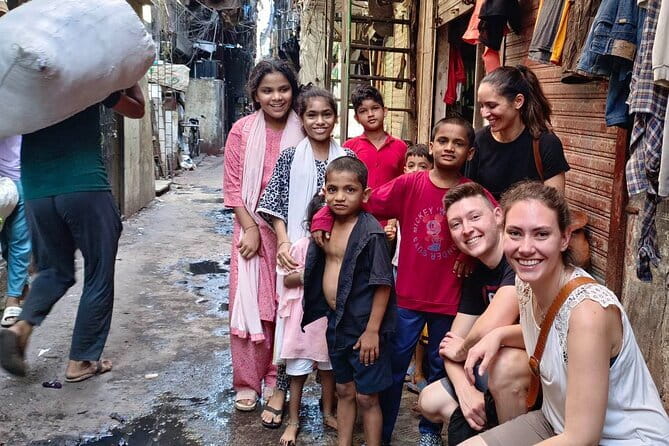
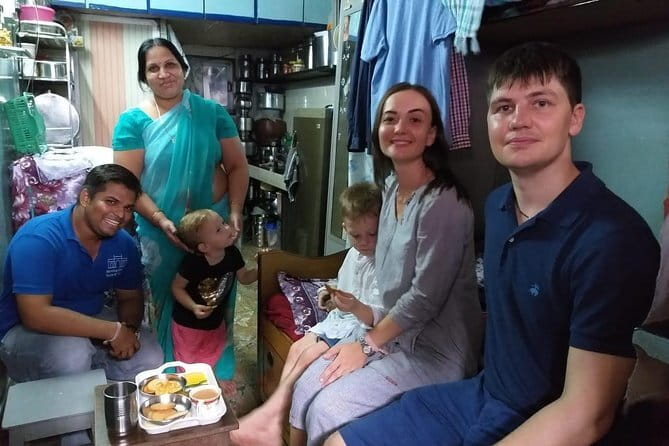
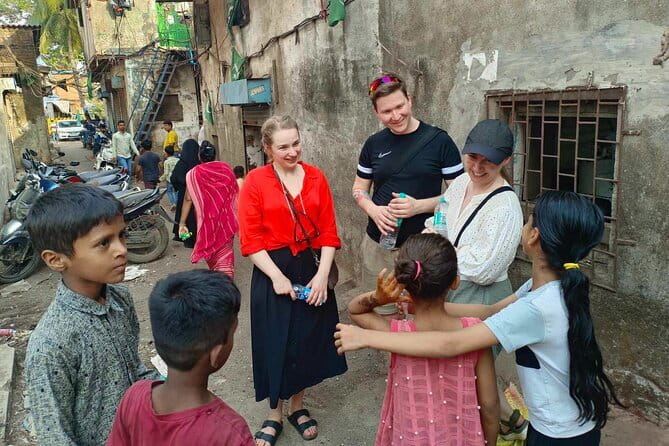
Your Dharavi time is about 2 hours, guided by a resident of the area who can explain what you’re seeing in plain language. In practice, that means you don’t just pass by lanes and buildings. You learn about daily life and routines—where families live, where children play, and where people relax between work.
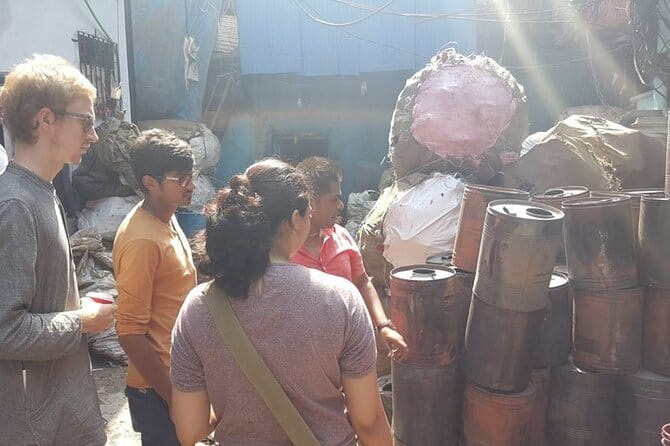
You’ll also see small-scale industry at work. The tour highlights local businesses connected to plastic recycling, leather, and garment/textile work, plus other everyday economic activity. That matters because it replaces an outsider’s guess with local context: these aren’t random scenes, they’re livelihoods shaped by the community.
One very specific connection you’ll make is the link to Slumdog Millionaire, including places where parts of the film were shot inside Dharavi. The tour doesn’t ask you to treat film as truth. It uses the film as a doorway, then brings you back to what’s real on the street.
Guides Matter Here: Names You Might See Mentioned
This is the kind of tour where the guide’s perspective changes everything. Several excellent guide names show up in the experience descriptions, including Zeeshan, Bharti, Rakesh, Faizan, and Alkama. If you get one of these guides, you can expect a local, detail-heavy way of explaining what you see and why it works the way it does.
The Local Train Ride: Mumbai’s Motion in a Short Window
The overview also includes a local train ride, which helps turn the tour from “two locations” into a mini experience of how Mumbai moves.
Even if you’re not a transit nerd (I’m not always), a short train ride can do two useful things for you:
- It gives you a sense of scale—Mumbai is dense, fast, and layered.
- It helps you understand the logic of neighborhoods and connections, not just the map.
Because the full tour is around 3 hours, the ride is likely brief, but it still adds realism. It’s also a good way to get your bearings if you’re spending your first day in the city.
Price and Value: Why $9.49 Can Make Sense Here
At $9.49 per person, this tour is priced like a budget-friendly intro, and that’s exactly how it can work—if you know what you’re buying.
You’re getting:
- A guide (local English speaking from the area)
- Entry/entry-style access where included
- A water bottle
- Transportation fees
- A small group cap of 15 travelers
- Mobile ticket convenience
And you’re getting two big, high-interest stops tied together: Dhobi Ghat’s outdoor laundry workflow and Dharavi’s daily life and local work. Those aren’t quick bus-window sights. They’re active places where context matters, and a guide helps you read the scenes without getting lost in assumptions.
The big “value” question is what you personally want. If you want a deep, long, hour-by-hour exploration of everything in Dharavi, this won’t be it—it’s only about 3 hours. But if you want a smart first taste with practical context and local guidance, the price-to-time ratio is strong.
Just note the obvious tradeoff: food isn’t included, so budget for that separately if you’ll be hungry when the tour ends.




Timing, Walking, and Group Size Reality Check
This is an approximately 3-hour group experience, and the maximum group size is 15 travelers. That cap matters in these neighborhoods. Smaller groups move with less chaos, and you have more chances to ask questions instead of being swept along like a human form fill.
It also helps that the tour emphasizes comfortable walking shoes. You’re dealing with busy public spaces and working environments. Even if you’re not clocking every detail, your body will want support for the ground-level pace.
The meeting point is at Third Wave Coffee, Tip Road, Unit 58, Ground, Ram Mahal, Senapati Bapat Marg, Marinagar Colony, Mahim, Mumbai. The tour ends around Mahalaxmi K K Road, Mahalakshmi. The experience notes also mention that after the tour, you can arrange Uber or local transport back to your hotel.
One useful detail from the experience descriptions: people have liked that the meet-up spot can have good air conditioning, which is a small comfort when Mumbai weather is doing its thing.
What You’ll See at Each Stop (So You Know What to Expect)
Here’s the practical breakdown of how the tour tends to feel.
Stop 1: Dhobi Ghat (about 1 hour)
You’ll get a guided visit through Dhobi Ghat’s outdoor laundry setup. You’ll learn what happens in sequence—how clothes are washed, where they dry, how ironing works, and how delivery is handled. Expect to be surrounded by work and movement, not quiet corners for slow sightseeing.
Stop 2: Dharavi (about 2 hours)
You’ll walk with a resident guide through Dharavi’s daily-life spaces: where families live, where children play, and where people spend downtime. You’ll also see local industry, including recycling and textile/leather-related work. Then you’ll connect some scenes to Slumdog Millionaire filming spots inside the neighborhood.
Train ride component (included in the experience overview)
You’ll also include a ride on Mumbai’s local train system as part of the overall experience plan. That adds context and changes the tempo.
How to Get the Most Out of It (Without Being That Tourist)
Tours like this reward two things: respect and questions.
A few practical tips that fit the tone of the tour:
- Dress for walking and for busy streets. The experience explicitly recommends comfortable walking shoes.
- Bring a curious mindset. You’ll hear about daily routines and small businesses that don’t fit a postcard.
- Ask about process, not just facts. At Dhobi Ghat, the most interesting part is the workflow. In Dharavi, the most useful questions are about how people make a living and how community life works.
Also, don’t expect this to work like a movie scene. The point is to see real people and real work, and let the movie connection be the starting point—not the ending.
Who This Tour Fits Best

This tour is a great match if you:
- Want a first-timer Mumbai experience that mixes famous landmarks with real neighborhood life
- Like guided explanations that help you understand what you’re seeing
- Prefer a short, structured tour (about 3 hours) over a half-day scramble
- Value local perspectives and dislike one-dimensional stereotypes
It may be less ideal if you:
- Need food included during the tour (it isn’t)
- Want a very long, deep exploration without time pressure
- Get uncomfortable with guided walking in active public areas
Should You Book Dhobi Ghat and Dharavi With a Local?
I think this is worth booking if you want Mumbai that feels human and functional, not just scenic. Dhobi Ghat gives you a real look at labor and logistics. Dharavi gives you a resident-guided view of daily life and livelihoods, plus an on-the-ground link to Slumdog Millionaire.
The combination is also the best part. Seeing only Dhobi Ghat stays a bit one-note. Seeing only Dharavi can feel broad without a contrasting “working city” context. Together, they make a sharper story about how Mumbai works at street level.
If you do book, plan a snack or meal around the 3-hour window, wear comfortable shoes, and come ready to ask questions.
FAQ
What’s the duration of the Mumbai Dhobi Ghat and Dharavi tour?
The tour is approximately 3 hours.
How much does the tour cost?
It’s $9.49 per person.
What’s included in the tour price?
Included are a local English-speaking tour guide, traveling fees, all entrance/entry fees, and a water bottle. Food is not included.
How long do you spend at Dhobi Ghat and at Dharavi?
Dhobi Ghat is about 1 hour, and Dharavi is about 2 hours.
Is there a local train ride?
Yes, the experience description says the tour includes a local train ride.
Where do I meet the guide?
The meeting point is Third Wave Coffee on Tip Road in Mahim (Ram Mahal, Senapati Bapat Marg area). The tour ends on Mahalaxmi K K Road.
What’s the cancellation policy?
You can cancel for a full refund up to 24 hours before the experience starts. Free cancellation is allowed up to that point.