REVIEW · MUMBAI
Private Bollywood with Slum Tour Inclusive of Guide and Transport
Book on Viator →Operated by Mystical Mumbai · Bookable on Viator
Two neighborhoods, one private day in Mumbai. This tour is built for comfort and convenience, with a private air-conditioned vehicle and hotel pickup and drop-off that make the day feel easy to manage. It also includes bottled water, so you can focus on what you’re seeing instead of hunting for basics.
What I really like is the pairing of two very different Mumbai realities in one trip: a guided walk through Dharavi and then a hands-on look at Bollywood, including VFX-style special effects and studio areas. You get a local guide to explain what you’re looking at, plus access to places like the Hall of Fame, costume gallery and museum, and even empty sets.
One thing to consider: there’s no lunch included, and the schedule packs two high-impact stops into about 5 to 6 hours, so plan your day accordingly.
In This Review
- Key things I’d pin to the top
- Two Neighborhoods, One Private Day in Mumbai
- Price and What You Actually Get for $135
- Hotel Pickup and a 10:00 AM Start That Works
- Stop 1: Dharavi Streets, Local Work, Temples, and a Guide’s Stories
- Dharavi stop timing and practical reality
- How to Read Dharavi: Workshops, Faith, and Community You Can Feel
- Stop 2: Sakinaka Kherani Rd and the Bollywood Side of Mumbai
- Hall of Fame, Costume Museum, and Empty Sets: What to Expect
- The Shooting Rule: Keep Your Phone Silent and Be Quiet
- Is This Tour for You? Best Fit and Possible Mismatches
- Practical Tips to Make the Day Smoother
- Should You Book This Private Bollywood With Slum Tour?
- FAQ
- How long is the tour?
- Where is the tour located?
- What’s the start time?
- Is hotel pickup and drop-off included?
- Do I get bottled water during the tour?
- Is the Dharavi admission ticket included?
- What’s included at the Bollywood stop?
- Is lunch included?
- What are the rules about phones during shooting?
- Is the tour private?
Key things I’d pin to the top
- Hotel pickup, private A/C transport, and bottled water keep the logistics low-stress
- Dharavi inside access with guided commentary helps you understand daily life and local work
- Bollywood stop includes VFX/special-effects style experience plus Hall of Fame and costume museum
- Empty sets and audio/visual history of Bollywood let you see the industry beyond the red carpet
- Live shoots and dance moments depend on availability, so flexibility helps
Two Neighborhoods, One Private Day in Mumbai
Mumbai can feel like it’s made of scenes that never mix. This experience does the mixing for you. You’ll spend the morning moving from Dharavi, where thousands of daily tasks shape the streets, to a Bollywood studio zone where film-making becomes something you can watch and learn.
The value is the structure. A local guide doesn’t just point at sights; they connect the dots so your eyes have a story to follow. You’re also not doing this in a rushed hop-by-hop way, because the day is organized into two main blocks with transport included.
And because it’s a private tour, you’re not stuck with awkward pacing from a big group. You can ask questions, slow down at spots that matter to you, and generally keep the day on your rhythm.
You can also read our reviews of more guided tours in Mumbai

Price and What You Actually Get for $135
At $135 per person for a private 5 to 6 hour outing, the key question is what you’re paying for. You’re not just buying entry to two places. You’re paying for a guide, private air-conditioned transport, pickup and drop-off, bottled water, and the included admissions at the Bollywood stop.
Dharavi includes a ticket component that’s listed as free for the stop, which helps balance the overall cost. The second half of the day—Sakinaka Kherani Rd—has admission included and covers a lot more than a single photo stop: the Hall of Fame, cafe, costume gallery and museum, empty sets, and multiple Bollywood-themed experiences.
What’s not included is just as important for value. There’s no lunch, and alcoholic drinks aren’t included. So if you’re someone who likes a proper sit-down meal between stops, you’ll want to plan how you’ll handle food and energy during the day.
Hotel Pickup and a 10:00 AM Start That Works
The experience starts at 10:00 am. That’s a practical time in Mumbai because it gives you daylight for both the urban walk in Dharavi and the studio-area portion later on.
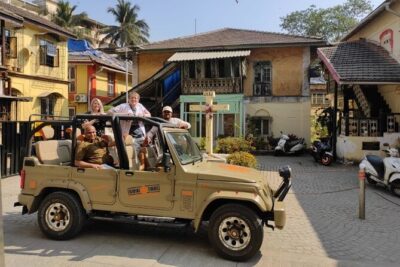
Transport is by a private air-conditioned vehicle, and your pickup and drop-off are included (hotel/airport/port). This matters because Mumbai traffic can turn a “quick tour” into a slow one. Here, you’re minimizing that risk by building the day around pickup and a planned route.
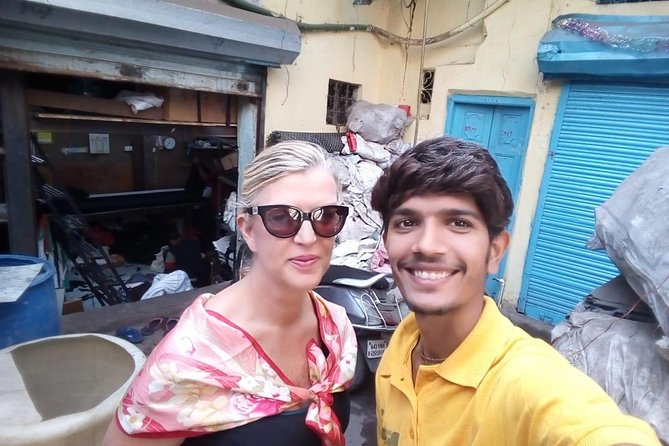
You’ll also have a guide with you the whole time. That’s not a small perk. Without a guide, Dharavi can be hard to read and Bollywood studio zones can be confusing. With someone local, you get context as you go rather than trying to guess later.
Stop 1: Dharavi Streets, Local Work, Temples, and a Guide’s Stories
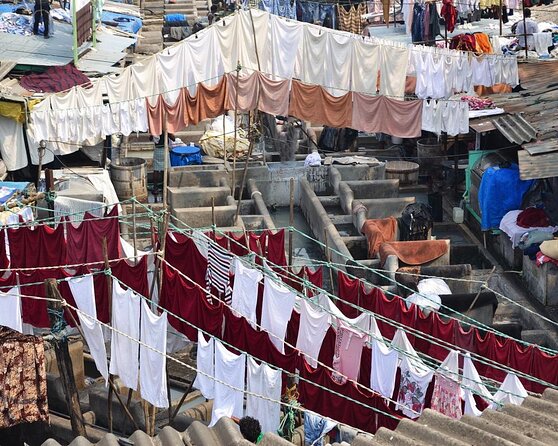
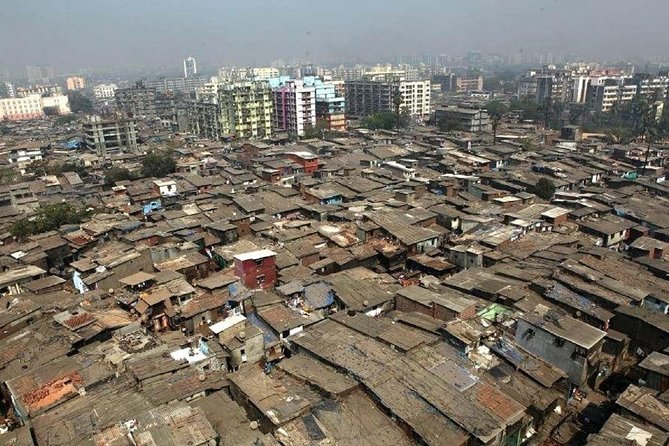
Dharavi is huge—home to nearly 1 million residents—and it’s described as one of the most densely populated areas on earth. It’s also known worldwide because of the 2008 hit movie Slumdog Millionaire. But this tour isn’t about repeating a film. It’s about seeing everyday life in the neighborhood.
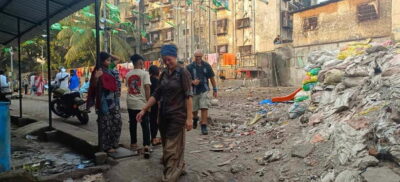
What you can expect is a guided walk through Dharavi’s lanes where people live and work close together. You’ll see a mix of religious spaces—temples, mosques, and churches—erected side by side, and you’ll learn how the area is a patchwork of people from different parts of India. The guide commentary matters here because it turns what might look like a scene into an explanation of how the community holds together.
You’ll also focus on work. The tour highlights industries and small-scale production you can see in motion, including plastic recycling, leather manufacturing, color dyes, fabric, pottery, and schools. This is one of the tour’s strongest points: you’re not only looking at housing, you’re seeing the local economy at street level.
Most tours stop at the street view. This one includes going inside the slum. The phrasing suggests an actual walk-through, including time to explore how residents live and work. You’ll also have a stop noted as visiting the guide’s house in the slum, which can add a very human layer to the day.
If you’re thinking about who you might get as a guide, two names that come up in the experience are Aarti and Anthony. One guide, Aarti, is described as having lived in a slum earlier in life, and that personal connection can shape the storytelling. Anthony is noted for leading through Dharavi with clarity and helping explain how the area is industrious while conditions remain poor. Either way, the goal stays the same: context over shock.
Dharavi stop timing and practical reality
The Dharavi portion is about 2 hours. That’s long enough to feel like you’re walking through a real place, not just passing by it. It’s also long enough that the day can feel emotionally heavy for some people, especially if you’re sensitive to poverty and inequality.
So go in with the right expectations. This is a neighborhood tour, not a spectacle. Listen to the guide, follow their lead, and treat residents with the respect you’d want in any home.
You can also read our reviews of more private tours in Mumbai


How to Read Dharavi: Workshops, Faith, and Community You Can Feel
The easiest way to understand Dharavi on this tour is to think in systems, not scenes. When you watch plastic recycling and leather manufacturing, you’re seeing local livelihoods built on materials that can’t be ignored by the city outside. When you see color dyes and fabric production, you’re seeing how goods move from raw to usable, close to where people live.
The school references matter too. They suggest the tour isn’t only about factories and commerce. It’s also about the next generation and what residents prioritize even in tough conditions.
And then there’s faith. Temples, mosques, and churches side by side isn’t just a photo detail. It’s a clue about how people organize daily life—where community gatherings happen and how identities sit next to each other. For me, that’s one of the most useful parts of a guide-led Dharavi tour: you get to connect physical locations to daily rhythm.
You may notice that Dharavi is described as industrious and organized even while living conditions remain poor. That contrast is hard to describe but easier to understand when you’re walking through it and hearing the story behind what you see.
Stop 2: Sakinaka Kherani Rd and the Bollywood Side of Mumbai
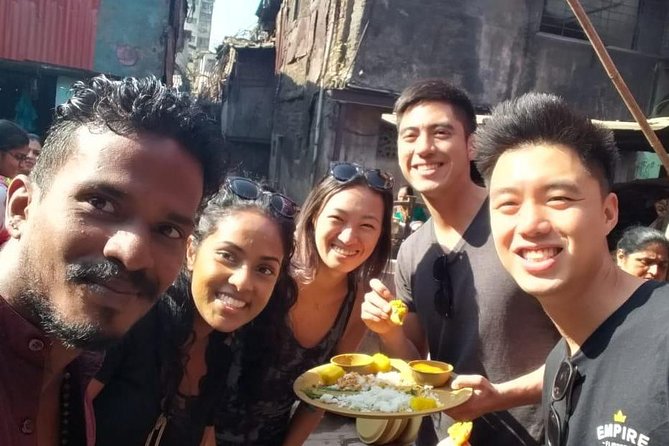
After Dharavi, the atmosphere shifts. At Sakinaka Kherani Rd, you move into a world built around performance, special effects, and movie-making craft.
This stop is about two hours and includes the admission ticket. The experiences listed here make it more than sightseeing. You can explore live Bollywood dance, and there’s a self singing experience opportunity. If you’re the type who likes to participate instead of only watch, this part is likely where you’ll feel most involved.
You’ll also get a look at VFX—special effects—through an audio/visual experience. That helps you understand how effects are created rather than only seeing the final screen result. It’s a good bridge between what you learned in Dharavi about everyday work and what you’ll see here about film work.
Then you’ll move through several Bollywood-themed attractions:
- Hall of Fame
- Bollywood cafe
- Costume gallery and museum
- Museum-style stops that explain 100 years of Bollywood using audio/visual materials
- Empty sets that are not in use
- Live shootings (movies, television, or ads) if available
“Live shootings as per availability” is the big variable. If production is happening, you might catch moments that look behind the curtain. If not, the rest of the studio areas still give you plenty to do and plenty to look at.
Hall of Fame, Costume Museum, and Empty Sets: What to Expect
Bollywood can feel like a single idea from far away: glamour on screen. Inside this kind of studio area, you learn that it’s also craft. Costume galleries and a museum bring that craft into focus because they show how characters are built through design choices.
Empty sets are another smart inclusion. Even when a set isn’t in use, it helps you visualize what scenes are made of. You’ll be able to see the physical space that becomes a city, a palace, or a street on screen once the crew arrives.
The 100 years of Bollywood audio/visual portion is also useful if you want a timeline instead of scattered facts. It gives you a framework to place what you see into a broader story of the industry.
For VFX, the listing specifically says special effects audio/visual. That means you’re not just hearing generalities. You should expect a demonstration-style explanation aimed at helping you recognize how effects are produced. You won’t need a technical background to follow it, but you will likely start noticing film craft more after.
The Shooting Rule: Keep Your Phone Silent and Be Quiet
One very practical instruction comes with this tour: keep your mobile on silent mode during shooting in action and keep silent.
That’s not just a polite request. During filming, noise and phone lights can interrupt production and distract people on set. So treat this as part of the experience—follow it, and you’ll help keep the tour respectful of everyone working.
If you’re tempted to take calls or shoot lots of footage, pause and wait for your guide’s cue. When filming is active, the best way to participate is with attention, not interruption.
Is This Tour for You? Best Fit and Possible Mismatches
This is a good match if you want contrast in one day. I like that the tour takes you from real-life industry and community in Dharavi to the film world in a studio zone. If you enjoy guided storytelling and you’re okay with the day feeling emotionally serious during the Dharavi portion, you’ll likely appreciate the balance.
It also suits you if you like hands-on learning. The Bollywood part includes live dance, a singing opportunity, and a VFX special-effects component. You’re not only watching; you’re being offered experiences.
You might want to think twice if you want a slow-paced, lounging style day. This tour runs around 5 to 6 hours with only about 2 hours in each main stop. It’s a lot to process, especially if you’re sensitive to poverty-related topics.
And if food is a big priority, remember that lunch isn’t included. You can still manage the day, but you’ll want a plan for when you’ll eat.
Practical Tips to Make the Day Smoother
A few smart moves will help the tour feel more comfortable and less stressful:
- Plan for a full morning: the start time is 10:00 am and the day is around 5 to 6 hours.
- Eat before you go if you’re someone who gets hungry quickly, since lunch isn’t included.
- Stay flexible during studio time: live shootings are listed as subject to availability.
- Bring patience for walking: Dharavi streets involve walking through dense areas, so wear shoes you’re comfortable in.
- Follow the phone-and-quiet rule during active shooting times.
Also, if your guide offers a home visit component during the Dharavi stop, treat it as a moment with extra sensitivity. Ask questions only when the guide invites them, and keep your behavior calm and respectful.
Should You Book This Private Bollywood With Slum Tour?
I’d book this if you want a private, guided day that compares two Mumbai realities side by side—Dharavi’s daily work and community life, then Bollywood’s film-making craft with VFX, costumes, and studio sets. The biggest strength is the combination of private transport, included guide, and meaningful access points in both halves of the tour.
I’d skip or rethink it if you’re looking for an easy, feel-good afternoon with built-in meals. Since lunch isn’t included and the Dharavi portion can be heavy, you’ll get a better experience if you go in prepared.
If you value context over stereotypes and you like guided explanations that make a place make sense, this is a solid pick. The contrast is the point, and when you follow the guide’s lead, it’s also the best way to understand why these two sides of Mumbai coexist.
FAQ
How long is the tour?
The tour runs about 5 to 6 hours total, with roughly 2 hours at Dharavi and about 2 hours at the Bollywood stop.
Where is the tour located?
It takes place in Mumbai, India, with one stop in Dharavi and another around Sakinaka Kherani Rd.
What’s the start time?
The experience starts at 10:00 am.
Is hotel pickup and drop-off included?
Yes. Pickup and drop-off are included (hotel/airport/port).
Do I get bottled water during the tour?
Yes. Bottled water is provided.
Is the Dharavi admission ticket included?
The Dharavi stop lists the admission ticket as free.
What’s included at the Bollywood stop?
The Bollywood stop includes admission and visits places like the Hall of Fame, Bollywood cafe, costume gallery and museum, empty sets, and experiences connected to live dance, VFX/special effects audio/visual, and Bollywood history (as audio/visual).
Is lunch included?
No. Lunch is not included.
What are the rules about phones during shooting?
You should keep your mobile on silent mode during shooting in action and keep silent.
Is the tour private?
Yes. It’s a private tour/activity, and only your group participates.