REVIEW · MUMBAI
Mumbai: Dhobi Ghat & Dharavi Slum tour
Book on GetYourGuide →Operated by Mumbai with Locals · Bookable on GetYourGuide
Dharavi shows Mumbai’s real engine. This short tour pairs Dharavi (home to over a million people) with Dhobi Ghat, the world-famous open-air laundry, plus a local train ride that feels like part of the city’s rhythm. I really like the way the visit is led by guides from Dharavi, with English support and storytelling that makes everyday work make sense. I also like the balance: industrial lanes first, then the residential side, so you see more than one slice of life. One thing to plan for: access and timing can shift when local conditions change, so don’t expect every stop to run exactly to the minute.
You get a lot of culture in three hours, without the heavy-handed shock-value approach. The guide’s focus is privacy and respect, and that keeps the experience grounded in human scale rather than spectacle. If you’re going in mainly for photos, you might feel a little limited—there’s a photo stop at Dhobi Ghat, but the rest is about walking, listening, and understanding.
In This Review
- Key Things I’d Put On Your Radar
- Dharavi and Dhobi Ghat: Two Mumbai Worlds, One Guided Thread
- Starting Point Near Mahim: Finding the Tour Without Stress
- Dharavi Walk: Industrial Lanes to Everyday Homes
- Local Guides From Inside Dharavi: Why It Changes the Whole Experience
- The Train Ride to Mahalaxmi: Mumbai at Commuter Speed
- Dhobi Ghat Viewing: The World’s Largest Open-Air Laundry
- Kumbharwada (Potters’ Community): A Highlight That Can Be Affected
- Price and Value: Why $13 Works Here (If You Want the Real City)
- Who This Tour Fits Best
- A Respectful Way to Enjoy Dhobi Ghat and Dharavi
- Should You Book Mumbai: Dhobi Ghat & Dharavi Slum Tour?
- FAQ
- What’s the duration of the Mumbai Dhobi Ghat and Dharavi slum tour?
- Where is the meeting point?
- What does the tour include for transport and entry?
- Is hotel pickup included?
- What languages is the live guide available in?
- What stops are part of the experience?
- Is water provided?
- Is there a cancellation option?
- How does pay later work?
- What should I wear for the Dharavi walk?
Key Things I’d Put On Your Radar

- Dharavi, guided by people from inside the neighborhood, with English and a focus on respectful storytelling
- Two Dharavi zones: industrial workshops and then the residential side for day-to-day context
- Local train ride to Mahalaxmi station, which you’ll feel as you move like a Mumbai commuter
- Dhobi Ghat, called the world’s largest open-air laundry, viewed from both the working area and a viewing deck
- Kumbharwada (potter’s community) as a highlight, though access may depend on what’s workable in the moment
Dharavi and Dhobi Ghat: Two Mumbai Worlds, One Guided Thread
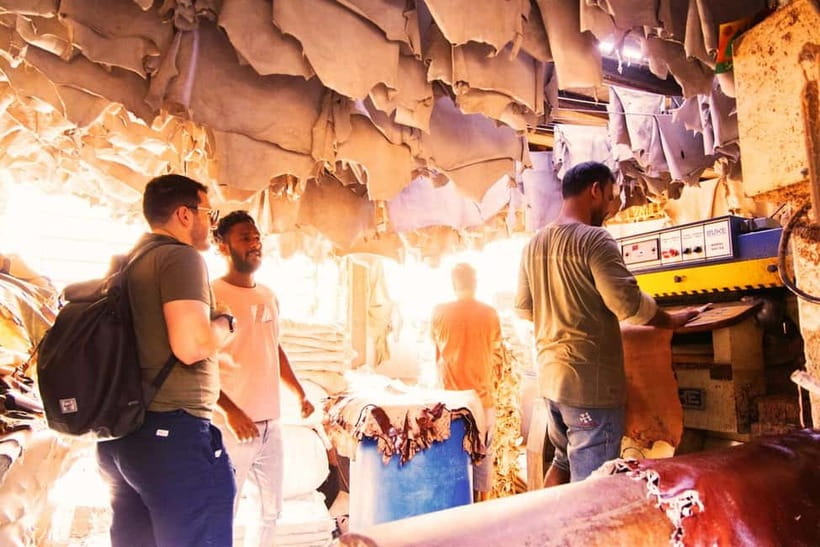
Mumbai has plenty of postcard scenes. This tour targets the seams where the city makes itself every day. You start in Dharavi—often described by size first, but the real point is how people survive, build, and create under pressure. Then you shift to Dhobi Ghat, where handwashing happens in plain sight on a scale that’s hard to believe until you’re watching it.
What makes this combo work is the movement. Dharavi teaches you how Mumbai’s labor system breathes. Dhobi Ghat shows one very visible result of that system: clothes washed by hand with precise routines and constant motion. And the local train ride threads it together, so you experience Mumbai as a network, not as separate attractions.
You can also read our reviews of more tours and experiences in Mumbai.



Starting Point Near Mahim: Finding the Tour Without Stress

You meet near Mahim railway station at Third-wave Coffee Shop, inside the Ram Mahal building, on the west side (opposite Mahim station). This matters because the tour involves a train transfer later. You’ll want to show up with enough time to orient yourself and avoid a scramble.
No hotel pickup is included, so if you’re staying far away, plan to reach the meeting point by local transit or a quick ride. For first-timers, this is also a good moment to get your bearings in the Mahim area before your guide leads you into the neighborhoods.
Dharavi Walk: Industrial Lanes to Everyday Homes

The tour’s Dharavi portion is about two hours on foot, and it’s structured to help you understand Dharavi as a working place—not just a label. You begin in the bustle of the industrial area. Here, small factories and workshops are part of the landscape, and you’ll see how resourceful a community can be when it has to make do.
Then the path turns toward the residential side. This is where conversations matter. A good guide will talk through daily life—family traditions, how people organize around work, and what challenges come with the territory. You’re not just observing from the outside. You’re getting explanations in the moment, based on how the neighborhood is lived.
Two practical points to keep your expectations real:
- Wear comfortable shoes. You’ll be walking through lanes where footing may not be smooth.
- Go with a respectful mindset. The tour is mindful of privacy, and that shows in how you’ll be guided through sensitive spaces.
Local Guides From Inside Dharavi: Why It Changes the Whole Experience
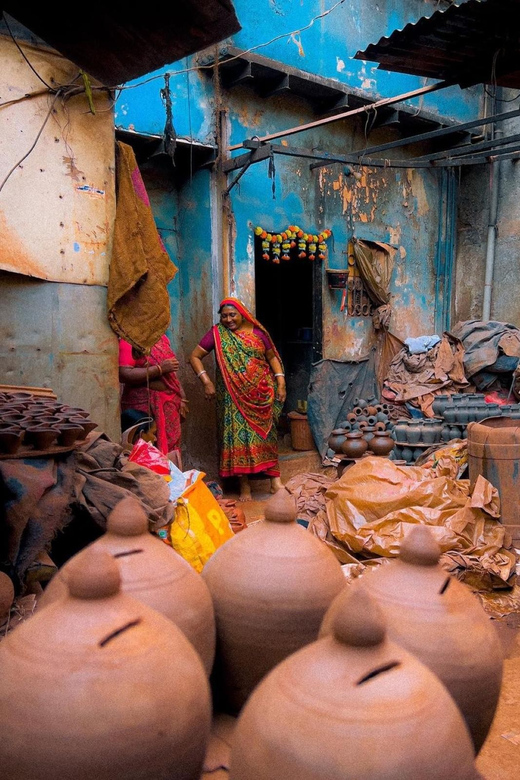
One of the strongest reasons to take this tour is who leads it. The experience is guided by people from Dharavi itself, and the guides are described as excellent English speakers—plus strong storytellers.
That insider perspective changes what you notice. You’re less likely to treat Dharavi like a stage set. Instead, you start connecting details: how workshops fit next to daily routines, why people value certain kinds of work, and how community relationships shape everyday decisions.
In past visits, guides such as Sajid and Jay have been singled out for professionalism, covering a lot of ground, and keeping the tone informative and heartwarming. If you care about context and conversation, that kind of guiding quality is the difference between a quick walk-through and a real understanding of place.
The Train Ride to Mahalaxmi: Mumbai at Commuter Speed
After Dharavi, you hop on a local train for about 30 minutes to Mahalaxmi station. This isn’t just transportation—it’s part of the experience. The city’s scale becomes physical when you ride like a commuter rather than watching from a car window.
A short train ride also helps pacing. You get a break from walking, but you don’t lose the sense of being in Mumbai’s day-to-day flow. If you’ve never used local trains here, I recommend keeping your phone secure and staying aware of your spot in the crowd. You’ll enjoy the ride more when you’re not worried about where to stand.




Dhobi Ghat Viewing: The World’s Largest Open-Air Laundry
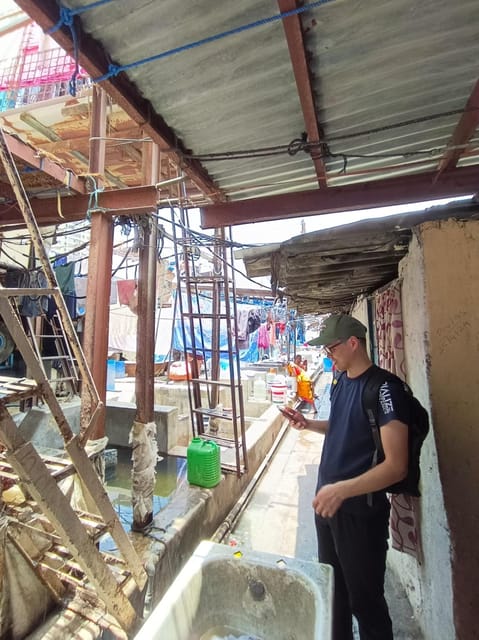
At Mahalaxmi, you arrive at Dhobi Ghat, the iconic open-air laundry. This is one of those places where your brain struggles at first. Row after row of colorful laundry shows up in working patterns, and you’ll see the difference between random motion and practiced routine.
The tour includes an entry fee and a planned photo stop (about 15 minutes), plus time at the Dhobi Ghat viewing deck to end the experience. That viewing deck matters because it lets you step back and take in the system: how washing stations fit together, where cloth gets handled, and how the whole process keeps moving.
What to expect during the Dhobi Ghat portion:
- Handwashing is the star. You’ll see clothes washed with close attention.
- You’ll likely notice organization in the workflow. It’s not chaos.
- The experience is visual, but it’s also about sound and motion—so don’t rush to treat it like a photo run.
Practical note: this is a working environment. Even if you’re excited to take pictures, keep your filming and flash behavior respectful. You’ll get better moments when you slow down and watch what people are actually doing.
Kumbharwada (Potters’ Community): A Highlight That Can Be Affected
The tour highlights Kumbharwada, the potter’s community. That’s a big deal because it adds craft and handmade tradition to the day—something different from the laundry system and the dense city lanes.
That said, local conditions can affect access. One visitor noted that a broken bridge prevented seeing the pottery area. So here’s how to think about it: treat Kumbharwada as a strong potential highlight, not a guaranteed checkbox.
If Kumbharwada is accessible during your visit, it’s the kind of stop that makes your brain connect dots between materials and labor—clay, tools, skill, and the people who keep craft alive.
Price and Value: Why $13 Works Here (If You Want the Real City)
At $13 per person for about 3 hours, this tour sits in a very good value zone. The cost isn’t just paying for sightseeing. You’re paying for:
- A guided walk through Dharavi with English support
- A local train ride (included in the ticket portion)
- Entry fees at Dhobi Ghat
- A packaged water bottle
Even if you’re on a tight budget, the included train and entry fees reduce your out-of-pocket costs. More important, the price also buys you a human map of the day. Guides from inside Dharavi can help you understand what you’re seeing faster than reading signs or guessing.
Where it might feel less worth it:
- If you want a long stay in Dhobi Ghat for photos only, the Dhobi Ghat time is built around a short photo stop plus the viewing deck.
- If your schedule requires strict timing to the minute, expect that local reality can make the day run a bit differently.
Who This Tour Fits Best
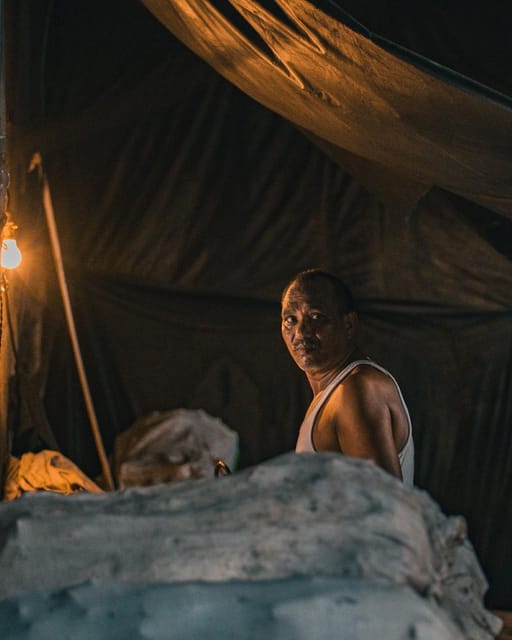
This is a great pick if you:
- Want more than the usual Mumbai tourist loop
- Like learning from local guides, not just looking at landmarks
- Enjoy walking tours where conversation is a core part of the experience
- Want to see both a high-density working neighborhood and a famous working facility in one day
It may be less ideal if you’re looking for a low-effort, mostly seated experience. This is movement-heavy by design: walking in Dharavi, then a train ride, then another working environment at Dhobi Ghat.
A Respectful Way to Enjoy Dhobi Ghat and Dharavi
This tour’s best moments come from your behavior. The experience is set up around privacy and respect, which is exactly what you should meet halfway.
A few practical tips:
- Keep your questions thoughtful. Ask about what you’re seeing, not just stereotypes.
- Be careful with cameras. If a guide suggests where not to shoot, follow it.
- Dress for comfort. You’ll walk and you’ll be around active daily work.
If you do that, you’ll notice something: your view stops being a list of sights and becomes a story about labor, community, and the city’s ability to function.
Should You Book Mumbai: Dhobi Ghat & Dharavi Slum Tour?
I’d book this tour if your idea of value is learning with context. At $13, it’s hard to beat when you factor in train tickets, entry fees, and the quality of insider guiding (with guides like Sajid and Jay being highlighted for professionalism and warmth).
I’d hesitate only if:
- You need a perfectly predictable timetable and cannot handle possible short-term changes
- You’re mainly chasing photos and don’t want a guided, conversation-led walk
If you want to see Mumbai through the people who keep it running—this is one of the more direct, meaningful ways to do it.
FAQ
What’s the duration of the Mumbai Dhobi Ghat and Dharavi slum tour?
The tour lasts about 3 hours total, with around 2 hours in Dharavi and additional time for the train ride and Dhobi Ghat.
Where is the meeting point?
You meet at Third-wave Coffee Shop in the Ram Mahal building, opposite Mahim railway station on the west side.
What does the tour include for transport and entry?
It includes train tickets for the ride to Mahalaxmi station, plus entry fees at Dhobi Ghat.
Is hotel pickup included?
No. Pickup and drop-off at hotels are not included.
What languages is the live guide available in?
The tour offers a live guide in English and Hindi.
What stops are part of the experience?
You’ll visit Dharavi, take a local train to Mahalaxmi station, see Dhobi Ghat with a photo stop, and finish at the Dhobi Ghat viewing deck. The tour also highlights Kumbharwada (potter’s community).
Is water provided?
Yes. A packaged water bottle is included.
Is there a cancellation option?
Yes. Free cancellation is available up to 24 hours in advance for a full refund.
How does pay later work?
You can reserve your spot and pay later, meaning you can book without paying immediately.
What should I wear for the Dharavi walk?
Wear comfortable shoes since you’ll be walking through Dharavi for about two hours.