Bandra changes fast, and this walk helps you notice it. I love how the route connects Portuguese-era landmarks to the modern feel of Bandra West, and I also love that the group stays small (max 15), so the guide can actually answer your questions. The one catch: food and drink aren’t included, so plan a snack or water stop if you need it.
I started at St. Andrew’s Church with guide Roshita, and it was the kind of tour where you don’t just see buildings—you understand why they’re there. You finish near Taj Lands End, right by Mount Mary, which makes it easy to keep exploring after the walk.
In This Review
- Key highlights you’ll feel on this Bandra stroll
- Where this Bandra walking tour really shines
- St. Andrew’s Church: starting where Bandra’s story begins
- Ranwar: the original village structure under Bandra West
- Chimbai Village: the quieter side of Bandra you might miss
- Mount Mary Church: Portuguese influence, Roman Catholic presence
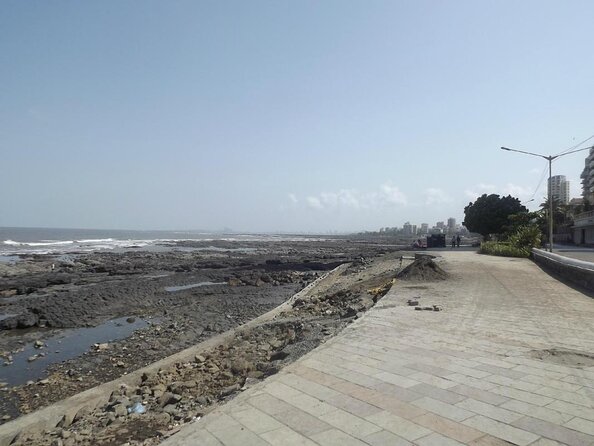
- Bandstand Promenade: the watchtower remains and the Mahim Bay view
- Bandra Fort (Castella de Aguada): names, spelling, and Portuguese roots
- Meeting point to ending point: making it easy to keep exploring
- Price and value: why $17.90 makes sense here
- Who this tour fits best (and who might want a different plan)
- Getting the most out of the walk
- Should you book the Bandra walking tour?
- FAQ
- How long is the walking tour?
- What is the tour price?
- What time does the tour start?
- Where do you meet, and where do you end?
- What stops are included?
- Is food or drink included?
- How large is the group?
- What is the cancellation policy?
Key highlights you’ll feel on this Bandra stroll
- St. Andrew’s Church (built by Portuguese Jesuits in 1575) set the tone for the whole neighborhood’s European links
- Ranwar shows how Bandra was originally made up of the 24 pakhadis (villages)
- Chimbai Village contrasts older village life with the more developed Bandstand area nearby
- Mount Mary Church (Basilica of Our Lady of the Mount) adds big spiritual presence to the shoreline walk
- Bandstand Promenade and its Portuguese watchtower remains give you sea views over Mahim Bay
- Bandra Fort (Castella de Aguada) ties place names and Portuguese influence into what you see today
Where this Bandra walking tour really shines
If you’ve only seen Bandra from Instagram photos or from the main roads, you’ll miss the story. This route is built around the area’s older layers—especially the Portuguese period—and it’s paced so you don’t feel rushed. With a 3-hour format and a group cap of 15, you get the best parts of a city tour without the herd feeling.
You’ll also appreciate how practical this is. Many stops are free to visit, and the tour keeps you outdoors with frequent points of interest. It’s the kind of outing where you can get your bearings fast in a neighborhood that can feel sprawling once you start walking.
And yes, the guide matters here. In the reviews, Roshita shows up again and again for helping people find the spots and understand what they’re looking at. That’s the whole point of paying for a guided walk in the first place: a local voice turns a street into a timeline.
You can also read our reviews of more walking tours in Mumbai

St. Andrew’s Church: starting where Bandra’s story begins
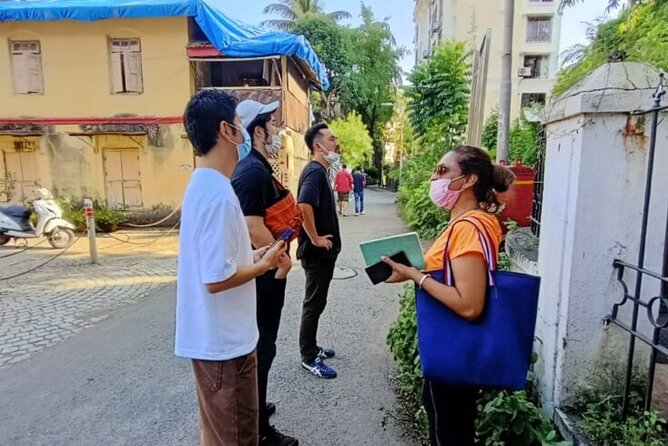
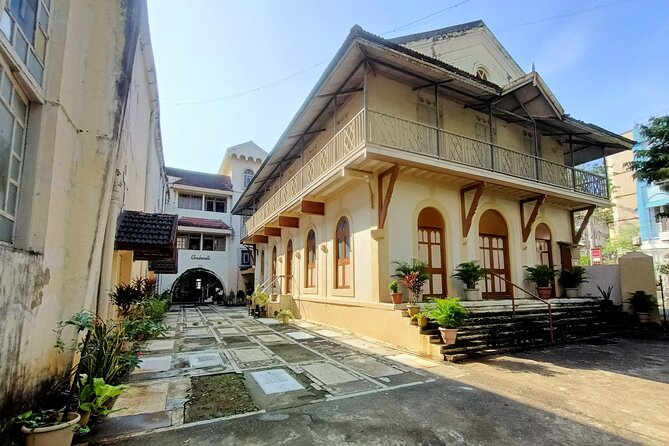
The walk kicks off at St. Andrew’s Church on Hill Road (115, Old Rajaram Wadi, Bandra West). It’s one of the oldest churches in Mumbai, and the key detail is its origin: Portuguese Jesuits built it in 1575.
This isn’t just a “nice church on a corner” stop. It’s positioned on the seashore of Bandra, and that seaside placement tells you something about why people settled and built where they did. The tour framing makes it clear that this was an early anchor for the area—back when Bandra was far from the modern suburb image people carry now.
What to watch for: slow down on the outside edges and surroundings. When a landmark is this old, the walls and setting usually matter as much as the building itself.
Potential drawback: this is the first stop, so if you arrive late or feel rushed at the start, you’ll lose some context. Try to be on time and settle in before you start moving.
Ranwar: the original village structure under Bandra West
Next, you head to Ranwar, described as the original of the 24 pakhadis—the villages that made up Bandra. That detail changes how you see the neighborhood. Instead of imagining Bandra as one uniform place, you start thinking in pieces: villages, boundaries, and local identities that existed long before today’s roads.
There’s also a bigger historical thread. When the British took Bombay away from the Portuguese in 1661, control didn’t happen instantly. The tour uses this moment to explain how political shifts take time to land on the ground. In a walking tour, that kind of context is what makes distant history feel relevant.
What to watch for: treat this stop like a “mental map” moment. You’re likely not standing in front of something dramatic and monumental; you’re learning how the suburb was organized at the start.
Chimbai Village: the quieter side of Bandra you might miss
Then comes Chimbai Village, which the tour frames in contrast to the more famous Bandra vibe. Unlike Ranwar’s role as part of the original structure, Chimbai is described as far from the development or artsy scene Bandra is known for. You’ll hear how it sits near Bandstand, where posh bungalows and high-rise buildings create a different feel.
This stop is useful because it prevents Bandra from becoming a single-note story. It also gives you a clearer sense of how uneven neighborhood growth can be—how older village areas and newer upscale zones can coexist in the same broader suburb.
What to watch for: the “in-between” streets and transitions. Even if the buildings aren’t as photogenic, the change in the neighborhood texture is the point.
Possible consideration: if you’re expecting every stop to feel like a major attraction, this one may feel quieter. But for planning purposes, it’s exactly the kind of contrast that makes the overall tour more memorable.
Mount Mary Church: Portuguese influence, Roman Catholic presence
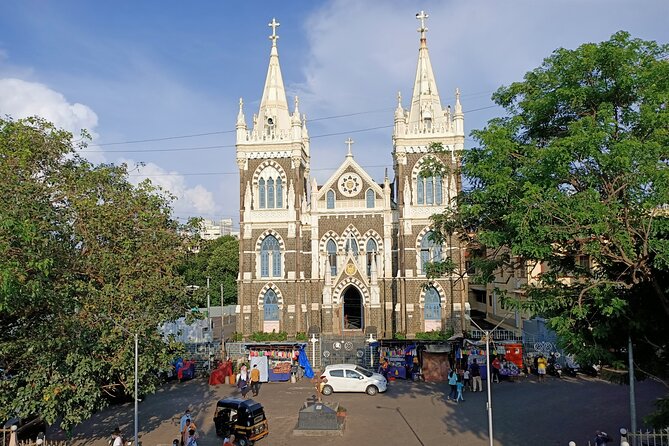
After Chimbai, you reach Mount Carmel Church, more commonly known as Mount Mary Church—a Roman Catholic basilica in Bandra. The tour notes its formal name: the Basilica of Our Lady of the Mount.
The church is tied to the feast of the Blessed Virgin Mary. The text you’re given during the tour references the feast happening here on its celebration day, which helps you understand why the building matters not just architecturally, but as a living place of worship.
What I find most helpful about this stop is that it keeps the Portuguese thread alive. Even if you’re not religious, you’ll still appreciate how European-era influence shows up as institutions people return to year after year.
Tip for your visit: look at how the church sits in the neighborhood. Basilicas tend to have an unmistakable sense of presence, and you’ll notice that quickly once you’re out of the smaller streets and in the area around it.



Bandstand Promenade: the watchtower remains and the Mahim Bay view
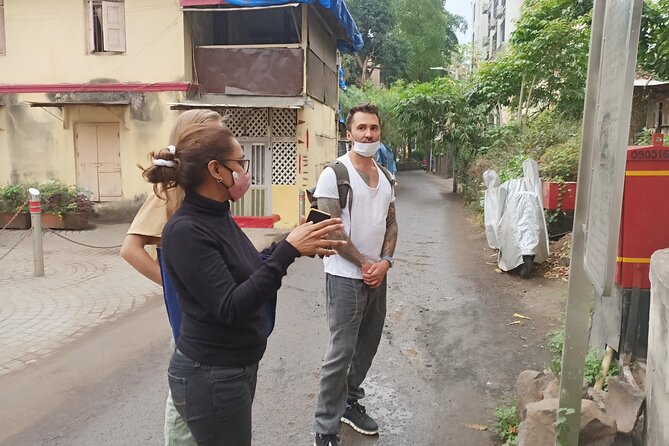
One of the most visual parts of the tour is the Bandstand Promenade area. The tour describes the remains of a 17th-century fort built by the Portuguese as a watchtower. It was strategically positioned to look out over Mahim Bay.
Even if you’re not a history nerd, forts and watchtowers make sense immediately: someone wanted eyes on the water and on ships. This is where the tour’s theme pays off—you’re standing in a location chosen for sightlines, and now you’re likely getting similar sea-view angles.
What to watch for: the shoreline direction and how far the view reaches. The best moments here are often the ones where you pause, look outward, and let the geography do the explaining.
Practical note: this is a 30-minute stop, so it’s not just a “look and go.” It’s long enough to settle into the view and take a few photos without feeling like you’re late to the next thing.
Bandra Fort (Castella de Aguada): names, spelling, and Portuguese roots
The final major fort stop is Bandra Fort, also referred to as Castella de Aguada. The tour connects the name to Portuguese language history and even to a spelling shift—“Castella” is described as a misspelling of the Portuguese word Castelo, and the fort is discussed with Portuguese builder naming in mind.
You’ll also hear a second name angle: it’s also known as Forte de Bandra (as referenced in the tour explanation). That kind of naming detail matters more than it sounds. Place names are often the first clue you get that a neighborhood’s history isn’t purely local—it’s layered through trade, power, and colonial relationships.
The tour gives this stop enough time to feel like a payoff: 30 minutes at the fort area. That’s a good length because fort sites often require a bit of pacing. Even if you only walk a short perimeter, you’ll want time to orient yourself.
What to watch for: how the fort location interacts with the wider shoreline and bay region. Watchtowers and forts were built for advantage, and it’s easier to understand that advantage once you’re standing where the builders chose to stand.
Meeting point to ending point: making it easy to keep exploring
This tour starts at St. Andrew’s Church and ends near Taj Lands End at Mount Mary. That ending point is convenient for continuing your day without needing a full extra plan.
It also helps you tie the two sides together. You begin with an older church foundation and end in the Mount Mary area, so the tour feels like a loop through the neighborhood’s main Portuguese-era and waterfront landmarks.
You’ll also be glad it’s described as near public transportation. That means if you’re tired later, you can usually switch to transit without feeling stuck miles from home.
Price and value: why $17.90 makes sense here
At $17.90 per person for around 3 hours, the price is low enough that you can treat it as a “neighborhood orientation” tour rather than a splurge. You’re paying for something specific: a professional local guide plus the structure that links landmarks into a story.
The value gets better because the stops are free where admissions aren’t charged (the tour notes free admission for the listed stops). You’re not paying extra again and again at ticket booths.
What you do need to bring to make the price feel fair: comfortable walking shoes and a water/snack plan, since food and drink are not included. If you handle that, this tour becomes a smart way to spend a late afternoon and leave with a better sense of Bandra’s identity.
Who this tour fits best (and who might want a different plan)
I’d book this walking tour if you want:
- a small-group experience rather than a big bus-style crowd
- Portuguese-era connections in Mumbai that you can actually see in the streets
- landmarks that include churches, shoreline fort remains, and neighborhood history pieces
You might choose a different style if you mainly want indoor museums or if you hate walking. This is outdoors for most of the way, and it’s about moving between stops where the context matters as much as the view.
Getting the most out of the walk
Here’s how to make the tour work for you, beyond just showing up:
- Listen closely at the first few stops. The Portuguese-to-British timeline thread helps everything later make sense.
- Use the quieter village moments (like Ranwar and Chimbai) to build a mental map. Those are the stops that keep you from feeling lost.
- Bring a small water bottle. You’ll thank yourself, especially since the tour doesn’t include food or drink.
- Save your biggest questions for the fort areas. When you can see the coastline and understand why a watchtower mattered, questions become easier to answer.
And if you’ve got a guide favorite, keep an eye out for yours. In the reviews, Roshita is repeatedly credited with helping people find the spots and understand why they mattered, not just where they were.
Should you book the Bandra walking tour?
I think this is a strong choice if you want an organized way to understand Bandra West without spending all day planning. The combination of Portugal-era landmarks, a 3-hour pace, and a 15-person group cap makes it feel personal and efficient.
Book it if you enjoy walking, want sea-and-fort viewpoints around Bandstand and Bandra Fort, and like your history connected to real places. Skip it if you’re looking for a food-focused outing or you want lots of rest breaks built in.
If you want a practical way to see why Bandra is called the Queen of the Suburbs—and to understand how Portuguese influence shaped what you see today—this is the kind of tour that delivers.
FAQ
How long is the walking tour?
The tour is approximately 3 hours.
What is the tour price?
It costs $17.90 per person.
What time does the tour start?
The start time is 4:00 pm.
Where do you meet, and where do you end?
You start at St. Andrew’s Church (115, Hill Rd, Old Rajaram Wadi, Bandra West, Mumbai). The tour ends at Taj Lands End, Mount Mary, Bandra West, Mumbai.
What stops are included?
The listed stops are St. Andrew’s Church, Ranwar, Chimbai Village, Mount Carmel Church (Mount Mary Church), Bandstand Promenade, and Bandra Fort (Castella de Aguada).
Is food or drink included?
No. Food and drink are not included.
How large is the group?
The group is capped at a maximum of 15 travelers.
What is the cancellation policy?
You can cancel for a full refund up to 24 hours in advance of the experience start time. Free cancellation is offered, and changes within 24 hours are not accepted.