REVIEW · MUMBAI
Essence of Mumbai : The Cultural Experience Tour
Book on Viator →Operated by Amaze Mumbai Tour · Bookable on Viator
A day like this hits Mumbai in the places you’d usually miss. This tour threads together three very different windows into life here: the Koli community, the Dhobighat open-air laundromat, and a gaushala for cows. Two things I like a lot are the hands-on access (you don’t just look down) and the smart use of local transport for real texture. The main drawback to consider is that it packs a lot into 4–5 hours, so you’ll be moving—train stations and Dhobighat can be busy.
You’ll also appreciate the built-in comfort: round-trip pickup and drop-off, an AC car, bottled water, and lunch included. In one review, people even singled out the guide, with Alan getting a special shout-out for patience and city know-how, which is exactly what you want when you’re bouncing between neighborhoods. Just keep expectations realistic: this is a cultural experience tour, not a sit-and-stare photo stop.
In This Review
- Key Things That Make This Tour Worth Your Time
- Meeting Your Guide and Getting Oriented in Mumbai
- First Stop: The Koli Community and Mumbai’s Original Roots
- Dabbawallas at the Station: The City Runs on Tiffin Logistics
- Traveling to Dhobighat: From Transit to Work in the Open Air
- Lunch at an Indian Restaurant: Fuel for a Full Half Day
- Gaushala Visit: Cow Welfare Through a Cultural Lens
- The Driver, the Transfers, and Why This Tour Feels Low-Stress
- Who This Tour Suits Best (and Who Might Want Something Different)
- Value and Price: What $54 Buys You in Real Terms
- Notes From Past Guests That Tell You What Matters
- Should You Book This Mumbai Cultural Experience Tour?
- FAQ
- What does the tour cost?
- How long is the tour?
- Is lunch included?
- Will I be picked up from my hotel?
- What time does the tour start?
- Do I need to print anything?
- Is the tour private?
- What stops are included?
- What’s included in the price besides the tour itself?
- What if I need to cancel?
Key Things That Make This Tour Worth Your Time
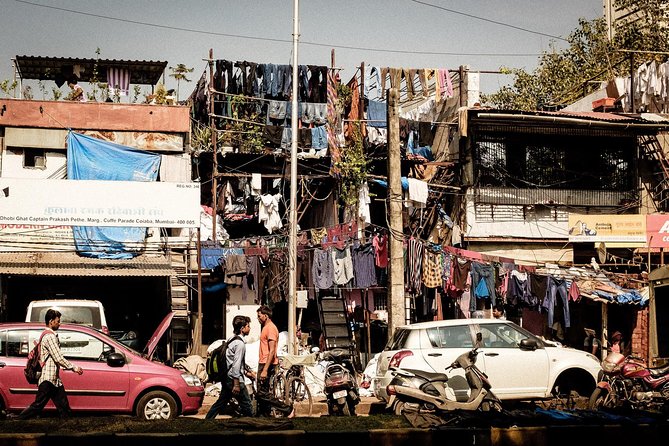
- Go inside Dhobighat, with an insider-style look instead of only viewing from above
- Meet the Koli community first, so Mumbai’s history connects to real daily life
- See dabbawallas in action and then ride the train toward Dhobighat
- Lunch is handled for you, served at an Indian restaurant on the route
- Visit a gaushala, with context on why cow welfare matters culturally
- Private group setup, plus hotel/airport/train-station pickup so you’re not hunting
Meeting Your Guide and Getting Oriented in Mumbai
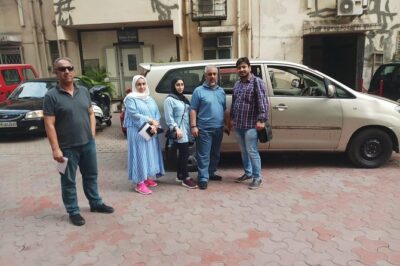
The tour starts with a simple promise: your guide and driver meet you at your hotel, airport, or train station. That matters in Mumbai because the city rewards momentum. If you show up on your own, you’ll waste time figuring out where to be and when.
You start around 10:00am most days, with timing that shifts slightly depending on where you’re staying. If your hotel is close to the Mumbai Airport, start time can be 9:45am. If you’re in central South Mumbai, start time is 10:30am. Either way, you get a guided arc rather than a random checklist.
This is also set up as a private tour for your group, with a dedicated English-speaking guide and transport in an AC vehicle. You’ll likely feel the difference immediately: you can ask questions in context, not between stops while everyone else herds you along.
One practical note: bring a phone you can use for navigation. The tour uses a mobile ticket, and it helps to have everything ready when your pickup happens.
You can also read our reviews of more tours and experiences in Mumbai.


First Stop: The Koli Community and Mumbai’s Original Roots
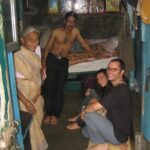
The day begins by visiting the Koli community. This is a smart opening move. Before you see the famous sights, you get the human story behind the city—people living in a fast-moving Mumbai right now.
You’ll have time for interaction with locals and learn what daily life looks like in a place that still carries deep local identity. The tour frames the Koli community as the first inhabitants of the city now known as Mumbai, which is a great reminder that Mumbai didn’t start as a skyline and a beach promenade. It started as communities shaped by work, land, and the rhythm of the coast and surrounding areas.
What I like about starting here: you’re not just collecting facts. You’re building a lens. Later, when you see the labor behind Dhobighat and the logistics of the dabbawallas, the culture piece feels less like an add-on and more like the point.
If you care about authenticity, this kind of stop usually delivers more than another viewpoint. It’s also where your guide can translate what you’re seeing into something you can actually understand.
Dabbawallas at the Station: The City Runs on Tiffin Logistics
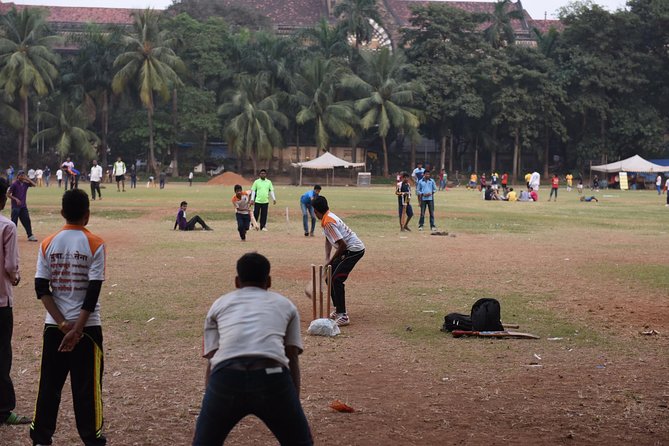
Next you head to a train station to see how the dabbawallas work. These are the tiffin carriers—people transporting lunchboxes (tiffins) as part of a century-old system. The tour doesn’t just name-drop. It sets you up to understand the logic: how a city of millions moves food on schedule through a huge transit network.
You’ll then take a train ride toward Dhobighat. That’s a key detail. Seeing the system from the platform is one thing; actually riding the train is where Mumbai’s pace becomes real. You’ll notice how everything feels practical, not performative.
Why this is valuable: the dabbawallas story is a lesson in organization and trust. It’s also a reminder that Mumbai’s culture is not only religious festivals and monuments. It’s infrastructure made by everyday workers.
A caution, just to keep you comfortable: train stations and platform areas can be crowded. It’s not unsafe, but you should expect movement, noise, and people weaving through. Your guide will manage timing and where to stand, but your best bet is to stay flexible with your footing and take photos quickly.
Traveling to Dhobighat: From Transit to Work in the Open Air
Once you reach Dhobighat, the mood shifts. Dhobighat is famous because it’s an open-air laundromat scene—washing and cleaning on a scale that’s hard to picture until you’re there. The tour’s promise is the difference-maker: you get an insider-style look, not just a view from above.
This is also where your guide’s role becomes extra important. An area like this can look chaotic from a distance, but with context you start seeing routines—how people work, how spaces are used, and how the overall process fits together.
You’ll typically get time to walk through and watch, with explanations that connect what you’re seeing to the lived reality of Mumbai. If your favorite kinds of travel experiences are the ones built around work and local systems—rather than souvenir stops—this section is the heart of the tour.
What to expect on the ground:
- You’re near an active working environment, so it’s not like a museum
- You’ll be close to activity, with people doing the tasks of laundry all around you
- The tour format is meant to help you understand the process, not just photograph it
If you’re sensitive to strong smells or wet environments, consider that Dhobighat is literally a working laundry area. That’s part of the authenticity. Just know what you’re signing up for.
Lunch at an Indian Restaurant: Fuel for a Full Half Day
Lunch is included, served at an Indian restaurant after the Dhobighat segment. This is one of those quiet travel wins. Mumbai food is everywhere, but when you’ve got a timed route, figuring out where to eat can slow you down fast.
By building lunch into the itinerary, the tour keeps you moving and also avoids the awkward moment where you’re hungry and everyone’s guessing. You’ll get a break from the street-level sprint, and you can ask your guide questions while you eat.
I like tours that do this because it protects your energy. A cultural day with train time and active neighborhoods needs a real reset.
Since the restaurant is not described in detail, I’d treat lunch as “classic Indian meal included,” rather than expecting a specific specialty. The value is more about not having to plan it.



Gaushala Visit: Cow Welfare Through a Cultural Lens
After lunch, you head to a gaushala, described as a protective shelter for cows in India. This stop matters because it turns a religious and cultural topic into something you can see in practice.
The tour explains the cultural sensitivity behind cow welfare—rooted in Hinduism and the significance of cows. Instead of treating it as a lecture, you get the chance to visit and understand why gaushalas exist.
This is a good counterbalance to the earlier sections. Dhobighat shows labor and daily survival systems. The Koli community adds local origin and community identity. The gaushala adds values—how belief shapes care for animals.
If you’re someone who likes culture that’s more than architecture, this part can be unexpectedly moving. It’s also an easy way to learn without feeling like you’re in a classroom.
One consideration: animal-related places often have their own rules and routines. Follow what your guide says about where to stand and how to behave around the space.
The Driver, the Transfers, and Why This Tour Feels Low-Stress
Transport is included the whole way: private vehicle with an AC driver, plus hotel pickup and drop-off. That’s not just convenience fluff. In Mumbai, traffic and distances can swallow half a day if you’re working it out on your own.
With pickup covered, you start the tour without the usual stress of coordinating directions, ticket types, and meeting points. Your guide and driver also handle timing between stops, so you’re not constantly asking where to go next.
There’s also bottled water included. It’s a small line item, but it matters when you’re walking around active areas and spending hours outside your hotel air-conditioning.
And yes—there’s group discount and a mobile ticket, which can help if you’re booking with friends. If you’re traveling as a small group, this format usually gives better value than hopping between multiple unrelated activities.
Who This Tour Suits Best (and Who Might Want Something Different)
This tour is a strong fit if you want Mumbai culture that’s practical and lived-in:
- You like the real mechanics of the city—trains, schedules, work routines
- You’re interested in community life (Koli community), not just landmarks
- You enjoy learning through direct observation (Dhobighat) rather than only through stories
- You want lunch handled and transport organized
It may be less ideal if you want a slow, gallery-like day. This route has a rhythm: neighborhood start, station and train, Dhobighat work area, lunch, then gaushala, then you’re back out toward your drop-off.
You also need to be comfortable with crowds and active environments. Dhobighat and stations won’t feel empty.
Value and Price: What $54 Buys You in Real Terms
At $54 per person, the big question is whether you’re paying for sights or paying for logistics plus access. In this case, I think it’s the second.
You’re getting:
- A dedicated English-speaking guide
- Round-trip transfers with hotel pickup and drop-off
- AC private transport
- Lunch included
- Bottled water
- A route that uses a train ride and includes an insider-style look at Dhobighat (not just a distant view)
When you price those pieces individually—guide time, transport time, a guided stop with context, and food included—this starts to feel less like a “cheap city tour” and more like a well-structured half-day package.
The other value angle: it’s private for your group. Even if the city is busy, your experience isn’t shared with strangers constantly cutting in line for photos or blocking your view.
If you’re optimizing for value, this is one of those tours where you actually feel the inclusion of lunch and transfers rather than just reading about them.
Notes From Past Guests That Tell You What Matters
One review highlighted asking for a guide named Alan, calling him patient, thoughtful, and full of cultural and historical knowledge. That lines up with what you want for a tour like this: someone who can translate fast-changing Mumbai life into something you can understand while you’re standing in it.
Another review mentioned being met by Amaze representatives outside the green gate at a cruise terminal, with a driver then taking them to meet the guide at the laundromat. That detail suggests the team is used to handling different arrival points—not just hotels.
You don’t need these anecdotes to book. But they do reinforce a theme: the tour is about guided access and real clarity, not just moving you from one dot to another.
Should You Book This Mumbai Cultural Experience Tour?
I’d book it if your ideal Mumbai day includes community life, work in action, and a couple of places that explain values. The combination of Koli community interaction, the dabbawallas train segment, a true inside look at Dhobighat, and a gaushala visit makes the tour feel like a connected story of Mumbai—how people live, work, and care.
I wouldn’t book it if you want minimal walking, quiet crowds, or a slow pace. It’s designed for momentum, with train time and active stops.
Quick check before you decide: if the idea of seeing laundry work up close doesn’t sound like your thing, choose a different kind of tour. But if you like grounded, real-world culture, this one has a lot going for it.
FAQ
What does the tour cost?
The price is $54.00 per person.
How long is the tour?
It runs about 4 to 5 hours.
Is lunch included?
Yes. Lunch is included in the tour fees.
Will I be picked up from my hotel?
Yes. Hotel pickup and drop-off are included. Your guide and driver meet you at your hotel, airport, or train station.
What time does the tour start?
Start time is 10:00am for most guests. It can be 9:45am if your hotel is near the Mumbai Airport, or 10:30am if your hotel is in central South Mumbai.
Do I need to print anything?
No. The tour uses a mobile ticket.
Is the tour private?
Yes. It’s listed as a private tour/activity, meaning only your group participates.
What stops are included?
You’ll visit the Koli community, see how dabbawallas work, experience Dhobighat (including an insider-style view), and visit a gaushala. Lunch at an Indian restaurant is included.
What’s included in the price besides the tour itself?
Included items are bottled water, lunch, AC car with driver and a dedicated English-speaking guide, and transport by private vehicle.
What if I need to cancel?
Free cancellation is allowed up to 24 hours in advance of the experience start time for a full refund. Changes inside that window aren’t accepted.