Mumbai hits you fast. In one long day, this guided route strings together old-world landmarks and modern sea-and-sky moments, with a storyteller who helps you make sense of what you’re seeing. I like that it’s built for first-time visitors who want structure without feeling trapped. You also get practical value: pickup, a private car, and lunch plus snacks are part of the deal.
The trade-off is time. Mumbai traffic can stretch the schedule, and the day moves at city pace—so you’ll have to accept that not every stop feels like a long, relaxed visit. One more thing to consider: while the guide is usually strong (one praised guide, Virushali, was described as fun and patient), there has been at least one reported case where the guide was replaced by a driver with less cultural context. If storytelling is your top priority, that’s worth keeping in mind.
In This Review
- Key things I’d focus on before you book
- A first-timer Mumbai day in one ride
- Price and what it really includes (and what might not)
- Pick-up point, end point, and why the routing matters
- Stop 1: Gateway of India and the statues around Colaba
- Stop 2: Chhatrapati Shivaji Maharaj Vastu Sangrahalaya and the art corridor
- Stop 3: Chhatrapati Shivaji Terminus (Victoria Terminus) heritage views
- Stop 4: Dhobi Ghat, the open-air laundry scene
- Stop 5: Haji Ali Mosque and nearby religious stops
- Stop 6: Hanging Gardens, Ambani House area, and temples in the same breath
- Stop 7: Marine Drive and the Queens Necklace feeling
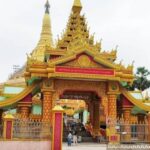
- Stop 8: Shri Swaminarayan Mandir and Siddhi Vinayak Temple
- Stop 9: Bandra-Worli Sea Link, Bandra Fort, and the Bandstand area
- Stop 10: Juhu Beach and ISKCON Juhu for a relaxed ending
- Lunch, snacks, and the local-food advantage
- Flexibility and monsoon reality: how the day can change
- Guide quality: when it’s great, and when you should protect your expectations
- Who this tour suits best (and who might want another plan)
- Should you book this Mumbai full-day city tour?
- FAQ
- How long is the Mumbai sightseeing tour?
- Where does the tour start and where does it end?
- Is pickup included?
- Is this a private tour?
- What language is the guide likely to speak?
- What’s included in the price?
- Are entrance fees always included?
- What if it rains during monsoon season?
- Can I cancel for a full refund?
Key things I’d focus on before you book
- Tight first-timer route (8 hours) that hits major Mumbai landmarks without you needing to plan
- Lunch, snacks, and a local-food stop built into the day
- Entrance fees for most stops included, but some attraction tickets may not be
- Religion-and-life explanations from an English-and-Hindi guide, not just photo stops
- Flexible day pacing for weather, helpful during monsoon season
- Traffic is real: the itinerary is ambitious, so buffer time helps
A first-timer Mumbai day in one ride
If you’re arriving in Mumbai with limited time, this tour is designed to get your bearings quickly. You start in the Colaba area and work outward and back toward the sea—so you’re constantly switching between historic landmarks, working city scenes, and big coastal views. The “full day” format matters here: you don’t just see buildings, you see how Mumbai life looks in different neighborhoods.
What makes the day work is the variety of stops. You get a mix of monuments, faith sites, and public-city spaces—plus a few modern showpieces where you can read the city’s “now” as well as its “then.” If you like learning why certain places matter to locals, this is a good match because the guide’s role is storytelling, not just driving you around.
You can also read our reviews of more guided tours in Mumbai


Price and what it really includes (and what might not)
The price is listed as $131.42 per group (up to 3), and it’s described as a private experience where only your group participates. That’s a key value point: you’re not paying per person for a bus crowd. If you can travel with two others (or split costs), the per-seat value can feel much better for a full-day guide + car.
In practical terms, you should budget for an all-day flow that covers:
- pickup and transport by car
- snacks and lunch at a local favorite spot
- water bottle and snacks are mentioned in the inclusions list
- entrance fees are included for most attractions
But there are also small inconsistencies you should plan around. Bottled water is listed under not included, while a water bottle is listed under included. I’d treat this as a reason to bring a backup water source just in case the bottle situation differs on the day. Similarly, entrance fees are described as included for most stops, yet the museum stop notes admission is not included—and there’s also a note saying entry fees for historical sites aren’t included. Translation: you should expect that at least one ticket may be your responsibility.
Pick-up point, end point, and why the routing matters
You meet at Gateway of India area (Apollo Bandar, Colaba) and the tour ends near Marine Lines. That routing is more than logistics—it shapes the story of the day. You begin where Mumbai’s seaside identity is strongest, then you gradually move through inner-city landmarks, faith sites, and landmark viewpoints that explain the city’s geography.
At the start, you’re positioned for classic photo angles and quick context. Near the end, you’re set up close to the seafront again, which is handy if you want to keep exploring after the tour finishes. If you’re trying to reduce transit time on your own, this “structured start and finish” helps a lot.
Stop 1: Gateway of India and the statues around Colaba
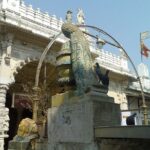
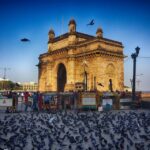
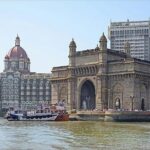
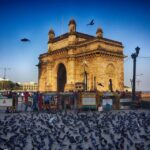
You’ll start at the Gateway of India, with the route also covering the Vivekanand & Shivaji Statue area. This is a strong opener because it’s instantly recognizable and easy to orient from. Even if you only have a short attention span at the start of the day, the guide can use this as a foundation to explain how Mumbai grew into a place where empire-era architecture, public gathering spaces, and local identity all overlap.
Practical note: expect this to be busy and photo-heavy. If you want a calmer experience, aim for a slower rhythm at this stop—listen first, then take photos after the group moves on a bit.
Stop 2: Chhatrapati Shivaji Maharaj Vastu Sangrahalaya and the art corridor
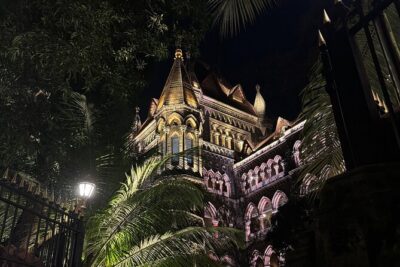
Next up is Chhatrapati Shivaji Maharaj Vastu Sangrahalaya (the stop includes an hour for the broader visit). The itinerary mentions that the Regal Cinema, Wellington Fountain, and Jehangir Art Gallery are part of the sights around this area, along with Bombay High Court and other landmarks you pass on the way.
Here’s the catch: admission to the museum is specifically noted as not included for this stop. So you’ll want to plan either to pay on your own, or to treat the stop as more of a viewing and orientation window depending on what your guide chooses to do that day.
Why this part is worth it: the museum stop is a bridge between “city life you see from outside” and “culture you can understand through collections and interpretation.” Even if you skip deeper entry, the area walk helps you understand the city’s official and artistic layers.
You can also read our reviews of more city tours in Mumbai



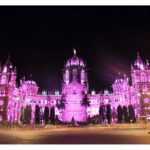
Stop 3: Chhatrapati Shivaji Terminus (Victoria Terminus) heritage views
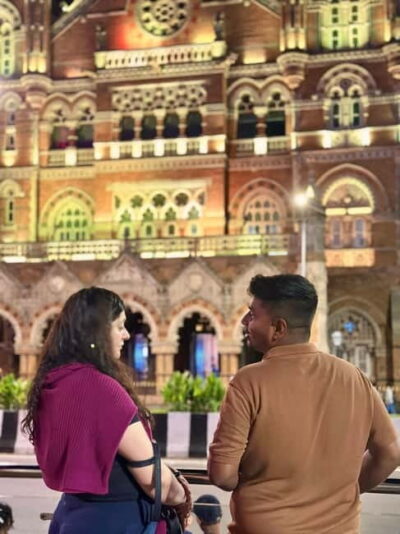
A short stop at Chhatrapati Shivaji Terminus gives you a heritage-oriented moment. The tour frames it as a heritage view, with about 30 minutes here. That time is just enough to get key angles and hear the basics without turning this into a half-day event.
This is also a smart point for pacing. After museum-area streets, a quick heritage-photo-and-story stop can reset your brain. If you’re tempted to rush: don’t. Ask a simple question like what the guide wants you to notice most, then let that lead your photos.
Stop 4: Dhobi Ghat, the open-air laundry scene
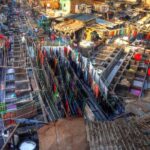
Then you hit one of Mumbai’s most memorable everyday sights: Dhobi Ghat (Mahalaxmi Dhobi Ghat), described as an open-air laundromat, a working lavoir. This is where the tour shifts from “landmarks” to “life in motion.”
You’ll have around 30 minutes, which is just enough to see what’s happening and understand why this place stays on the city’s must-see list. The guide’s explanations matter here because it’s easy to take photos without truly grasping the work and routines behind the scene.
If you’re sensitive to crowds or noise, know that this stop can feel intense. Keep your expectations realistic: you’re observing, not performing. And if you want better photos, position yourself slightly off to the side when possible and wait for brief openings between people moving through.
Stop 5: Haji Ali Mosque and nearby religious stops
Next is Haji Ali Mosque (also noted as Haji Ali Dargah), with the tour also covering Mahalaxmi Temple and other attractions along the way. This stop is scheduled for about an hour.
This is the heart of what makes the tour more than sightseeing. The guide is set up for conversations about religious aspects, beliefs, and local importance. That can turn a standard temple/mosque visit into something you understand on a human level rather than just reading from signage.
Practical tip: wear something comfortable for walking and be ready for possible mosque/temple etiquette questions. The tour duration gives you time to listen, not just pass through quickly.
Stop 6: Hanging Gardens, Ambani House area, and temples in the same breath
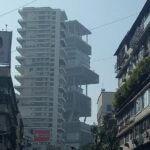
Hanging Gardens is a standout stop because it bundles several places together in about an hour: Antilha (the Ambani House), hanging-garden viewpoints, Deoras house, Jain Temples, Kamla Nehru Park, Babulnath Temple, and ISCKON Temple.
That mix is exactly why this tour works for “learn Mumbai, don’t just list sights.” One hour here can feel packed, but the variety helps you see how Mumbai can place major landmarks, religious spaces, and public parks close enough that locals treat them as part of the same lived geography.
If you’re someone who prefers one temple experience at a slower pace, you might feel the time pressure. Still, you’ll leave with a mental map of where different cultural identities sit side-by-side in this part of the city.
Stop 7: Marine Drive and the Queens Necklace feeling
Then you’ll move to Marine Drive, with emphasis on Queens Necklace and nearby points. This is one of those stops where the “what” is simple—sea, road, skyline—but the “why it matters” is the perspective. Marine Drive is a Mumbai classic, and having it in the itinerary gives you a visual way to understand the city’s coastal identity.
The stop is around 30 minutes. That’s short enough to keep it efficient, but long enough for a pause if the guide suggests a good viewing angle. If you can, take one slow moment here to just watch how people move along the promenade area.
Stop 8: Shri Swaminarayan Mandir and Siddhi Vinayak Temple
A longer faith stop follows: Shri Swaminarayan Mandir and Siddhi Vinayak Temple, scheduled for about an hour. This is your chance to experience another layer of Mumbai’s religious architecture and devotion styles.
The guide’s explanations help again because you’re not just learning names; you’re learning the meaning of what you see. If you’re visiting Mumbai as a cultural learner, this is where the tour tends to reward you the most.
Stop 9: Bandra-Worli Sea Link, Bandra Fort, and the Bandstand area
Now for modern engineering and coastal drama: Bandra-Worli Sea Link plus Bandra Fort, Basilica of Our Lady of The Mount, Bandstand, and Linking Road. This stop runs for about an hour.
This part is valuable if you’re trying to balance Mumbai’s heritage vibe with its current-scale ambitions. Even if you don’t want to spend ages in each specific site, the route helps you see how the city connects neighborhoods and how views from different angles change your sense of distance and layout.
One practical reality: this area and road sections can involve traffic slowdowns. Keep your phone charged and your expectations flexible—this is where timing stress can show up.
Stop 10: Juhu Beach and ISKCON Juhu for a relaxed ending
Finally, you reach Juhu Beach, with stops that include ISKCON Juhu and Juhu Beach Vile Parle. You’ll have about an hour.
Ending with a beach stop is a smart tour design choice. It gives you a decompression window after the dense day of temples and city sights. If you want a quieter souvenir-moment or a simple stretch of open air, this is it.
As a final note: the day is long—so don’t spend your whole Juhu hour sprinting for photos. Let it be your “wrap-up” stop.
Lunch, snacks, and the local-food advantage
One big plus built into this experience is food time that doesn’t feel like a random interruption. Lunch and snacks are included, and the schedule is set around a local favorite spot.
That matters for value. You’re paying for a guided day, so it’s nice when meal planning isn’t on you. And if you care about what locals actually eat and where they go, a guide-led meal stop usually helps you avoid the tourist-trap guessing game.
Just remember: the tour includes snacks and says water bottle availability varies depending on the inclusion notes, so keep that in mind if you’re sensitive to hydration on a hot walk-and-car day.
Flexibility and monsoon reality: how the day can change
This tour can be customisable and flexible, which is especially helpful during monsoon season when weather can disrupt plans. Instead of feeling like you’re locked into a rigid schedule, you may get adjustments that help you stay comfortable and still hit the main highlights.
That said, Mumbai traffic remains the wild card. The day covers a lot, and you may not be able to squeeze in everything at the exact timing window. My advice is to treat the itinerary as a roadmap, not a stopwatch—and to go with curiosity rather than rushing from one angle to the next.
Guide quality: when it’s great, and when you should protect your expectations
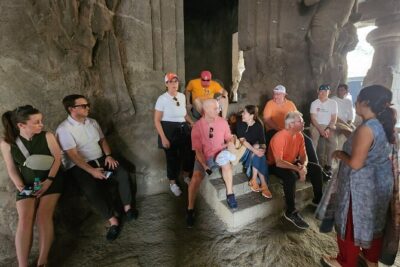
The guide is a central part of the experience. This tour lists a friendly storyteller who speaks English and Hindi, and the best moments of the day tend to come from explanations, not just driving.
A praised guide name that comes up is Virushali, described as fun and knowledgeable, with patience and clear explanations. That’s exactly what you want on a packed day with lots of religious and historical elements.
Still, there’s a small risk element. One reported experience involved the guide getting sick, with a replacement driver handling things with less communication and cultural detail. You can’t control that, but you can reduce disappointment by deciding what you personally need most. If you’re booking for the full storytelling experience, ask any pre-tour questions you can, and be ready to switch to a more observation-focused mindset if the guide situation changes.
Who this tour suits best (and who might want another plan)
This is a good fit if:
- you’re a first-time visitor who wants a broad introduction
- you have limited time and want major stops without planning transport
- you like religion and culture context, not just “see this, next”
- you want included lunch/snacks and a car so you can rest between stops
You might want a different approach if:
- you prefer slow, deep museum time (some admissions may not be included)
- you want a very relaxed pace with minimal switching
- you’d be unhappy if the guide’s storytelling quality drops due to illness or replacement
Should you book this Mumbai full-day city tour?
I’d book it if you want a guided loop that helps you understand the city fast—especially if you value religious context, included meals, and a car that handles the distances.
I’d hesitate if you’re the type who plans around exact entry tickets and perfect timing. The schedule is ambitious, and traffic can shift what feels realistic within each stop window. Also, since at least one ticket might not be included and bottled-water notes conflict, come prepared with small flexibility: cash/card for any extra admissions, and your own water backup just in case.
If you’re flexible, curious, and happy to learn by walking and listening, this tour is a strong way to get your Mumbai story started in one day.
FAQ
How long is the Mumbai sightseeing tour?
The tour is listed as about 8 hours.
Where does the tour start and where does it end?
It starts at the Gateway of India area (Apollo Bandar, Colaba) and ends near Marine Lines, Mumbai.
Is pickup included?
Yes, pickup is offered.
Is this a private tour?
Yes. It’s described as private, so only your group participates.
What language is the guide likely to speak?
The tour includes a storyteller/guide who can speak English and Hindi.
What’s included in the price?
Lunch and snacks are included, along with a car for the destinations, and a water bottle and snacks are listed among inclusions. Entrance fees are said to be included for most attractions.
Are entrance fees always included?
Entrance fees are included for most attractions, but the museum stop lists admission as not included, and there’s also a note that entry fees to historical sites aren’t included. Plan for the possibility of paying for at least one ticket.
What if it rains during monsoon season?
The tour is described as customizable and flexible, and monsoon weather can make things challenging—so flexibility is a key reason people choose it.
Can I cancel for a full refund?
Yes. You can cancel up to 24 hours in advance for a full refund. If you cancel less than 24 hours before, it isn’t refunded.