REVIEW · MUMBAI
Life In Dharavi: A Guided Tour Of Dharavi Slum
Book on Viator →Operated by Young Tours And Travel · Bookable on Viator
Dharavi sits beside Mumbai’s skyscrapers. A guided visit here is a fast reality check: you’ll learn how people live, work, and talk about the future in one of the world’s most famous “poverty vs. opportunity” neighborhoods, without relying on movie stereotypes. This is a private tour led by an English-speaking guide, focused on what life looks like from the inside.
I love the practical comfort: hotel pickup by air-conditioned vehicle and bottled water so you can keep your pack light. I also like the way the tour connects daily life to small businesses, including glimpses of work such as plastic recycling, soap making, and pottery production.
One possible drawback: this is not a casual sightseeing stroll. Expect a more serious, sometimes emotional visit, with limited time for wandering at your own pace.
In This Review
- Key points before you go
- Why a guided Dharavi tour feels different than the movie version
- Price and logistics: what $54 actually covers
- Hotel pickup: a smoother start than you might expect
- Dharavi’s location: prime property next to a working-city reality
- Inside the tour: what you’ll actually see in Dharavi
- Conversations about development: learning without turning it into a debate
- Guides who bring it personal: Bharti and Divya
- How long it lasts and how to pace yourself
- Comfort and packing: small things that keep you at ease
- Lunch not included: don’t let meal timing derail the mood
- Who should book this private Dharavi tour
- Should you book Life In Dharavi?
- FAQ
- How long is the Life In Dharavi guided tour?
- What is included in the price?
- Is hotel pickup included?
- Is lunch provided?
- Will I have an English-speaking guide?
- Is this tour private or shared with other groups?
- Is bottled water provided?
- Can I cancel for a full refund?
- Are service animals allowed?
Key points before you go
- Local insight, not a script: your guide explains Dharavi through people who live there, plus conversation-style learning.
- Air-conditioned hotel pickup: easier logistics than you’d think for a neighborhood that can feel hard to navigate.
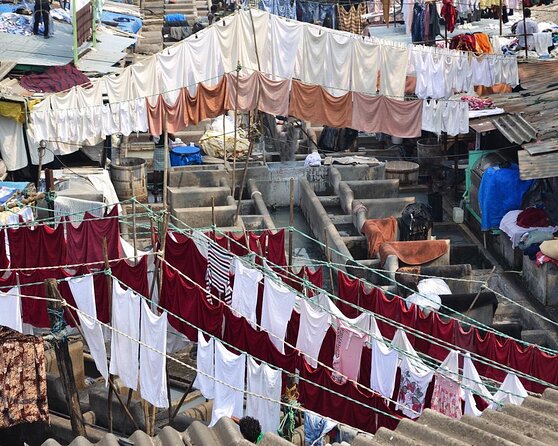
- You’ll see work in motion: small-scale industries show how daily income and skills get built and maintained.
- Bottled water included: simple but helpful for a 4-hour outing.
- Guides with deep family roots: examples include Bharti (multi-generational) and Divya (a pioneering first female guide from Dharavi).
- Private means personal attention: it’s only your group, so questions feel less rushed.
Why a guided Dharavi tour feels different than the movie version
Dharavi is the setting many people know from Slumdog Millionaire, but a good guide steers the story away from film drama and toward real routines. The tour is built around listening. You’ll hear how residents describe their lives, what keeps them going, and how they think development should work.
What makes this experience especially interesting is the contrast built into the location. Dharavi sits on prime property in central Mumbai, yet it’s home to more than a million people. It’s also part of the city’s working machinery: many residents are second-generation, and many commute because Dharavi sits between Mumbai’s main suburban rail lines.
If you’re the type who feels frustrated by surface-level “poverty tourism,” this private format helps. You’re not dropped off into a chaos zone. You’re guided with context and translation, and you can ask direct questions in plain language.
You can also read our reviews of more guided tours in Mumbai



Price and logistics: what $54 actually covers
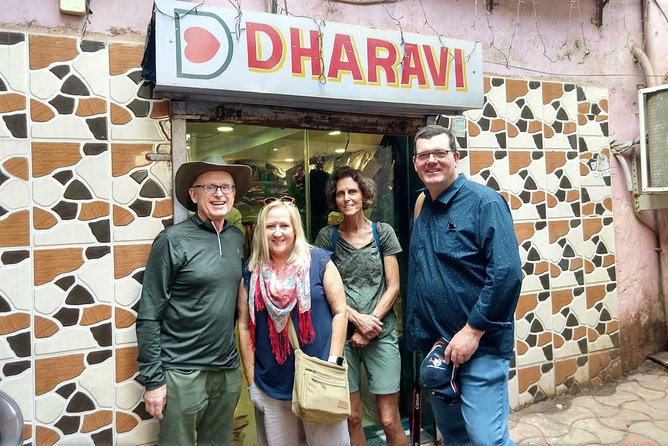
At $54 per person for an approximately 4-hour private experience, the value comes from what’s included. You’re not just paying for a walk and a talk. You’re paying for:
- Private transportation (including air-conditioned travel)
- Bottled water
- A guided visit with entry included for the Dharavi stop
- Private, group-only attention
When you compare that to cobbling together transport, hiring a guide, and then paying entry separately, the price starts to make sense. Also, this is the kind of tour where timing matters. Getting to and from the neighborhood smoothly lets you spend more of your limited time learning rather than figuring things out.
It helps too that the experience has an extremely strong track record: a 4.9 rating and 99% recommendation rate. That doesn’t mean every moment will match your preferences, but it’s a solid signal that the guides tend to get the tone right.
Hotel pickup: a smoother start than you might expect
The day begins with pickup from your hotel, with travel in an air-conditioned vehicle. That might not sound exciting, but it matters in Mumbai. You’ll get to Dharavi without spending your mental energy on route planning.
Bottled water is provided, which is a small detail that makes a big difference for comfort. You’ll likely walk during the visit, and it’s easier to pack lighter when you know water is covered.
This tour also doesn’t rely on you being a confident navigator. It’s near public transportation, but the point is that your guide and driver handle the logistics so you can focus on the experience.
Dharavi’s location: prime property next to a working-city reality
Here’s what I find striking about Dharavi once you hear the facts: it’s not an isolated world. It’s right in the middle of Mumbai.
- Dharavi is home to more than a million people
- Many residents are second-generation, meaning families moved in years ago and stayed
- House rents in Mumbai are extremely high, so Dharavi offers a cheaper foothold for people earning their living in the city
- Daily wages can be as low as 185 rupees per day
- Its location between major suburban rail lines makes commuting practical for work
That combination explains why Dharavi exists the way it does. It’s not only about housing. It’s also about jobs, transit access, and the math of staying afloat in a major global city.
A guided explanation helps you avoid turning these details into a simplistic “good/bad” story. Instead, you get a more accurate picture: people make choices under pressure, and the neighborhood is shaped by both constraints and entrepreneurship.
Inside the tour: what you’ll actually see in Dharavi
The visit focuses on Dharavi life through daily routines and small businesses. In practice, that means you’ll move through parts of the area where work is happening and learn what the trades are for.
One of the most praised parts of the experience is the chance to see industry up close. In guide-led tours, that can include:
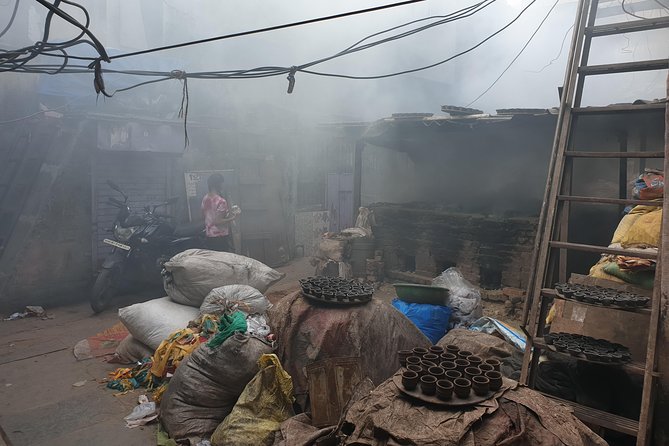
- Plastic recycling, a common industrial thread in Dharavi
- Soap making, showing how household products are produced locally
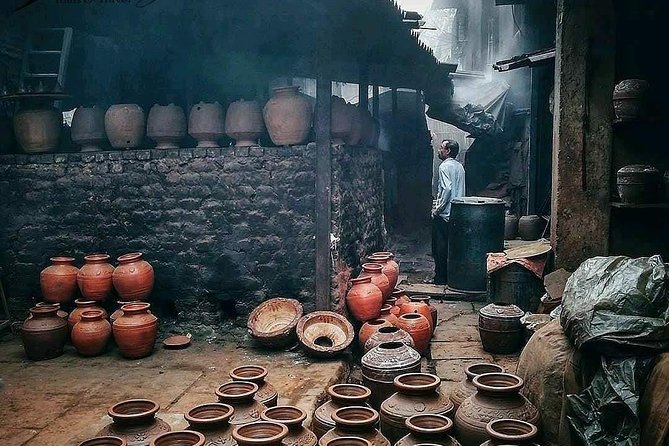
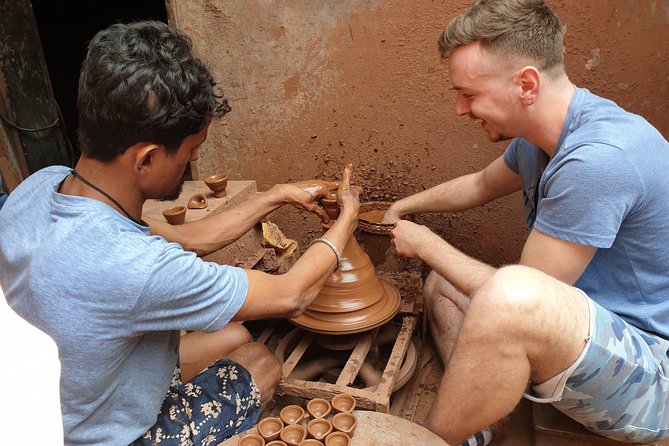
- Pottery work, connecting skills to both tradition and sales
Even if you’re not a manufacturing person, these stops help you understand why people stay. Work isn’t a side note here. It’s a core reason the neighborhood functions.
You’ll also spend time learning about plans for development. The tone is important: the tour is designed to explain what residents want and what changes might look like, rather than treating Dharavi like a problem to be solved by outsiders.



Conversations about development: learning without turning it into a debate
A big part of this tour is the talk. You’ll learn about plans for development from your guide, and you’ll engage with people who live there. That gives you a different kind of knowledge than reading a brochure.
The value isn’t only the information. It’s the change in your perspective. You get to hear how residents describe priorities, tradeoffs, and what they think should come first. In places like this, development is never just architecture. It touches income, housing stability, and everyday access to work.
If you’re going to ask questions, keep them direct and respectful. Focus on practical things:
- What does daily life look like, right now?
- How do people make a living day to day?
- What do residents hope improves, and what do they fear might worsen?
That kind of approach keeps the conversation grounded.
Guides who bring it personal: Bharti and Divya
One reason this tour earns such strong marks is the guides. Two names stand out from the local experience you’re likely to encounter:
Bharti
- She has lived in Dharavi her entire life.
- Her family connection is multi-generational, with children described as 5th generation.
- Her English and knowledge are noted as strong, which matters when you’re learning something complex.
Divya
- She’s described as a pioneer as the first female guide from Dharavi.
- She’s also mentioned as a local celebrity, which signals community recognition, not just a random credential.
Why does this matter to you? Because a local guide isn’t only translating language. They’re translating context. They know what sounds obvious to residents, and what outsiders often misunderstand. That’s what turns a tour from awkward to genuinely educational.
How long it lasts and how to pace yourself
The overall experience runs about 4 hours. The Dharavi visit itself is about 3 hours. That means you’ll need to plan for a concentrated block of time, not an all-day outing.
Here’s what pacing likely feels like:
- You start with pickup and travel.
- You spend the bulk of the time in Dharavi learning and seeing small industries.
- You return after the guided portion.
Because lunch isn’t included, you’ll want to think ahead. Either eat before you go or plan to eat right after. When you’re in a serious, information-heavy setting, hunger can crank up emotions fast, and you’ll want to avoid that.
Comfort and packing: small things that keep you at ease
Even though this isn’t described as a “bring a giant kit” tour, comfort still counts. Here are practical ways to prepare based on what’s included:
- Bring a small water-ready plan, but remember bottled water is provided.
- Pack light since you’re not expected to carry food or extra drinks.
- Wear shoes you’re comfortable walking in for a few hours.
Also, keep the tone respectful. You’re entering a working neighborhood, not a museum. If you’re unsure how to behave around people working, just follow your guide’s lead.
Lunch not included: don’t let meal timing derail the mood
Lunch is explicitly not included. That’s not a deal-breaker, but it means you should schedule the meal around the tour.
A simple strategy:
- Eat a normal meal before pickup so you don’t get hungry during the more intense parts.
- After the tour, grab food nearby or head back toward your hotel area.
You’ll enjoy the conversation more when your body feels stable.
Who should book this private Dharavi tour
This fits best if you:
- Want to learn about life and work from residents, not just take photos
- Like guided context and Q&A with an English-speaking guide
- Prefer private attention over squeezing into a large group
- Are comfortable with a serious subject while still seeking understanding
It might be less ideal if you’re looking for a typical “top attractions” style day, or if you strongly dislike heavy topics. Dharavi is about real economic pressure and real lives, and the tour reflects that.
The good news: it’s private, so you can ask for clarity if anything feels confusing.
Should you book Life In Dharavi?
I’d recommend booking this tour if your goal is understanding, not spectacle. The strongest reasons to go are the things you can’t easily recreate on your own: a local guide’s perspective, a focused route through Dharavi’s working reality, and the chance to talk about development plans in a grounded way.
Book it if you value the included comforts too: hotel pickup, air-conditioned transport, bottled water, and a private format where your group gets real attention.
Don’t book it if you want a casual, light-hearted neighborhood walk or a long free-time experience. This is a concentrated, serious visit. If that matches your travel style, you’ll likely come away with a clearer picture of how Dharavi works and why it matters to Mumbai.
FAQ
How long is the Life In Dharavi guided tour?
It lasts about 4 hours in total, with roughly 3 hours spent at Dharavi.
What is included in the price?
The tour includes private transportation, an air-conditioned vehicle, bottled water, and an admission ticket for the Dharavi stop.
Is hotel pickup included?
Yes. Private transportation from your hotel is included.
Is lunch provided?
No, lunch is not included.
Will I have an English-speaking guide?
Yes. The tour includes an English-speaking guide.
Is this tour private or shared with other groups?
It’s a private tour. Only your group will participate.
Is bottled water provided?
Yes, bottled water will be provided so you can pack light.
Can I cancel for a full refund?
Yes. You can cancel up to 24 hours in advance of the experience for a full refund.
Are service animals allowed?
Service animals are allowed.