REVIEW · MUMBAI
Mumbai Dharavi Slum, Dhobi Ghat & Dabbawala Lunchbox Tour
Book on GetYourGuide →Operated by Cityscape Mumbai Tours · Bookable on GetYourGuide
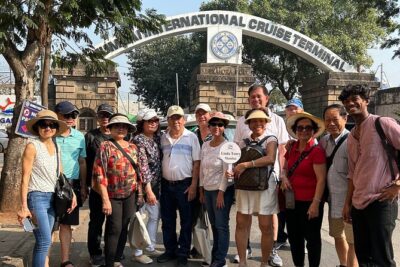
Three Mumbai work worlds in one walk. This 3.5-hour tour links Dharavi work life, Dhobi Ghat laundry, and the dabbawala meal system so you understand how Mumbai runs on everyday skill. I like that it’s built as a small-group walk, not a loud bus stop, and that your guide brings real context and local stories along the way.
One thing to plan for: it’s a walking-heavy experience. It’s not suitable for wheelchair users or people with mobility impairments, and you’ll want to bring water and comfortable shoes for street heat and uneven sidewalks.
In This Review
- Quick hits before you go
- Three neighborhood stops that explain how Mumbai works
- Price and logistics: what $17 really buys you
- Meeting points, timing, and the walking reality
- Dharavi’s work life: seeing industries, not just poverty
- Dhobi Ghat: open-air laundry that still runs on routines
- The dabbawala lunchbox system: accuracy as a daily habit
- Guides make it feel safe and real, not staged
- What to bring, and what the tour asks you not to do
- Who this tour suits best
- Should you book this Mumbai Dharavi, Dhobi Ghat & dabbawala tour?
- FAQ
- How long is the tour?
- How much does it cost?
- What’s included in the price?
- Are meals and drinks included?
- Where do we meet and where do we end?
- Is the guide available in English?
- What should I bring?
- Is it suitable for children or wheelchair users?
- What’s the cancellation policy and pay-later option?
Quick hits before you go
- Small-group walking format keeps questions coming and makes the stops feel human.
- Local guide + local transport included means fewer logistics headaches on arrival day.
- Dharavi (about 1.5 hours) is the longest stop, focused on how small industries operate.
- Dhobi Ghat (about 35 minutes) lets you watch open-air laundry in action at a historic scale.
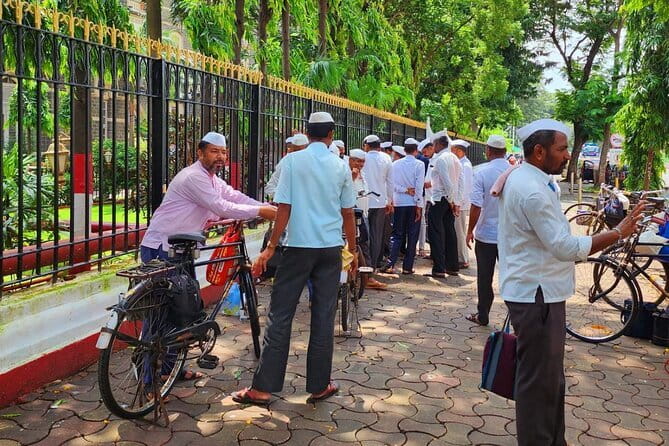
- Dabbawala segment (about 40 minutes) explains the meal delivery system that keeps accuracy with minimal tech.
- English live guide makes it easier to follow what you’re seeing and why it matters.
Three neighborhood stops that explain how Mumbai works
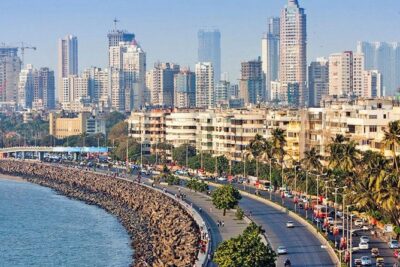
Mumbai can look chaotic from street level. This tour turns that chaos into a set of clear systems you can actually understand. In a few hours you move through three very different workplaces—Dharavi’s small-scale industries, Dhobi Ghat’s open-air laundry operations, and the dabbawala lunchbox network that delivers meals across the city.
What I like is the way the tour connects labor, organization, and daily life. You’re not just looking at sights. You’re watching how people solve problems with the tools they have, whether that’s recycling and making goods in small workshops, or coordinating laundry schedules in a communal space, or moving thousands of lunchboxes through Mumbai’s lanes.
And because the pace is guided and structured, you’re less likely to miss the point of what you’re seeing. You walk in with questions like What is happening here? and leave with answers like This is how work flows.
You can also read our reviews of more tours and experiences in Mumbai.


Price and logistics: what $17 really buys you
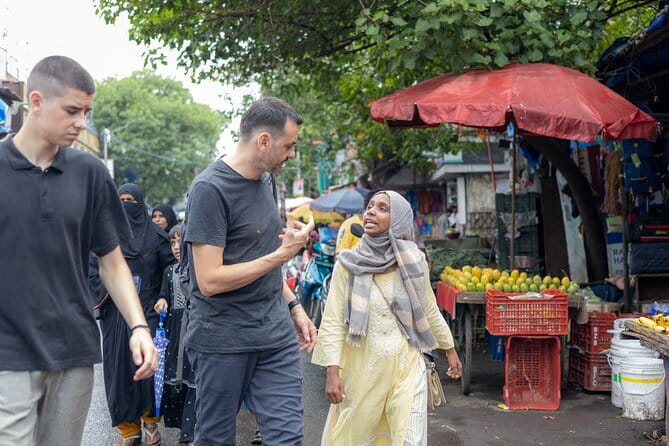
At $17 per person for about 3.5 hours, the value comes from what’s included: the local guide plus local transport, along with a small-group walking experience. You’re also told that there’s a live English guide and that you’ll skip the ticket line (useful if any of the stops require timed entry or basic processing).
What’s not included is just as important for planning. Meals and drinks are not included, and transportation to the meeting point is also on you. So if you’re hungry later in the day, plan to eat on your schedule after the tour rather than expecting food included.
The overall deal is simple: you’re paying mainly for guided interpretation and getting safely moved between the three parts of the city—then you do the walking. If you like city tours where the guide explains what you’d otherwise miss, this price feels fair.
Meeting points, timing, and the walking reality
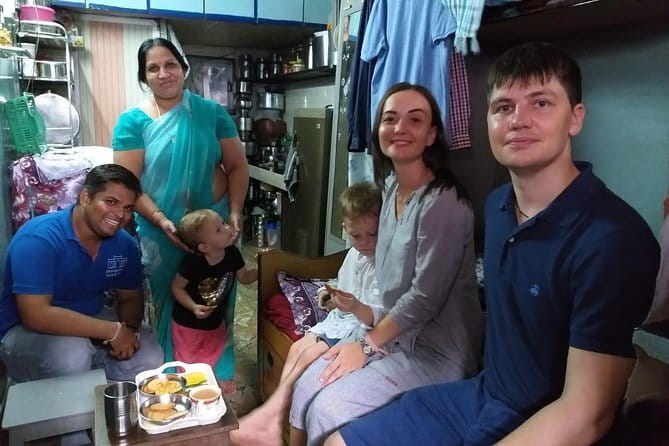
Your meeting point can vary by the starting option you choose. One listed option starts at Burger King, and you’ll end at Third Wave Coffee. After booking, you’ll get the exact details for your departure.
Time-wise, you’re looking at a 3.5-hour outing with short guided segments at each place and a longer walk through Dharavi. It’s not one of those “stand around for 10 minutes, leave” tours. You’ll move at a steady pace and you’ll spend enough time in each location to pick up the logic behind it.
The practical downside: it’s a lot of walking. One review note that you don’t fully realize the walking volume until afterward. So take that seriously. Bring water, wear shoes you can walk in all day, and don’t plan to do major sightseeing immediately afterward unless you enjoy sore feet.
Dharavi’s work life: seeing industries, not just poverty
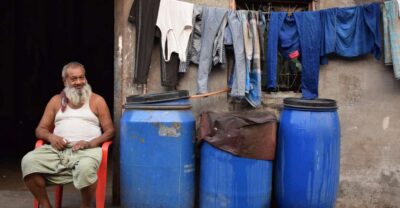
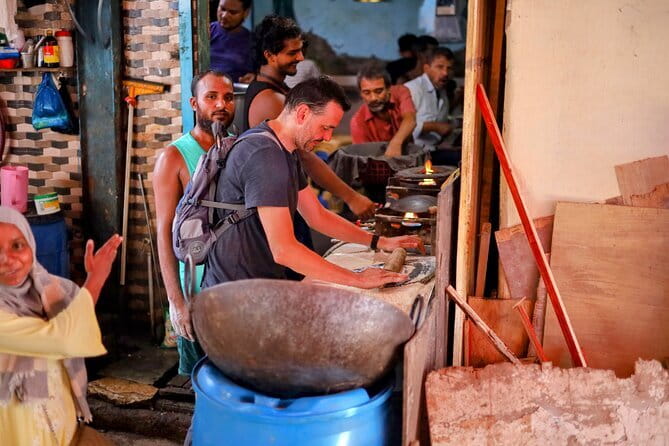
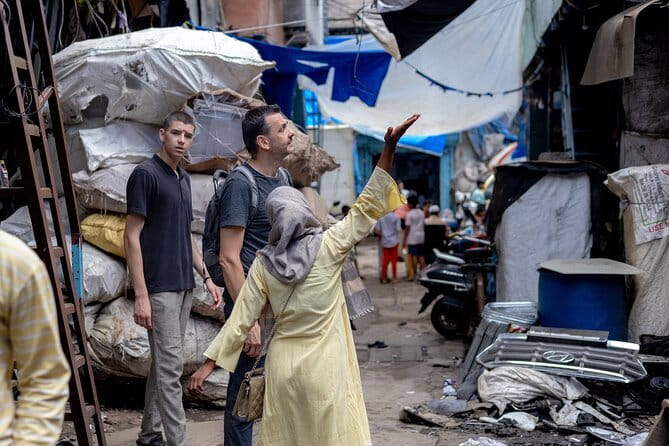
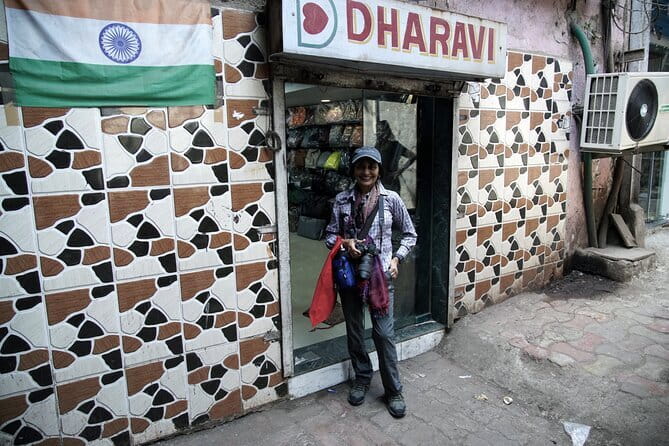
Dharavi is one of the places people talk about in headlines, sometimes with more judgment than understanding. On this tour, you’re guided through a different angle: how residents run small businesses and workshops right inside the neighborhood.
Expect to see small-scale industries such as recycling, pottery, textiles, and leather goods. That matters because it shifts the conversation from labels to process. You start noticing patterns: raw materials come in, work happens in tight spaces, products move out through networks you can’t always see from the sidewalk.
This is also where your guide’s local connection makes a big difference. Guides you might get include people like Subhan and Ravi (among others named in past bookings). In particular, one guide described as living in the slums helps you feel grounded in day-to-day reality instead of a one-note story.
How to watch respectfully (and still enjoy yourself):
- Keep your curiosity focused on work, tools, and routines, not assumptions about people.
- Take photos only if the moment feels appropriate, and always be ready to pause and ask if someone seems uncomfortable.
- Don’t rush the guide’s explanations. Dharavi’s “why” takes a minute to click.
The tour also aims to show how resilient and inventive the community is—along with the fact that the neighborhood functions through real entrepreneurship. You’ll hear stories about the people who live and work there, not just descriptions of the space.
Dhobi Ghat: open-air laundry that still runs on routines
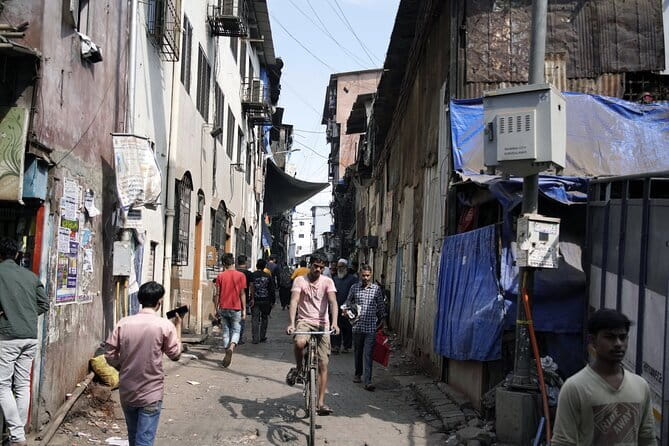
Dhobi Ghat is the stop that turns your attention from small workshops to a public, working system. This is Mumbai’s historic open-air laundry, known for running for more than a century. What you’re there for is the sight and rhythm of the laundry process.
You’ll see how the dhobis (washermen) handle the work in a communal setting. Clothes are washed, scrubbed, and hung to dry in an orderly way—surprisingly structured once your eyes adjust. The practical takeaway is this: you can watch a job that looks repetitive and still see skill. Order comes from repetition, timing, and coordination, not from modern machinery alone.
One reason I value this stop is that it reframes “infrastructure.” Most cities hide systems behind walls. Here, the system is visible. It’s a daily workplace that shaped how Mumbai handled laundry long before the city’s modern skyline became the default photo.
Time-wise, you should expect around 35 minutes with guided sightseeing. That’s enough time to understand what’s happening without feeling like you’re standing in one spot for an hour.




The dabbawala lunchbox system: accuracy as a daily habit
The final leg is the dabbawala system, and it’s one of the most mind-bending parts of the tour because it’s logistics built for ordinary life. Dabbawalas deliver thousands of home-cooked meals across Mumbai daily, and the standout point is how much accuracy the system can maintain even with minimal technology.
You’ll spend about 40 minutes on this segment, with guided explanation of how meals get sorted, transported, and delivered. The point isn’t just that it works—it’s how it works. You start seeing the logic: consistent procedures, people who know their routes, and a method that reduces confusion in a city that can feel like it has too many streets and too many moving parts.
A good guide can help you connect the dots fast. One guide was praised for explaining the organization inside the apparent chaos. Another highlighted the system’s history and its impact on Mumbai’s food culture.
One practical note: since meals and drinks are not included, treat this as educational. If you want lunch afterward, eat when you finish—especially if you’re doing this early in the day.
Guides make it feel safe and real, not staged

This is a tour where the guide isn’t a bonus. The guide is the experience. Past bookings describe guides who were polite and friendly, very knowledgeable about what they were showing, and careful to answer questions patiently.
Names you might hear include Javed, Jawwad (Jay), Subhan, Sharron, and Yash. A few reviews emphasize that guides felt connected to the area—one mentioned a guide known in the community—so the tour didn’t feel like an outside photo mission.
What that changes for you:
- You get better context, especially in Dharavi where the first impression can be overwhelming.
- You feel more comfortable asking questions because the guide has direct insight.
- The pace feels human. One review specifically said the tour wasn’t rushed and that time was taken to soak in the atmosphere and take pictures.
The best sign to look for on any day: your guide should be able to explain what you’re seeing in plain language, then keep answering follow-ups without brushing you off.
What to bring, and what the tour asks you not to do
This tour is a walking experience in a busy part of Mumbai, so come prepared. The basics are straightforward:
- Comfortable shoes
- Water
- Hat and sunscreen (sun protection is advised)
- Camera (recommended)
- Consider a simple bag you can carry close to you
There are also clear rules about behavior:
- No smoking
- No alcohol and drugs
- No littering
If you like photographing, keep your focus on scenes and processes, and be ready to step back if someone’s space feels too close.
Who this tour suits best
This is for you if you want an honest view of daily work and neighborhood systems, not just postcards. It’s also a strong fit if you enjoy guided interpretation and want your questions answered in context.
It’s not a good fit if:
- You need wheelchair accessibility or have mobility impairments (it’s listed as not suitable).
- You’re traveling with kids under 5.
If you’re traveling solo, this can still feel comfortable because the small-group setup and guide help reduce that awkward I’m-not-sure-what-to-do feeling. If you’re a couple or a small group, you’ll benefit from having time to talk and ask questions rather than being shoved along.
One more match: if you care about practical urban systems—how goods move, how jobs run, how logistics work—this tour delivers that in a way that sticks.
Should you book this Mumbai Dharavi, Dhobi Ghat & dabbawala tour?
Book it if you want a structured, small-group way to understand three working parts of Mumbai in a single afternoon: Dharavi’s micro-industries, Dhobi Ghat’s open-air laundry operations, and the dabbawala lunch system’s day-to-day accuracy.
Skip it or reconsider if you have mobility limitations, because the tour is walking-heavy and not designed for wheelchair access. Also plan your meals around the fact that food and drinks aren’t included.
If your ideal city trip is guided, respectful, and grounded in real daily work, this one fits well. And if you’re hoping for a calm, sit-and-stare type of outing, you’ll probably find this too active.
FAQ
How long is the tour?
The tour lasts about 3.5 hours.
How much does it cost?
It costs $17 per person.
What’s included in the price?
You get a local guide, a walking tour experience, engagement with locals and learning their stories, and small-group time. Local transport is also included, and guide fees are covered.
Are meals and drinks included?
No. Meals and drinks are not included.
Where do we meet and where do we end?
The meeting point can vary depending on the option booked. One listed starting point is Burger King, and the tour ends at a drop-off location listed as Third Wave Coffee.
Is the guide available in English?
Yes, the live tour guide language is English.
What should I bring?
Bring comfortable shoes, a hat, a camera, sunscreen, and water.
Is it suitable for children or wheelchair users?
It’s not suitable for children under 5. It’s also not suitable for people with mobility impairments or wheelchair users.
What’s the cancellation policy and pay-later option?
You can cancel up to 24 hours in advance for a full refund. You can also reserve now and pay later, meaning you pay nothing today.