REVIEW · MUMBAI
Mumbai: Slum Tour Dharavi & Dhobi Ghat Laundry with a Local
Book on GetYourGuide →Operated by Inside Mumbai Tours · Bookable on GetYourGuide
Dharavi and Dhobi Ghat hit fast. This 2.5-hour, small-group walk connects you to real daily life in Dharavi and the city’s famous open-air laundry at Dhobi Ghat, with an insider who lives the story. I like that the tour is built to dispel stereotypes instead of feeding them, and it even folds in a film-location stop connected to Slumdog Millionaire.
Two things I especially appreciate: you don’t just look from the outside. You learn how people live, work, and support their families, including the kinds of businesses like plastic recycling, leather, garment/textile, and metal. I also like that Dhobi Ghat is treated as living infrastructure, not a photo-op, so you understand what’s going on there and why it matters to Mumbai.
One possible drawback to plan for: the Dhobi Ghat portion may feel short to some people, and guide style can vary. If you’re sensitive to tone or strict boundaries about where to stand and when to ask questions, it’s good to know that can come up.
In This Review
- Key highlights you’ll actually feel on the ground
- Why a Dharavi-and-Dhobi-Ghat walk changes how you see Mumbai
- Meeting at Third Wave Coffee in Mahim, right by the station
- 2.5 hours and a small group: the pacing is built for questions
- Dharavi with a resident: seeing rooms, routines, and work spaces
- Plastics, leather, garments, and metal: the businesses you’ll hear about
- A Slumdog Millionaire filming location inside Dharavi
- Dhobi Ghat: Asia’s biggest open-air laundry in action
- Guide style: Fazim and Faizan set a local tone
- Safety and respect: what this tour is designed to do
- Price at about $4.64: why the value is surprisingly high
- Should you book this Dharavi + Dhobi Ghat tour?
- FAQ
- FAQ
- How long is the Dharavi and Dhobi Ghat tour?
- What does the tour cost?
- Is the tour offered in English?
- How big is the group?
- Where do we meet?
- How can I get to the meeting point from my hotel?
- What’s included in the price?
- Is the tour considered safe?
- Who guides the Dharavi part?
- Can I cancel for a full refund?
- Is there a pay-later option?
- Quick decision
Key highlights you’ll actually feel on the ground
- Local resident access to Dharavi, with the tour shaped by daily life and routines
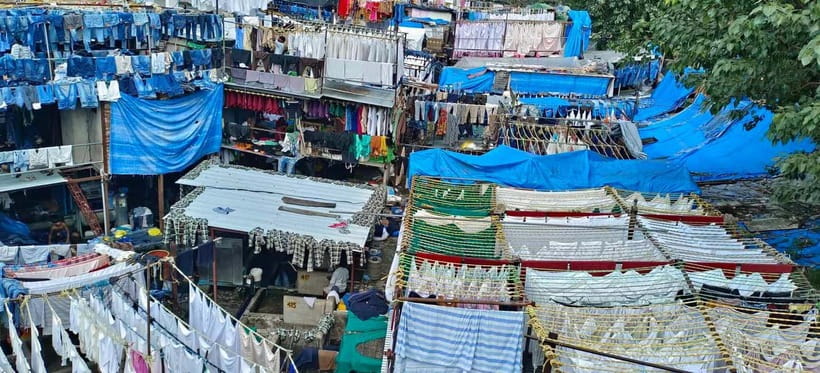
- Dhobi Ghat, Asia’s biggest open laundry, where you see the work process up close
- Stereotype-busting approach, focused on work, family, and income realities
- Slumdog Millionaire filming spot inside Dharavi, adding a movie-context layer
- Small group (up to 9), which makes questions and pacing easier
- Safety-focused route, described as completely safe to visit inside and around
Why a Dharavi-and-Dhobi-Ghat walk changes how you see Mumbai
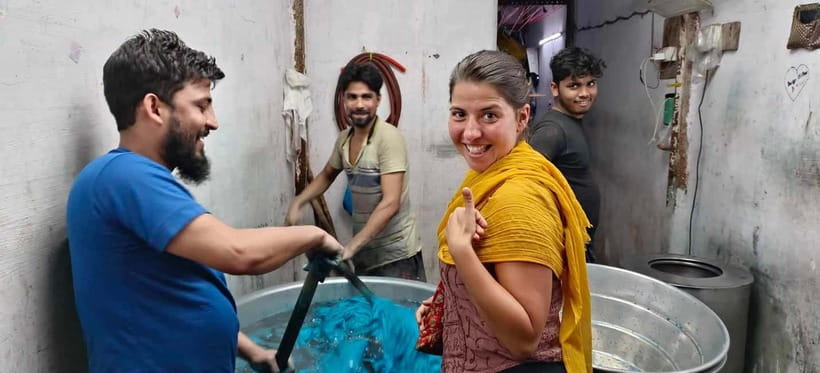
Mumbai can feel like a blur until you see how the city runs at street level. This tour pairs two places people often treat as symbols instead of communities: Dharavi (a densely packed area with a huge mix of work) and Dhobi Ghat (the famous open-air laundry grounds). Together, they explain how labor, family, and services thread through everyday life.
The big value here is the angle. The tour is designed to dispel the usual “slum” story you might arrive with. Instead, you’re shown what people do for living, where they stay, how children play and families relax, and what kinds of industries operate day to day. That shift in perspective is what makes the experience stick.
You also get context that’s easy to carry afterward. Dharavi’s economy is described as enormous, with an annual income figure of about 1 billion US dollars tied to local work. Whether you remember every number or not, the point lands: this is not just hardship you’re witnessing. It’s a functioning economic ecosystem.
You can also read our reviews of more tours and experiences in Mumbai.


Meeting at Third Wave Coffee in Mahim, right by the station
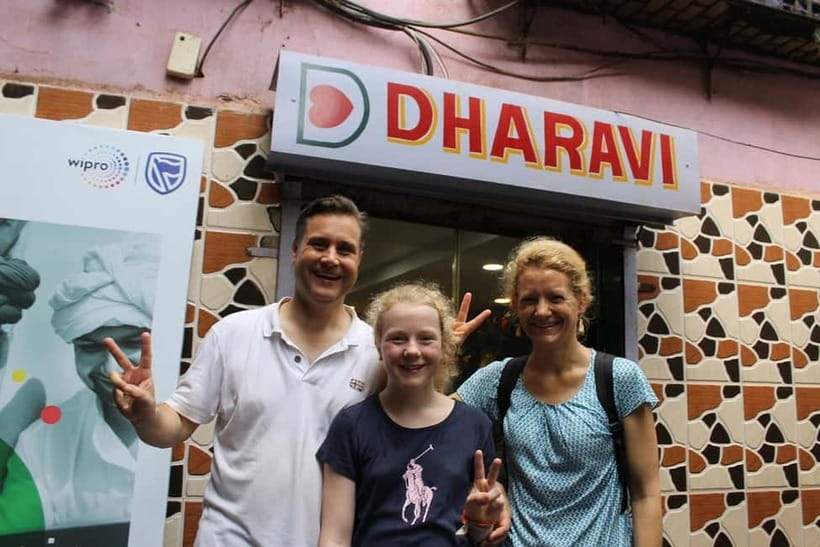
Getting there is straightforward. Your meeting point is Third Wave Coffee in Mahim, just opposite Mahim Junction and the station west side. You can usually reach it easily by Uber or local transport.
A practical note: the tour guide meets you directly after you arrive. The instructions say you can sit inside the cafe or stand outside, and the guide will find you, ask your name, and introduce themselves. Also, tuk tuk rickshaws aren’t allowed at this meeting point, so plan on walking the last bit or using Uber/regular transit.
This matters because you’ll start on time. With a 2.5-hour format, you don’t have much room for late arrivals or confusing rendezvous points.
2.5 hours and a small group: the pacing is built for questions
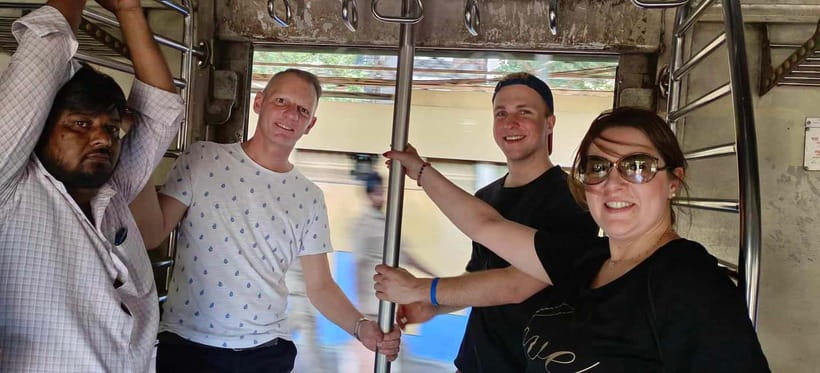
The total time is 2.5 hours, and the group is limited to 9 participants. That’s a sweet spot. You’ll have enough time to move through both Dharavi and Dhobi Ghat without feeling like you’re rushed through a checklist, and the small size makes it easier to ask questions and hear answers.
That said, the tour also has structure. One review noted the guide was strict about where people stood, what could be said, and when questions could be asked. In plain terms, expect boundaries. If you come ready to listen first and ask thoughtfully, that structure tends to work in your favor.
Dharavi with a resident: seeing rooms, routines, and work spaces

The tour approach is very direct: you visit Dharavi with a local English-speaking guide from the slums, and you’re described as touring with access that comes through someone who lives there. That is the key difference between a drive-by photo stop and a real walking tour.
In Dharavi, you’re shown how life is organized—where family lives, how daily work connects to living space, and what children are doing. You also learn about different trades operating in and around the area. The idea is to replace an abstract label with concrete details: this person works here, that business is here, the family uses this space, and the neighborhood has routines that keep it running.
One of the strongest moments in this kind of tour is how quickly stereotypes get challenged. A well-led visit makes it hard to reduce the area to one emotion. Even when conditions are tough, people still build normalcy: family time, work schedules, rest, and community presence.
Plastics, leather, garments, and metal: the businesses you’ll hear about
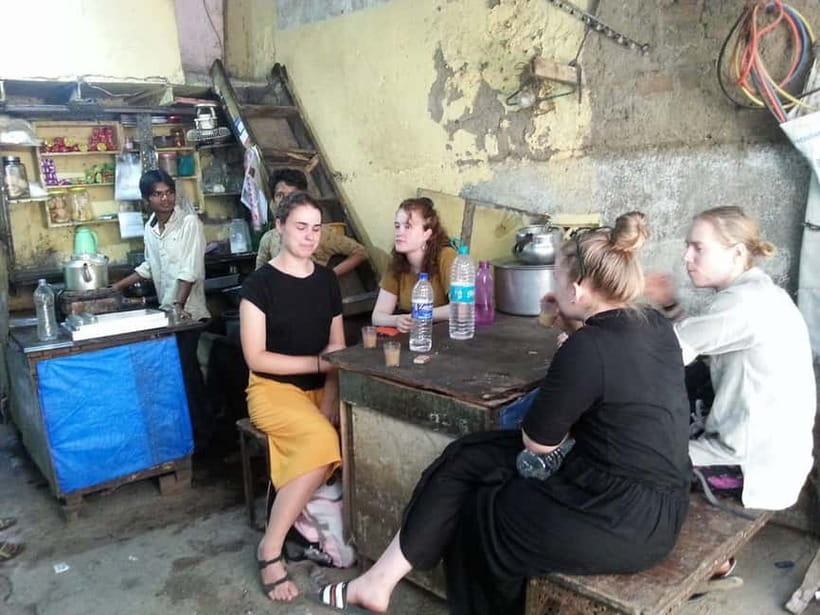
Dharavi’s reputation often focuses on problems. The tour flips the script by showing the variety of economic activity. You’ll be told about business types such as plastic recycling, leather industry, garment/textile, and metal industry.
Why this matters for you: it reframes what you’re seeing. You’re not only looking at housing density. You’re watching an industrial patchwork that supports livelihoods. The tour also highlights that incomes can be significant—again with the provided annual income estimate—and that’s part of the stereotype-busting goal.
If you’re the type who likes real-world economics (how people earn money, how goods move, how skills get used), this portion is one of the best. It helps you understand why Dharavi is discussed so widely in business and development circles, not just in documentaries.




A Slumdog Millionaire filming location inside Dharavi
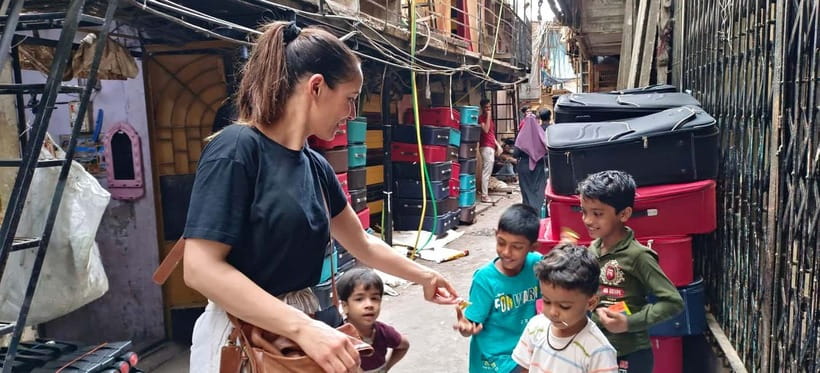
This tour adds a pop-culture layer without turning Dharavi into a theme park. It includes a stop at a place where Slumdog Millionaire was filmed inside Dharavi, plus “more surprises” along the way.
Here’s the practical value: film locations can help you map what you’re seeing to something you already recognize. But the tour’s intention is different from sightseeing. You’re using the movie reference as a doorway into place-based context—what it looks like, how people live nearby, and why the location carried meaning beyond set design.
If you’ve seen the film, this stop can also make the experience feel more immediate. You’ll likely notice how different the on-screen framing is from real walking scale.
Dhobi Ghat: Asia’s biggest open-air laundry in action
After Dharavi, the tour moves to Dhobi Ghat, Mumbai’s well-known open-air laundry facility—described as the world’s largest open laundry and Asia’s biggest laundry. This is where the tour becomes more about systems than neighborhoods.
What you’ll experience here is the work process itself: lots of movement, constant activity, and the sheer visibility of laundry as a public service. Dhobi Ghat is famous with foreign visitors, and it’s included because it complements Dharavi. One shows dense living and local industries; the other shows a huge labor-intensive operation that’s out in the open.
A fair consideration: some people want more time at Dhobi Ghat. One review specifically mentioned Dhobi Ghat was interesting but could have been longer. In a 2.5-hour tour, it’s always a balancing act between two major stops.
If you’re someone who loves watching how everyday labor works—how people structure tasks, how materials move—you’ll probably enjoy this as a visual education.
Guide style: Fazim and Faizan set a local tone
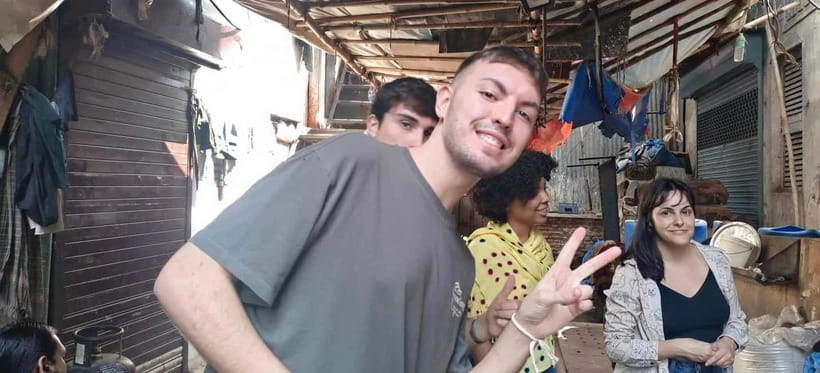
The quality of this kind of tour depends heavily on the guide. In the feedback, Fazim comes up for taking time to explain origins, life, work, and family life in Dharavi. Faizan is praised for knowing the area deeply and for showing the reality of people living and working there.
You should also be aware that guide tone can vary. One review mentioned sarcasm that felt offensive at times, though not enough to ruin the experience. Another review also pointed out the guide was strict about where people stood and when questions were allowed.
How to use that information: don’t show up expecting a relaxed, free-for-all conversation. Show up ready for guided pacing, clear boundaries, and a lot of explanation. If that sounds like your style, you’ll likely feel looked after rather than dragged around.
Safety and respect: what this tour is designed to do
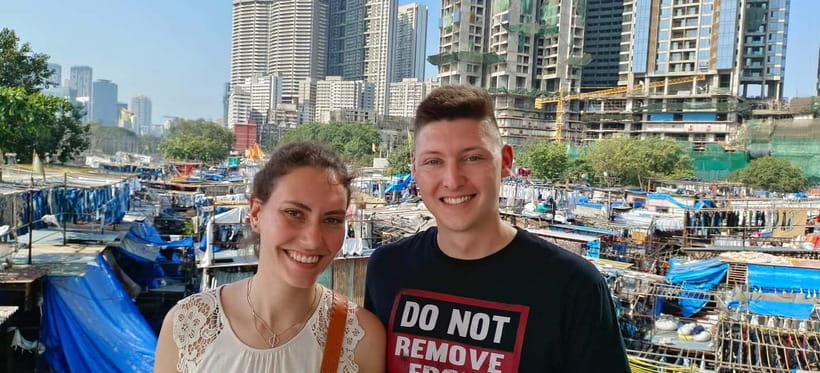
The description is clear: the tour aims to be safe, and it says visiting inside and around is completely safe. It also emphasizes that you visit Dharavi with local people, and the tour claims you’ll see the inspiring side rather than sensational stereotypes.
That’s important because the “slum tour” label can bring baggage. Done well, this isn’t about shock value. It’s about understanding. The tour’s framing says it actively breaks stereotypical depictions and focuses on how people live, work, and build family life.
For you, the real takeaway is behavior. A resident-led visit works best when you treat it as a learning exchange, not a performance. You’re moving through someone’s environment. Ask questions respectfully, listen when the guide sets boundaries, and keep your tone human.
Price at about $4.64: why the value is surprisingly high
At $4.64 per person for 2.5 hours, this is one of those prices that looks almost too low until you look at what’s included. The tour lists:
- a local English-speaking tour guide from slums
- travelling fees
- entrance, entry tickets and tax
That combination is what creates the value. You’re paying for guide time, access, and transport support within a tight schedule, while someone local coordinates what you’ll see.
Now for the balanced view: a low price can also mean the tour is efficient by necessity. That helps explain why Dhobi Ghat may not feel long enough for some people. But if you’re aiming to get a strong, grounded introduction to both Dharavi life and Dhobi Ghat’s laundry world within a single morning or afternoon window, the price-to-time ratio is excellent.
Should you book this Dharavi + Dhobi Ghat tour?
Book it if you want:
- an insider look at Dharavi’s daily life and work, not an outside-only viewpoint
- Dhobi Ghat as more than a photo stop, with context about what’s happening
- a small group experience with a resident guide
- a tour that explicitly tries to challenge stereotypes and explain how the community functions
Consider skipping or adjusting expectations if:
- you dislike structured pacing and strict rules about questions or standing positions
- you’re expecting long time in Dhobi Ghat; the tour is 2.5 hours total
- you’re very sensitive to guide tone, since reviews note that style can be sharp depending on the guide
FAQ
FAQ
How long is the Dharavi and Dhobi Ghat tour?
The tour lasts 2.5 hours.
What does the tour cost?
The price is listed as $4.64 per person.
Is the tour offered in English?
Yes, the tour is listed as English with a live tour guide.
How big is the group?
The group is a small group limited to 9 participants.
Where do we meet?
The meeting point is Third wave coffee Mahim, opposite Mahim junction/station west.
How can I get to the meeting point from my hotel?
You can reach it easily by Uber or local transport.
What’s included in the price?
Included are a local English-speaking tour guide from slums, travelling fees, and entrance/entry tickets and tax.
Is the tour considered safe?
The tour description says it is completely safe to visit inside and around.
Who guides the Dharavi part?
You’ll have a local English-speaking guide from the slums, and the visit is described as being done with Dharavi locals.
Can I cancel for a full refund?
Yes. It lists free cancellation up to 24 hours in advance for a full refund.
Is there a pay-later option?
Yes. It lists Reserve now & pay later, so you can book your spot and pay nothing today.
Quick decision
If you’re trying to understand Mumbai beyond headlines, this is a strong choice: Dharavi through local daily reality, and Dhobi Ghat through visible work that keeps the city moving. Just come with the right expectations—structured, brief but meaningful—and you’ll get a perspective shift that lasts longer than any souvenir photo.