REVIEW · MUMBAI
Mumbai Tour: The Most Famous Historical Spots By Car
Book on Viator →Operated by Young Tours And Travel · Bookable on Viator
Mumbai moves fast, and this tour keeps up. You’ll cover major historical landmarks with local guides using an AC car, so you spend less time fighting the city’s pace and more time understanding what you’re seeing. Along the way, the guide explains Mumbai’s modern rhythms—traffic, crowds, and skyscrapers—without losing the thread of the city’s story.
Two things I really liked: first, stopping at Dhobi Ghat, the open-air laundry area, where everyday work shapes what you see and hear. Second, the smart mix of viewpoints and institutions—especially Mani Bhavan (the Gandhi House) with old artefacts—so the tour isn’t just photo stops; it turns landmarks into context.
One consideration: lunch is not included, and with a tight ~4-hour run, you’ll want to plan food right after.
In This Review
- Key highlights you should care about
- A car-based history loop that matches Mumbai’s real pace
- Dhobi Ghat: open-air laundry and the feeling of everyday Mumbai
- Mani Bhavan Gandhi House: learning through old artefacts
- Hanging Garden to the Gateway of India: viewpoints that tell a story
- Taj Mahal Palace Hotel and Watson Hotel: iconic façades, guided context
- Mumbai University, High Court, and Victoria Terminus Station in one route
- What included comforts really mean for your day
- Who this tour fits best (and who should think twice)
- Notes on the guide experience (names you may hear)
- Should you book this Mumbai historical sites by-car tour?
- FAQ
- How long is the Mumbai tour?
- What is the tour price per person?
- Does the tour include pickup?
- Is admission to sites included?
- Is lunch included?
- What does the tour include?
- Is this a private tour?
- What is the cancellation policy?
- Does the tour require good weather?
Key highlights you should care about
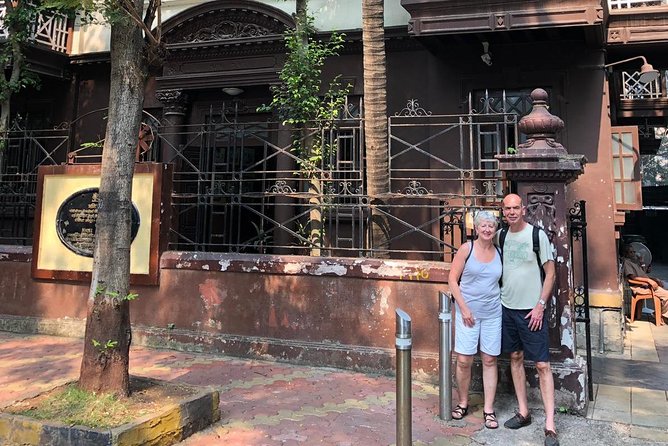
- Dhobi Ghat open-air laundry stop: you get a snapshot of daily Mumbai life, not just monuments on a map.
- Mani Bhavan Gandhi House with old artefacts: a focused stop for learning how Gandhi is remembered through preserved objects.
- Gateway of India, described as early 20th century: you’ll hear the story behind one of Mumbai’s best-known landmarks.
- Quick-hit city icons by car: Hanging Garden, Taj Mahal Palace Hotel, Watson Hotel, Mumbai University, High Court, and Victoria Terminus Station in one loop.
- Comfort that matters in Mumbai traffic: air-conditioned vehicle, plus coffee/tea and bottled water included.
- Private group experience: it’s only your group, which makes questions and pacing easier.
A car-based history loop that matches Mumbai’s real pace
Mumbai has a way of swallowing time. The lanes are busy, the city can feel loud and crowded, and traffic can turn a simple transfer into a long day. This tour is designed for a shorter window—about 4 hours—so you can still see the headline sites without spending all day just getting around.
I like that you’re not asked to do everything on foot. An air-conditioned vehicle handles the long transfers, and parking fees are included, which removes a whole set of small headaches. The pickup option also helps you avoid the awkward first-move problem of getting from your base to the route.
You can also read our reviews of more historical tours in Mumbai


Dhobi Ghat: open-air laundry and the feeling of everyday Mumbai
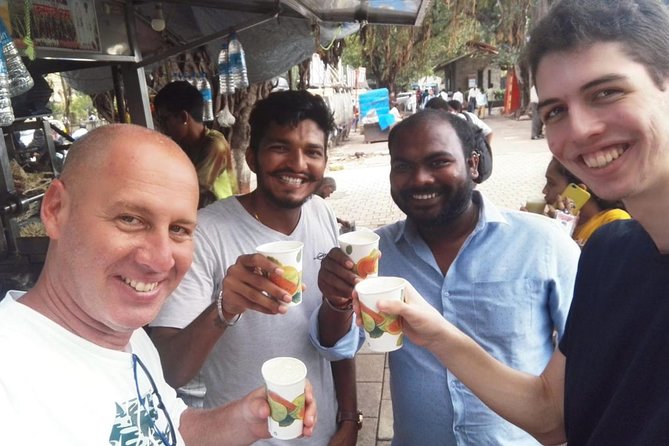
The ride starts with Dhobi Ghat (Open Air Laundry), which is exactly the kind of stop that changes how you view a city. Instead of beginning with a monument, you begin with work—something practical, noisy, and visible. You’ll see why this place is talked about so often: it’s part of how Mumbai functions, not just a postcard scene.
What makes this stop valuable is the contrast. Before you even get to the big-name landmarks, your guide can help you connect daily life with the city’s larger identity. If you like history that lives in normal routines, this is where the tour earns its keep.
Possible drawback at this stop: it’s an open-air setting, so you’ll want to be comfortable in the weather conditions. If you’re sensitive to heat or sun, plan accordingly and stay hydrated (bottled water is included, but that doesn’t replace smart timing).
Mani Bhavan Gandhi House: learning through old artefacts
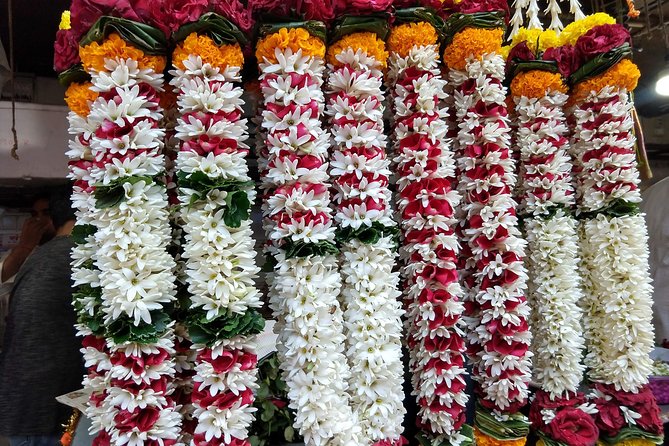
Next comes Mani Bhavan (Gandhi House), a stop built around preserved artefacts. This is one of those places where the story can click quickly, because you’re not only hearing about events—you’re seeing how Gandhi is represented through items kept from earlier times.
I like that the tour doesn’t treat Gandhi as a distant name. The guidance here is meant to help you understand what you’re seeing and why it matters, using the artefacts as anchors. It’s also a helpful break from the heavy street energy: the focus stays on learning and context.
If you prefer museums that explain the connection between objects and meaning, Mani Bhavan is a strong mid-route choice. And because the tour is time-limited, you’re getting a guided learning stop without needing a full half-day detour.
Hanging Garden to the Gateway of India: viewpoints that tell a story
From Mani Bhavan, you move toward Hanging Garden, then onto the Gateway of India area. The Hanging Garden stop is positioned like a pause point—something recognizable in the city’s skyline rhythm—before the tour hits one of Mumbai’s most famous symbols.
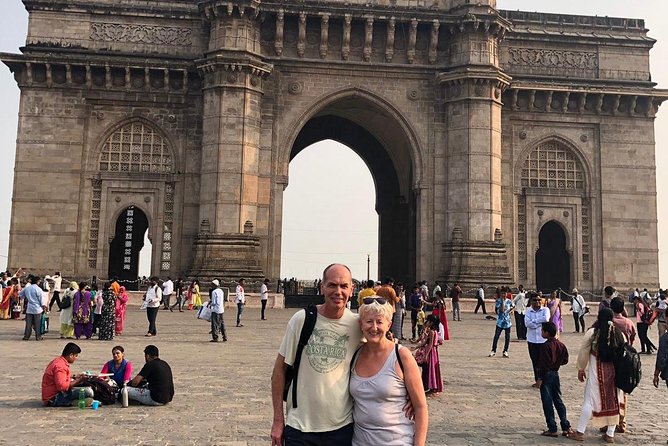
At the Gateway of India, you’ll get the backstory, including that it’s an early 20th century monument. This matters because the Gateway isn’t just a landmark you walk past. It’s a reference point that helps you “place” the city in time, and it gives the rest of the tour more meaning: you’re not only collecting stops, you’re building a mental map of what Mumbai became and why.
Practical tip: because you’re covering multiple landmarks in a short run, keep your camera ready but don’t rush the details. The guide’s explanation is part of the value here, not just the sightline.
Taj Mahal Palace Hotel and Watson Hotel: iconic façades, guided context
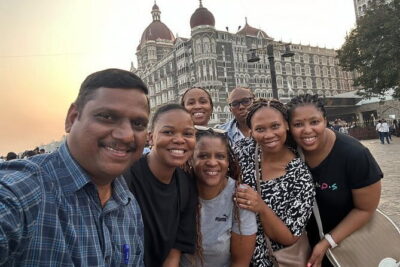
After the Gateway, you’ll see the Taj Mahal Palace Hotel and Watson Hotel. These are classic names in Mumbai, and they’re placed here so the tour can connect the big landmark moment to the city’s ongoing presence of international-style architecture.
I like stops like this because they’re quick to verify visually—you can see what people are pointing at—and then the guide ties it back to Mumbai’s wider identity. Even if you’re not doing a formal interior visit, seeing these buildings during a guided route helps you understand the city’s layers: working life earlier in the morning, then the famous urban skyline symbols next.
Consideration: hotels can be visually impressive, but the experience can be more about the exterior view than deep time inside. If you want interior access, you’d need separate plans (nothing in this tour data suggests extra ticketed entry for the hotels).





Mumbai University, High Court, and Victoria Terminus Station in one route
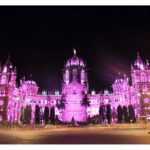
The tour keeps going with institutional landmarks: Mumbai University, Mumbai High Court, and Victoria Terminus Station. This part of the route is where the “how the city works” angle becomes real.
Seeing Mumbai University and the High Court during the same session helps you understand Mumbai as more than scenery. It’s an education and legal hub—places where decisions and training shape the future. Then Victoria Terminus Station closes the loop with the city’s movement and connection. A station is a symbol of travel and logistics, and in a city like Mumbai, it’s also a clue to how people and commerce circulate.
I also appreciate the car-based order. These stops aren’t randomly scattered; they’re grouped in a practical routing plan for a short day. That saves you from the common problem of trying to “do history” between buses and long waits.
What included comforts really mean for your day
This tour is priced at $49.00 per person for roughly 4 hours, and what you get matters more than the headline number. Here’s what’s included:
- Air-conditioned vehicle
- Parking fees
- Bottled water
- Coffee and/or tea
- Pickup offered
- Mobile ticket
- Admission ticket free
For a compact route in a city known for traffic, the AC car plus pickup and parking included is a real value. You’re paying for time-saving convenience and guided interpretation, not just transportation. The coffee/tea and bottled water are small, but they help you stay functional during the city’s busiest hours.
What’s not included is lunch. That’s the main thing that can break the value if you’re hungry before the end. If you know you’ll get food-cranky, plan a meal immediately after the tour.
Who this tour fits best (and who should think twice)
This is a strong match if you:
- Have limited time and want a concentrated list of major historical and civic landmarks
- Prefer a guided route that handles transit logistics for you
- Like mixing everyday life (Dhobi Ghat) with big-name sites (Gateway of India and beyond)
It may not be your best choice if you:
- Want a long, slow museum day with plenty of downtime
- Are strict about meals during the middle of a program (lunch isn’t included)
- Need very weather-stable plans, since the tour requires good weather
Notes on the guide experience (names you may hear)
You’ll get experienced, locally grounded guidance that focuses on how Mumbai functions—its lanes, crowds, and the contrast between street life and skyscrapers. In the feedback for this experience, Hardik is specifically praised for making the sites feel understandable and well-connected. Patrik is mentioned as the driver who helps keep the route running smoothly. Another guide-related name you might see in the conversation around the tour team is Rahul, praised for making the history and site stories easy to follow.
You don’t need to memorize guide names to enjoy the tour, but it’s a good sign when real people call out the quality of explanations and smooth driving.
Should you book this Mumbai historical sites by-car tour?
I’d book it if you want a guided, time-efficient way to hit the must-see landmarks without spending half your day trapped in transit. The combination of Dhobi Ghat, Mani Bhavan, and the Gateway of India area gives you both everyday Mumbai and the headline symbols, and the rest of the route rounds it out with university, court, and station landmarks.
I wouldn’t book it if your priority is lingering for long periods in museums or you absolutely need lunch included mid-tour. In that case, you’ll likely want a longer format or separate meal planning.
If your goal is to get your bearings fast and come away with a clearer sense of how the city is structured, this route is a smart use of a few hours.
FAQ
How long is the Mumbai tour?
It lasts about 4 hours.
What is the tour price per person?
The price is $49.00 per person.
Does the tour include pickup?
Yes, pickup is offered.
Is admission to sites included?
Yes, it shows admission ticket free.
Is lunch included?
No, lunch is not included.
What does the tour include?
It includes coffee and/or tea, bottled water, an air-conditioned vehicle, and parking fees.
Is this a private tour?
Yes. It’s listed as private, meaning only your group participates.
What is the cancellation policy?
Cancellation is free up to 24 hours in advance for a full refund.
Does the tour require good weather?
Yes, it requires good weather. If canceled due to poor weather, you’ll be offered a different date or a full refund.