Mumbai tells stories if you know where to listen. This private story walk takes you from the end of British rule at the Gateway of India to the modern rhythm of Marine Drive, with guides tying architecture to real people and real change. I especially like the way the route mixes famous landmarks with lesser-seen corners of old Bombay, and how the narration actually connects the city’s shift over centuries. One thing to consider: if your guide runs late, the pacing can feel rushed, and you may miss some of the quieter stops you came for.
I also like the practical setup for photos and comfort: you’re walking for much of it, bottled water is included, and the tour builds in a chai moment at a local café. And because it’s private, you can usually match the pace to your interests, whether you’re chasing architecture angles or trying to understand how trade shaped daily life. Just pack for changing weather, and wear shoes you won’t hate by hour three.
In This Review
- Key Things I’d Highlight Before You Go
- Starting at the Gateway of India: The Scene-Setter for Colonial Bombay
- Taj Mahal Palace and Royal Bombay Yacht Club: When Architecture Gets Personal
- Colaba Causeway and the Marketplace Streets: Trade That Shaped Everyday Life
- Courtyards, Step Wells, and Lesser-Seen Stops: The Parts You Don’t Expect
- A Secret Parsi Café and Chai Break: Small Stop, Real Local Flavor
- Ferry Time and the Route’s Practical Rhythm
- Marine Drive Wrap-Up: A Quiet Ending With Perspective for Photos
- Price and Value: Getting More Than a $10 Walk
- Who This Tour Fits Best (and Who Might Want Another Option)
- Should You Book This Mumbai Heritage Story Walk?
- FAQ
- How long is the tour?
- Where does the tour start?
- Is the tour private?
- What does the tour cost?
- What’s included besides the guide?
- Are meals included?
- Is the Elephanta caves entrance included?
- What language is the guide?
- Is pickup and drop-off included?
- What should I bring?
- FAQ
- Where do we meet?
- Does the tour include skipping a ticket line?
Key Things I’d Highlight Before You Go
- Gateway of India as the time-marker: a strong starting point tied to the British landing and departure
- Colonial landmarks with context: places like the Taj Mahal Palace Hotel and Royal Bombay Yacht Club explained in plain terms
- Street-level history: spice markets, old bazaars, and commercial neighborhoods, not just postcard sights
- Courtyards and step wells: you can expect stops that don’t show up on most quick city loops
- Secret Parsi café + chai: a small break that adds local texture to the walk
- Marine Drive wrap-up: a calmer ending for photos and perspective
Starting at the Gateway of India: The Scene-Setter for Colonial Bombay
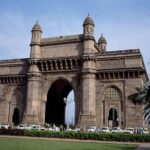
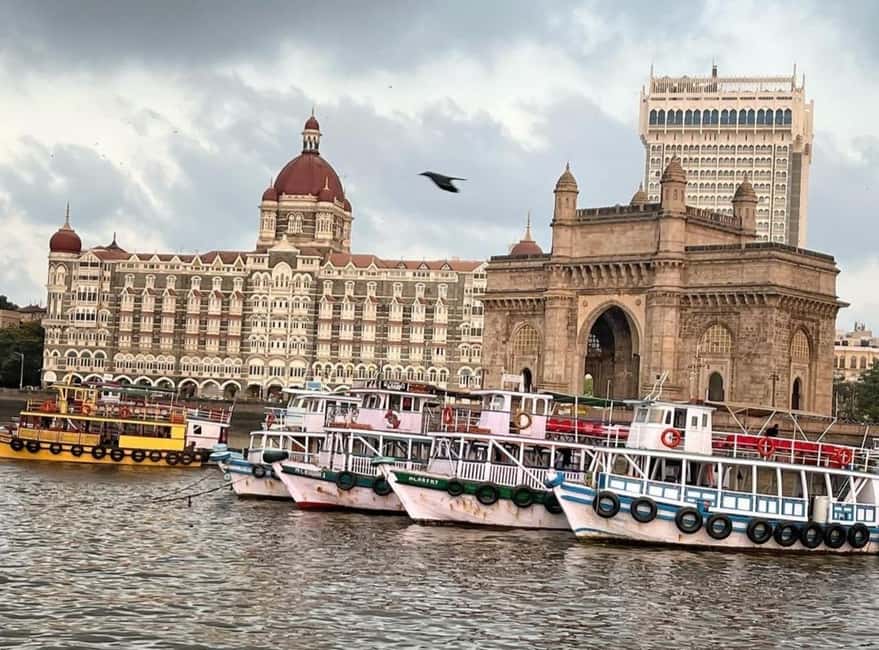
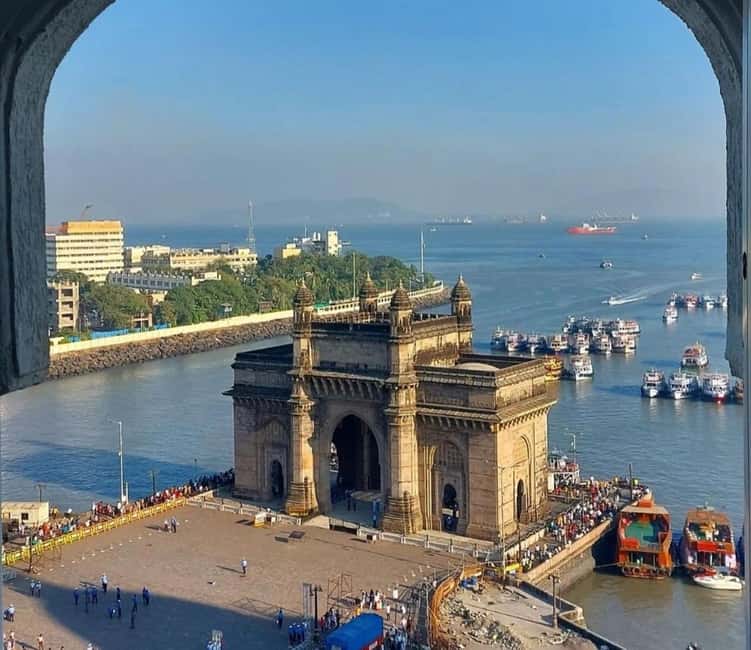
The tour kicks off at the Gateway of India, which is more than a photo spot. It’s tied to the British landing and later departure, so your guide can frame the colonial era as something with consequences, not just dates in a book. This matters because Mumbai’s story is written on the street level: who had power, who had money, who moved through the city, and who got reshaped by it.
From there, the walking begins in the Colaba area, where colonial-era buildings sit next to modern-day commerce. You’ll spend less time “checking boxes” and more time understanding why the buildings look the way they do and how that connects to trade and independence-era momentum.
Practical tip: plan your camera for tight angles here. The Gateway area has people and traffic near it, so bring a strap and keep your hands free when moving.
You can also read our reviews of more walking tours in Mumbai

Taj Mahal Palace and Royal Bombay Yacht Club: When Architecture Gets Personal
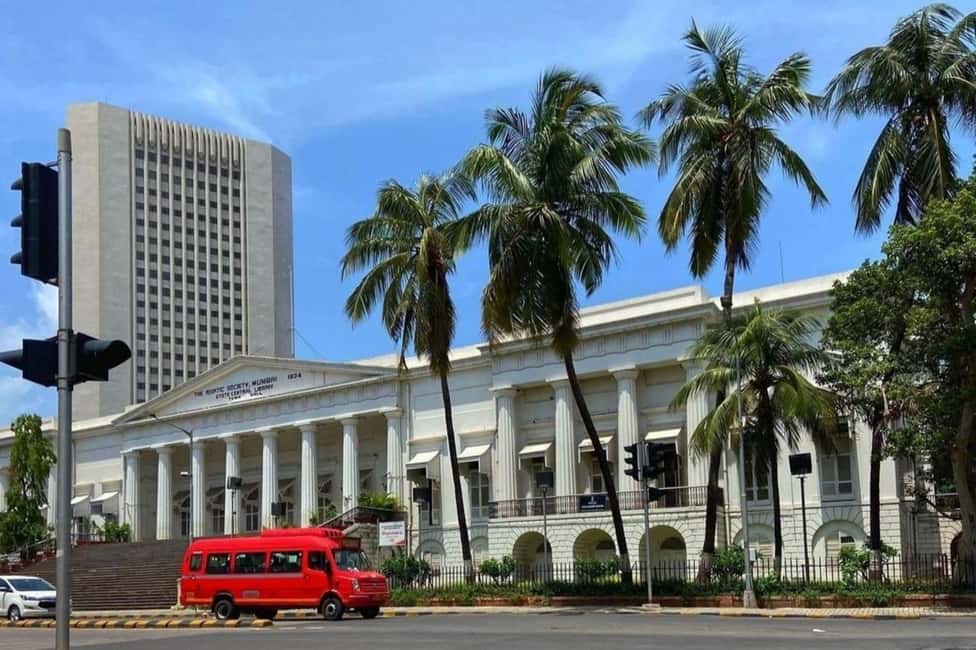
A big part of the appeal is how the tour uses landmarks as story props. You’ll pass the Taj Mahal Palace Hotel and the Royal Bombay Yacht Club, and your guide will connect what you see to what the city was doing economically and socially at different moments in time.
These stops are useful for two kinds of travelers. If you love architecture, you’ll get a sharper eye for details. If you care more about culture, you’ll still walk away with a clearer sense of how wealth, shipping, and status flowed through the area.
Here’s the value: you’re not just told that these places are old. You’re shown how they fit into a larger pattern—Mumbai as a trading port, and later, a city where political energy gathered around commerce and communication.
One caution: if the pace is tight, you’ll need to choose between lingering for photos and staying with the narration. If that worries you, tell your guide you want more photo time early on.
Colaba Causeway and the Marketplace Streets: Trade That Shaped Everyday Life
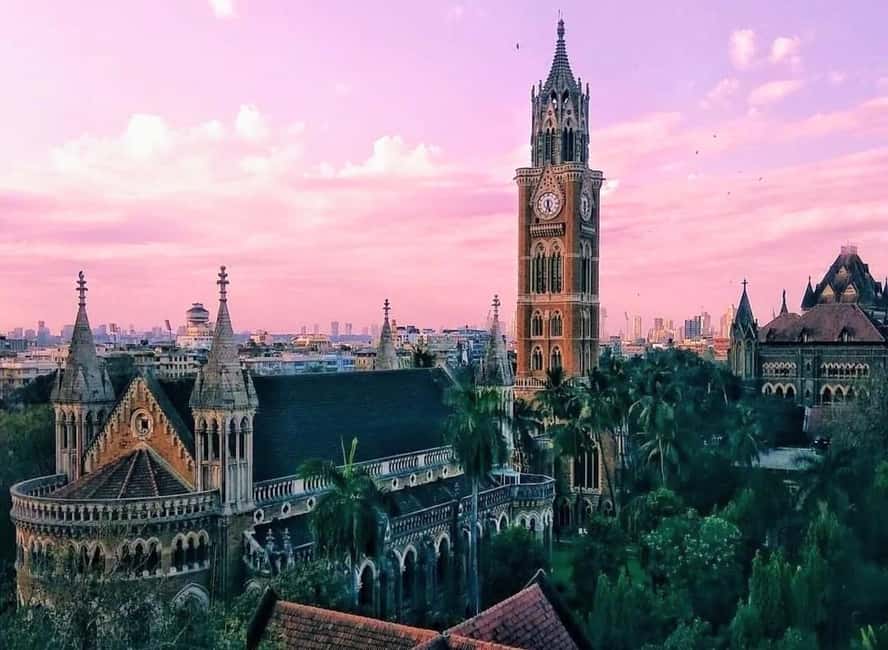
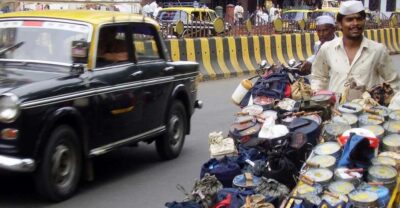
As you move along Colaba Causeway, the tour shifts from monuments to movement. This is where the “why” becomes easier to feel. The city’s mercantile past isn’t theoretical here—it’s tied to bazaars, shopping streets, and how people worked, sold, bought, and traveled.
You’ll also spend time in old trading zones with spice markets and the kinds of street commerce that still give Mumbai its pace. The narration is built to connect the physical spaces to cultural shifts, so you get more than a shopping walk. You get a map of how communities interacted as the city changed from colonial Bombay toward modern Mumbai.
For photographers, this is often the best stretch. You can frame storefronts, signage, and street textures in the same frame as older architecture.
Small reality check: it’s a walking tour. Some surfaces can be uneven, and crowd density can change by time of day. Comfortable shoes are not optional.
Courtyards, Step Wells, and Lesser-Seen Stops: The Parts You Don’t Expect
One of the tour’s promises is less standard routing, and this is where it can pay off. You’ll look for colonial courtyards and other less-seen pockets of the city, plus ancient step wells that help you understand how Mumbai’s past solved practical needs.
These stops matter because step wells and courtyard spaces show a different side of city life than forts or big memorials. They’re about water, daily movement, and community use—things that shaped neighborhoods over generations.
Still, keep your expectations flexible. In a best-case run, you’ll get time to look closely and hear the story with enough calm to absorb it. In a worst-case run, the “hidden” stops can turn into quick pass-throughs. If you’re booking mainly for these quieter spaces, it’s worth going in with a calm mindset and asking the guide early how much time you’ll have at each stop.
A Secret Parsi Café and Chai Break: Small Stop, Real Local Flavor
You’ll get chai at a local café, including a Parsi café stop described as secret. This is where the tour slows down, and it’s more than a drink. It gives your brain a breather so the story you just heard can stick.
Chai breaks also help with pacing on a walking tour, especially in warmer weather. The inclusion of bottled water helps too, so you can focus on the conversation instead of rationing.
If you’re the type who likes to ask questions, this is a great moment. Guides often use the café pause to connect local food culture with neighborhood history, since cafés are part of how social life developed in the city.
Tip: you may end up learning recommendations for where to eat or what to notice next. If your guide offers advice, write it down right away—street names and landmarks blur fast on a first visit.
You can also read our reviews of more historical tours in Mumbai



Ferry Time and the Route’s Practical Rhythm
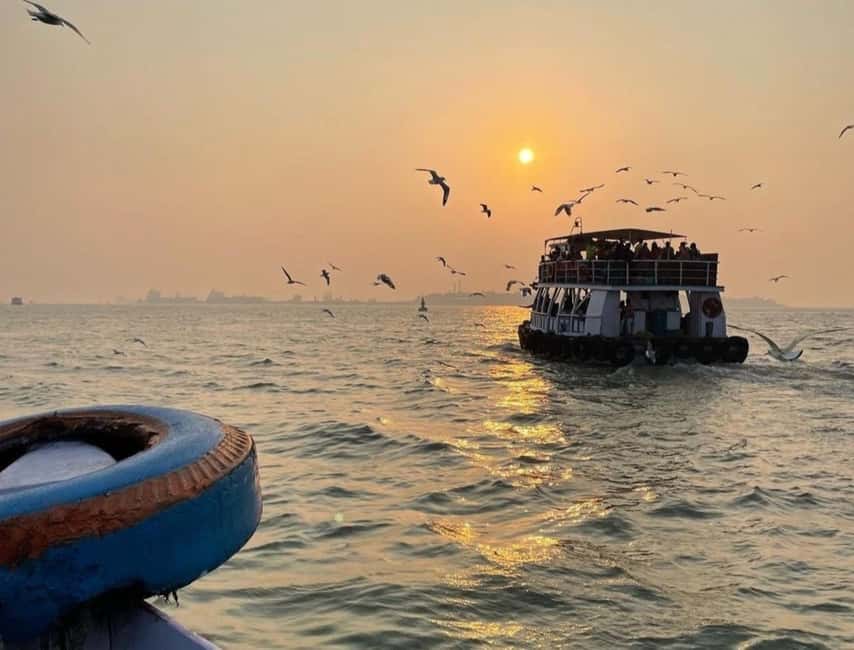
A ferry is included, which helps break up the walking and gives you a different view of the area. Even when the water ride is short, it adds variety, and it can make the total experience feel more like a journey than a parade of stops.
This also affects timing. The tour duration is 2.5 to 6 hours, so your exact schedule can stretch depending on how your guide manages distance, photo stops, and the time spent at less-seen locations.
If you want the most value, treat the ferry segment as part of the story. Look at how the coastline and port area connect to the commercial narrative your guide has been building since the Gateway.
Marine Drive Wrap-Up: A Quiet Ending With Perspective for Photos
The tour ends with a reflective moment at Marine Drive. This is a smart choice because it’s not another monument moment. It’s a chance to see the city’s modern vibe while your guide ties the full arc together—from a cluster of fishing villages to India’s financial capital.
This ending works well for people who like thinking in timelines. You’ve spent the morning or afternoon hearing about colonial-era shifts, trade, and changing communities. Standing at Marine Drive gives you a place to connect the “then” to what still feels present now.
For photographers, Marine Drive is also helpful because you can get wide, atmospheric shots without being stuck in the middle of the densest market streets.
Just remember: the tour is still a walking experience. Save energy if you plan to keep exploring after it ends.
Price and Value: Getting More Than a $10 Walk
At $10 per person, the value depends on what you expect a storytelling tour to deliver. For this price, what you’re really paying for is the guide’s time and the guided access to a route that mixes major landmarks with quieter, smaller stops. The inclusion of pickup and drop-off (private tour), bottled water, chai, and a ferry helps justify the cost in a practical way.
Here’s what’s included based on the provided details:
- Professional English-speaking guide
- Private pickup and drop-off
- Bottled water
- Chai at a local café
- Ferry
- Local taxes
And here’s what’s not included:
- Meals other than chai
- Elephanta caves entrance
If you want lunch or a full food tour, you’ll need to plan for it. If you were hoping to pair this with Elephanta Caves, plan separate tickets and time, since entrance is not included.
One more value note: the guide can be the difference between a great walk and an okay one. In the positive end of the experience, guides like Nisar bring warmth, friendliness, and lots of interesting facts that connect architecture to modern life. In the negative end, timing and accuracy issues can cut into the storytelling promise. That’s why I’d treat this as a “book for the guide and ask questions” style experience, not a rigid checklist.
Who This Tour Fits Best (and Who Might Want Another Option)
This is a great fit if you’re:
- a history lover who likes stories tied to real spaces
- a photographer who wants more than iconic landmarks
- a culture enthusiast curious about how trade and communities shaped neighborhoods
It’s especially good for first-timers because it gives you a timeline frame: colonial era to modern city, with the city’s architecture used as evidence.
It might be less ideal if you:
- want a strictly scheduled, hour-by-hour landmark tour
- get frustrated when walking tours run long due to crowds or traffic
- only care about one or two major sites and don’t want story time
Also, plan for weather. Mumbai’s conditions can shift, and the tour is outdoors for much of the day.
Should You Book This Mumbai Heritage Story Walk?
If you want a story-driven walk that mixes the famous and the lesser-seen, this tour is worth considering. The big win is the way it links Gateway of India, colonial landmarks, bazaars, step wells, and a calm ending at Marine Drive into one connected narrative. The chai and ferry add real breaks, not filler.
I’d book it if you can be flexible on timing and you’re okay with a walking pace. Before you go, wear comfortable shoes and bring a camera, then ask your guide how the schedule will feel for your specific group. If you do that, you’re much more likely to get the kind of friendly, fact-filled experience that guides like Nisar are known for.
FAQ
How long is the tour?
The duration is listed as 2.5 to 6 hours, depending on availability and how the guide manages the pace and stops.
Where does the tour start?
It starts at the Gateway of India.
Is the tour private?
Yes. A private group is available, and pickup and drop-off are included.
What does the tour cost?
The price is listed as $10 per person.
What’s included besides the guide?
Included items are bottled water, chai at a local café, and a ferry, along with local taxes.
Are meals included?
Meals are not included other than the chai.
Is the Elephanta caves entrance included?
No. Elephanta caves entrance is not included.
What language is the guide?
The guide is listed as English.
Is pickup and drop-off included?
Yes, pickup and drop-off are included for a private tour.
What should I bring?
Wear comfortable shoes, be ready for varying weather, and bring a camera.
FAQ
Where do we meet?
The meeting point may vary depending on the option booked.
Does the tour include skipping a ticket line?
The experience description says it includes skipping the ticket line where applicable, but the details of which ticket lines are not specified here.