REVIEW · MUMBAI
Banganga Walkeshwar Walking Tour
Book on Viator →Operated by Mumbai Dream Tours · Bookable on Viator
Mumbai hides its oldest corners in plain view. This 2.5-hour Walkeshwar walk centers on the Banganga Tank and a tight cluster of temples with vivid local stories, not a museum script. You’ll also get a short hop to Dhobi Ghat, where everyday life (and laundry) takes center stage.
What I like most is the on-the-ground focus: the walk includes the area’s long-used sacred water steps, temple entrances marked by Deepstambhas, and a temple circuit tied to the claim that Walkeshwar is the oldest continually inhabited place in Mumbai. The second big plus is the English-speaking guide, with small-group pacing (maximum 15) and room for questions instead of a rushed parade.
One drawback to plan around: food and drink aren’t included, and parts of the neighborhood around Banganga are lived-in by slum and migrant communities, so this is real city life, not polished postcard Mumbai.
In This Review
- Key highlights you’ll feel right away
- Why Walkeshwar and Banganga work better than a standard city drive
- Price and group size: what $18.13 buys you
- Starting at Hotel Banganga Arogya Bhavan: a practical launch point
- Stop 1: Walkeshwar’s 18 temples, memorial stones, and the Banganga Tank
- The 18-temple walk
- Memorial stones (pallias) and worship by Gujaratis
- Banganga Tank: the steps are multi-purpose
- Deepstambhas: pillars of light and a buried-saint legend
- What could feel challenging at Stop 1
- Stop 2: Banganga Tank street lanes, dharamsalas, and Dhobi Ghat
- Narrow street lined with temples, homes, and dharamsalas
- Migrant communities and slum dwellers: a real, sensitive layer
- Dhobi Ghat: open-air laundry built by the British
- Guide quality is the difference between seeing places and understanding them
- Timing and pacing: how to avoid feeling rushed
- What to bring (and what to skip)
- Who should book this Walkeshwar and Banganga tour?
- Booking and cancellation: low stress, but don’t last-minute it
- Should you book Banganga Walkeshwar Walking Tour?
- FAQ
- How long is the Banganga Walkeshwar Walking Tour?
- Where does the tour start and end?
- What’s the price per person?
- Is there an admission fee for the sites?
- Do I need to bring tickets?
- Does the tour include a guide?
- Is food included during the tour?
- What group size should I expect?
- What is the cancellation policy?
Key highlights you’ll feel right away
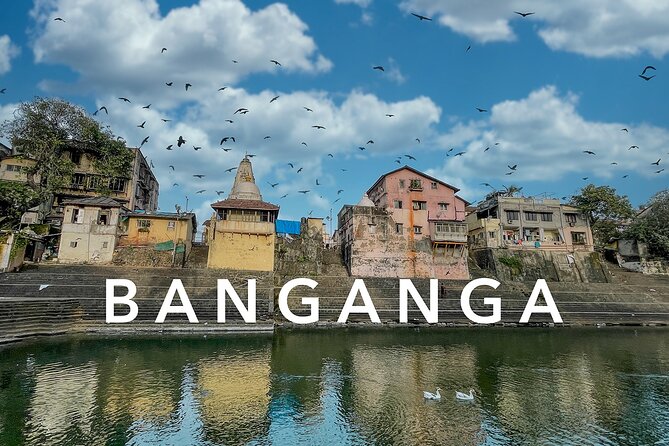
- Walkeshwar’s temple circuit (18 temples): you follow a guided loop and hear stories behind what you see
- Banganga Tank steps: watch how the same space works for puja, daily social life, and kids playing
- Deepstambhas and legend: pillars of light marking entrances and significant temples
- Banganga lanes: narrow streets lined with temples, homes, and dharamsalas (religious rest houses)
- Dhobi Ghat laundry viewing: open-air laundry described as built by the British
Why Walkeshwar and Banganga work better than a standard city drive
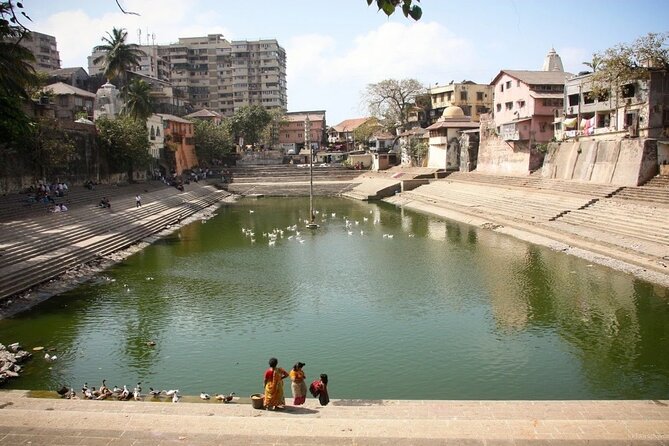
Mumbai can feel like it’s always moving, but this route slows you down on purpose. Instead of racing past big-name landmarks, the focus here is Walkeshwar and Banganga: old sacred spaces, tight lanes, and everyday routines happening beside religious sites.
The tour format matters. You’re not doing a long day of transfers. It’s about 2 hours 30 minutes of concentrated walking time, plus the guide’s commentary to connect the dots. That’s ideal when you want context fast, especially if it’s your first days in town and you want a ground-level feel for how Mumbai neighborhoods work.
And yes, it’s a walking tour, but you still get a guide for navigation and meaning. The overview also mentions private transportation between attractions for convenience, so you’re not stuck figuring out every logistics step on your own.
You can also read our reviews of more walking tours in Mumbai

Price and group size: what $18.13 buys you
At $18.13 per person, this is priced like a local-style experience, not a premium big-bus product. The reason it feels like value is simple: you’re paying for time with an English-speaking guide and for a structured route through a dense area where it’s easy to get lost or miss what you’re looking at.
The maximum group size is 15 travelers, which is big enough that you won’t feel awkward if you’re traveling solo, but small enough for the guide to actually explain details. That matters here, because the tour isn’t just pointing out buildings. It’s about stories: memorial stones, legend tied to temple pillars, and why the tank steps matter beyond the aesthetic.
One more value detail: admissions are listed as free for the stops. That doesn’t mean everything is “free for you” in every possible sense, but it does remove one common budget headache at religious sites.
Starting at Hotel Banganga Arogya Bhavan: a practical launch point
The tour starts at Hotel Banganga Arogya Bhavan (Banganga, Shop No. 91, Road, Shubash Chowk, Walkeshwar, Malabar Hill, Mumbai). It also ends back at the meeting point, so you’re not scrambling at the end to figure out your next ride.
Why I like this setup: Walkeshwar and Banganga are the kind of places where you benefit from starting near the action. You’re already positioned in the right neighborhood, so the first minutes aren’t a geography lecture. If you’re using a rideshare or taxi, you’ll also have a clear destination that sounds like it belongs to the area rather than a random pickup point.
The tour uses a mobile ticket, and you get confirmation at booking. That keeps things low-stress if you’re doing multiple activities while planning Mumbai.
Stop 1: Walkeshwar’s 18 temples, memorial stones, and the Banganga Tank
This is where the tour earns its name. Walkeshwar is presented as the oldest continually inhabited place in Mumbai, and the route is built around what that means on foot: a neighborhood where sacred sites aren’t separated from daily life.
The 18-temple walk
You’ll take a walk to 18 temples with your guide sharing deeper stories at each stop. Even if you’re not a hardcore temple expert, this kind of route is useful because it gives you a checklist in your head. When you see another shrine or marker, you’ll know to ask why it’s here.
A drawback of temple-hopping without context is that everything starts to look similar. Here, the guide’s job is to keep each temple distinct in your mind—what the place represents and what to watch for.




Memorial stones (pallias) and worship by Gujaratis
The tour mentions memorial stones called pallias, described as memorial stones of dead warriors worshiped by Gujaratis. That detail is the sort of information you’d rarely guess from looking at a stone in a temple area.
It also helps you understand that religion here isn’t only about grand ceremonies. It’s about memory, respect, and community identity—things you can sense when you know what the objects are for.
Banganga Tank: the steps are multi-purpose
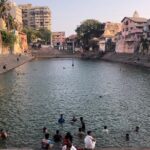
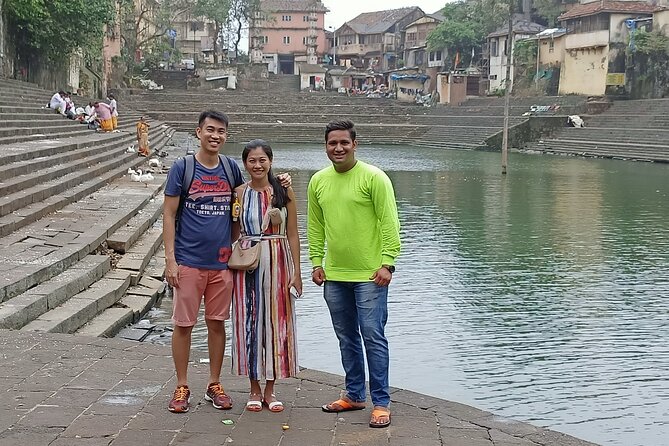
Banganga Tank is the heartbeat. The tour highlights that the steps of the tank serve many purposes: a play area for children, a social hub for residents, a place to dry washing, and a space to perform puja (worship).
That’s a big deal. Many tourist stops show you worship behind barriers. This one shows you how worship and ordinary routines share the same physical space. It’s not a spectator-only site.
So as you’re walking, watch how people use the steps differently. This is a good time to slow down and observe. You might even notice that what feels like a “photo location” to outsiders functions as a daily utility for locals.
Deepstambhas: pillars of light and a buried-saint legend
At the entrance to Banganga Tank—and at significant temples—you’ll see Deepstambhas (pillars of light). The tour includes a fascinating legend: a saint is said to be buried under each pillar.
Even if you treat the story as spiritual folklore rather than literal fact, it still tells you how people connect physical markers to sacred meaning. It’s the difference between seeing a structure and understanding why it has staying power in the neighborhood’s mind.
What could feel challenging at Stop 1
Because this is a dense religious area, you’ll be around many people and active spaces. Also, it’s easy to get distracted. If you want the stories to really land, it helps to be present—no rapid-fire selfies for every corner. Let the guide explain, then look again.
Stop 2: Banganga Tank street lanes, dharamsalas, and Dhobi Ghat
After Walkeshwar’s temple loop, the tour transitions into the narrower world around Banganga. This is less about a single monument and more about the street texture: temples, homes, and places people support themselves.
Narrow street lined with temples, homes, and dharamsalas
The tour describes a narrow street flanked by temples, homes, and dharamsalas (religious rest houses). This kind of lane is where you learn how faith and community infrastructure are tied together.
It’s also a useful reality check for first-time Mumbai visitors. You stop thinking of “tourist areas” and start recognizing living city fabric.
Migrant communities and slum dwellers: a real, sensitive layer
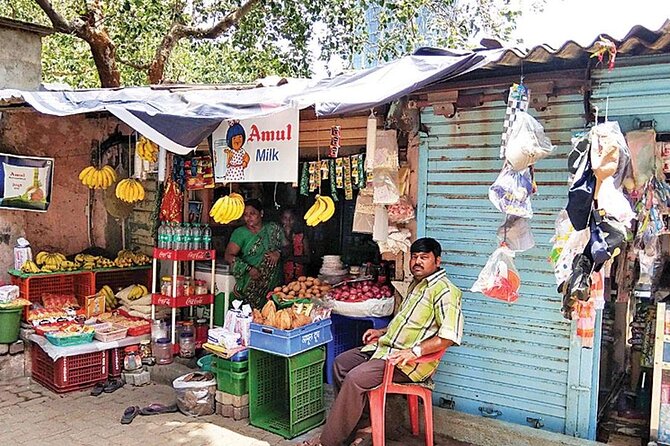
One part of the itinerary notes encroaching migrant communities, where slum-dwellers have occupied the area for the past few decades. This is important context.
You’ll be walking through lived-in spaces, not an empty “heritage zone.” If you’re the kind of traveler who prefers polished and sanitized sightseeing, this portion may feel uncomfortable. If you’re curious about how cities actually work, it can be one of the most educational parts of the day—just approach it with respect and quiet attention.
Dhobi Ghat: open-air laundry built by the British
Then comes Dhobi Ghat, described as the second largest laundry in Mumbai, where you’ll see open-air laundry. The tour notes the laundry was built by the British.
Even without getting lost in colonial history details, it’s easy to see the main point: this is industrial everyday life happening in a public viewable setting. The sights can be practical, sometimes surprising, and always human. You’re watching people work, not costumed actors performing for cameras.
Stop 2 is shorter—about 30 minutes—so it won’t take over your whole day. It’s a quick contrast after the temple-and-tank focus, and it helps keep the experience from becoming only religious architecture.
Guide quality is the difference between seeing places and understanding them
This is the kind of tour where the guide’s voice changes what you take home. The information isn’t just dates and names; it’s meaning—why certain stones are worshiped, what the tank steps are used for, and what the pillars might represent.
The tour is led by an English-speaking guide. In past experiences connected to this operator, I’ve seen guides like Ajay described as well informed and passionate, with explanations detailed enough that even long-time Mumbai residents said they learned new things. Others, like Dhaval and Sid, have been singled out for strong pacing and story-telling—especially around the human side of the city.
To get the most out of this, come with one mindset: you’re not only watching objects. You’re collecting clues about how Mumbai people make meaning from shared spaces.
Timing and pacing: how to avoid feeling rushed
At 2 hours 30 minutes, you have enough time to feel like it’s more than a quick walk, but not enough time to “wander off and still catch everything.” The route is structured around two main stops, with guided walking and brief viewing windows.
If you’re sensitive to crowds or want calmer photos, consider being attentive to when you stop for stories. The tank and temple steps can become busier as you’re there. The best strategy is simple: listen first, then photograph. That way you capture images that match what you learned, not just random corners.
What to bring (and what to skip)

The tour includes admission tickets as free, and it doesn’t list food.
So plan accordingly:
- Bring water, especially in warm weather, since food and drink aren’t included
- Wear comfortable shoes with good grip; you’ll be on temple-area paths and tank-step surfaces
- If you’re sensitive about street photography near active work or homes, keep your camera use respectful and brief
Also, dress with common-sense modesty for temple areas. The itinerary is temple-focused, so you’ll do better when you can move comfortably and respectfully through sacred spaces.
Who should book this Walkeshwar and Banganga tour?
This works best for you if:
- You want old-world Mumbai rather than only skyline views
- You like walking tours that mix religion, local stories, and daily life
- You’re okay with a more real neighborhood feel, including migrant communities and working areas like laundry
It may not be ideal if:
- You want a strictly comfortable, fully tour-bus, curated experience
- You need guaranteed seating, long breaks, or food stops during the tour
- You’re uncomfortable in crowded, active public spaces
Booking and cancellation: low stress, but don’t last-minute it
You can confirm at booking, and the tour is set up for most travelers to participate. Cancellation is offered with free cancellation up to 24 hours in advance. That’s a relief if your schedule is shifting.
One more practical note: the tour is often booked about 40 days in advance on average. That doesn’t mean you can’t find space, but it does suggest it’s popular enough that you’ll feel better booking earlier rather than hoping.
Should you book Banganga Walkeshwar Walking Tour?
I’d book it if you want a short, meaningful introduction to Mumbai’s older spiritual neighborhood life. The combination is strong: Walkeshwar’s 18-temple focus and Banganga Tank’s multi-purpose steps, followed by a quick, eye-opening look at Dhobi Ghat. At this price, the real value is the guided interpretation and the small group size.
Skip it only if you need food included, want a sanitized “tour only” feel, or hate walking through crowded lanes where daily life continues. For everyone else, this is the kind of Mumbai experience that helps you understand the city beyond the postcard layer—fast, on foot, with stories you can actually repeat later.
FAQ
How long is the Banganga Walkeshwar Walking Tour?
It runs for about 2 hours 30 minutes (approx.).
Where does the tour start and end?
It starts at Hotel Banganga Arogya Bhavan (Banganga, Shop No. 91, Road, Shubash Chowk, Walkeshwar, Malabar Hill, Mumbai) and ends back at the same meeting point.
What’s the price per person?
The price is listed as $18.13 per person.
Is there an admission fee for the sites?
Admission tickets are listed as free for both the Walkeshwar and Banganga stops.
Do I need to bring tickets?
You’ll use a mobile ticket.
Does the tour include a guide?
Yes. It includes an English speaking guide.
Is food included during the tour?
No. Food and drink are not included.
What group size should I expect?
The tour has a maximum of 15 travelers.
What is the cancellation policy?
You can cancel for a full refund up to 24 hours before the experience’s start time. If you cancel within 24 hours, the amount paid is not refunded.