REVIEW · MUMBAI
Mumbai: Private City sightseeing and Dharavi Slum Tour
Book on GetYourGuide →Operated by Tours By Walk · Bookable on GetYourGuide
Mumbai in one day: contrasts you can feel. This private city + Dharavi tour pairs big-name landmarks like Gateway of India and CSMT with a real walk through Dharavi’s workshops, schools, and daily life. I especially like that the guide brings the city to life through practical stories (not just dates), and I like how the Dharavi portion points out hands-on industries such as leather work, pottery, soap making, baking, and plastic recycling. One consideration: it’s a full 8 hours with lots of short transfers and close-quarters walking, so comfortable shoes and a calm, respectful mindset really matter.
You also get straightforward value for the price: hotel pickup and drop-off, entry tickets, an English-speaking guide, and mineral water bottle are included. Food and drinks are not included, so you’ll want to plan around that and pace yourself, especially after the slum segment.
In This Review
- Key things that make this tour worth your time
- Why this Mumbai city-and-Dharavi pairing makes sense
- Price and logistics: $109 per group up to 3 (and what that buys you)
- Dharavi slum walk: alleys, work, schools, and why the details matter
- Dhobi Ghat: the short stop that feels surprisingly alive
- South Mumbai core: CST, clock towers, courts, and colonial landmarks
- Oval Maidan and cricket breaks: local culture you can spot fast
- Gateway of India, Taj Mahal Palace, and Marine Drive: icons at street level
- Gandhi’s Mani Bhavan and Hanging Gardens views you can feel in your calves
- So how intense is this day, really?
- Who this tour suits best
- Should you book this tour? A quick decision guide
- FAQ
- How long is the Mumbai city sightseeing and Dharavi slum tour?
- What does the tour cost?
- Is hotel pickup and drop-off included?
- Are entry tickets included?
- Does the tour have an English-speaking guide?
- Which key places are included in the city portion?
- Is Dharavi included, and for how long?
- What should I bring?
- Is food included?
- Is there free cancellation?
Key things that make this tour worth your time

- Private, small-group feel (up to 3) with hotel pickup and drop-off built in
- Dharavi walk with a guide who lives in the area, so the day feels grounded rather than staged
- Dhobi Ghat stop to see open-air laundry in action during a short guided visit
- South Mumbai photo-and-walk rhythm across colonial-era landmarks and major stations
- Time for the big icons like Gateway of India, Taj Mahal Palace, Marine Drive, and Mani Bhavan
Why this Mumbai city-and-Dharavi pairing makes sense
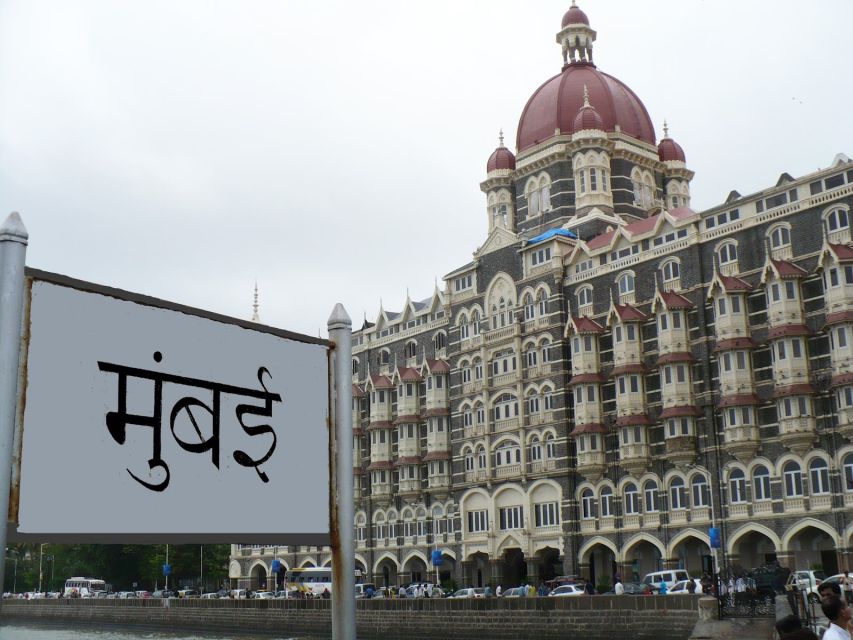
Mumbai can feel like two cities wearing the same suit. This tour keeps you in that same reality: you start with the city’s global face and then shift to the working neighborhoods that power everyday life. The contrast isn’t just for shock value—it helps you connect what you see on postcards with what you see in real streets.
I like the structure because it’s not random. The city side focuses on recognizable landmarks—Gateway of India, Chhatrapati Shivaji Maharaj Terminus (CST), Marine Drive—while the Dharavi side stays focused on day-to-day work: small factories, markets, and community services like schools and hospitals.
You can also read our reviews of more city tours in Mumbai



Price and logistics: $109 per group up to 3 (and what that buys you)
At $109 per group (up to 3 people) for an 8-hour day, the math works best if you’re not traveling solo. You’re essentially paying for a private-style guide plus entry tickets and hotel pickup, which adds up quickly in Mumbai where you’ll spend a fair amount of time on transit.
What’s included:
- hotel pickup and drop-off
- entry tickets
- English-speaking guide
- mineral water bottle
- skip-the-ticket-line
What’s not included:
- food and drinks
The practical takeaway: bring an empty stomach strategy. If you can snack lightly before the Dharavi portion and then eat afterward, you’ll finish the day less grumpy. Also, plan on moving—this isn’t a slow sit-behind-the-curtain kind of tour.
Dharavi slum walk: alleys, work, schools, and why the details matter

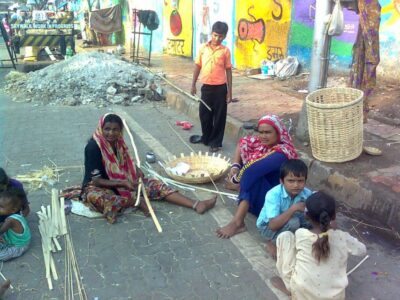
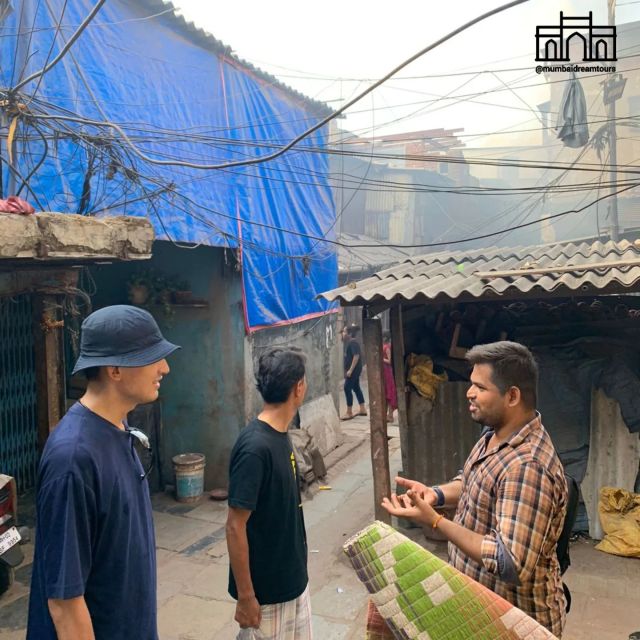
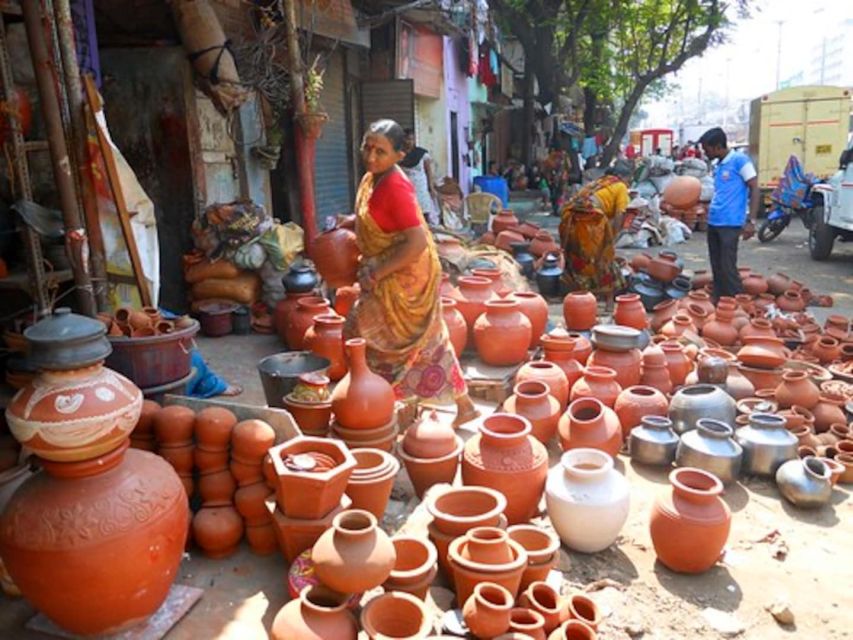
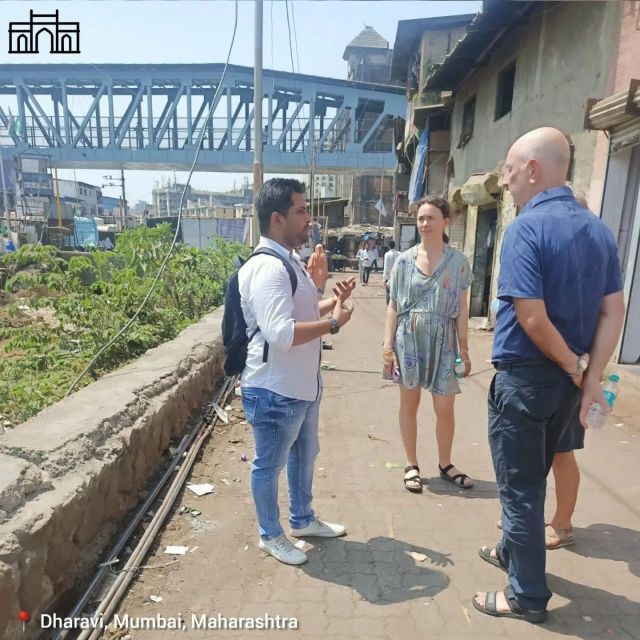
Dharavi is scheduled for about 2 hours of guided walking, with time for sightseeing and a real look at daily life. The tour focuses on what people do, not just where they live—so you’ll see small-scale industries and services in action as you move through narrow lanes.
On the work side, you might encounter:
- leather industries
- pottery
- soap making
- bakery operations
- color dye work
- plastic recycling
- recycling of vegetable oil
You may also see the “community services” layer: schools, hospitals, and everyday housing. One detail I find especially meaningful is the mix of beliefs and practices you can observe in the area, like Muslim community members making a shrine for Hindus. It’s a reminder that religion and identity here aren’t separate boxes—they overlap in real life.
There’s also a pop-culture note: Dharavi is the place where Slumdog Millionaire was shot. But I’d treat that as a way to recognize the area from a film, not as the point of the visit. The point is understanding resilience, neighborhood businesses, and community spirit.
Quick reality check: keep your camera use respectful. If you want photos, ask first and be patient. In tight spaces, consent and comfort come before your shot list.
Dhobi Ghat: the short stop that feels surprisingly alive
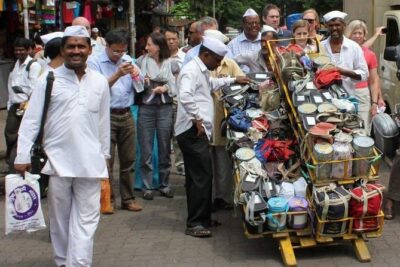
Dhobi Ghat is only listed as a 20-minute guided visit, but it’s memorable because it’s visual. This is open-air laundry where clothes get washed in full view of the public. You see the process up close, and you understand why this place matters in a city that runs on routine.
The value here is timing and contrast. After Dharavi’s busy workshop atmosphere, Dhobi Ghat shifts you to a different kind of labor—still hands-on, still communal, just with a different rhythm. Even in a short stop, it changes the way you picture Mumbai’s everyday economy.
If you’re sensitive to heat or crowded walkways, this is where to slow down. Wear light layers and keep water in mind (you’ve got one bottle included).
South Mumbai core: CST, clock towers, courts, and colonial landmarks
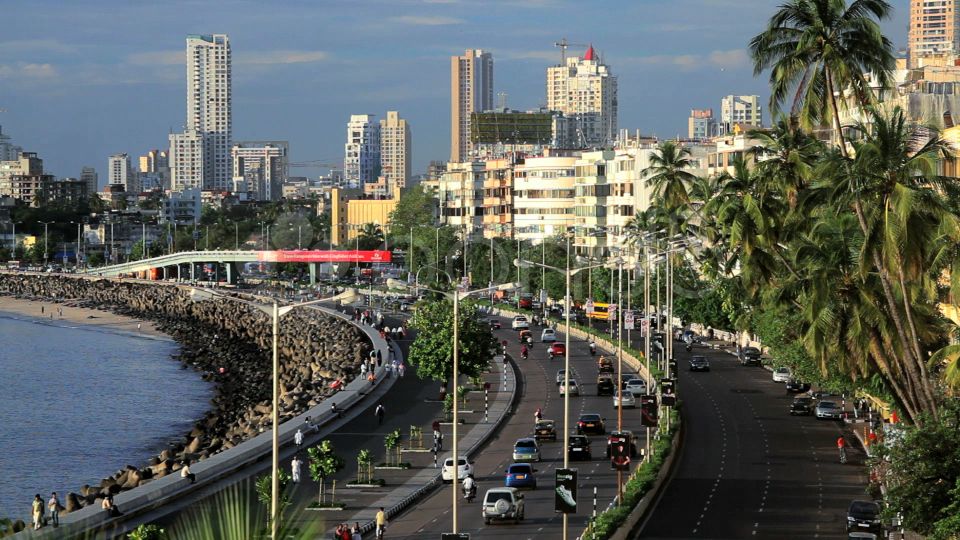
After Dharavi and Dhobi Ghat, you move into the older part of South Mumbai where the architecture is all about power and empire-era design. The plan includes multiple quick guided stops and drive-pasts, so you’ll get snapshots rather than hours inside museums.
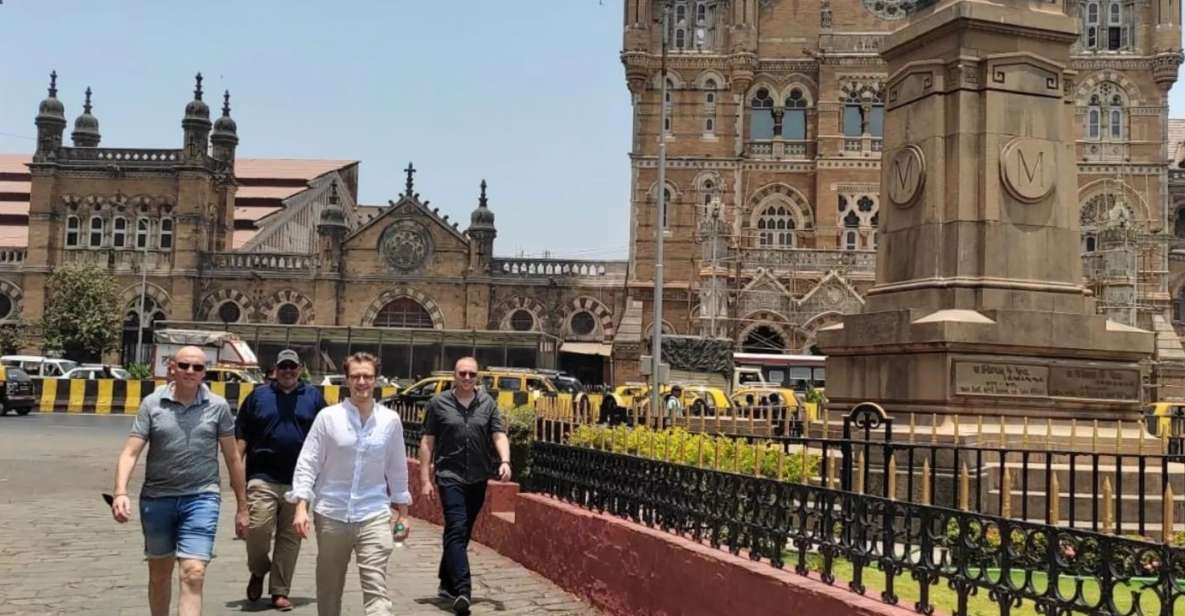
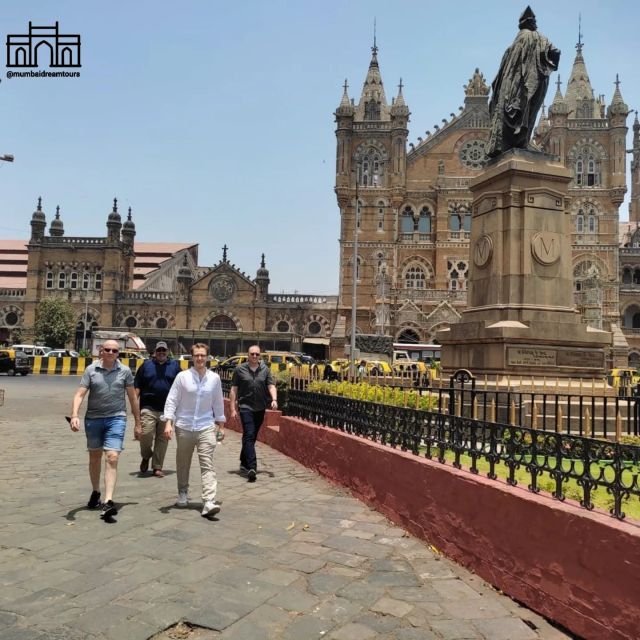
One named highlight is Chhatrapati Shivaji Maharaj Terminus (CST), a UNESCO World Heritage Site. Even if you’re only there briefly, this is one of those buildings that forces your eyes up. It also helps you understand why Mumbai’s rail network became such a backbone during colonial-era growth.
From there, the itinerary routes you through the area’s big-name British heritage buildings and nearby sights, including:
- Rajabai Clock Towers, sometimes called Big Ben of India
- Bombay High Court
- Watson’s Hotel Ruins, tied to the story that Tata was refused entry and later built the Taj Mahal Hotel
- Flora Fountain & Hutatma Chowk (as drive-by points)
- Telegraph Office and the India Post Office Building (drive-by points)
- Kala Ghoda area (short guided sightseeing)
Because some stops are around 5 to 10 minutes, I’d use a simple strategy: pick one or two buildings to remember, then let the rest be context. Trying to “collect” everything in quick succession usually ends in notes you can’t read later.
You can also read our reviews of more private tours in Mumbai





Oval Maidan and cricket breaks: local culture you can spot fast
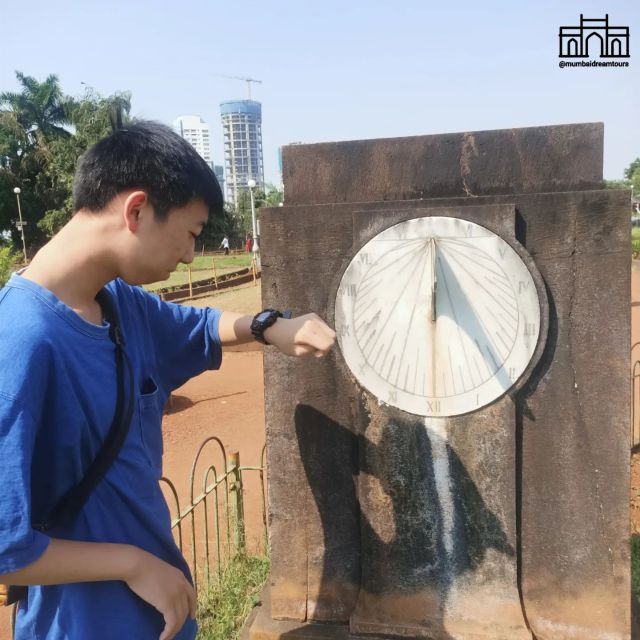
You’ll have a stop at Oval Maidan, with guided sightseeing for a short window. It’s a classic open-air space where the city’s energy shows up in small everyday scenes—people walking through, taking photos, and generally using the city as a public living room.
The tour also nods to the sport that dominates local attention: cricket. The itinerary includes Oval Cricket Ground, described as the place where people play India’s most beloved sport. If you want an easy way to connect Mumbai to what locals care about, this kind of stop does it fast—no long lecture required.
Gateway of India, Taj Mahal Palace, and Marine Drive: icons at street level
Later in the day, you reach Gateway of India for a guided visit and walk (about 20 minutes). It’s one of those landmark spaces that looks different depending on the time of day, so the value of this stop isn’t only the structure—it’s the surrounding movement and how the coastline area feels in person.
Next is The Taj Mahal Palace, Mumbai for a short guided look. You also get Marine Drive for a guided sightseeing stop (around 10 minutes). This is where you should switch gears from “tour mode” to “people watching mode.” Even without a long stay, the shoreline setting helps you understand why Mumbai’s city identity includes both business and seaside promenades.
If you like photos, this is your window—just remember you’re on a schedule. Move quickly to the right angle, then step back and take in the street scene too.
Gandhi’s Mani Bhavan and Hanging Gardens views you can feel in your calves
The tour includes Mani Bhavan (about 30 minutes), described as a Gandhi museum. This stop matters because it anchors Mumbai’s modern identity in political history and personal story. Even if you only have part of an hour, it gives you a different kind of perspective than landmarks made only to impress.
After that, you’ll reach Hanging Gardens for about 20 minutes. The description here is extra interesting: these gardens are built on top of water tanks near the Tower of Silence, linked to Parsi burial traditions. It’s a reminder that city infrastructure and cultural practice can share the same physical space.
You’ll also pass by or include Kamala Nehru Park, noted for a skyline view and a sculpture described as the old woman’s shoe. These small, quirky details are exactly what make the city feel real instead of just monumental.
And yes, expect walking on uneven ground. Your legs will do more work than your brain. Plan accordingly.
So how intense is this day, really?
It’s an 8-hour tour, split between a 2-hour Dharavi walk and multiple short city stops plus drive-bys. That means your attention has to switch gears a lot: work and housing in Dharavi, laundry labor at Dhobi Ghat, then rail and colonial architecture in South Mumbai, ending with seaside and memorial sites.
If you do best with steady pacing, you’ll want to bring a bit of mental patience for crowds and tight walkways. If you’re the type who loves big sights, you’ll still get plenty, but the day’s emotional weight comes more from the Dharavi portion than the famous postcard buildings.
Who this tour suits best
This tour fits you if:
- you want to see Mumbai’s major landmarks and also understand the city’s working side
- you like guided storytelling tied to places you can actually stand in
- you’re okay with a day that mixes short stops with one longer neighborhood walk
It may feel less ideal if:
- you dislike close quarters walking
- you need long museum time to recharge
- you strongly prefer a purely sightseeing day with no deeper social context
Should you book this tour? A quick decision guide
Book it if you’re looking for a single-day package that connects Mumbai’s icons to real local life, with an English guide and entry tickets handled. The price is fair for a small group because pickup, ticket access, and guidance are included—and the itinerary doesn’t treat Dharavi like a side show.
Skip or rethink if you want a slow, relaxed pace with lots of time at fewer sites, or if you’re not comfortable with the intensity of visiting an informal settlement. In that case, you might prefer a pure city landmarks tour instead.
FAQ
How long is the Mumbai city sightseeing and Dharavi slum tour?
The tour runs for 8 hours.
What does the tour cost?
It’s priced at $109 per group, up to 3 people.
Is hotel pickup and drop-off included?
Yes, hotel pickup and drop-off are included.
Are entry tickets included?
Yes, entry tickets are included.
Does the tour have an English-speaking guide?
Yes, the guide is listed as English speaking.
Which key places are included in the city portion?
Key included stops and areas include Chhatrapati Shivaji Maharaj Terminus (CST), Gateway of India, The Taj Mahal Palace, Marine Drive, Mani Bhavan, and Hanging Gardens, plus Dhobi Ghat and other drive-past heritage buildings.
Is Dharavi included, and for how long?
Yes. Dharavi is included with a guided visit and walking for about 2 hours.
What should I bring?
You should bring comfortable shoes.
Is food included?
No. Food and drinks are not included.
Is there free cancellation?
Yes. You can cancel up to 24 hours in advance for a full refund.