REVIEW · MUMBAI
Bollywood tour with Slum Tour & Dance show
Book on GetYourGuide →Operated by Bollywood tours · Bookable on GetYourGuide
Two worlds, one Mumbai day. This tour mixes a Dharavi street-level visit with the shine of a Bollywood studio stop, so you see how life and work move at two very different speeds. I love the way the walk focuses on daily reality—small workshops, tight spaces, and people building livelihoods—rather than treating Dharavi like a photo-op.
I also like the energy shift once you’re back in the film world. The Bollywood dance show is live, with 3–4 performances by professional dancers, and it makes the whole studio portion feel like more than just standing around in a production zone.
One thing to keep in mind: the Bollywood studio experience can feel like the most uneven part of the day for some people, especially at this price point, since expectations for what you see can vary a lot.
In This Review
- Key things to know before you go
- Dharavi walk: industries, faith, and community in tight lanes
- From alleys to glamour: the Bollywood drive-by moments
- Inside the studio: sets, filming, and what behind the scenes really means
- Live Bollywood dance shows: what 3–4 performances add to the day
- Logistics and value for an 8-hour day with pickup included
- What to wear and the rules that keep the visit respectful
- Guide matters: DIVA, Rahul, and Mayur as the difference-makers
- Who should book this Dharavi and Bollywood combo?
- Should you book this tour?
- FAQ
- Is the tour 8 hours long?
- What’s included in the price?
- Are meals provided?
- Can I bring a camera and take photos?
- What language options do the guides offer?
- Can I cancel and get a refund?
Key things to know before you go
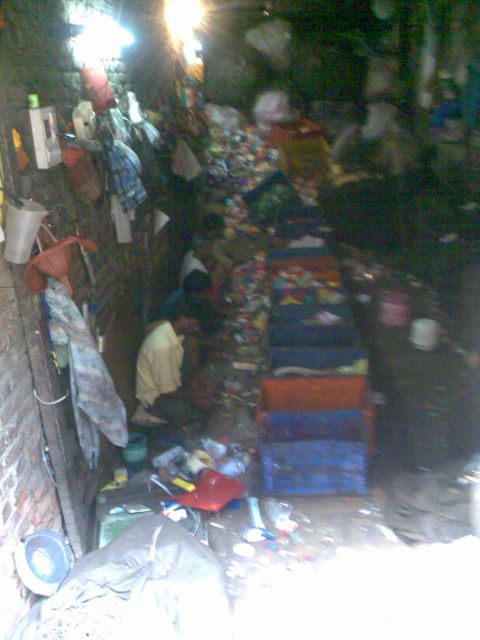
- Dharavi street walk with small-scale industries like recycling, pottery, embroidery, soap-making, and leather tanning
- Drive past Bollywood stars’ homes for a quick hit of glamour from outside
- Studio behind-the-scenes time that shows how scenes are staged and filmed
- Live Bollywood dance shows (3–4) performed by professional dancers
- Camera restrictions mean you’ll rely on memory, not a phone gallery
- Modesty rules for visitors keep the focus on the community and the event
Dharavi walk: industries, faith, and community in tight lanes
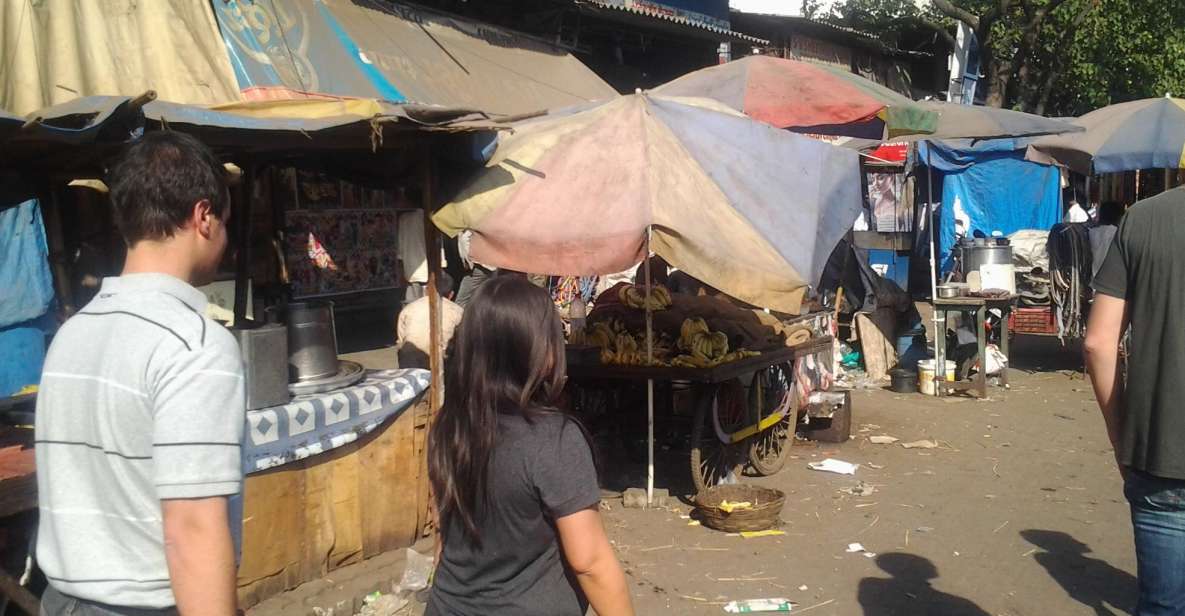
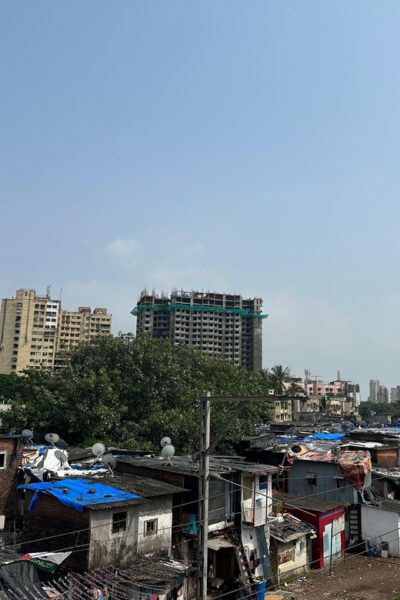
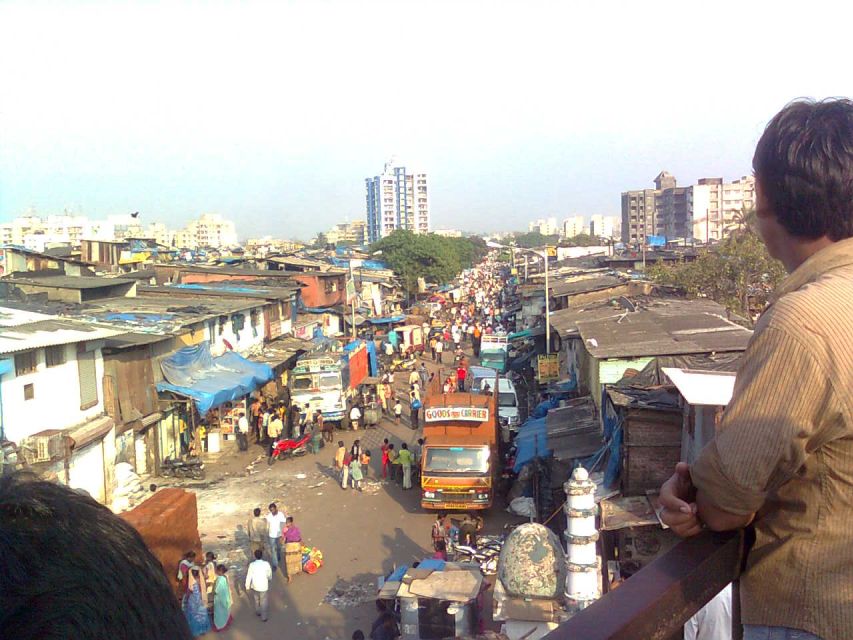
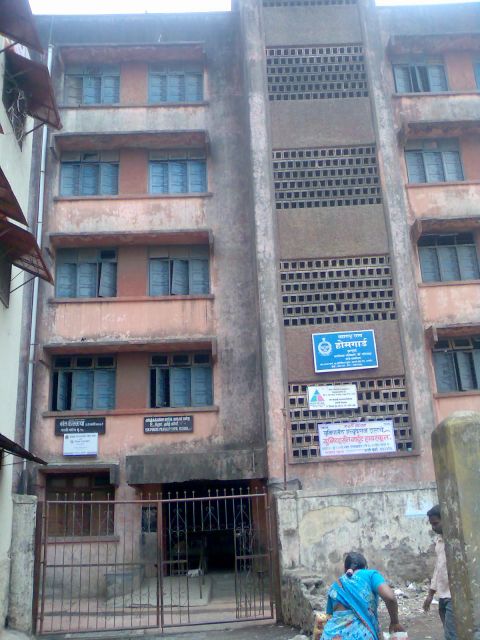
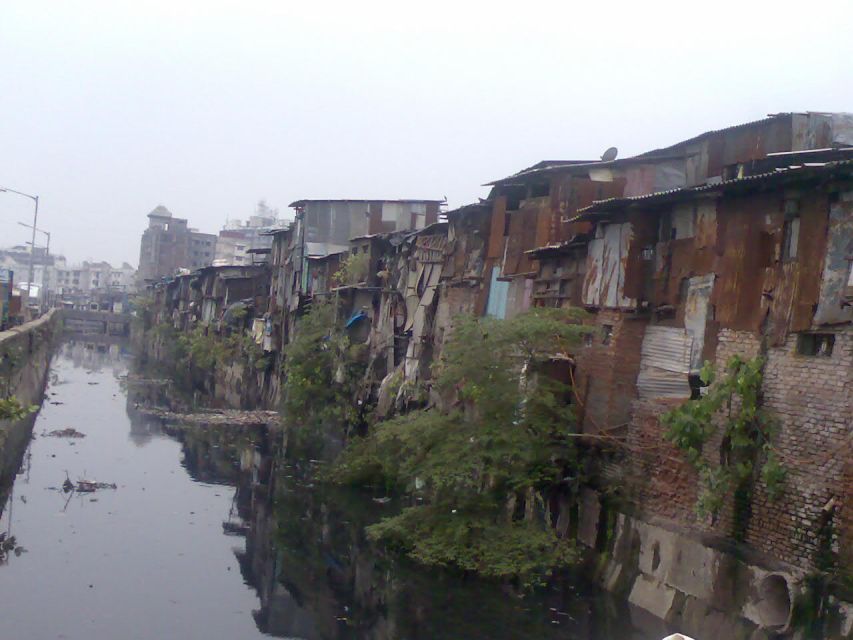
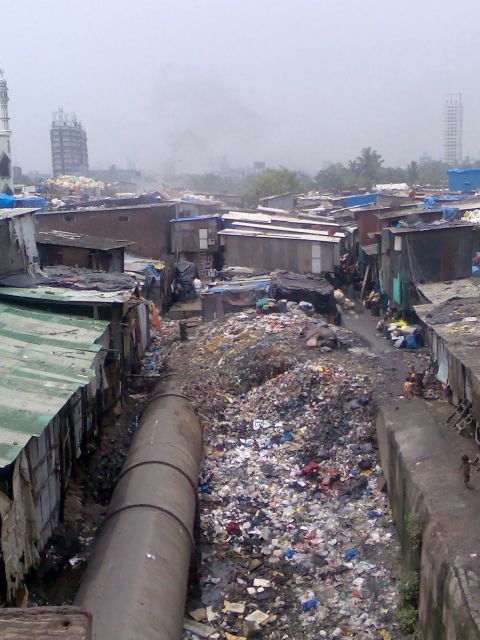
The day starts in Dharavi, a neighborhood in Mumbai that’s often described as Asia’s largest slum, home to nearly one million people. The point of the tour is simple: trade the stereotypes for what you can actually observe on the ground.
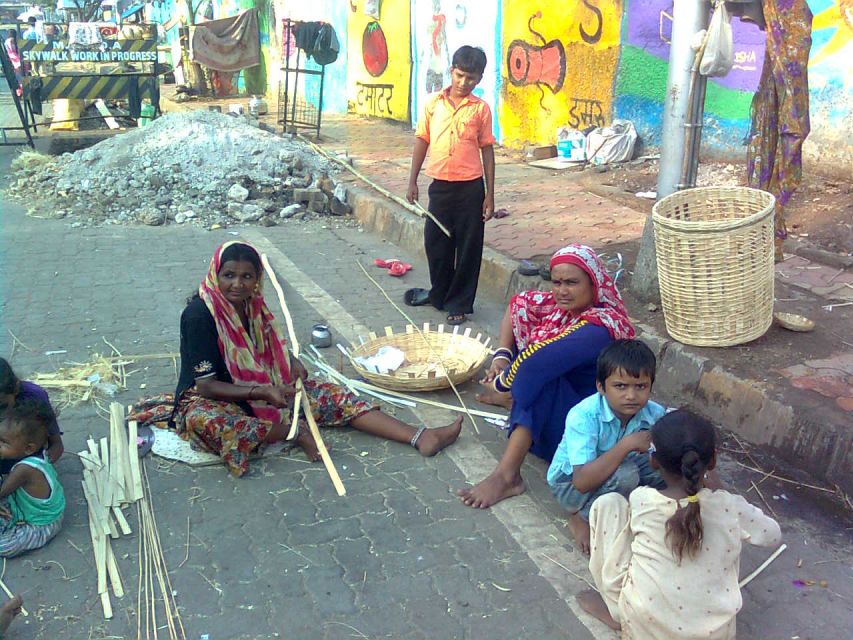
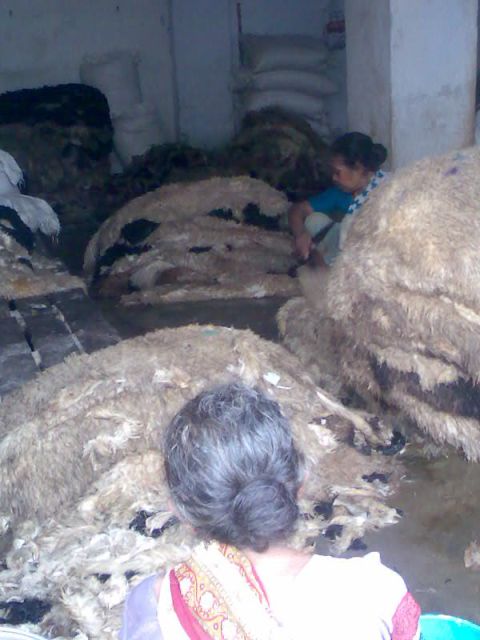
Your route moves through narrow alleys where you’ll see how many different small industries operate side by side. The description highlights activities such as recycling, pottery-making, embroidery, soap-making, and leather tanning. What hits you fast is how much production can happen in very confined spaces. It’s practical work, done with speed, skill, and constant problem-solving—no big factories, just people making a living with the tools they have.
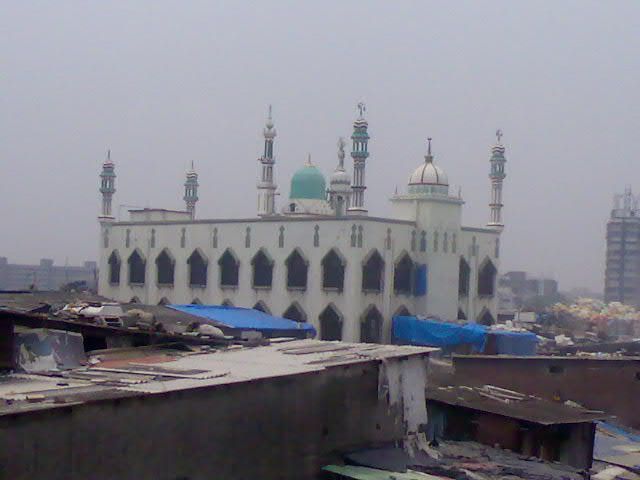
You’ll also notice the area’s religious mix. There are temples, mosques, and churches close together, and that mix isn’t presented like a cultural exhibit. It’s just part of daily rhythm—where people pray, meet, work, and carry on with life next to one another.
The tour’s tone is meant to be respectful and grounded. You’re not supposed to treat the visit like pity tourism. Instead, you’re invited to see purpose and determination at work, and to understand why the community spirit matters when conditions are tough.
You can also read our reviews of more tours and experiences in Mumbai
From alleys to glamour: the Bollywood drive-by moments
After the walking portion, the day changes pace. You’ll drive past the homes of famous Bollywood stars—a reminder that Mumbai can hold extreme contrasts in the same city block-to-block way.
This part is brief, but it can be surprisingly useful. It gives you a reference point for what Bollywood represents for many visitors: glamour, fame, and big-screen fantasy. Then you connect that to what you just saw in Dharavi—real work, real family life, and jobs that never make it into movies.
Think of it as a contrast photo without the camera. You’re training your eyes: first for the systems that keep everyday life running, then for the bubble that film makes.
Inside the studio: sets, filming, and what behind the scenes really means
Next comes the studio portion: a tour of shooting sets inside the studio and a behind-the-scenes look at how filming works. The format is designed to show the mechanics of filmmaking and how productions come to life.
In practical terms, here’s what you should look for:
- Set layout and staging: where people stand, how space is controlled, and how scenes are built to look right on camera
- Production flow: what happens before action, during filming, and in between takes
- The scale of coordination: even if you’re not seeing every department, you can usually sense how much timing and planning matters
Because this is a studio stop, you may find the experience is more controlled than the Dharavi walk. That’s normal. It’s also where expectations can drift. Some people hope for a deep, hands-on view of the production process. What you get is still valuable—just treat it as a curated introduction, not a full production walkthrough.
One extra reality check: taking photos is not allowed unless permission is given. The rules are strict, so plan on using attention instead of documentation here.
Live Bollywood dance shows: what 3–4 performances add to the day
The tour ends with the most joyful, high-energy element: a Bollywood dance presentation with 3–4 live performances by professional dancers.
This isn’t just entertainment tacked on at the end. It’s a bridge between what you’ve seen and what Bollywood does best. You’ve watched how industries function in Dharavi; now you see a different kind of craft—movement, rhythm, storytelling through dance, and performance discipline.
What I like about this structure is pacing:
- Dharavi makes you slow down and observe.
- The studio stop gives you a production framework.
- The dance shows let you feel the emotional payoff of all that film-making effort.
If you’re into dance, costumes, or choreography, this portion can easily become the highlight. Even if dance isn’t your main interest, it helps you leave with something that feels complete—not just a visit to two different places.
Logistics and value for an 8-hour day with pickup included
At $140 per person for an 8-hour experience in Mumbai, you’re paying for more than a sightseeing walk. The tour includes pickup and drop-off, transportation, entrance fees, a guide, and the Bollywood dance presentation. That matters because Mumbai travel time is real, and studio access isn’t free.
What’s not included: food and drink. So budget for a meal outside the tour, even if you don’t eat until later in the day. This is one of the easiest ways to keep the day comfortable.
Also, the tour skips the ticket line, which can help when schedules get tight. Combined with pickup, that reduces stress—important for a day that mixes walking and a controlled studio environment.
One value note based on guest feedback patterns: the Dharavi and dance parts tend to land well. The studio segment is the part where you should calibrate expectations. If your main goal is a long, detailed production experience, you might want to compare options. If your goal is a meaningful contrast day—community life plus film culture—this tour can make a lot of sense.





What to wear and the rules that keep the visit respectful
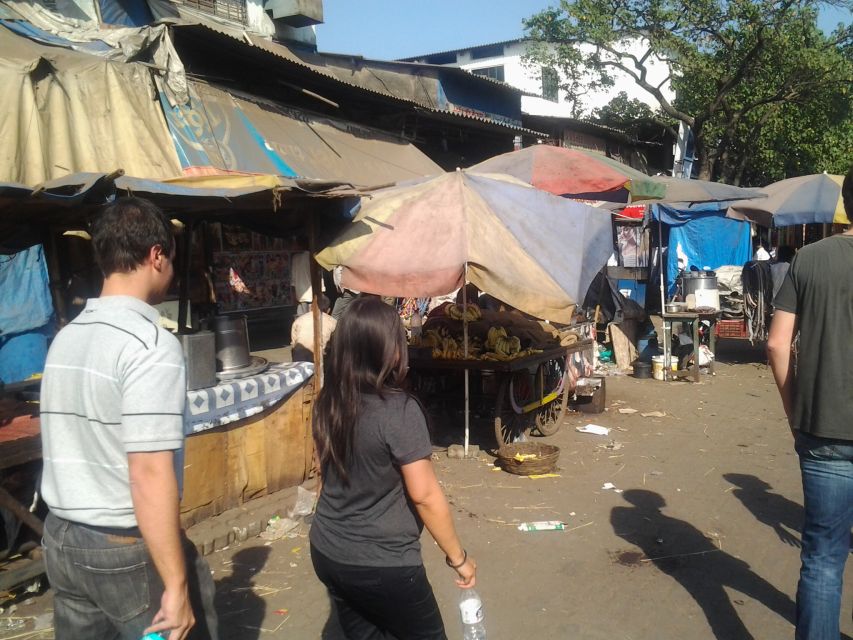
This is a tour where how you show up matters.
Bring:
- Comfortable shoes (you’ll be walking through narrow areas)
- A sun hat (Mumbai sun can be relentless, even on days that feel mild)
Dress modestly, especially for women. Short skirts are not allowed. The goal is respectful visibility and comfort, not fashion.
Cameras are not allowed. Photos are strictly not allowed unless permission is given. That’s a big deal on this kind of tour. You’ll want to travel with the mindset that your phone will stay off unless a guide explicitly says otherwise.
Guide matters: DIVA, Rahul, and Mayur as the difference-makers
In a tour that mixes serious social context with entertainment, the guide can make or break the tone.
Several guides stand out in the feedback you can use as a clue for what to expect. One guide named Ms DIVA impressed with a warm, family-like approach and a clear, respectful way of explaining what you’re seeing. Another guide, Rahul, is praised for being knowledgeable on both Bollywood and Dharavi life, plus for staying professional and punctual.
There’s also a helpful lesson from one mixed experience: when the guide leads confidently, the day feels more satisfying. In one case, the studio part underperformed with one guide, but an English-speaking guide named Mayur in the afternoon created a better experience—polite, helpful, and responsive to requests.
So if you’re booking, don’t just think language. Think communication style: someone who can connect the dots between Dharavi’s work life and Bollywood’s show business world is what you’re really buying.
Who should book this Dharavi and Bollywood combo?
This tour fits best if you want:
- A full-day contrast between everyday industry and Mumbai’s film culture
- A Dharavi visit that focuses on how people live and work, not on sensationalism
- A lively ending with live dance performances
- A guided day with transportation, since getting between these parts smoothly on your own can be tricky
It may be less ideal if:
- You mainly want a deep, technical studio production experience
- You rely on photography as a must-do goal (camera rules are strict)
- You dislike guided groups that move on a set schedule for an entire day
Should you book this tour?
If you want a Mumbai day that doesn’t stay in one lane, I think this is a smart pick. The strongest part is how the Dharavi walk frames daily work—recycling, pottery, embroidery, soap-making, leather tanning—and the sense of community that shows through the close-quarters reality. Then the Bollywood dance shows help you end with real entertainment instead of an empty feeling of just having been driven around.
Just go in with one clear expectation: the studio stop is a variable, and it may not match the most ambitious visions people have of film sets. If you’re okay with that and you value the overall contrast day, this tour is worth considering.
FAQ
Is the tour 8 hours long?
Yes. The experience runs for 8 hours, with availability depending on the starting time.
What’s included in the price?
The tour includes pickup and drop-off, transportation, entrance fees, the Bollywood dance presentation, and guide fees.
Are meals provided?
No. Food and drink are not included, so you’ll need to plan for that separately.
Can I bring a camera and take photos?
Cameras are not allowed, and taking photos is strictly not allowed unless permission is given.
What language options do the guides offer?
Guides are available in Spanish, French, German, Italian, Russian, Punjabi, English, and Hindi.
Can I cancel and get a refund?
Yes. Free cancellation is available up to 24 hours in advance for a full refund.