REVIEW · MUMBAI
Dharavi Slum Walking Tour: Daily Life in Asia’s Largest Slum
Book on Viator →Operated by Colors Experiences · Bookable on Viator
Dharavi changes how you see Mumbai. A guided walk here is interesting because you’re not just looking at buildings—you’re walking through work and everyday life, with your guide explaining the industries, the challenges, and the pride people feel in their homes. You’ll get key stops like Kumbharwada and Dhobi Ghat, plus time in the narrow lanes where daily routines actually happen, and the experience is led by local guide Sufiyan, who speaks clear Hindi and English.
I especially like the way this tour is built for real questions, not a one-way lecture. With a maximum group size of 15, you can ask about recycling, leatherwork, pottery, food production, and textiles without feeling rushed, and the walk stays calm and orderly thanks to how Sufiyan guides the group. One possible drawback: it’s a neighborhood walk, so you’ll want moderate fitness and good shoes for uneven, crowded paths.
In This Review
- Key things worth knowing before you go
- Why a Dharavi walk matters more than the photos
- Starting at Third Wave Coffee: getting oriented fast
- Industrial Dharavi: recycling, leatherwork, pottery, textiles, and food
- Residential lanes: what “daily life” looks like on the ground
- Kumbharwada potters’ colony: craft you can see with your own eyes
- Dhobi Ghat: seeing a working part of Mumbai
- The guide experience: Sufiyan’s local English and respectful pacing
- Price and time: why $5.59 can still be a good deal
- What to wear, bring, and plan for in Mumbai’s tight spaces
- Who will love this walk most (and who might not)
- Booking tips and expectations that help your day go smoothly
- Should you book Dharavi Walking Tour: Daily Life in Asia’s Largest Slum?
- FAQ
- How long is the Dharavi walking tour?
- How much does the tour cost?
- Where do I meet the guide?
- Where does the tour end?
- What are the main stops during the walk?
- Are there limits on group size?
- What language does the guide speak?
- Is the tour ticket mobile?
- Is it physically demanding?
- What happens if the weather is bad or I need to cancel?
Key things worth knowing before you go
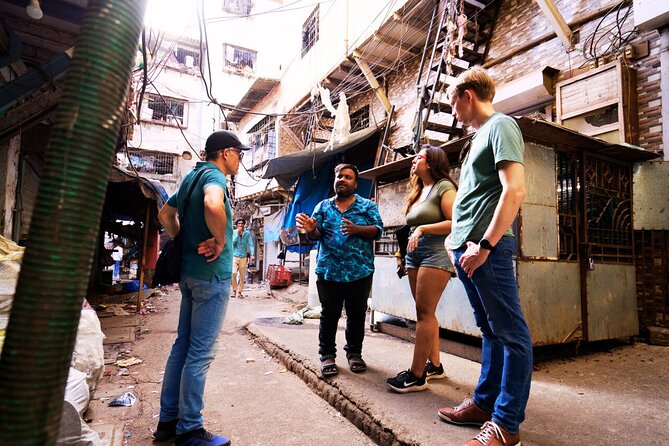
- Local guide Sufiyan (Hindi and English) helps you connect stories to what you’re seeing.
- Kumbharwada potters’ colony shows how claywork and craft skills get passed down through generations.
- Dhobi Ghat stop helps you understand a working part of Mumbai, not just a photo spot.
- Small group size (up to 15) keeps the pace respectful and question-friendly.
- Industrial + residential areas in one route gives you balance: work life and home life, side by side.
- Good weather matters since the tour is outdoors and depends on walking.
Why a Dharavi walk matters more than the photos
Dharavi has a reputation that’s often built from distance. On this type of guided walk, you get the opposite of distance: you move slowly enough to notice small details, and you hear how people describe their own lives. That shift is the point.
What I like most is the tour’s structure. It connects craft and industry—things like pottery, recycling, leatherwork, baking/food production, and textiles—with the ordinary pace of family life in the residential lanes. You don’t have to “figure it out” on your own. Your guide frames it in a way that helps you see the logic of the place.
There’s also an important balance: the tour doesn’t only focus on hardship. It talks about the challenges people face and the pride they take in their homes. That’s a more honest view than a one-note story.
Finally, this isn’t a huge “mash everyone together” experience. With a max of 15 people, you’re more likely to leave with real understanding rather than just a flood of impressions.
You can also read our reviews of more walking tours in Mumbai



Starting at Third Wave Coffee: getting oriented fast

The meeting point is Third Wave Coffee on Tip Road (Unit no. 58, Ground, Ram Mahal, Senapati Bapat Marg, Marinagar Colony, Station, Mahim, Mumbai, Maharashtra 400016). Starting at a known public place helps because it cuts stress. You’re not hunting for a hidden gate.
From there, the experience follows a simple rhythm: walk, pause, learn, move again. Since it runs about 2 to 2.5 hours, you’ll likely cover a mix of narrower residential lanes and more working areas without the route feeling endless.
The tour is also described as being near public transportation, which matters in Mumbai. You can plan to arrive without turning your day into a logistics puzzle. And since it uses a mobile ticket, you’re not wrestling with printed paperwork.
Industrial Dharavi: recycling, leatherwork, pottery, textiles, and food
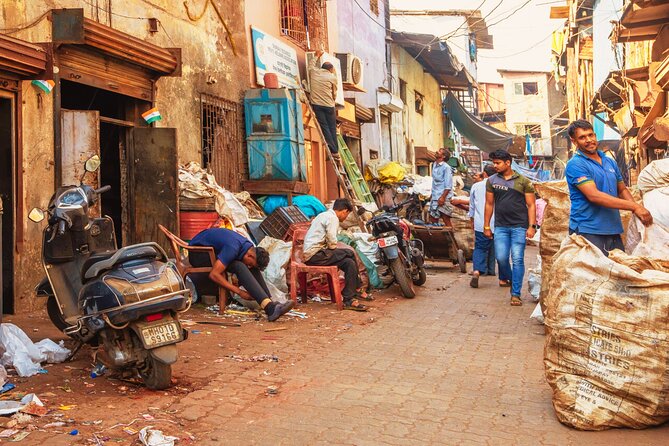
The first part of the tour focuses on the working side of Dharavi. The idea isn’t to list industries like a school poster. It’s to show how many different kinds of work sit close together—and how that work supports daily life.
You’ll see an industrial mix that includes recycling, leatherwork, pottery, food production (including baking), and textiles. The practical value for you is that this gives context for why Dharavi is more than one thing. When you understand the range of trades, you stop thinking in stereotypes.
There’s usually a strong “contrast moment” here. You’ll move from busy work spaces into narrow lanes where children play, families cook, and neighbors chat across doorsteps. That shift matters. It keeps the tour from becoming only about production or only about poverty. It becomes about human scale: work rhythms and home rhythms, both happening at once.
A note on the tone: your guide is fluent in Hindi and English, and the goal is respectful explanation. Since the guide is local—Sufiyan was born and raised in the area—you’re getting interpretation from someone who knows the place from inside life, not from secondhand reports.
Residential lanes: what “daily life” looks like on the ground
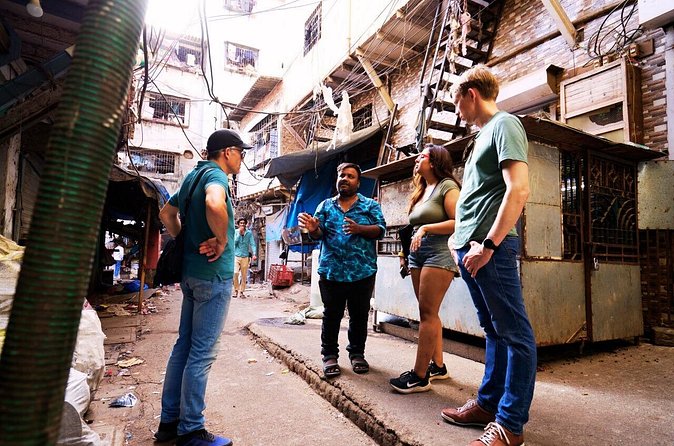
After the industrial area, the walk turns more residential. This is where the tour starts to feel personal in a good way. You’re not doing a sightseeing crawl; you’re watching ordinary routines play out along tight lanes.
From the way the tour is described, you can expect scenes like children playing and families cooking, plus neighbors chatting across doorsteps. That isn’t just scenery. It’s the reality behind what you usually hear only in broad headlines.
For you, the benefit is clarity. Once you’ve seen everyday life at ground level, it becomes easier to understand the meaning of the challenges and the pride that the guide will talk about. People aren’t living in a vacuum. They have jobs, neighbors, responsibilities, and plans for the future—just like you do at home.
For some visitors, this part can feel emotionally intense because it’s close-up. The upside is that it also feels grounded. You’re not looking at an idea; you’re looking at people in their actual neighborhood.
Kumbharwada potters’ colony: craft you can see with your own eyes

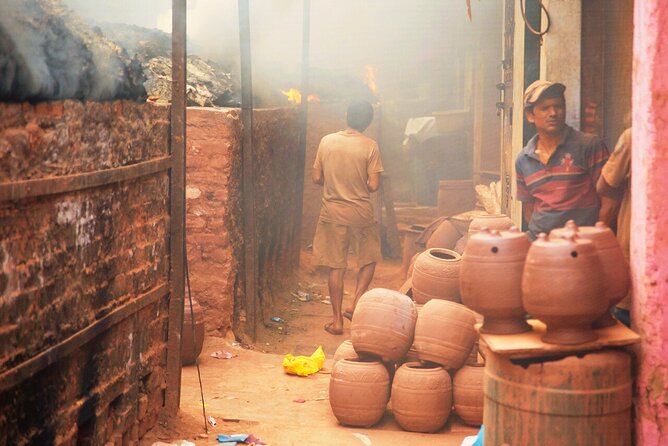
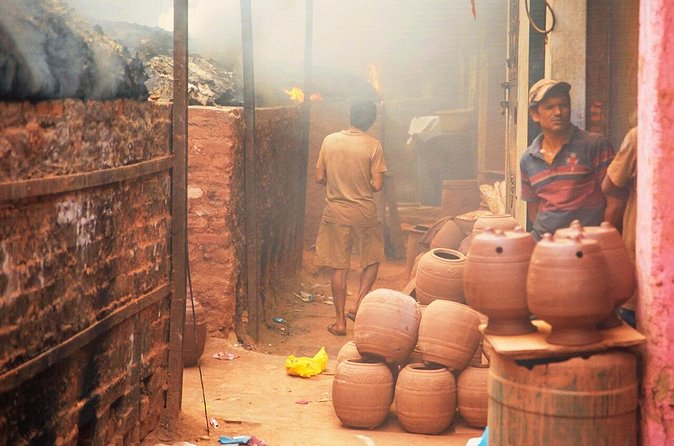
One of the strongest stops is Kumbharwada, the historic potters’ colony. This is where the tour leans into something you can directly observe: hands on work with clay and the long tradition behind it.
What makes this section special is the way it connects process to pride. You’re not only seeing finished pots. You’re getting a sense of how artisans shape clay using traditions passed down over generations. That’s craft knowledge you can almost feel, because it’s tied to repeated practice.
For value, this is also a smart contrast point. After seeing recycling and other trades in the industrial areas, pottery gives you a different kind of work—one that’s shaped by patience, technique, and time. It helps you see how skill becomes identity.
Drawback to consider: if you’re expecting a quick photo stop, you might feel impatient here. The point is understanding the craft. So bring your attention and expect to slow down.




Dhobi Ghat: seeing a working part of Mumbai
Dhobi Ghat is included as a key stop, which is a big reason this tour feels more real than a typical “walk and take pictures” outing. Dhobi Ghat isn’t presented as a museum exhibit. It’s treated as a working area, tied to everyday needs and labor.
Even if you don’t know the background, your guide can help you connect what you’re seeing to the bigger picture of how Mumbai runs. For you, this matters because a working stop makes the story concrete. It also reinforces the tour’s overall theme: Dharavi is not only a residential space. It’s connected to broader systems of work across the city.
Because the tour’s route includes both industrial and residential areas, Dhobi Ghat helps balance the story again. You’re seeing labor in different forms, not only one industry.
The guide experience: Sufiyan’s local English and respectful pacing

In a tour like this, the guide is everything. The standout detail here is that the guide is fluent in both Hindi and English. That means you can ask questions and actually get clear answers, rather than relying on guesswork or translation apps.
Sufiyan stands out in particular because of the local perspective. He’s described as being born and raised in the slum, which changes the flavor of the explanation. Instead of sounding like someone reading a prepared script, the talk tends to connect what you see to what it feels like day to day.
Another praised element is that the tour feels safe and comfortable. That doesn’t mean “risk-free” in the real-world sense—this is still a walking experience in a dense area. It means your guide manages the pace and keeps the group moving in a way that reduces confusion. You’re likely to feel more settled because you’re not wandering.
So if you’re the type who likes to understand what you’re looking at, this guide-led format is a big plus.
Price and time: why $5.59 can still be a good deal
At $5.59 per person for about 2 hours, the pricing is unusually low for a guided, local-led walk in a major city. That price only works as a good value if the experience delivers more than “a quick walk.”
Here, it does. You’re paying for:
- A guided route that covers both industry and residential life
- Stops at Kumbharwada and Dhobi Ghat
- A local guide fluent in Hindi and English
- A group size that stays under 15
The practical takeaway for you is simple: you’re not paying for a luxury package. You’re paying for local access and explanation. If your goal is understanding, not comfort amenities, this can feel like a smart deal.
One consideration: because the cost is low, don’t treat it like a private custom tour. The structure is still a guided group walk with set stops and a set duration. Plan to get value from questions and observation, not from flexibility.
What to wear, bring, and plan for in Mumbai’s tight spaces
This tour is rated for moderate physical fitness. That usually translates to: expect walking, expect crowds or narrow passages, and expect you’ll want stable footing.
Here’s what I’d plan for:
- Comfortable closed-toe shoes you can walk in for a couple hours
- A light layer, because Mumbai weather can shift
- Water and a snack if you think you’ll need it (the data doesn’t mention refreshments)
Also, the experience needs good weather. If conditions are poor, it can be rescheduled or refunded. So watch the forecast the day before and don’t book this as your only outdoor plan.
Who will love this walk most (and who might not)
This tour is a strong fit if you want:
- A guided view of Dharavi’s working industries and day-to-day life
- A small-group pace where questions are welcome
- A knowledgeable local guide experience in Hindi and English
- Key stops like Kumbharwada and Dhobi Ghat, rather than random streets
It might be less of a fit if you:
- Prefer polished, low-walking sightseeing
- Get overwhelmed by crowded, close-up neighborhood environments
- Don’t do well with outdoor walking in changeable weather
The best mindset is respectful curiosity. Go in ready to listen and to observe without judging from afar.
Booking tips and expectations that help your day go smoothly
This experience uses a mobile ticket, and confirmation happens at the time of booking. It also has free cancellation up to 24 hours before start time for a full refund, plus a weather safeguard if it’s canceled due to poor conditions.
What I’d do to get the most out of it:
- Arrive a few minutes early so you can start without stress
- Wear shoes you trust
- Bring questions. Even simple ones like how certain trades connect to daily life can lead to great answers when your guide is fluent.
Should you book Dharavi Walking Tour: Daily Life in Asia’s Largest Slum?
I think this is worth booking if your goal is to understand Dharavi as a living community with work, craft, and routines—not just a headline. The combination of small group size, local guide Sufiyan, clear language (Hindi and English), and specific stops like Kumbharwada and Dhobi Ghat makes it one of the more focused options.
If you’re sensitive to emotional intensity, you might find parts of the residential and work-life contrast challenging. But the tour’s balance—showing challenges and pride—helps keep it human and grounded rather than sensational.
My quick rule: if you want context and conversation, book it. If you want a low-effort, polished sightseeing day, choose something else.
FAQ
How long is the Dharavi walking tour?
It runs about 2 hours (approximately 2 to 2.5 hours).
How much does the tour cost?
The price is listed as $5.59 per person.
Where do I meet the guide?
You meet at Third Wave Coffee on Tip Road, Unit no. 58, Ground, Ram Mahal, Senapati Bapat Marg, Marinagar Colony, Station, Mahim, Mumbai, Maharashtra 400016.
Where does the tour end?
The tour ends at Sunder Vilas, 90 Feet Rd, Muslim Nagar, RP Nagar, Dharavi, Mumbai, Maharashtra 400017.
What are the main stops during the walk?
Key stops include Kumbharwada and Dhobi Ghat, along with time exploring Dharavi’s industrial and residential areas.
Are there limits on group size?
Yes. The maximum group size is 15 travelers.
What language does the guide speak?
The guide is fluent in Hindi and English.
Is the tour ticket mobile?
Yes, it includes a mobile ticket.
Is it physically demanding?
It calls for moderate physical fitness, since it involves walking.
What happens if the weather is bad or I need to cancel?
The tour requires good weather. If it’s canceled due to poor weather, you’ll be offered another date or a full refund. You can cancel for a full refund up to 24 hours before the experience starts; cancellations within 24 hours aren’t refunded.