REVIEW · MUMBAI
Explore Complete Mumbai City in 3 Days by Private Vehicle
Book on Viator →Operated by Shreeji Tours n Travels · Bookable on Viator
Mumbai in three days? Yes, and it works. This private route strings together the city’s most memorable landmarks—then adds real daily life stops and even Bollywood production time—so you get a fast, focused sense of Mumbai’s variety. You’ll start at 9:00 am and spend three days moving neighborhood to neighborhood in an air-conditioned vehicle.
I like two things a lot here. First, the mix is unusually well balanced: UNESCO-level architecture and major monuments (like Chhatrapati Shivaji Maharaj Terminus) sit next to Gandhi history (Mani Bhavan) and working-city scenes (Dhobi Ghat and Dharavi). Second, the private transport setup does the heavy lifting—pickup and drop, bottled water, and English-speaking guidance included—so you’re not spending your vacation figuring out logistics.
One consideration: the schedule packs many stops into short site windows on Day 1, so you’ll want comfortable shoes and a flexible mindset. Also, the tour notes it needs good weather, so plan for an alternate date if conditions are poor.
In This Review
- Key highlights to know before you go
- How this 3-day Mumbai plan stays efficient without feeling random
- Day 1 in South Mumbai: Gateway of India, CSMT, and the sea-view religious stops
- Gateway of India and Chhatrapati Shivaji Maharaj Terminus (CSMT)
- Marine Drive and Girgaum Chowpatty
- Hanging Gardens and ISKCON Chowpatty
- Mani Bhavan Gandhi Museum and Dhobi Ghat
- Antilia and the South Mumbai power line
- Haji Ali Dargah, Jain Temple, Banganga, and Babulnath Temple
- Day 2: Dharavi for daily-life context and SJ Studio for Bollywood production reality
- Dharavi: entrepreneurship and small-scale industry life
- SJ Studio and Entertainment Ltd: how Bollywood production works
- Bandstand Promenade: an easy, scenic finish
- Day 3: Kanheri Caves in the national park and the Global Vipassana Pagoda
- Kanheri Caves: rock-cut monuments in Sanjay Gandhi National Park
- Global Vipassana Pagoda: meditation hall near Gorai
- What guide and driver quality changes in a city this big
- Price and value: what $235 per person is really buying
- Timing reality: short sight windows and how to make them feel good
- Should you book this Mumbai private 3-day tour?
- FAQ
- What’s the duration of the Mumbai private city tour?
- What does the tour price include?
- Are meals included during the tour?
- Is this tour private or shared?
- What time does the tour start?
- Is the tour dependent on weather?
Key highlights to know before you go
- Private vehicle with pickup and drop means less time hunting taxis and more time seeing Mumbai
- South Mumbai + outskirt nature gives you both city icons and Kanheri Caves in one loop
- Real-life stops like Dhobi Ghat and Dharavi add context beyond photos
- Bollywood studio time at SJ Studio and Entertainment is included for film fans
- Longer stays on Day 2 and Day 3 balance the faster photo stops on Day 1
- Guides and drivers get credit in past feedback, including named guide Sameer and driver Nitin, plus guide Vikrant
How this 3-day Mumbai plan stays efficient without feeling random
This is a classic “see the essentials, plus the meaningful stuff” itinerary. You’re not bouncing between locations just to check boxes. The route is built so the first day focuses on South Mumbai landmarks, the second day shifts into daily life and film production, and the third day moves toward nature and meditation spaces.
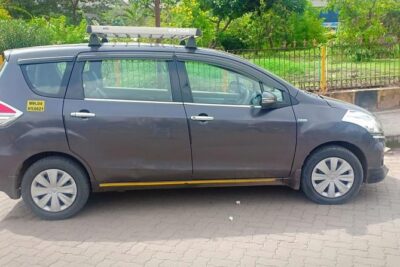
What makes it practical for you is that the tour includes the stuff that usually eats a day: an air-conditioned vehicle, tolls/parking, pickup and drop, bottled water, and a local English-speaking guide. In a city like Mumbai—where travel time can surprise you—this is the difference between a smooth day and a frustrating one.
It also helps that many stops have free admissions, which keeps more of your money in the experience itself (time, guidance, and transport) rather than ticket costs everywhere you go.
You can also read our reviews of more city tours in Mumbai



Day 1 in South Mumbai: Gateway of India, CSMT, and the sea-view religious stops
Day 1 is your “big wow” day. You’ll see Mumbai’s signature waterfront angles, major heritage sites, and a string of temples and memorial spaces—most with quick, focused time windows.
Gateway of India and Chhatrapati Shivaji Maharaj Terminus (CSMT)
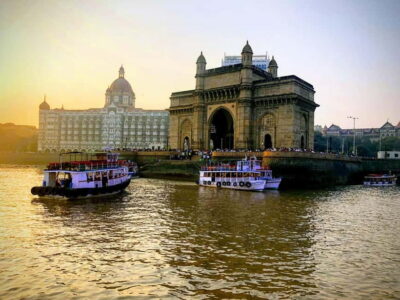
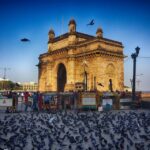
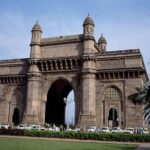
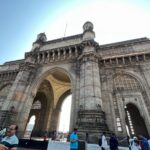
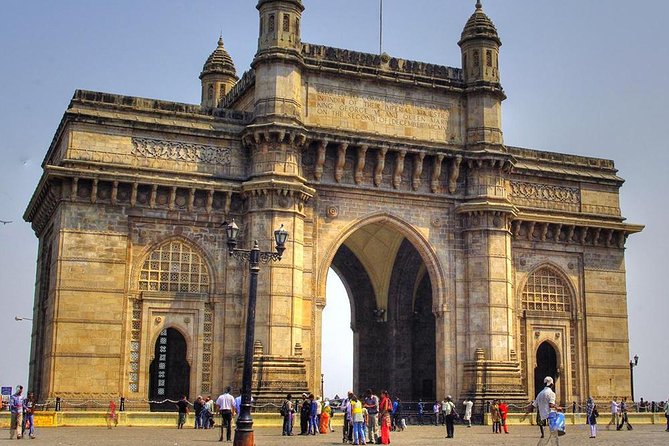
You begin at the Gateway of India, a 20th-century arch monument tied to the landing of King-Emperor George V and Queen-Empress Mary. Even if you’ve seen photos, it hits differently when you’re there: it’s a visual anchor for the whole city’s identity as a gateway to the world.
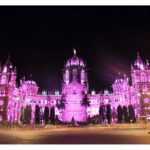
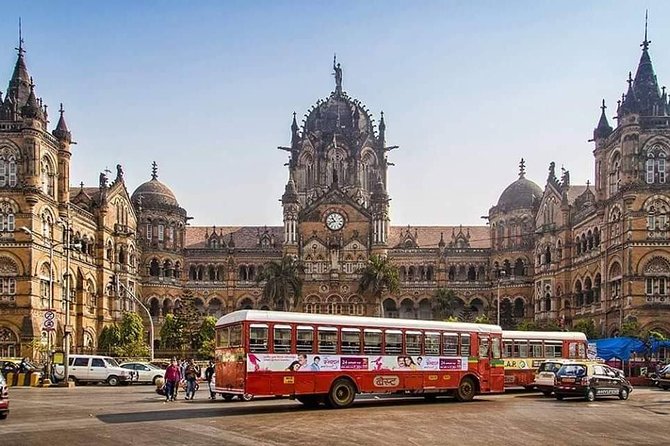
From there, you move to Chhatrapati Shivaji Maharaj Terminus (CSMT), the UNESCO-listed train station known as a former Victoria Terminus. This stop is worth your attention because it’s not just a building—it’s a living piece of Mumbai’s rhythm. If you like architecture, look closely at the design details before you rush off for the next stop.
Marine Drive and Girgaum Chowpatty
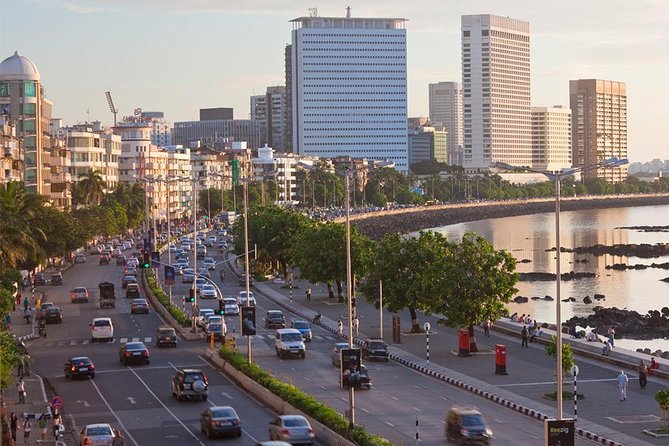
Then you get the classic Marine Drive stretch—3.6 km of boulevard along South Mumbai with its recognizable C-shape road layout. The tour keeps this as a short stop, but it’s one of those places where even 10 minutes is enough to clock the view and the atmosphere.
Right after, you’ll head to Girgaum Chowpatty (Chowpatty Beach), the public beach along Queen’s Necklace next to Marine Drive. This is an easy win if you want your Mumbai day to include sea air and a break from monuments.
Hanging Gardens and ISKCON Chowpatty
Next up: Hanging Gardens (Pherozeshah Mehta Gardens). From the hillside terrace position, you get a better sense of how the coastline and neighborhoods relate. It’s a good pause point before you move into more crowd-and-culture spaces.
Then you’ll visit ISKCON Chowpatty, a Hare Krishna temple and community/ashram space dedicated to bhakti-yoga. This is a meaningful contrast to the waterfront stops: you’re switching from skyline views to spiritual life in a public, everyday setting.
You can also read our reviews of more private tours in Mumbai



Mani Bhavan Gandhi Museum and Dhobi Ghat
After temple and gardens, you shift into a history-and-human-scene pairing.
Mani Bhavan is Gandhi’s home and museum-focused on his life, with rooms, photos, films, and displays. The listed time is about 30 minutes and includes admission here, so you can expect it to be more than a quick photo break.
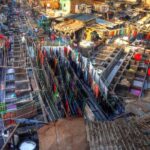
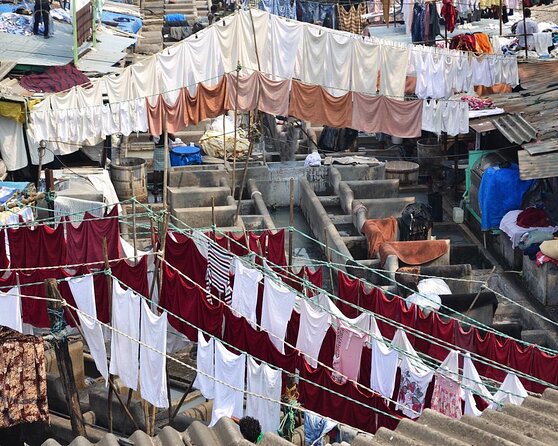
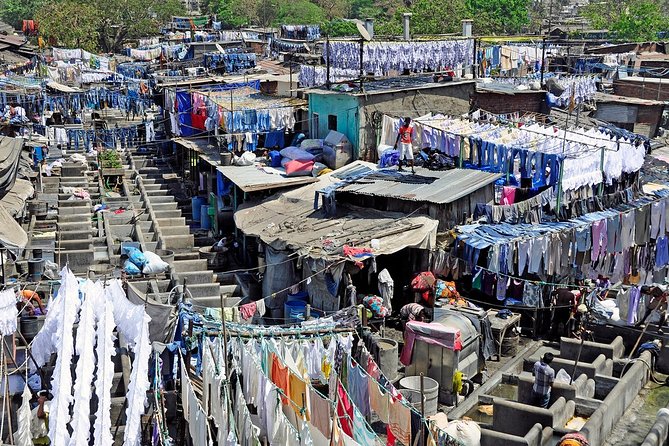
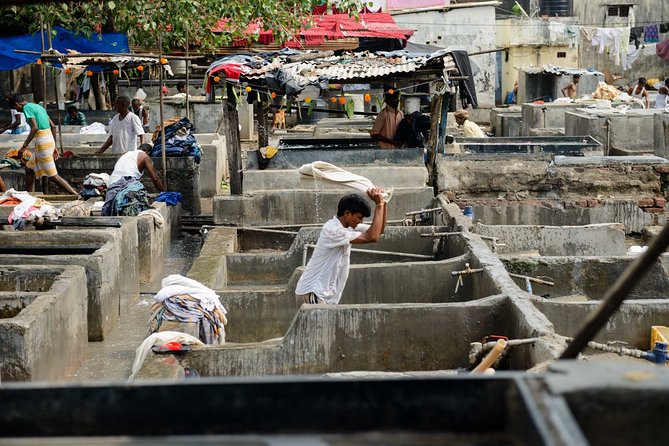
Then comes Dhobi Ghat, an open-air laundromat where dhobis wash linens and clothes for Mumbai’s hotels and hospitals. This is one of those stops that adds context fast. You see work that keeps the city running—no performance, just daily effort.
Antilia and the South Mumbai power line
Antilia is next, and it’s an odd, fascinating stop. It’s a private home in South Mumbai listed as valued around $2 billion (as of November 2014), described as the world’s second most valuable residential property after Buckingham Palace. You’re not going inside, but it’s a sharp reminder of how extreme wealth and everyday life can sit side by side in the same city.
Haji Ali Dargah, Jain Temple, Banganga, and Babulnath Temple
Later, you’ll visit Haji Ali Dargah, a mosque and dargah located on an islet off the coast of Worli. From here, Mumbai feels even more layered: sea, faith, and a landmark that pulls people from different directions.
After that you’ll have a mini religious-culture loop:
- A Jain Temple with intricate stone carvings and a painted zodiac dome
- Banganga Tank, part of the Hindu Walkeshwar Temple complex near Malabar Hill
- Babulnath Temple, an ancient Shiva mandir near Girgaum Chowpatty
This section can feel like “too many temples,” but that’s actually the point. Mumbai’s religious calendar and architecture don’t act like separate attractions—they’re part of the city’s geography. If you can slow down for a few minutes at each, Day 1 becomes more than a list of stops.
Day 2: Dharavi for daily-life context and SJ Studio for Bollywood production reality
Day 2 is longer and more focused, with two major included experiences and a sea-front walk at the end.
Dharavi: entrepreneurship and small-scale industry life
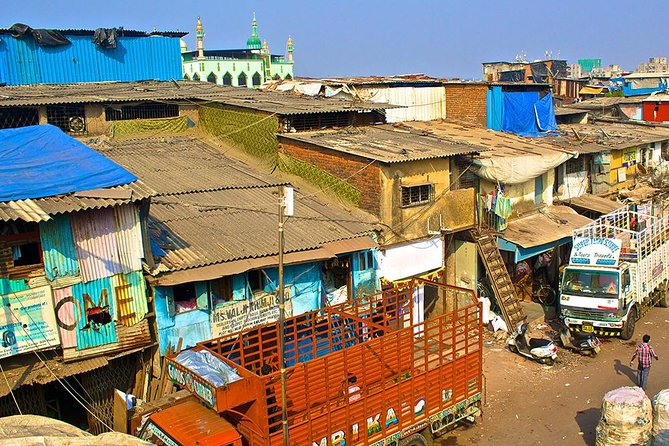
You start with Dharavi, where the tour frames the area as a center for extreme entrepreneurship and small-scale industries. The description points to plastic recycling and exports among the trades you may see.
The time allotted is about 2 hours with admission included. That’s enough to get a grounded understanding of how the area functions day to day, without turning it into a rushed checklist stop.
Practical note for you: this is the kind of visit where your attitude matters. Go with respectful curiosity, wear shoes you can walk in comfortably, and keep your expectations realistic. You’re there to understand local work and community life, not to “collect” street photos.
SJ Studio and Entertainment Ltd: how Bollywood production works
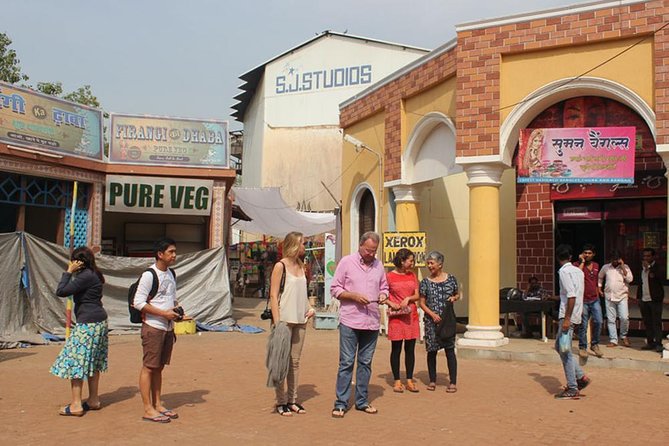
Next comes SJ Studio and Entertainment Ltd, listed as an important hub for film and TV production in Bollywood. The scheduled time is around 3 hours with admission included.
If you’re a film fan, this stop gives you something that pure landmark tours often miss: the behind-the-camera side of Mumbai. Even if you’re not a hardcore Bollywood watcher, studios help you connect the city’s global image to real production workflows.
A useful detail from past experience: this tour can be adjusted based on what you want to prioritize. One published account specifically mentions customizing away from the Bollywood studio component when that wasn’t the goal, then shifting the time toward other interests. So if your ideal version of Mumbai is more history or more street life (and less studio), ask early.
Bandstand Promenade: an easy, scenic finish
Day 2 ends with Bandstand Promenade (Bandra Bandstand), a 1.2 km walkway along the sea on Mumbai’s west coast. This is a calmer capstone after a day of intense observation. It’s also a great time to reset your brain and re-energize for the last day’s nature stops.
Day 3: Kanheri Caves in the national park and the Global Vipassana Pagoda
Day 3 shifts gears—less “city core,” more quiet scale and outdoor space.
Kanheri Caves: rock-cut monuments in Sanjay Gandhi National Park
You’ll spend about 4 hours at Kanheri Caves, rock-cut monuments carved into a basalt outcrop inside the forests of Sanjay Gandhi National Park near the western outskirts. Admission is included here.
This is the day for people who like when Mumbai slows down. The caves add a long-time view of the region, and the park setting gives you a break from traffic and crowds. It’s a smart balance to the earlier days.
Global Vipassana Pagoda: meditation hall near Gorai
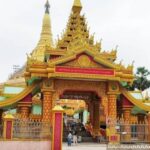
Then you head to Global Vipassana Pagoda, a meditation hall near Gorai (north-west of Mumbai). The tour description notes it was inaugurated on 8 February 2009 by Pratibha Patil, then President of India.
The allotted time is about 3 hours with admission included. If you’ve been absorbing temples and heritage all week, this stop offers a different kind of focus—quiet, structured, and reflective.
What guide and driver quality changes in a city this big
Mumbai rewards preparation, and this tour is built around that idea. The guide isn’t just announcing stops; the experience is that you have someone helping you make sense of what you’re seeing and keeping the day running smoothly.
In the strongest feedback tied to this tour, Sameer is mentioned as a guide, with Nitin as the driver. Another account points to Vikrant as a guide who could personalize the plan. The common thread: the best versions of this tour don’t just follow a script—they adjust to what you care about.
For you, that means:
- If you care more about culture than film, say so early
- If you prefer slightly more time at fewer places, ask
- If you need clearer transitions between neighborhoods, lean on your guide
Because it’s a private tour (only your group participates), the pacing is something you should feel comfortable discussing.
Price and value: what $235 per person is really buying
At $235 per person for approximately 3 days, you’re paying for the overall package value: air-conditioned private transport, pickup/drop, bottled water, an English-speaking local guide, and tolls/parking.
That matters because many of the stops listed have free admission tickets, which reduces the “pay again” effect. Admission is included for a few key experiences—Mani Bhavan, Dharavi, SJ Studio, Kanheri Caves, and the Vipassana Pagoda—so some of your money is going toward places that likely require separate entry fees.
What’s not included is also clear: meals and accommodation are on you. So I’d treat this as a full-activities transport-and-guidance plan. Plan your hotel near where you’re staying so pickup and drop are easy. Budget for lunch or snacks on the days you’re away from your base.
As for weather: the experience notes it requires good weather. That’s relevant because outdoor walking is part of the itinerary, especially around beaches, sea-front promenades, and the park/cave area. If weather turns, you may be offered a different date or a refund—so build in some flexibility.
Timing reality: short sight windows and how to make them feel good
On Day 1, several stops are timed around 10–30 minutes: Marine Drive, Chowpatty Beach, Hanging Gardens, ISKCON Chowpatty, Dhobi Ghat, and others. That doesn’t mean they’re meaningless. It means you’ll want to use the time efficiently: arrive with a quick plan for what you want to look at, not just where you’re going next.
On Days 2 and 3, the schedule slows down with longer blocks—Dharavi (about 2 hours), SJ Studio (about 3 hours), Kanheri Caves (about 4 hours), and Global Vipassana Pagoda (about 3 hours). This is where the day can feel more like an experience and less like a sprint.
For your comfort, pack for Mumbai weather shifts and long walking stretches:
- Comfortable shoes (especially for outdoor sites and caves)
- Light layers (you’ll be moving in and out of different conditions)
- Water and a small snack plan, since meals aren’t included
Should you book this Mumbai private 3-day tour?
Book it if you want a strong “best of Mumbai” foundation without getting stuck in transport chaos. The value is in the pairing: major icons like Gateway of India and CSMT, meaningful context stops like Gandhi history and Dhobi Ghat, plus Day 2 and Day 3 experiences that broaden the story beyond the city center. If you like variety and you enjoy learning from a guide, this format fits well.
Skip or customize with care if you hate fast stop-and-go schedules. Day 1 includes many short windows, so you’ll want to be okay with quick on-site time for a lot of highlights. And if you know you’re picky about Bollywood studio content, speak up early—past runs show the plan can be shaped around what you actually want to see.
If you’re aiming for one efficient private plan that covers icons, daily life, and outdoor spiritual/heritage spaces in just three days, this is a solid way to do it.
FAQ
What’s the duration of the Mumbai private city tour?
The tour is scheduled for 3 days (approx.), with a start time of 9:00 am.
What does the tour price include?
The package includes an air-conditioned vehicle, private transportation, mineral bottled water, pickup & drop, a local English-speaking guide, and toll tax & parking fees.
Are meals included during the tour?
No. Meals and accommodation are not included.
Is this tour private or shared?
This is a private tour/activity. Only your group will participate.
What time does the tour start?
It starts at 9:00 am.
Is the tour dependent on weather?
Yes. The experience requires good weather, and if it’s canceled due to poor weather, you’ll be offered a different date or a full refund.