REVIEW · MUMBAI
Mumbai City Tour with Option to Add Elephanta Caves
Book on GetYourGuide →Operated by Indian Golden Triangle tours · Bookable on GetYourGuide
Mumbai clicks into focus with a good guide. This one-day guided city tour strings together famous landmarks like Gateway of India and Victoria Terminus (CST) while also showing lived-in Mumbai stops such as Dhobi Ghat, so the day feels more like understanding a place than collecting photos. The only real catch is that entrance fees and food aren’t included, so plan on paying extra once you’re in.
I also liked the private feel: hotel pickup and drop-off in south Mumbai, plus an air-conditioned vehicle so you spend less time figuring out transport. With guides like Zaheed (from my tour experience), the pacing stayed friendly and flexible, and the driver was genuinely helpful.
In This Review
- Key points I’d plan around
- How the one-day route works (and what you’ll actually get)
- Gateway of India through the Taj Mahal Palace hotel story
- Rajabai Clock Towers, Bombay High Court, and CST’s UNESCO impact
- A practical note at these stops
- Marine Drive, Chowpatty Beach, and the city’s mood shifts
- Mani Bhavan, Kamala Nehru Park, and playful viewpoint energy
- Hanging Gardens and Tower of Silence area: an unusual engineering + culture link
- Dhobi Ghat: open-air laundry that changes how you think about daily life
- Consideration (so you don’t get surprised)
- Elephanta Caves add-on: when to choose it and how it changes the day
- Price and value: what $90 really buys, and what’s extra
- Who this Mumbai tour fits best
- Should you book this Mumbai City Tour?
- FAQ
- What’s the duration of this Mumbai city tour?
- How much does the tour cost?
- Does the tour include hotel pickup and drop-off?
- What languages are available for the live guide?
- Are entrance fees included?
- Is there an option to add Elephanta Caves?
- What’s included for transport?
Key points I’d plan around
- British-era landmarks, explained in plain language so you can “read” the city as you go
- Dhobi Ghat and other everyday stops that ground all the big-ticket monuments
- Skip-the-ticket-line for included sites, which matters when schedules get tight
- Private-group comfort with air-conditioned car transfer from south Mumbai
- Elephanta Caves add-on by boat for a different side of Mumbai beyond downtown streets
How the one-day route works (and what you’ll actually get)
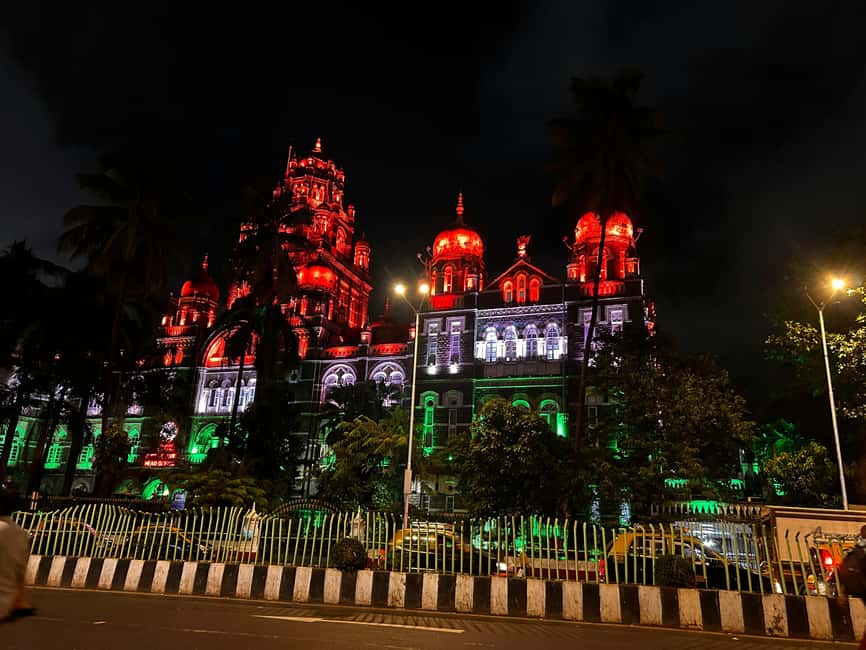
A day in Mumbai can feel like a lot—traffic, crowds, heat, and the temptation to sprint between sights. This tour is built to prevent that chaos by grouping the “why this matters” stops into a logical loop. You get an English-speaking guide who talks through what you’re looking at and why it’s connected to the city’s story.
Because the itinerary is packed with landmarks, you’ll want to keep your expectations realistic. This is not a slow museum crawl. It’s a guided orientation to Mumbai—big monuments, colonial architecture, and street-level life—done with enough structure that you come away with clear mental bookmarks.
The private-group format helps a lot. With a car transfer and hotel pickup/drop-off in south Mumbai, you don’t lose energy negotiating taxis or waiting around. You also get the comfort of staying with your guide instead of juggling directions yourself.
You can also read our reviews of more city tours in Mumbai



Gateway of India through the Taj Mahal Palace hotel story
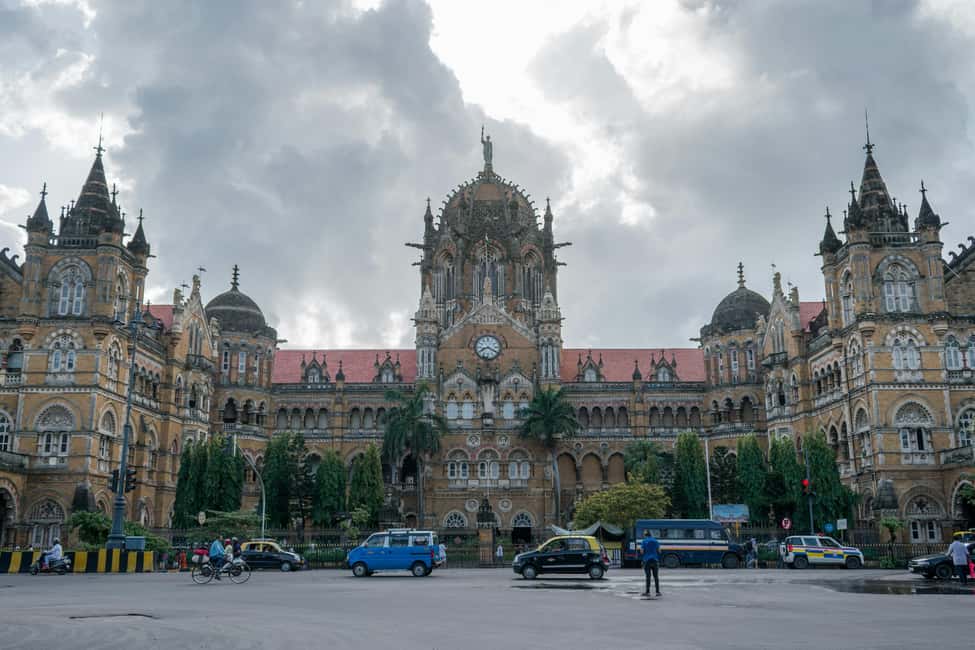
The day often starts in the zone that makes Mumbai feel instantly historical: the Gateway of India area. It’s famous for a reason, but what I like here is the context you’re given. The gateway was built to welcome King George V and Queen Mary into India. That one detail changes how you see it—you stop treating it like a postcard and start seeing it as a piece of political theater turned monument.
From there, the route brings you to the Taj Mahal Palace Hotel area. You’ll also hear a very specific anecdote: Watson’s Hotel ruins connect to the story of Tata being refused entry, and so he built the Taj Mahal Palace Hotel instead. Even if you don’t get the full backstory on every detail, you’ll walk away with the sense that Mumbai’s architecture is tied to decisions, status, and opportunity.
This is also a good time to do a quick reality check for photos. You’ll see views from roads and viewpoints as the car passes certain key stretches, so bring your camera—but don’t expect every shot to be a perfect frame-on-a-tripod situation. Mumbai is meant to be experienced at street speed.
Rajabai Clock Towers, Bombay High Court, and CST’s UNESCO impact
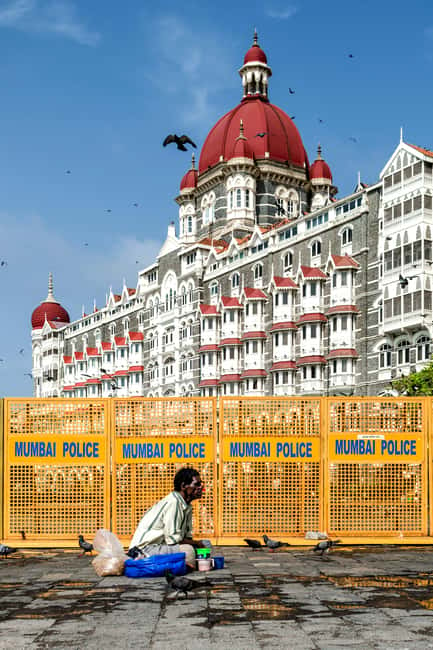
One of the smartest parts of this tour is how it uses landmarks to teach you visual clues. Rajabai Clock Towers, often called the Big Ben of India, gives you a straightforward comparison point. It’s the kind of stop where your guide can help you notice the style and scale instead of leaving you with only the name.
Then you move into the legal and civic symbolism zone with places like Bombay High Court and the Municipality Building—both presented as British heritage architecture. The payoff is that you start seeing patterns: how power and administration were expressed through buildings, and how those buildings still shape the feel of the streets today.
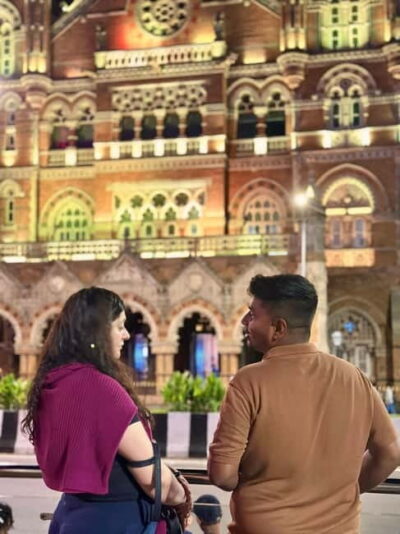
The highlight for many people is Victoria Terminus (CST), a UNESCO World Heritage Site. Here, I love that your guide doesn’t treat it like a distant landmark. They help you understand it as a living gateway, not just a “look but don’t touch” object. You’ll appreciate how a train station can be an identity marker for a city, especially in a place where movement is constant.
A practical note at these stops
Entrance fees apply to site attractions (INR 1600 per person is listed as the total entrance fee amount). That matters because it can affect how long you spend inside versus outside. I’d treat it as: you’re paying to go deeper in a few places, while the rest builds the bigger picture from the street and viewpoints.
Marine Drive, Chowpatty Beach, and the city’s mood shifts
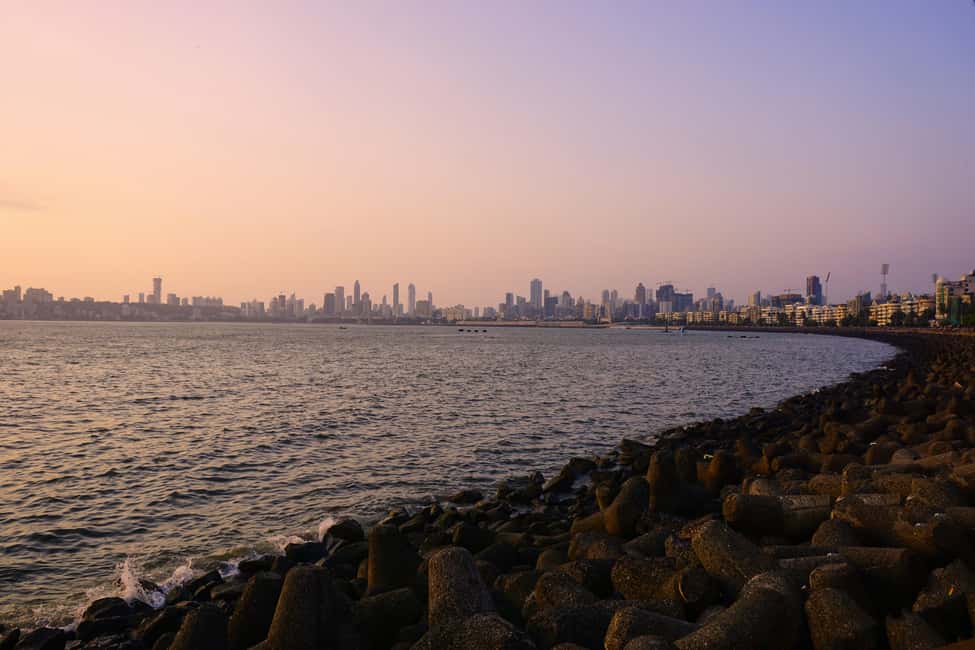
Mumbai isn’t only stone monuments. The tour includes the famous Marine Drive and Chowpatty Beach stretch, which helps you balance the day. From the road, you’ll get that classic coastline feeling—where the city looks more open and reflective compared to the density inland.
Even if you’re not here for hours at the beach, passing through this area does something useful for your understanding of the city. It gives you a sense of where people relax and where the skyline and sea start defining the urban rhythm.
You also get a chance to see “British monuments” beyond single buildings. The route includes driving past Flora Fountain and Hutatma Chowk, plus the Telegraph Office and India Post Office Building. It’s not just a sightseeing list—it’s a way to connect the big civic spaces to the everyday flow of people around them.
If you like photography, this is the part where you’ll probably take more pictures, because the scenery has natural lines and open space compared to narrow streets.






Mani Bhavan, Kamala Nehru Park, and playful viewpoint energy
After the architectural hits, the tour takes a thoughtful turn into human-scale Mumbai.
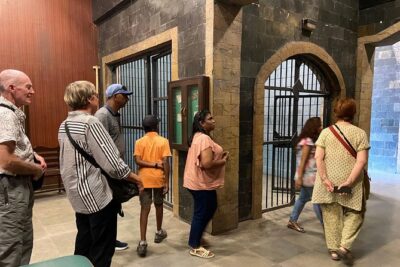
Mani Bhavan is a key stop because it’s connected with Gandhi, often referred to as the Gandhi Museum on the tour route. This isn’t just another “important building.” It’s the kind of place where a guide can help you connect politics and identity to real lives, not just dates.
Next comes Kamala Nehru Park with its skyline view and the playful detail of the Old Woman’s shoe. I love this kind of stop because it breaks the pattern. You still get a view, you still get a sense of place, and you get a lighter moment that makes the day feel less like a homework assignment.
Just remember: parks can mean more walking in sun. Keep water handy, and pace yourself so you don’t burn out before the heavier sights.
Hanging Gardens and Tower of Silence area: an unusual engineering + culture link
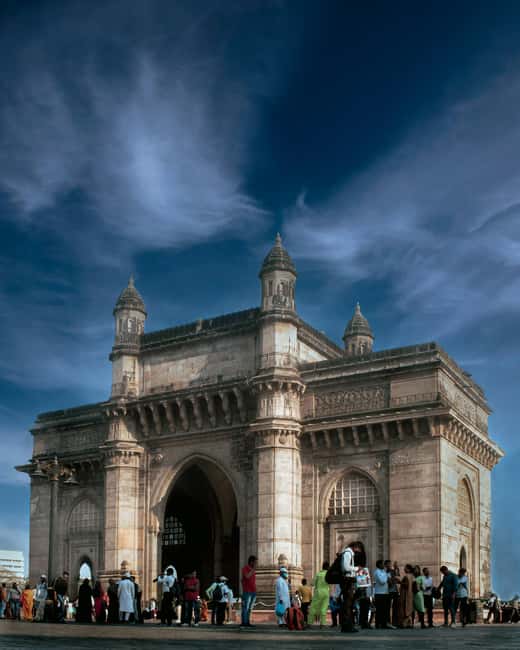
The Hanging Gardens stop is interesting because it’s not only about “nice gardens.” The tour frames them as gardens built on top of water tanks near the Tower of Silence area, connected to a Parsi burial place.
That combination—engineering and culture in one location—is the kind of contrast that makes Mumbai feel layered. You’re not only looking at green space; you’re looking at how the city uses space and how different communities shape the landscape.
This is a good stop if you like architecture stories that aren’t only colonial. It’s a reminder that “history” in Mumbai isn’t just European-era buildings. It’s also local community practices and practical city infrastructure.
Dhobi Ghat: open-air laundry that changes how you think about daily life
If you care about real-life city rhythms, Dhobi Ghat is one of the most memorable stops on this tour. It’s an open-air laundry area where clothes are washed in full view of the public.
What I appreciate about including this is balance. After seeing monuments built for rulers and institutions, you get a window into how thousands of ordinary tasks keep the city running. It also gives you a chance to think beyond tourist framing: this is labor, routine, and skill in plain sight.
Consideration (so you don’t get surprised)
It’s an active working space. You’ll likely be standing near ongoing activity, which means you should keep your attitude respectful and expect it to feel intense in a way that monuments don’t. The reward is a sharper understanding of Mumbai’s daily engine.
Elephanta Caves add-on: when to choose it and how it changes the day
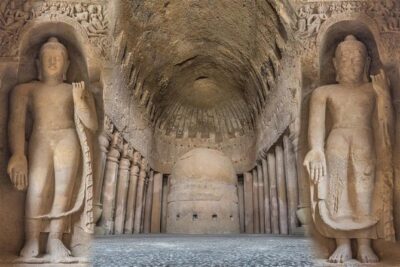
The optional Elephanta Caves addition comes with a boat ride to the caves. This is the big “switch” in the day: you move from downtown Mumbai’s colonial architecture and civic landmarks to a more nature-and-time-feeling experience.
Choosing this add-on depends on what you want from the day:
- If you want a second identity of Mumbai beyond British-era streets, this is a great way to add variety.
- If you prefer staying in the city and keeping the day lighter, you might skip it.
Because the caves involve travel by boat and additional time, the day becomes more about logistics and less about quick stop-and-look sightseeing. If you’re the type who likes to linger, you’ll want to set aside that mindset before adding Elephanta.
Price and value: what $90 really buys, and what’s extra
At $90 per person for a 1-day experience, the value comes from the combination:
- A professional guide who can explain what you’re seeing (and does it in English, plus Spanish and French availability)
- Hotel pickup and drop-off in south Mumbai
- Transport in an air-conditioned vehicle
- Skip-the-ticket line for included site attractions
- Private-group comfort rather than crowd-jumping
Where you’ll spend more: entrance fees to site attractions (listed as INR 1600 PP) and food and drink are not included. That’s normal for day tours, but it’s worth planning for so you’re not hit later by budget surprises.
My practical takeaway: this tour is best value if you’re using it to avoid hours of solo navigation. If you’d otherwise struggle to connect landmarks and explain them to yourself, you’re paying for time saved and understanding gained.
Who this Mumbai tour fits best
This tour is ideal if you want:
- A structured one-day orientation to Mumbai’s major landmarks
- Lots of British heritage architecture explained clearly
- A mix of monumental sights and everyday city life, including Dhobi Ghat
- The option to add Elephanta Caves without having to arrange transport yourself
It’s also a good match for people who like small group energy. It’s set up as a private group, so you’re less likely to feel rushed by strangers moving at different speeds.
Should you book this Mumbai City Tour?
Yes—if you want a smart day plan that covers the major sights without turning your trip into a navigation project. The guide-led approach is the core value, and the route has a good balance of grand landmarks and real Mumbai moments like Dhobi Ghat.
You might skip it (or skip the Elephanta add-on) if you’re the type who hates full-day schedules and prefers fewer locations with more slow time. In that case, pick a lighter plan so you can enjoy Mumbai at your own pace.
If you do book, wear comfortable shoes and show up ready for a full itinerary. Mumbai rewards curiosity, and this tour gives you the map and the explanations to use it.
FAQ
What’s the duration of this Mumbai city tour?
It’s listed as a 1-day experience.
How much does the tour cost?
The price is $90 per person.
Does the tour include hotel pickup and drop-off?
Yes. Pickup and drop-off are included for south Mumbai.
What languages are available for the live guide?
The live tour guide is available in English, Spanish, and French.
Are entrance fees included?
No. Entrance fees to site attractions are not included (listed as INR 1600 per person).
Is there an option to add Elephanta Caves?
Yes. You can add Elephanta Caves, and the boat ride is included with the add-on.
What’s included for transport?
You’ll travel by air-conditioned vehicle, and if you add Elephanta Caves, you’ll also include the boat ride to the caves.