REVIEW · MUMBAI
Private Jewish Heritage Tour
Book on Viator →Operated by Mystical Mumbai · Bookable on Viator
Jewish Mumbai feels surprisingly personal. This private heritage route takes you to synagogues and the Jewish graveyard while also rolling past the city’s big-name landmarks, so you get culture plus context in one smooth stretch. I really like that it’s private for your group, so the pace feels human, not herded.
My other favorite part is the guide-led storytelling in clear English, with stops that explain who built what and why it matters in Mumbai. Still, one drawback to consider is that places you visit can be active community spaces, so you’ll want to stay flexible if timing or access shifts.
In This Review
- Key highlights before you go
- Why this private Jewish heritage tour feels different in Mumbai
- Price and what you really get for $75
- Pickup, timing, and how to keep the day smooth
- Gateway of India and Taj Mahal Palace: the city’s headline scene first
- Sassoon Dock: fishermen, a clock tower, and the human scale of the port
- Gate of Mercy Synagogue and the Muslim connections you might not expect
- Magen David Synagogue: Baghdadi Jewish life and a clock-tower presence
- Magen Hassidim Synagogue: an active community site
- Keneseth Eliyahoo Synagogue: a visitor-friendly stop with VIP hosting style
- The Jewish graveyard and David Sassoon library: memory, names, and time
- Chabad House: another piece of modern Jewish life in the city
- Getting the most out of your English-speaking guide
- Who should book this tour
- Should you book this private Jewish heritage tour?
- FAQ
- What is the duration of the private Jewish heritage tour?
- Is this tour private or shared with other groups?
- Do I get hotel pickup and drop-off?
- Is an English-speaking guide included?
- Which synagogues and sites are included?
- Are food and drinks included?
- Is there an admission fee for the stops?
- Is a minimum number of people required?
- What is the cancellation policy?
Key highlights before you go
- Private vehicle pickup and drop-off in an air-conditioned car, which keeps the day comfortable in Mumbai heat and traffic.
- A guided mix of landmarks and Jewish sites, starting around Gateway of India and Taj Mahal Palace before moving into community locations.
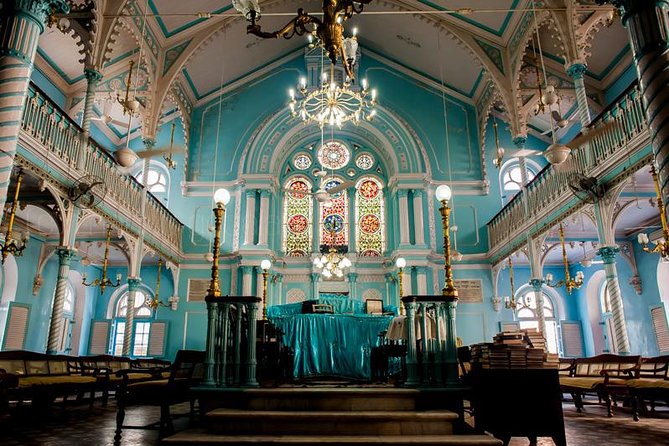
- Synagogues with very different roles, from active community worship at Magen Hassidim to a “tourist synagogue” atmosphere at Keneseth Eliyahoo.
- David Sassoon’s legacy in public spaces, including the library described as open 365 days a year.
- A graveyard stop that turns “heritage” into something you can actually feel in person.
- Good value for a group when you split the cost and keep the tour to a few focused hours.
Why this private Jewish heritage tour feels different in Mumbai
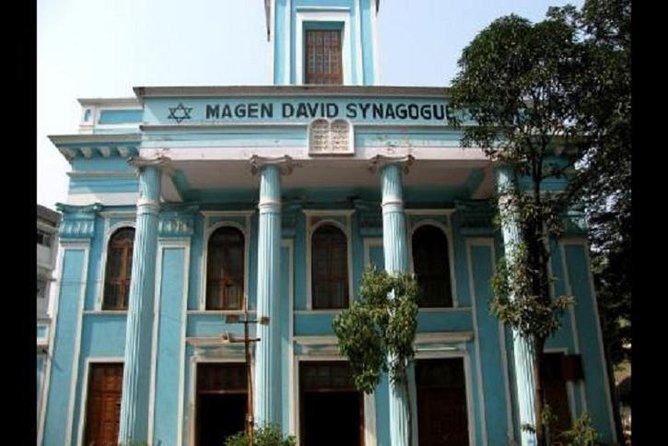
Mumbai’s famous for temples, churches, and mosques. But its Jewish story is part of the city fabric, not a side note, and this tour is built to show that clearly. You’ll get a guided walk-and-drive that connects people, buildings, and names you might otherwise miss.
Two things make it click right away. First, it’s private for your party, so you can ask questions without trying to compete with a larger group. Second, the flow is designed to keep moving while still giving each stop enough time to register—think short visits at several key sites rather than one long, confusing slog.
One more reason I like this style: it doesn’t treat Jewish heritage as only “old” history. Some stops connect to marriages and ceremonies, which means you’re seeing living traditions alongside monuments and memory.
You can also read our reviews of more private tours in Mumbai


Price and what you really get for $75
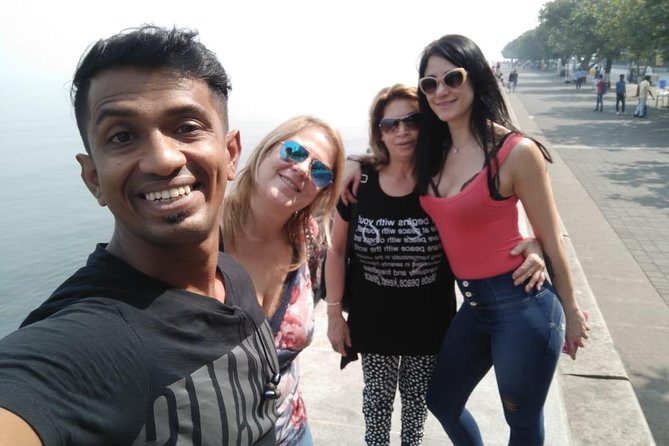
At $75 per person, the price is what you’d expect for a guided private half-day with transport. The real value is the package effect: you’re not paying for a guide plus a driver plus an expensive ride-hail day-by-day. You also get hotel pickup and drop-off, so you lose less time figuring out logistics.
This tour is also priced for groups. If you’re traveling with others, the “private” feeling stays, but the per-person cost makes more sense. The tour runs about 4 to 5 hours, so you’re not committing an entire day just to see a handful of places.
Food isn’t included, so plan for a light snack or keep your meal plans afterward. If you’re sensitive to hunger, bring a small water bottle and something quick—then you can focus on the sites instead of timing bites between neighborhoods.
Pickup, timing, and how to keep the day smooth
You’ll have round-trip transfers in a private vehicle, and the tour is designed around short visits—about 10 to 30 minutes at each main stop. That structure is handy if you’re in Mumbai for a limited window or you’re stacking other activities that day.
The minimum requirement is 2 people per booking, and it’s only your group that participates. That matters because a private setup usually means fewer surprises, more control, and less waiting around for strangers.
Still, here’s the practical consideration: one low-score experience noted trouble with finding the operator because of a lack of clear signage, and delays before the tour started. My advice is simple: confirm your pickup details in advance and have your mobile ticket accessible. If you arrive early at the pickup zone, wait close by so you’re easy to spot.
Gateway of India and Taj Mahal Palace: the city’s headline scene first
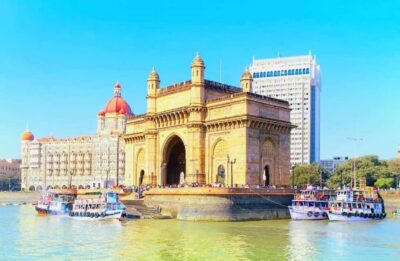
The day starts where Mumbai’s visitor story begins: Gateway of India, a major monument built to welcome King George V and Queen Mary into India. Even if you know the photo already, this stop helps you orient fast. You get the scale of the harbor city and the sense of “arrival” that shaped Mumbai’s early global connections.
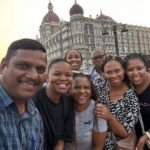
From there you head to the Taj Mahal Palace Hotel area. The key detail you’ll hear is that the hotel’s original building was commissioned by Jamshedji Tata and first opened to guests on December 16, 1903. This isn’t just another quick look at a landmark—it’s context for how Mumbai grew into a city where international communities, commerce, and institutions interacted.
A small timing tip: because these are quick stops, bring your camera skills. Try a couple angles, get your bearings, then move on—this tour moves at a steady pace on purpose.
Sassoon Dock: fishermen, a clock tower, and the human scale of the port
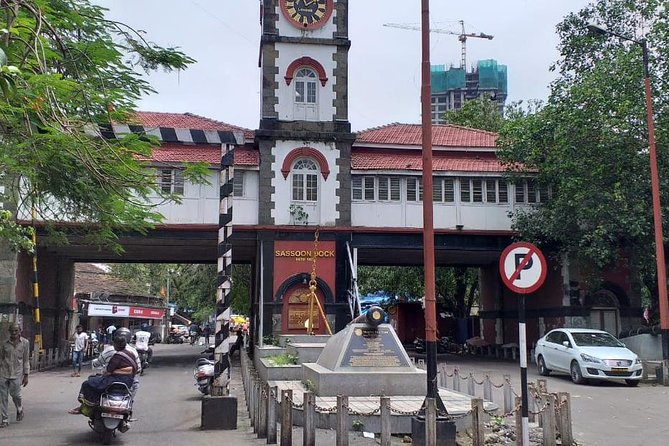
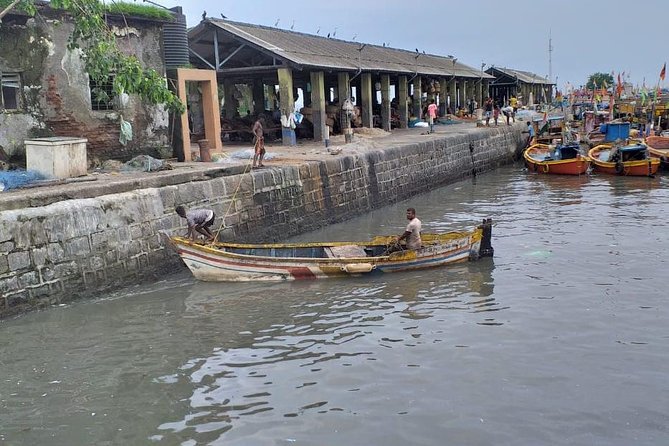
Next up is Sassoon Dock, described as a major fishermen port in Mumbai. You’ll hear that it was donated by Sir Albert Sassoon as a dedication to fishermen, and you can spot the dock’s clock tower.
This stop is a good reset between landmarks and sacred spaces. It grounds the tour in labor and daily life rather than only architecture. You’ll also get a feel for how the city’s coastline shaped livelihoods, which helps the later synagogue stops make more sense.
One caution: docks are working areas. Even with a guide, you’ll want to stay alert, keep movement sensible, and respect local activity. Your time here is short—about 30 minutes—so focus on what your guide points out rather than trying to wander too far.
You can also read our reviews of more historical tours in Mumbai




Gate of Mercy Synagogue and the Muslim connections you might not expect
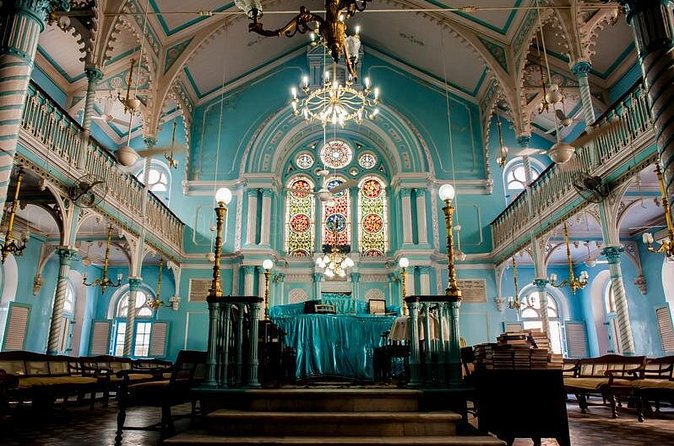
One of the more interesting stops is Gate of Mercy Synagogue (linked with Samuel Street Masjid). The tour highlights its early importance in Maharashtra and notes a connection to Tipu Sultan, which adds a surprising historical layer.
This is the kind of stop that makes heritage feel less like a list of places and more like a network of relationships. Jewish history in India isn’t isolated; it intersects with broader regional politics, rulers, and communities.
Practically, the visit length is about 20 minutes. That means you won’t spend forever inside, and you should follow the guide’s lead on what to prioritize—exactly what inscriptions or details to notice.
Magen David Synagogue: Baghdadi Jewish life and a clock-tower presence
Then you’ll visit Magen David Synagogue, described as the first synagogue built by David Sassoon himself. There’s a clock tower, and the premises are tied to Jewish schools and a Jewish guest house, so it connects worship with education and community life.
The tour frames this as a place where you can see the Baghdadi Jewish life that existed there. That framing matters because it shifts the focus from “one building” to how communities functioned around the building: teaching, hosting, and belonging.
Since the time is also about 20 minutes, treat this as a guided orientation stop. You’ll leave with names, relationships, and a mental map you can revisit later when you read more.
Magen Hassidim Synagogue: an active community site
The tour continues to Magen Hassidim Synagogue, described as one of the most active Bene Israeli synagogues, with marriages and other ceremonies taking place there. This is where the tour turns from history into lived tradition.
An active synagogue doesn’t always feel like a museum. It can feel more like you’re stepping into someone’s real routine. Expect the guide to explain the community role and why activity matters to heritage.
Because it’s active, your visit may depend on what’s happening at the time. Keep your expectations flexible, and remember that the tour is short—about 20 minutes—so the goal is respectful viewing and understanding, not a long, unbroken walkthrough.
Keneseth Eliyahoo Synagogue: a visitor-friendly stop with VIP hosting style
At Keneseth Eliyahoo Synagogue, the tour notes it’s considered a tourist synagogue. It’s also described as a place that hosts delegates and other VIPs in a prime tourist location, plus it offers services for visitors.
That mix of “tourist-friendly” with “important hosting” gives you a different vibe than the more community-centered stops. If you’re someone who wants clear explanations and easier access to view things, this can be a useful anchor point within the route.
Time is about 20 minutes, so your guide will likely focus on what visitors should notice most: the role it plays and the way it represents the community in public-facing ways.
The Jewish graveyard and David Sassoon library: memory, names, and time
A tour about heritage has to include more than bright buildings. This one includes a local Jewish graveyard, which adds weight fast. Even in a short visit, a graveyard stop changes how you understand the stories you hear earlier.
Names and dates (even when you don’t catch every detail) help you connect “heritage” to real lives and real continuity. It also helps explain why synagogues aren’t just religious sites; they’re part of a broader system of remembering.
The tour also highlights the David Sassoon library, described as donated by Sir David Sassoon and noted as the only library open for all 365 days of the year. Whether you’re a book lover or not, this detail makes you think about institutions as everyday support, not just monuments.
If you want photos, check with your guide first. Graveyards and religious premises often have their own comfort level about photography.
Chabad House: another piece of modern Jewish life in the city
The tour includes the city’s Chabad House as well. Even when you’re not looking for a religious deep dive, this is a practical stop because it shows how Jewish community support continues in modern Mumbai.
Think of it as a “now” companion to the older synagogue sites and the graveyard. You leave with a clearer sense of how community infrastructure functions today.
Getting the most out of your English-speaking guide
A big part of your experience will come from the guide’s ability to connect facts into a story. The tour provides an English-speaking professional guide, and the best experiences tend to happen when you treat the tour like a conversation rather than a checklist.
In particular, the guidance around the David Sassoon connections and the Tipu Sultan-linked history at Gate of Mercy are the kinds of details that can otherwise go right over your head. Ask about any name you hear twice—those repeats usually signal a key thread.
If you’re interested in a specific angle, like genealogy, architecture, or how Jewish communities interacted with other groups in India, bring that up early. One low-score experience said the guide was surprised by the itinerary and needed the party to explain what they wanted. That’s a reminder: have your questions ready, and don’t assume the day will automatically match your exact interests without a quick alignment.
Who should book this tour
This is a strong fit if you want a focused half-day in Mumbai that’s different from the standard sightseeing loop. It suits:
- People who like history with names and places, not just general landmarks
- Couples or small groups who prefer a private vehicle and a calmer pace
- Visitors who want synagogue and graveyard context without trying to navigate on their own
If you’re traveling solo, the minimum of 2 people per booking can matter, depending on how dates are structured. If you’re short on time, the 4 to 5 hour window is also a useful way to add a meaningful chapter to your Mumbai visit.
Should you book this private Jewish heritage tour?
Yes, if you want a guided, respectful, and well-paced look at Mumbai’s Jewish heritage with real context—plus the convenience of pickup, transport, and an English-speaking guide. The standout strengths are the private setup and the way the route connects multiple synagogue sites, a graveyard, and major city landmarks without dragging on.
Skip it or at least plan carefully if you’re the type who needs total certainty around meeting points and access details. One bad experience involved confusion before the tour started, so make your pickup plan clear and keep your mobile ticket handy.
If you want to add something genuinely different to a Mumbai itinerary, this is the kind of tour that helps the city feel more human and less generic fast.
FAQ
What is the duration of the private Jewish heritage tour?
It runs about 4 to 5 hours total.
Is this tour private or shared with other groups?
It’s private, and only your group will participate.
Do I get hotel pickup and drop-off?
Yes. Hotel pickup and drop-off are included, along with transport in an air-conditioned car.
Is an English-speaking guide included?
Yes. The tour includes an English-speaking guide.
Which synagogues and sites are included?
The tour includes Gate of Mercy Synagogue, Magen David Synagogue, Magen Hassidim Synagogue, Keneseth Eliyahoo Synagogue, a local Jewish Graveyard, and the city’s Chabad House.
Are food and drinks included?
No. Food and drinks aren’t included.
Is there an admission fee for the stops?
The listed stops show free admission (for example Gateway of India, Taj Mahal Palace, and the synagogue and dock stops listed as admission free). You should still follow your guide’s instructions on the day.
Is a minimum number of people required?
Yes. There is a minimum of 2 people per booking.
What is the cancellation policy?
You can cancel for a full refund if you cancel at least 24 hours before the experience start time.