REVIEW · MUMBAI
Private Mumbai Jewish Heritage Tour: Baghdadi & Bene Israel
Book on Viator →Operated by No Footprints · Bookable on Viator
Mumbai has two Jewish stories worth hearing. In a few focused hours, you trace how the Bene Israel community and the Baghdadi community shaped Mumbai’s streets, ports, and sacred places, from the Gateway of India area to the Kalaghoda synagogues. You’ll also spend time at the docks, a major community library, and possibly the Chabad Center Bombay, depending on availability.
I love how the route connects architecture to real city-making. Two things I especially liked are the synagogue stops in Kalaghoda (Keneseth Eliyahoo and Magen David) and the way the Sassoon Dock area gives context for why Jewish merchants and families mattered to Mumbai’s economy. One consideration: the final Chabad House visit is based on availability, and the tour needs good weather, so you may want a flexible day.
In This Review
- Key highlights you’ll feel right away
- Bene Israel and Baghdadi: a Mumbai tour with real local depth
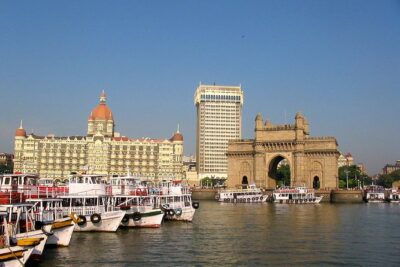
- Gateway of India: an iconic monument with a Jewish connection
- Sassoon Dock: where family names connect to Mumbai’s economy
- David Sassoon Library and Reading Room: learning in Kalaghoda
- Keneseth Eliyahoo Synagogue: a Baghdadi landmark in an art district pocket
- Magen David Synagogue: architecture where tradition shows up daily
- Chabad Center Bombay: resilience after tragedy (when available)
- Price and pacing: does $96.03 feel fair?
- Logistics that matter on the ground (and how to plan around them)
- Who should book this tour—and who might want a different plan
- Should you book Private Mumbai Jewish Heritage: Baghdadi & Bene Israel?
- FAQ
- FAQ
- How long is the Private Mumbai Jewish Heritage Tour: Baghdadi & Bene Israel?
- What are the main stops on the tour?
- Are admission tickets included for the stops?
- Is hotel pickup and drop-off included?
- Is this tour private?
- Are there any extra costs besides the $96.03 per person price?
- What about kids—do children pay?
- What if the weather is bad or there’s a major event like the Mumbai Marathon?
Key highlights you’ll feel right away
- Two synagogue visits in Kalaghoda: Keneseth Eliyahoo and Magen David, both tied to the Baghdadi story
- Sassoon Dock context: learn why the Sassoons still matter to Mumbai’s economic history
- David Sassoon Library and Reading Room: a former mechanical institute turned library with views over Kalaghoda
- Gateway of India, but with a Jewish link: an iconic landmark placed inside community history
- Chabad Center Bombay stop is conditional: included when available, especially meaningful given its history
- Guide-led street smarts: the experience has been praised for smooth navigation in Mumbai traffic, led by guides like Nasreen Mehta
Bene Israel and Baghdadi: a Mumbai tour with real local depth
This tour is built around two Jewish communities with very different timelines in Mumbai. The Bene Israel are described as having roots in Mumbai over 1,600 years ago, while the Baghdadi Jews arrived later, settling in the 1800s as traders. That gap matters, because it helps you see why the architecture, community institutions, and neighborhood locations don’t all follow the same pattern.
What you get is not just “look at a building” sightseeing. You’re walking through Mumbai’s layers of trade, learning, worship, and resilience, with context attached to each stop. And since it’s a private tour (only your group), you can move at a pace that works for your questions, not a cattle schedule.
If you care about Mumbai beyond the usual postcard loop, this is a smart way to do it. The route is compact—about 3 to 4 hours—but it’s packed with stops that explain how Jewish life became part of the city’s everyday geography.
You can also read our reviews of more private tours in Mumbai

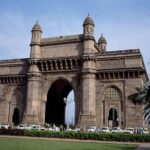
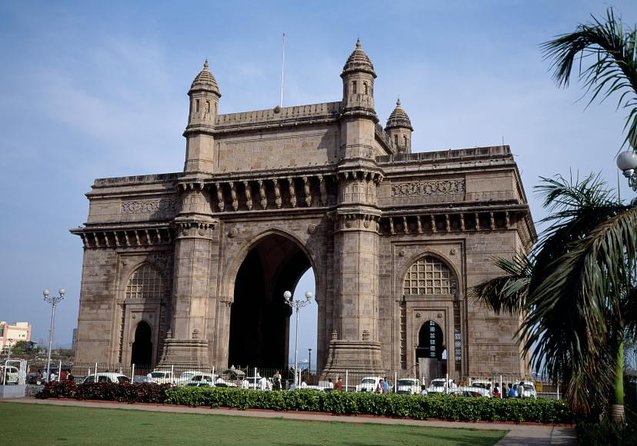
Gateway of India: an iconic monument with a Jewish connection
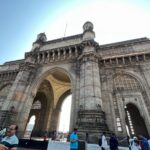
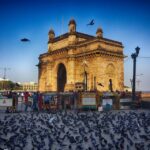
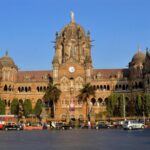
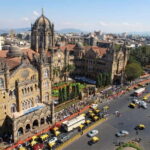
You start near the Gateway of India, a spot most people recognize fast—then your guide ties it to Jewish connections in Mumbai. The stop is short, about 20 minutes, with no admission ticket required.
Why this is worth doing: Gateway of India is a kind of stage set for Mumbai’s maritime identity. When you understand how different groups moved through ports and trade routes, the monument shifts from “famous photo spot” to “a landmark with social meaning.”
Practical note: expect busy surroundings. Even with a guide, you’ll want to keep your eyes on crossings and traffic flow. If you’re sensitive to noise and crowds, this is the stop where you’ll notice it most.
Sassoon Dock: where family names connect to Mumbai’s economy
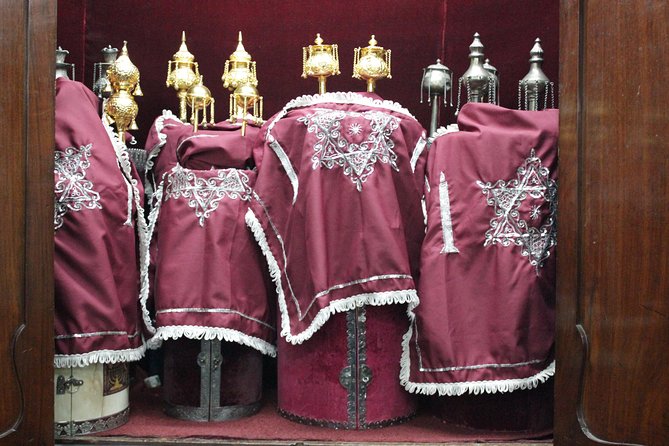
Next up is Sassoon Dock, another 20-minute stop with admission included. This is where the tour’s “why them, why here” approach really clicks. You’ll learn about the Sassoons, a Jewish family credited with building the Sassoon docks, and how those efforts fed into Mumbai’s broader economic growth.
This stop is valuable because it pushes past “heritage sightseeing” and into city history. Docks aren’t romantic, but they explain power. They show where wealth came from, how goods moved, and why certain communities gained influence in particular neighborhoods.
Small drawback to know: docks areas can be open-air and exposed depending on weather. Since the tour requires good weather, bring what you need for comfort—especially if your day tends to be humid.
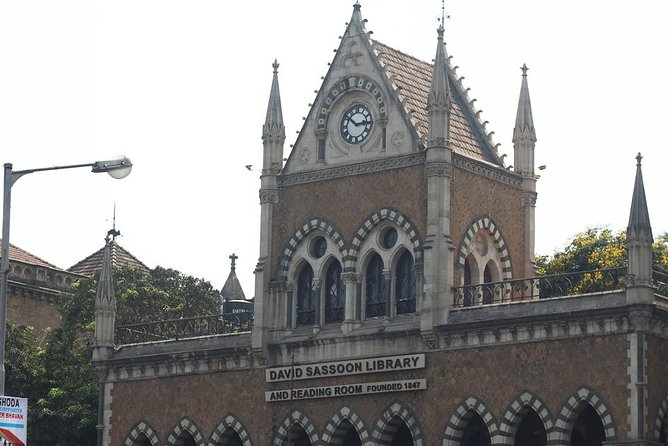
David Sassoon Library and Reading Room: learning in Kalaghoda
Then you’ll head to the David Sassoon Library and Reading Room, a short 10-minute visit. This stop is described as a converted mechanical institute, now functioning as a library with views over the Kalaghoda area.
Even if you don’t have time to linger inside for long, the point is clear. It’s a reminder that community life wasn’t only about worship—it was also about education, self-improvement, and keeping knowledge close.
Why I think this works on a 3-to-4-hour tour: Kalaghoda is already a hub for art and architecture. Pairing it with a library stop gives you a balanced mental picture—trade and docks earlier, learning here, then worship at the next stops.
Keneseth Eliyahoo Synagogue: a Baghdadi landmark in an art district pocket
After the library area, you visit Keneseth Eliyahoo Synagogue in the Kalaghoda art district. The time here is about 20 minutes, and the admission ticket is free.
This synagogue is specifically identified as a Baghdadi Jewish synagogue. The guide frames it as hidden away—meaning it doesn’t announce itself like the most famous structures do—so it tends to feel like a discovered connection rather than a forced stop on a big checklist.
Here’s what to pay attention to: how the architecture and the setting reinforce the Baghdadi story of later arrival and trader settlement. You’re seeing the “Baghdadi in Mumbai” chapter in a physical form, not just in dates.
Possible consideration: since it’s “hidden away,” you may need to follow your guide’s directions closely for the exact approach and timing. Wear shoes that handle uneven sidewalks, and keep your phone away while you’re crossing areas—Mumbai traffic can be quick.
You can also read our reviews of more historical tours in Mumbai

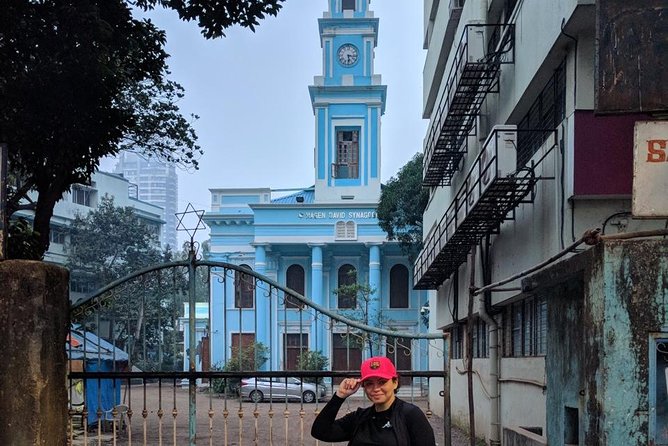
Magen David Synagogue: architecture where tradition shows up daily
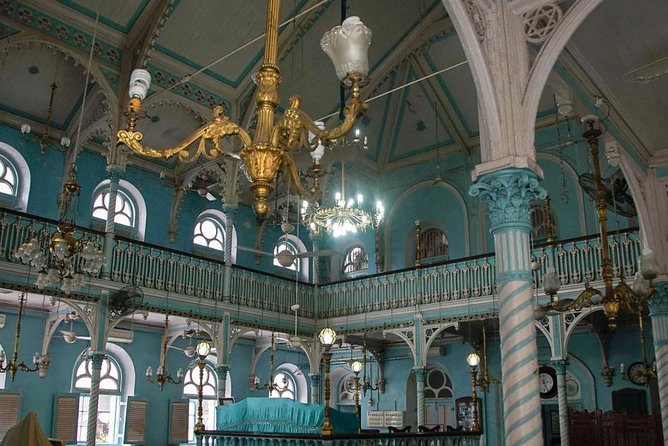
The route then brings you to the Magen David Synagogue, another 20-minute visit with free admission. This is described as an architectural masterpiece where traditions are preserved and prayers echo through the sacred halls.
This stop is the emotional centerpiece for many people. It’s easy to appreciate the building from the outside, but what you take away tends to be the sense of continuity—centuries of practice still shaping how people gather.
What I like about pairing this with Keneseth Eliyahoo is the contrast within the same neighborhood zone. You get two different expressions of synagogue life that both belong to Mumbai’s Jewish geography, which helps you avoid the “one building equals one story” trap.
As always with religious sites, plan to be respectful with your movement and your voice level. The tour timing is short, so if you tend to read every plaque carefully, it may help to arrive with curiosity and let your guide guide your attention.
Chabad Center Bombay: resilience after tragedy (when available)
The last major stop is Chabad Center Bombay, and it’s included based on availability. The time here is about 15 minutes, with free admission, but the operator notes this location is linked to the infamous terrorist siege in Mumbai.
This stop matters because it turns heritage into something lived and ongoing. Instead of only looking backward, you’re prompted to think about resilience and community strength—what people rebuild after trauma.
The “based on availability” part is the key reality check. If it’s not included on the day, you still get a lot from the dock-to-library-to-synagogue arc. But if Chabad House is the reason you booked, plan to treat it as a bonus rather than a guarantee.
Price and pacing: does $96.03 feel fair?
At $96.03 per person, this is not an ultra-cheap “drive-by history” outing, but it also isn’t priced like a luxury niche experience. In your favor: the package lists hotel pickup and drop-off, a professional guide, private transportation, and coverage of all fees and taxes.
Also, every stop in the provided itinerary shows free admission tickets for each listed site. In other words, your cost isn’t mainly “paying for entry.” You’re paying for the guiding, the route, and the logistics that keep you from wasting time hunting addresses in busy areas.
The tour lasts about 3 to 4 hours, which is a sweet spot if you want context without burning half a day. It’s also marked for moderate physical fitness—the time at each stop is short, but you should still expect some walking and standing around in city conditions.
Two possible price-side gotchas:
- If you need North Mumbai pick-up, there may be an additional transport cost.
- If you want a language guide beyond English, there’s an additional cost.
If your travel group includes someone who prefers structured explanations (not just a self-guided route), I’d call the price a solid value. It’s the kind of tour that can make you understand the city faster.
Logistics that matter on the ground (and how to plan around them)
This tour offers pickup, and it runs with a driver and private transportation. It also uses a mobile ticket, which tends to make check-in smoother. One inclusion that stands out on the package details: it lists a hop-on hop-off tour as included. The practical move is to ask the provider how that component is delivered on your day, since it can vary by operator setup.
Booking timing: it’s described as commonly booked about 15 days in advance on average. If you’re traveling during a popular season or on a limited schedule, booking early is smart.
Weather matters here. The experience requires good weather, and if it’s canceled due to poor weather, you’ll be offered a different date or a full refund. It also won’t run on the day of the Mumbai Marathon.
Who should book this tour—and who might want a different plan
This is a great fit if you:
- Want a short, guided route that connects community identity to specific places
- Enjoy synagogue and neighborhood context more than broad museum-style tours
- Like learning with a guide who can connect Jewish life to wider Mumbai development (docks, trade, institutions)
It may not be the best fit if you:
- Only want the biggest famous monuments and don’t care about the cultural story behind them
- Need a highly flexible day with no weather sensitivity
- Are traveling in a way where you can’t adjust to the operator’s on-the-ground sequencing (the order can be set by the guide)
Should you book Private Mumbai Jewish Heritage: Baghdadi & Bene Israel?
If you’re aiming to understand Mumbai’s identity beyond Bollywood clichés and skyline shots, I think this is a strong booking. The route is efficient, and the stops are meaningful: docks tied to commerce, a library tied to learning, and two synagogues that anchor the Baghdadi thread, with the Bene Israel timeline referenced in the tour’s framing.
My biggest reason to say yes: it’s not a random scatter of sites. It’s a guided story arc—trade and institutions first, then worship and remembrance—wrapped into a time window that won’t overwhelm your itinerary.
If Chabad Center Bombay is a must for you, treat it as a depend-on-availability bonus, not a guaranteed finale. But even without that last segment, you still get a coherent slice of Mumbai’s Jewish geography that’s hard to recreate on your own.
FAQ
FAQ
How long is the Private Mumbai Jewish Heritage Tour: Baghdadi & Bene Israel?
It runs for about 3 to 4 hours.
What are the main stops on the tour?
The tour includes stops at Gateway of India, Sassoon Dock, David Sassoon Library and Reading Room, Keneseth Eliyahoo Synagogue, Magen David Synagogue, and Chabad Center Bombay based on availability.
Are admission tickets included for the stops?
Yes. The tour notes free admission tickets for the listed stops, and it also includes all fees and taxes.
Is hotel pickup and drop-off included?
Yes, hotel pickup and drop-off are included.
Is this tour private?
Yes. It’s a private tour/activity, so only your group participates.
Are there any extra costs besides the $96.03 per person price?
The tour notes possible extra costs for North Mumbai pick-up and an additional cost for a language guide besides English.
What about kids—do children pay?
Children below 5 years of age can do the tour free of cost.
What if the weather is bad or there’s a major event like the Mumbai Marathon?
The tour requires good weather. It is not conducted on the day of the Mumbai Marathon. If it’s canceled due to poor weather, you’ll be offered a different date or a full refund, and you can cancel up to 24 hours in advance for a full refund.