REVIEW · MUMBAI
Private Dharavi Slum Tour
Book on GetYourGuide →Operated by Mystical Mumbai · Bookable on GetYourGuide
Dharavi is not the kind of place you understand from a car window. On this private 2-hour walk, you get close to the day-to-day rhythm: small alleys, real work, and the kind of community you can feel fast. I like how the experience is guided by students who live in Dharavi, which makes the stories feel grounded rather than rehearsed. I also like the practical focus on how people survive and build income, from recycling to leather work.
You’ll also learn how this area functions at a human scale. Dharavi is described as the second biggest slum in Asia and the third biggest in the world, spread across about 200 hectares (500 acres), with population estimates that vary widely. That context matters, because the tour isn’t just about spectacle—it’s about understanding the systems people deal with every day.
One consideration: this is a walk through crowded, tightly packed alleys, and it includes discussion of serious public health issues. If you’re looking for a photo-heavy, carefree sightseeing loop, this won’t match. And you’ll need to follow the rule: no cameras.
In This Review
- Key things that make this tour worth your time
- Why a private Dharavi walk feels different than a drive-by
- Meeting up in Mumbai and what the pickup really changes
- Two hours in Dharavi: narrow alleys, close conversations
- Trades you can actually see: recycling, leather, pottery, and poppadoms
- Slumdog Millionaire and the Design Museum detail that adds perspective
- Understanding water, toilets, and monsoon risk without turning it into shock content
- Rules that affect your experience: no cameras and what to wear
- Price and value: is $65 for 2 hours fair?
- Safety, comfort, and the tone set by guides like Abishek and Aarti
- Who should book this Dharavi private tour—and who might not
- Should you book this private Dharavi slum tour?
- FAQ
- How long is the Private Dharavi Slum Tour?
- How much does the tour cost?
- Is hotel pickup and drop-off included?
- Is this a private group?
- What language is the guide?
- Are cameras allowed during the tour?
- What should I bring?
- What is included in the price?
Key things that make this tour worth your time
- Local student guides help you understand daily life in plain, direct terms.
- Trade-by-trade storytelling: you’ll see talk and activity around recycling, leather work, pottery, and food production.
- Slumdog Millionaire context: you’ll visit where the film was shot, which adds a familiar cultural anchor.
- Two-hour format keeps it focused, with enough time to ask questions without rushing.
- Hard realities are part of the route, including water access and sanitation pressures.
Why a private Dharavi walk feels different than a drive-by
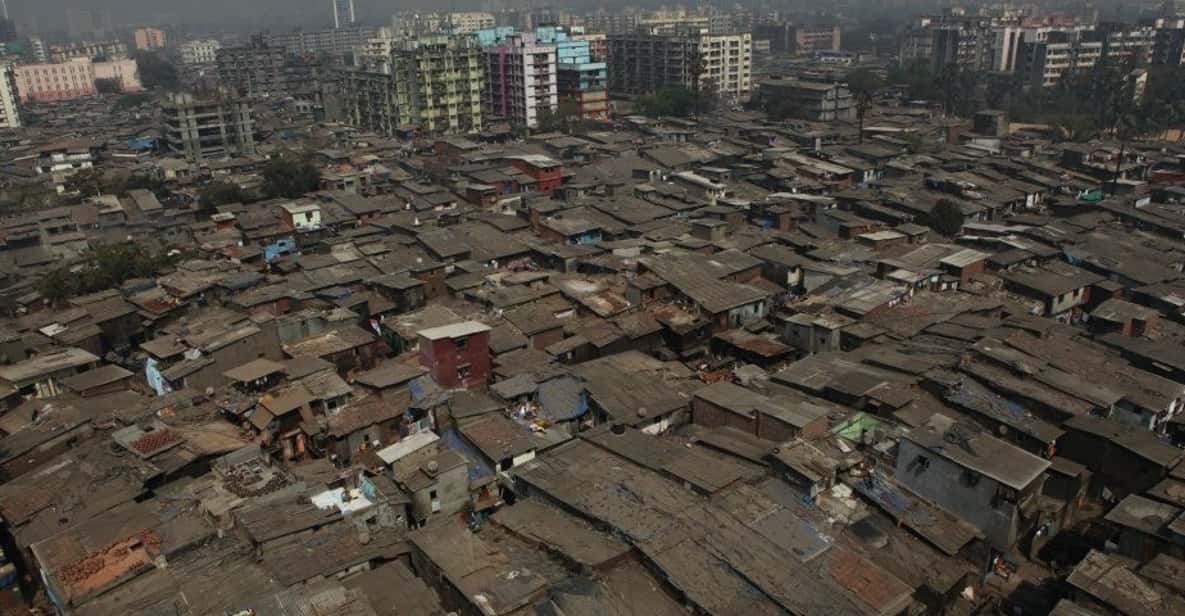
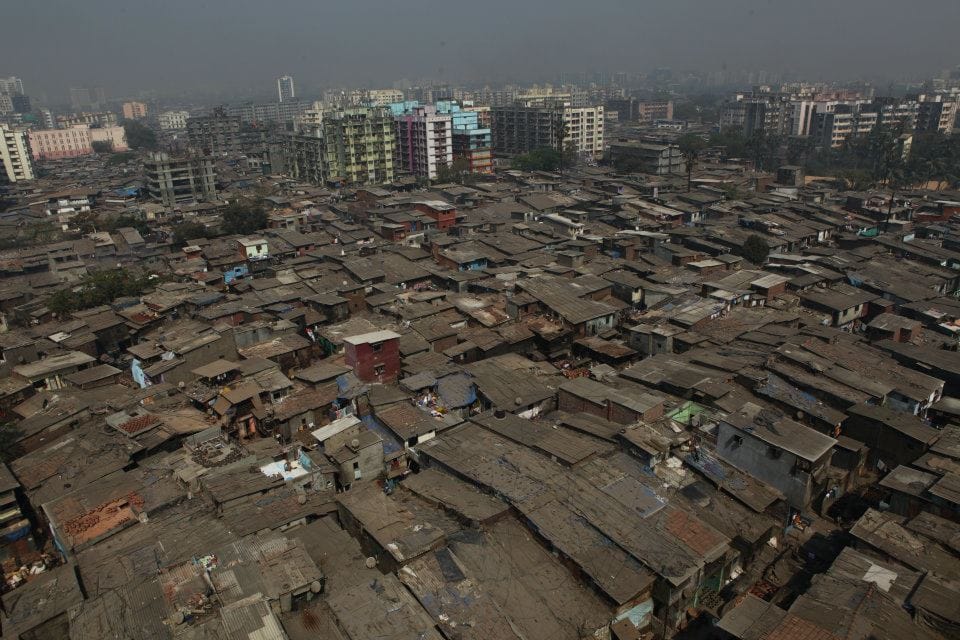
Dharavi can look like one big blur from a distance. Up close, it’s more like a patchwork of neighborhoods and specialties—people working, moving, trading, cooking, repairing, and learning all within walking distance. A private format matters because you don’t have to speak over a crowd. You can ask the guide why a certain workshop is where it is, or how a recycling chain actually works.
I like that this isn’t sold as a “poverty tour.” It’s more grounded. The focus is on the diverse communities living there and the trades that keep the mini-city running. That approach helps you avoid the two extremes: either flattening Dharavi into a single sad image or turning it into a theme park.
Also, it’s only two hours. You can learn a lot in that time, but you’re not trapped for half a day. It’s a practical way to see something big and complicated without burning your entire Mumbai day.
You can also read our reviews of more private tours in Mumbai



Meeting up in Mumbai and what the pickup really changes

The tour starts with hotel pickup and drop-off in Mumbai, and you travel in private air-conditioned transportation. That matters more than it sounds. Mumbai traffic can eat time, and when you arrive stressed, it’s harder to notice what the guide is pointing out.
In the lobby, your guide will meet you wearing a purple shirt with a footprint logo. The guide is an English-speaking professional guide, and in this specific tour style, the guides are students living in the slum, which helps explain the tone: fewer “tour bus” answers, more lived-in explanations.
You’re not left to figure out logistics. And you do get water included, which is a small comfort that helps when you’re walking through tight spaces where it’s not easy to stop and search for a bottle.
Two hours in Dharavi: narrow alleys, close conversations
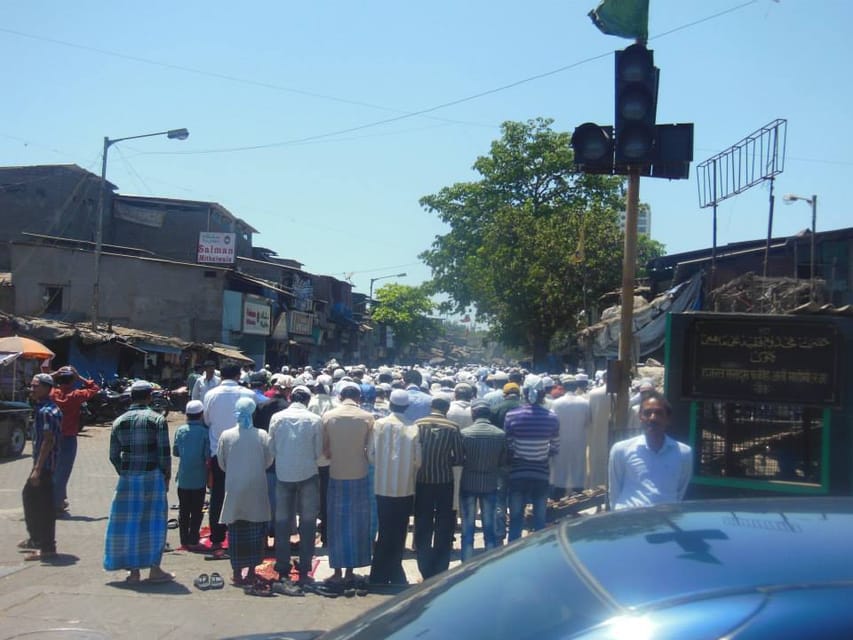
You’ll spend your time walking through narrow alleys, where the scale feels immediate. In two hours you won’t map every corner of Dharavi (it’s simply too large and too complex), but you will get a working sense of how daily life fits together.
Expect a route that highlights both people and production. The guide typically connects what you see—workshops, recycling activity, materials—with the bigger story behind it: how communities organize, where different trades sit, and how residents adapt to crowded conditions. The best part of the walking format is that you can hear explanations as you pass relevant places rather than listening to a lecture later.
You’ll also get historical/cultural context mixed into the practical stuff. One highlight is the chance to see where Slumdog Millionaire was shot. That detail can make the area feel less like an abstract news story and more like a lived location you can picture from a movie.
Trades you can actually see: recycling, leather, pottery, and poppadoms

This tour’s strongest value is its focus on work. Instead of just saying people make a living, you’ll learn the varied trades and what they do day to day.
Here’s the kind of production and workshop activity the tour highlights:
- Plastic recycling work
- Leather manufacturing
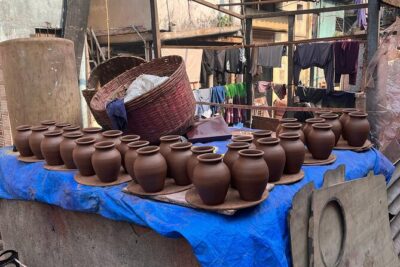
- Pottery
- Soap production
- Poppadom baking
- Recycling of used vegetable oil cans
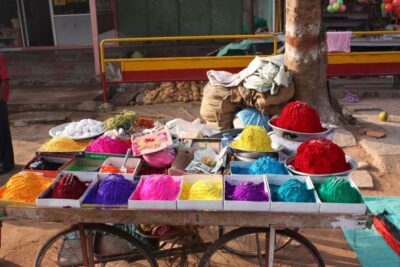
- Dye production
- And more local trades in the area
Even if you don’t know anything about these industries going in, the guide’s explanations help you see why they’re clustered. Materials get moved and reused. Skills develop. A buyer or supply chain knows where to find the work.
I also like that the tour doesn’t treat these trades as trivia. It frames them as economic life: a way residents build stability and income in a place with major infrastructure gaps.
Slumdog Millionaire and the Design Museum detail that adds perspective
A film location tour can go two ways: either it’s mostly about photos and name-dropping, or it becomes a bridge into deeper context. This one leans toward the second option because it pairs the cinematic reference with real-world explanation.
You’ll visit places tied to Slumdog Millionaire (2008). That can help you orient your imagination. Instead of thinking Dharavi only through statistics, you start thinking through scenes—streets, movement, and how a set would have fit into real life.
Then there’s a modern cultural detail that I appreciate: Dharavi’s first Design Museum opened in February 2016. Even if you only catch a quick reference to it during the walk, it pushes your thinking beyond the usual “only hardship” framing. It signals that design, craft, and education aren’t absent—just challenged by the realities of daily survival.




Understanding water, toilets, and monsoon risk without turning it into shock content
A tour like this has to talk about conditions. Dharavi’s vulnerability is tied to the basics of sanitation and drainage. The area is noted as having poor sewage and drainage systems, which means flood risk during monsoon is a real problem. When it rains, the environment can become more hazardous fast.
Water access comes through public standpipes across the area. Toilets are described as limited, and they’re often filthy and broken. The tour also notes that Mahim Creek is widely used for urination and defecation, which contributes to the spread of contagious diseases.
That sounds heavy because it is. Here’s the practical takeaway: this part of the tour is best approached with a mindset of understanding systems, not chasing horror. Keep your questions thoughtful. Ask how daily routines adapt. Listen to how the guide balances survival needs with work, family life, and community.
If you’re going to be emotionally drained, plan for it. Schedule a calm block afterward. This walk is educational, but it can be emotionally intense.
Rules that affect your experience: no cameras and what to wear
The tour has a clear rule: no cameras. That means no DSLR, and in practice you should also assume phone cameras are off-limits. The logic is simple: you’re walking through people’s home-work spaces, not a museum exhibit.
I like this rule because it pushes you toward observation, not documentation. You’ll remember the smells, the conversations, the workshop activity, and the small human details that photos often miss.
What to bring is equally simple:
- Comfortable shoes (non-negotiable on uneven, crowded paths)
You’ll also have water provided, so you don’t need to carry extra bottles just for the tour.
Price and value: is $65 for 2 hours fair?
At $65 per person for 2 hours, you’re paying for three main things: a private experience, English guidance, and hotel pickup/drop-off with air-conditioned transport.
A cheap slum tour often means one of these is missing: good guide time, meaningful explanations, or reliable logistics. Here, the structure is set up so you spend your time walking and learning, not searching for the meeting point or translating your way through explanations.
You’re also getting a tour style that emphasizes local student perspectives. That can make the storytelling more direct and specific, which is hard to find in generic group tours.
What keeps this from being a perfect deal is the “comfort of the ride” variable. One past experience noted the transportation as okay but in need of improvement. That doesn’t mean it’s unsafe or bad—it just means you should expect a functional car ride, not a luxury spa transfer.
Overall, if you want a guided, private walk that teaches you how the place works and not just what it looks like, $65 feels reasonable.
Safety, comfort, and the tone set by guides like Abishek and Aarti
One reason people recommend this tour is the professional, respectful tone. Guides in this format have been described as courteous and engaging, with English that’s easy to follow. Names that show up in examples include Abishek (with a driver also named Miukesh) and Aarti (with a driver named Mukesh). Those names matter only because they reflect a pattern: the guide is the key to making the experience feel safe and understandable.
From a practical standpoint, you should take cues from your guide on pacing and where to stand or walk. You’re moving through active, working areas, so don’t expect wide sidewalks or open space. Follow the group rhythm, keep your shoes ready for quick steps, and keep your attention on the route.
This isn’t a passive photo-op. The best version of this tour is one where you ask questions, listen closely, and accept that some things will be uncomfortable to hear.
Who should book this Dharavi private tour—and who might not
This tour is a great fit if you:
- Want a private format in Mumbai with room for questions
- Prefer real-world explanations about work and community
- Are interested in film connections like Slumdog Millionaire
- Can handle discussions about sanitation and monsoon risk without needing a cheerful script
You might want to skip or reconsider if you:
- Need a camera-friendly itinerary (this one is no cameras)
- Want a light, entertainment-only experience
- Are especially sensitive to health-and-safety topics
It also helps if you’re curious about how economies function under pressure—how recycling, craft, and small production systems survive in dense conditions.
Should you book this private Dharavi slum tour?
I’d book it if you want a short, guided, high-context walk that respects the place as a real community, not a backdrop. The combination of a student-guided perspective, the focus on trades, and the added anchors of Slumdog Millionaire and the Design Museum gives you more than a “see it and go” experience.
I’d think twice if you’re expecting a scenic, photo-first outing or if you don’t handle sanitation and monsoon realities well. This walk asks you to pay attention—to people, systems, and work.
If that’s your kind of travel, you’ll get a lot from two hours.
FAQ
How long is the Private Dharavi Slum Tour?
The tour lasts 2 hours.
How much does the tour cost?
It costs $65 per person.
Is hotel pickup and drop-off included?
Yes. Pickup and drop-off in Mumbai are included.
Is this a private group?
Yes, it’s a private group.
What language is the guide?
The tour guide speaks English.
Are cameras allowed during the tour?
No photograph is allowed.
What should I bring?
Wear comfortable shoes. Water is included.
What is included in the price?
Hotel pickup and drop-off, private air-conditioned transportation, English professional guide fees, water, and toll, parking, and tax. Food and shopping are not included.