REVIEW · MUMBAI
Victorian Gothic Heritage Quarter and Art Deco Walking Tour
Book on GetYourGuide →Operated by Cityscape Mumbai Tours · Bookable on GetYourGuide
Mumbai’s buildings tell two stories in one walk. This 2.5-hour guided stroll is one of the best ways to spot Victorian Gothic detail and then compare it with Art Deco style right in the same neighborhood. What I really like is the walk’s tight focus on landmark architecture—starting at Chhatrapati Shivaji Maharaj Terminus—and the added street-food tastings that keep the tour from feeling like a history lecture.
One thing to plan for: this is a walking tour, and the day can feel warm toward late morning or noon. Wear good shoes, bring sunscreen, and keep expectations realistic about walking pace.
In This Review
- Key highlights you’ll actually care about
- Gothic and Art Deco in 2.5 Hours: Why This Walk Works
- Meeting at PizzaExpress in Colaba: Easy Start, Clear Direction
- Gateway of India Stop: A Quick Orientation to Mumbai’s Big Story
- Photo Pauses Around the Historic Core: Where Gothic Detail Becomes Obvious
- High Court and Mumbai University: Gothic Revival Buildings You’ll Remember
- Oval Maidan: The Gothic-to-Art Deco Contrast You Came For
- Chhatrapati Shivaji Maharaj Terminus: The UNESCO Anchor of the Route
- Street Food Tastings: Vada Pav and Pani Puri with a Guide in Charge
- Eros Cinema Near the Finish: Art Deco, But Make It a Finale
- What You Get for $16: Real Value for a Short Time Window
- Guides Matter: Sharon, Abhi, and Jawwad (Jay) as the Human Advantage
- Best For Who, and When to Think Twice
- Should You Book This Victorian Gothic and Art Deco Walking Tour?
- FAQ
- How long is the Victorian Gothic Heritage Quarter and Art Deco walking tour?
- How much does the tour cost?
- Where do I meet the guide?
- What’s included in the price?
- What language is the tour guide?
- Does the tour include pickup or private transportation?
- Can I cancel or pay later?
Key highlights you’ll actually care about
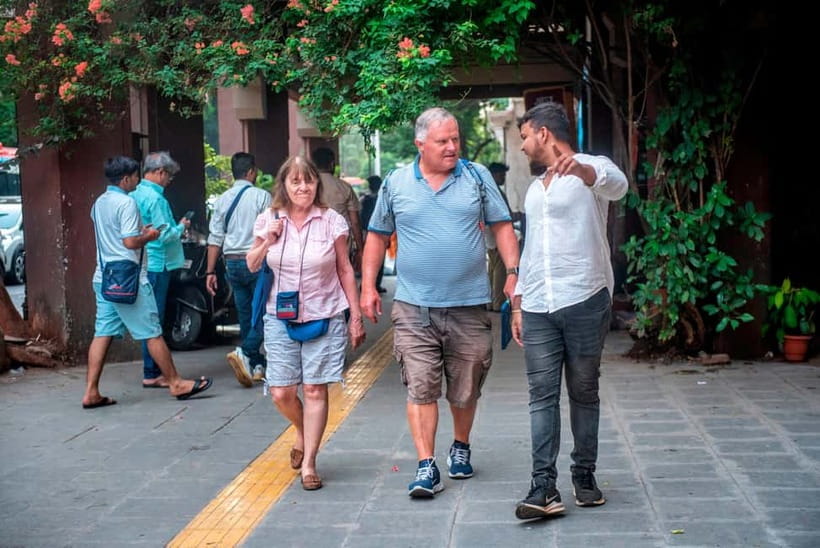
- Gothic vs Art Deco on the same route: you’ll see the contrast between Victorian facades and sleek Art Deco blocks around Oval Maidan.
- UNESCO ticket-line time-saver: you get help with entry flow at Chhatrapati Shivaji Maharaj Terminus (skip the ticket line).
- Real-world guidance: professional English-speaking guides like Sharon, Abhi, and Jawwad (Jay) are praised for clear explanations and handling questions.
- Street snacks built in: vada pav, pani puri, and more are part of the experience, not an optional detour.
- A confident city ending: the tour finishes near Churchgate Station, with a final Art Deco stop at Eros Cinema.
Gothic and Art Deco in 2.5 Hours: Why This Walk Works
If you’ve ever looked at Mumbai and thought, The architecture has too many chapters, this tour is a smart way to organize them fast. In just 2.5 hours, you get a guided comparison of two major styles that grew out of different moments in the city’s story—British-era civic and railway grandeur on one side, and the more modern Art Deco look on the other.
What makes it work is the sequencing. You start with big, recognizable anchors and end with an Art Deco flourish. Along the way, your guide connects details (like façade shapes, rooflines, and building rhythm) to why Mumbai developed these styles in the first place—colonial port city to modern metropolis.
And the price helps. At $16 per person, you’re paying for an English-speaking guide plus included snacks and bottled water. You’re not paying separately for transport or a food stop. For a short time window, that’s good value.
You can also read our reviews of more walking tours in Mumbai

Meeting at PizzaExpress in Colaba: Easy Start, Clear Direction

Most people underestimate how much stress a start location can create. Meeting at PizzaExpress in Colaba is straightforward, and it sets you up for a classic central route. It also means you’re already near some of the city’s main waterfront energy, so the tour doesn’t feel like it begins in an empty office park.
From there, you’ll head toward the Gateway of India area for an initial guided intro. If you arrive a bit early, use that time to do two things: find a shaded spot if the sun is strong, and scan the street for a landmark you can spot later (corner signs, storefront names, or that nearest landmark your guide will reference).
Gateway of India Stop: A Quick Orientation to Mumbai’s Big Story
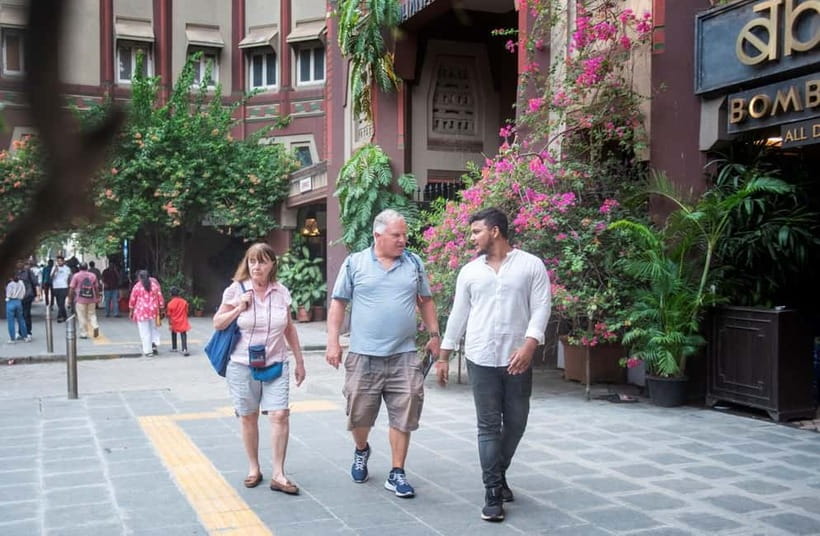
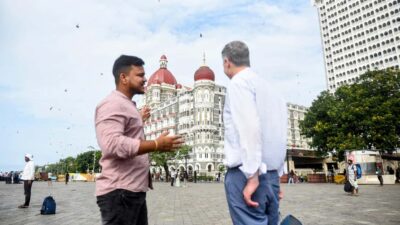
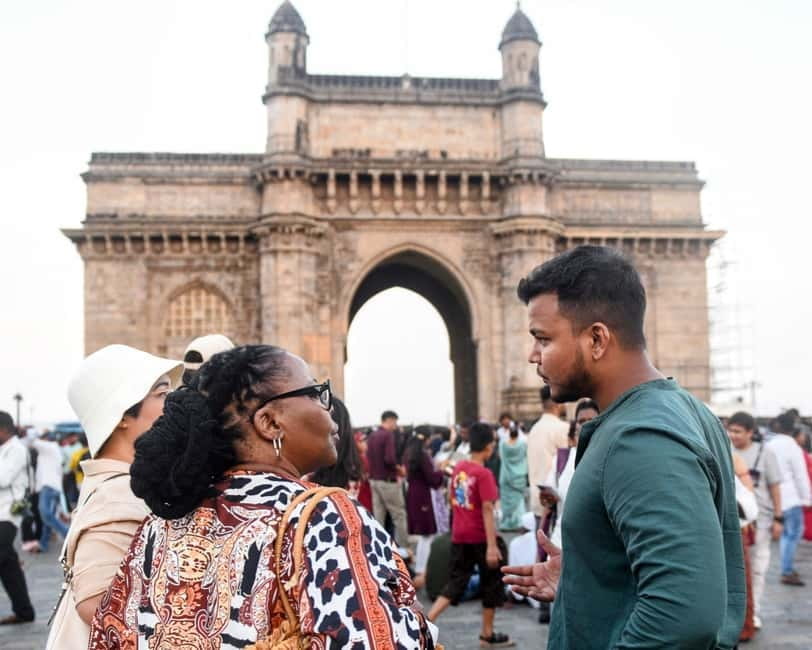
The tour includes a Gateway of India segment with a short guided introduction. Even if you’ve seen photos before, it helps to get a framework first—why this area matters, and how it ties into Mumbai’s evolution as a port and city.
This is also a good moment to get your bearings. The best guides don’t just throw dates at you; they help you notice the city’s logic—where movement funnels, where civic buildings cluster, and how the shoreline area connects to the historic core.
You’ll spend about 15 minutes here. If you love photos, take a few quickly, then shift into listening mode. The later stops have more visual payoff.
Photo Pauses Around the Historic Core: Where Gothic Detail Becomes Obvious
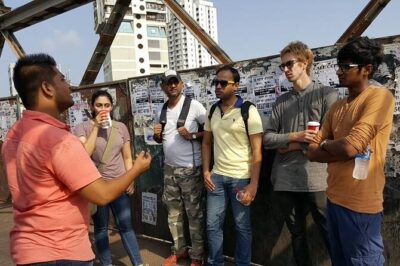
Between the big anchors, you’ll have time for a photo stop plus additional visiting/guided segments. This part is where you learn to see the architecture like a checklist.
Instead of just admiring façades, you’ll learn what to look for: the kind of vertical emphasis that feels Gothic, the way windows and edges create pattern, and how public buildings communicate authority. When your guide points out these cues, the styles stop being vague categories and start looking like real design decisions.
This is also where Rajabai Clock Tower fits in. It’s tied to Mumbai University and sits in the same zone where you’ll later compare Gothic Revival surroundings against Art Deco forms near Oval Maidan. Once the guide connects those dots, the walk feels less random and more like a guided map you can reuse later on your own.
High Court and Mumbai University: Gothic Revival Buildings You’ll Remember
Two of the main Gothic Revival highlights on the route are the High Court and Mumbai University. You’re not just seeing them from the outside and calling it a day. The guide’s job here is to make the style legible.
Gothic Revival has a particular look: more dramatic shapes, more sculptural edges, and a sense of vertical drama. When you’re standing near places like the High Court and Mumbai University, it becomes easier to understand why this style showed up in civic institutions. It projects seriousness and permanence—exactly what a governing or educational center wants to project.
If you’re the type who likes to take notes in your phone, this is your moment. Capture a few angles and later you’ll realize you got more from the tour because you documented what you learned to notice.
You can also read our reviews of more historical tours in Mumbai



Oval Maidan: The Gothic-to-Art Deco Contrast You Came For
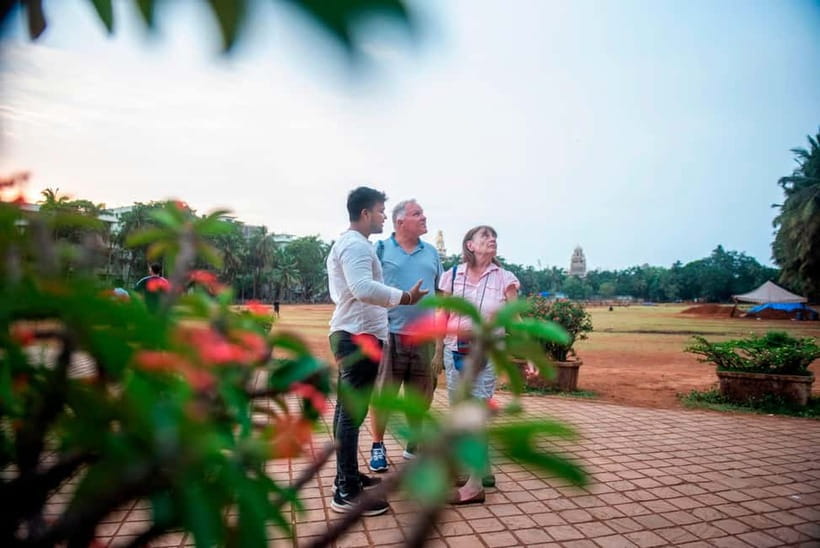
Oval Maidan is the emotional core of the tour. This is where the contrast becomes obvious: on one side, 19th-century Gothic facades; on the other, sleek Art Deco buildings.
It’s also where the tour makes a big claim that’s worth paying attention to: the area includes the world’s second-largest collection of Art Deco structures. That means you’re not looking at one random building—you’re watching a whole style cluster into a recognizable “district vibe.”
Your guide will explain the cultural significance, including how these designs reflect Mumbai’s colonial past alongside modern aspirations. Even if you’re not a history person, you’ll get it because the buildings do the teaching for you. Gothic tends to feel formal and heavy. Art Deco tends to feel streamlined and future-facing. Standing between them makes the difference feel personal, not academic.
You’ll have a shorter guided moment here (around 10 minutes plus a photo stop). If you want extra photos, plan to do it quickly and efficiently. The later stop at Eros Cinema is a perfect closer, and you’ll want time for both.
Chhatrapati Shivaji Maharaj Terminus: The UNESCO Anchor of the Route

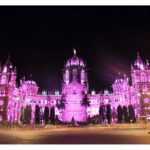
Chhatrapati Shivaji Maharaj Terminus (a UNESCO World Heritage site) is the kind of building that makes your camera work overtime. This tour gives it proper attention with a dedicated visit and about 20 minutes of guided time.
The big value here isn’t just admiring the façade from the curb. It’s learning what makes the Victorian Gothic design distinctive: the intricate styling, the details that reward a slower glance, and the way the structure signals importance as a major transport hub.
Also, you get help with entry flow through the ticket line skip. That matters because with a short tour window, delays can steal your best moments. A guide who understands timing helps you see more and stress less.
This stop is also where you’ll likely start noticing a theme you’ve been hearing all along: style choices weren’t random. They were choices about identity, power, and public life.
Street Food Tastings: Vada Pav and Pani Puri with a Guide in Charge
One of the smartest parts of the tour is how it treats food as a cultural chapter, not an afterthought. You’ll get street food tastings, including vada pav and pani puri, plus more, and you’ll have bottled water included.
This is practical travel value. Your guide reduces guesswork. Instead of wandering and hoping you pick a place that’s both tasty and reliable, you get planned tastings that fit the route’s timing.
It also breaks up the walking rhythm. When you’re focused on architecture, it’s easy to forget you’re still a human with heat, salt, and energy needs. Snacks help you reset without derailing the tour.
If you have dietary restrictions, be ready to ask questions clearly. The tour data doesn’t list allergy accommodations, so don’t assume. But for most people, this is where the experience becomes genuinely fun rather than just informative.
Eros Cinema Near the Finish: Art Deco, But Make It a Finale
The tour ends with a visit to Eros Cinema, described as an Art Deco masterpiece. That’s an excellent choice for a finale because it puts style in a cultural setting. A cinema isn’t just a building—it’s a place where people gather, watch stories, and share time. Seeing Art Deco here makes the style feel less like an exhibit and more like daily life.
After Eros Cinema, you finish near Churchgate Station. That’s convenient because it helps you continue your day without needing a complicated plan to get back across town.
If you like a clean ending, this fits. You’re not left stranded at some far-off corner. You finish close to a major rail hub and can pivot into dinner or a museum visit.
What You Get for $16: Real Value for a Short Time Window
Let’s talk money in a way that helps you decide.
For $16 per person, you get:
- A professional English-speaking guide
- Street food tastings (including vada pav and pani puri and more)
- Bottled water
- A walking route built around key architecture
- Skip the ticket line at the relevant visit
What’s not included is important too: no private transportation, and no pickup or drop-off. That means you need to show up at the meeting point and make your own way back after the tour ends near Churchgate.
In return, you get an efficient “most important stops” format. If you’re spending a limited amount of time in Mumbai, this tour saves you from piecing everything together yourself. And because the guide actively interprets the building styles, you’ll likely leave with a clearer mental map of what you saw—even if you’re not an architecture specialist.
Guides Matter: Sharon, Abhi, and Jawwad (Jay) as the Human Advantage
This type of tour lives or dies by the guide. The good news is that multiple guides have been praised for being both informed and responsive.
Sharon, for example, is highlighted for being excellent at answering questions not just about the specific stops but about the city overall. Abhi is also described as a great guide. Jawwad, including a note about Jay, comes up repeatedly as knowledgeable and friendly, with guides who take time for special requests—like pausing for rest, buying things, or seeing specific details.
That matters because you’re walking through a dense part of the city. Without a guide, you might see buildings. With a guide, you start understanding why those buildings look the way they do and how the city evolved.
Best For Who, and When to Think Twice
This tour is a strong fit if:
- You want a quick, structured introduction to Mumbai’s major architectural themes
- You like photography but also want context for what you’re shooting
- You’re excited by street food and want it included
- You prefer a walking format with a guide who can answer questions in English
Think twice if:
- You know you struggle with warm weather during late morning or around noon
- You hate walking and prefer a sit-down, slower pace
- You want a full day deep study of architecture (this is compact by design)
A practical note from the experience: it can get warm toward noon. So plan sunscreen, water habits, and comfortable shoes. You’ll be happier, and the tour will feel like a win instead of a chore.
Should You Book This Victorian Gothic and Art Deco Walking Tour?
Book it if you want the easiest way to see Mumbai’s big architectural contrast—Victorian Gothic to Art Deco—in one guided 2.5-hour circuit, with food breaks that make the walk feel real.
Skip it or choose another option if you’re looking for a relaxed, low-walking activity, or if you’re expecting ticket-style museum depth at every stop. This tour is about perspective and momentum: you’re getting the map of the city’s style story, not a slow-motion lecture.
If you like learning while walking and you’re happy to trade some independence for a guide who points out what matters, this is a solid pick—especially at $16 with the food and bottled water included.
FAQ
How long is the Victorian Gothic Heritage Quarter and Art Deco walking tour?
The tour lasts about 2.5 hours.
How much does the tour cost?
It costs $16 per person.
Where do I meet the guide?
You meet your guide at PizzaExpress in Colaba.
What’s included in the price?
The tour includes a professional English-speaking guide, street food tastings (including vada pav and pani puri and more), and bottled water.
What language is the tour guide?
The tour is guided in English.
Does the tour include pickup or private transportation?
No. Private transportation and pickup/drop-off are not included.
Can I cancel or pay later?
Yes. You can reserve now and pay later, and you can cancel up to 24 hours in advance for a full refund.