REVIEW · MUMBAI
Private Elephanta Caves: Private Half-Day Tour from Mumbai
Book on GetYourGuide →Operated by Mystical Mumbai · Bookable on GetYourGuide
Three faces of Shiva, one easy day trip. This private half-day tour links Mumbai’s harbor views with carved stone worship from the 5th–7th centuries, explained by an expert local guide. I like the focus on the Shiva Cave (including the towering 20-foot Trimurti) and the way your guide turns scary stairs and confusing symbols into clear stories.
One thing to plan around: the caves have a Monday closure, and bad weather/high tides can also disrupt ferry service.
In This Review
- Key highlights worth your time
- Why Elephanta Caves still feel like a story you can read
- Getting there from Mumbai: pickup, ferry, and the bay views
- The island transfers: tram time and the walk to the caves
- Shiva Cave: the 20-foot Trimurti and why it’s the star
- Side shrines and the Hindu-Buddhist layer you’ll actually notice
- The flow on the island: breaks, photos, and a small temple stop
- Price: does $82 buy real value or just convenience?
- What to wear and bring so the day stays stress-free
- Who this tour is for (and who should think twice)
- Should you book this private Elephanta Caves tour?
- FAQ
- FAQ
- How long is the private Elephanta Caves half-day tour?
- What is the ferry time from Mumbai to Elephanta Island?
- Do you visit the caves with a guide?
- What parts of the route include tram or train tickets?
- What is included in the price?
- Are the Elephanta Caves open every day?
- Are there any rules for clothing or photography?
Key highlights worth your time

- Private guide for cave history and symbols, with time for your questions
- Shiva Cave main showpiece, including the 20-foot-tall three-headed Trimurti
- Ferry time with big Mumbai views, including the Gateway to India and Taj Palace area
- Tram/mini-train + short transfers, so you spend more time looking at carvings
- Photo stops and a guided island walk, plus a chance to visit a small temple
- Clear rules that keep the visit smooth, like no sleeveless shirts and no on-island videography
Why Elephanta Caves still feel like a story you can read
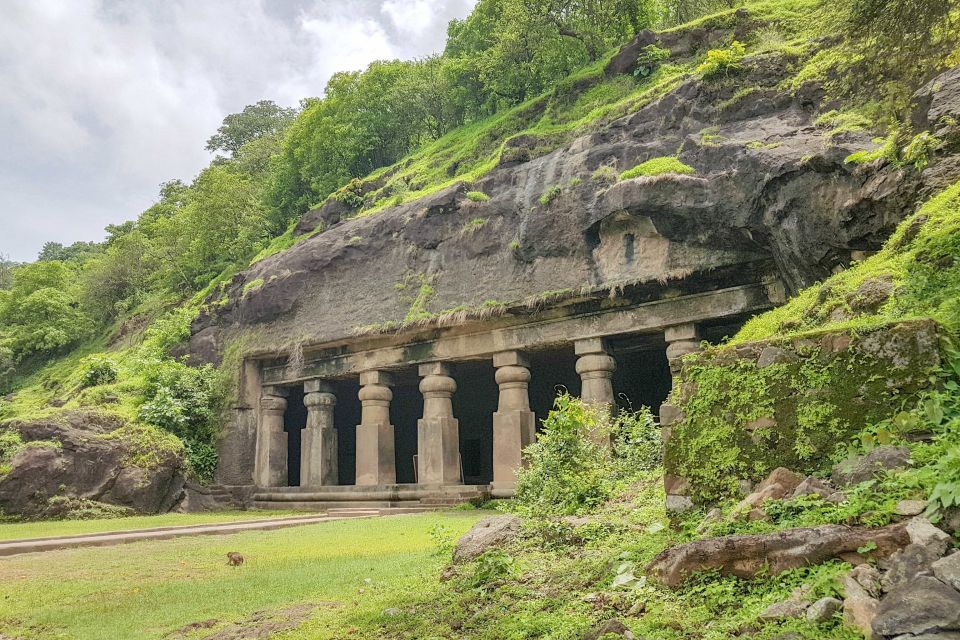
Elephanta Island sits just offshore from Mumbai, but the caves feel like a different planet. You’re walking through man-made cave temples cut into basaltic rock, used for Hindu and Buddhist worship starting around the 5th to 7th century. Even if you only know a few names, the place works because the carvings are organized like chapters.
The real win is your guide’s commentary. When someone can explain why Shiva appears in different forms, and what specific scenes mean (like Shiva’s wedding or his slaying of Andhaka), you stop treating the statues like decoration. They become a visual map of beliefs and power.
This is a private format, so it’s not just about seeing the main cave. You get personal attention while you move through columns, arches, and shrines at a pace that fits you.
You can also read our reviews of more private tours in Mumbai



Getting there from Mumbai: pickup, ferry, and the bay views
Your day starts with hotel pickup in Mumbai city limits. The schedule is built around a ferry crossing—about 50 minutes out to Elephanta Island and roughly 1 hour back. This matters because the ride is part of the experience, not just transportation.
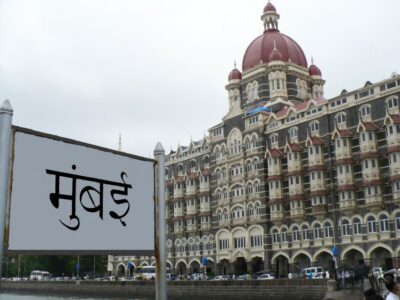
From the water, you typically get strong views of Mumbai’s shoreline landmarks, including the Gateway to India area and the iconic Taj Palace Hotel. If you like travel photos, this is one of the few moments where you can shoot the city without crowds pressing in from every side.
You’ll also get some built-in help with transitions. After the ferry, you take a tram/mini-train (about 10 minutes) to reach the stairs area. That simple step keeps your energy for the caves, where the walking is the main task.
One small practical note: you’ll be moving on and off transport a few times, so wear shoes you can stand and walk in comfortably.
The island transfers: tram time and the walk to the caves
Elephanta is not designed for a lazy stroll around flat ground. Once you land, the route to the caves involves some uphill movement and stairs. That’s why the tram/mini-train transfer is a big deal in a half-day plan.
The flow looks like this: ferry to the island, then a short tram ride to the stairs area. Your guide handles the order of things so you’re not guessing where to go next or worrying about which ticket desk you need.
If you have mobility concerns, the tour is listed as wheelchair accessible, and wheelchair hire is available on-site for an extra charge paid at the counter. If you’re not using a wheelchair, you may still notice alternative help systems for steep steps in peak times, so don’t be shy about asking your guide what applies to your route.
Also remember a rule that affects comfort: no sleeveless shirts. It’s easy to fix before you go, and it prevents the annoying moment of being turned away.
Shiva Cave: the 20-foot Trimurti and why it’s the star
The heart of the tour is the caves’ main temple, often called the Shiva Cave. You’ll spend about 2 hours in the cave complex, including guided time plus brief breaks and photo opportunities.
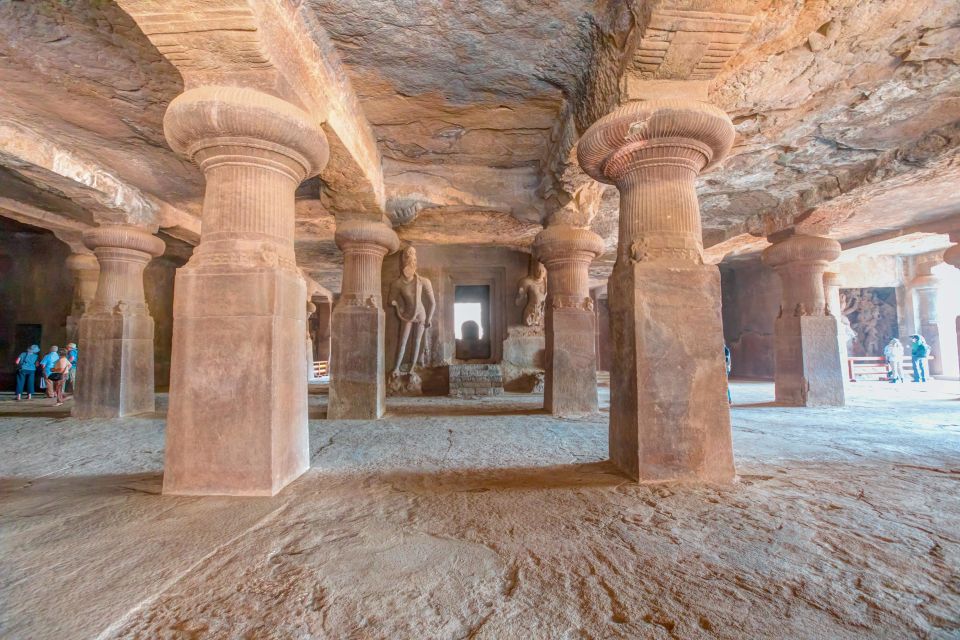
The main reason people remember Elephanta is the scale and detail of the carvings. You’ll move through vast columns and arched colonnades, and then into the carved sacred spaces. The guide’s job is to help you see patterns fast.
Here are the highlights you should pay attention to:
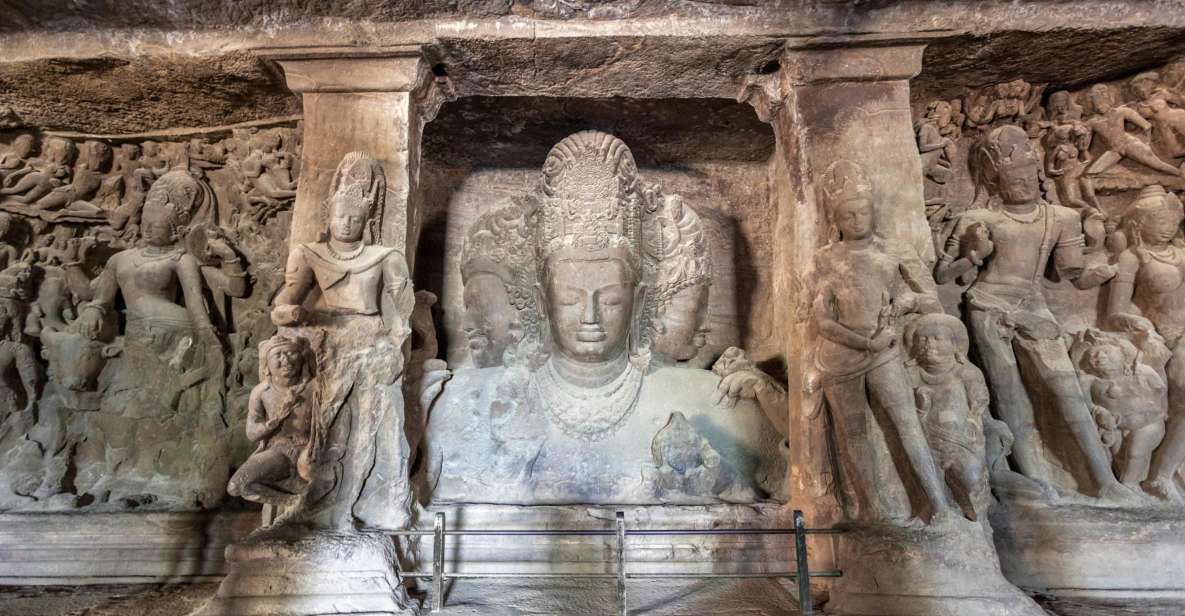
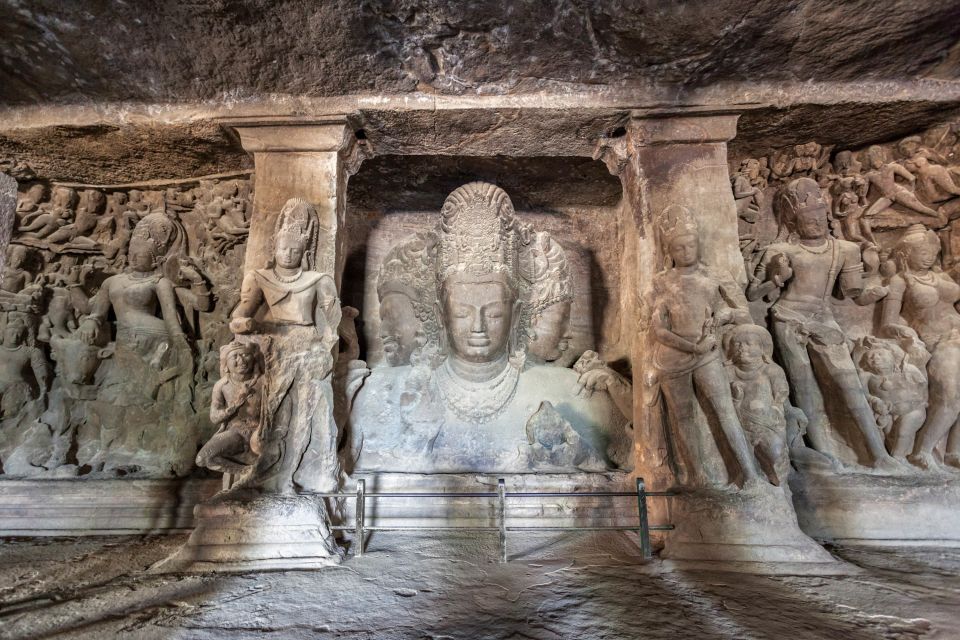
- The Trimurti (three-headed Shiva): a 20-foot-tall sculpture that basically tells you this isn’t a casual set of rock art.
- Scenes from Shiva’s life and power: the carvings include events like his wedding and his slaying of Andhaka, which help you connect myth to form.
- Deity “family” shrines: beyond the main Shiva focus, you’ll also see related shrines dedicated to Shiva’s sons—Kartikeya and Ganesh—with equally striking carved statues.
A good guide also points out where your eye should go first. Without that, it’s easy to get lost in the sheer number of figures. With it, you start reading the cave like a guided gallery, not like a maze.
Side shrines and the Hindu-Buddhist layer you’ll actually notice
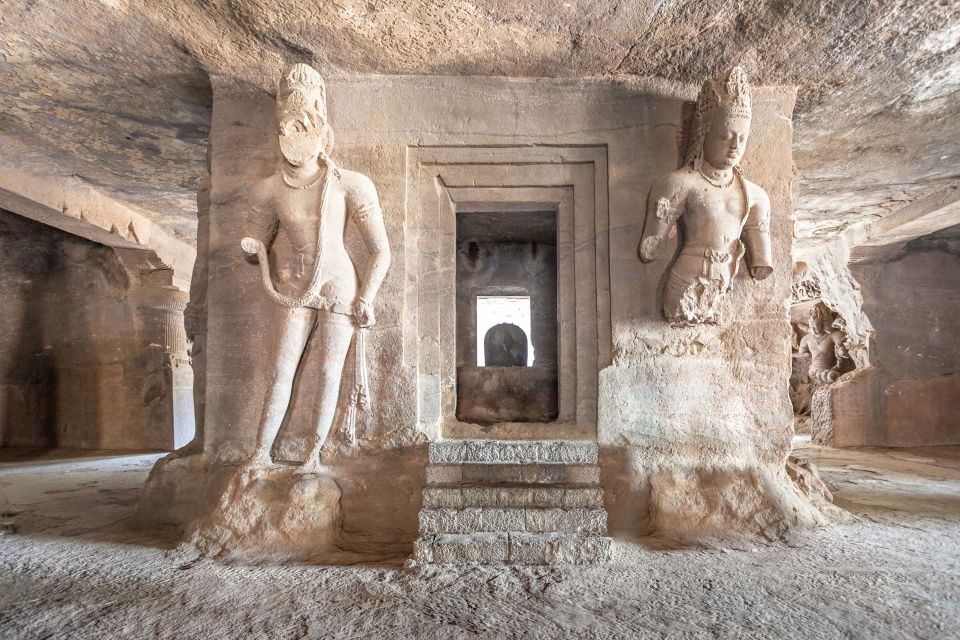
Elephanta’s caves are often described through Hindu mythology, but the site also has Hindu and Buddhist practice layers dating back to that early worship period (starting in the 5th–7th century). The carvings aren’t just random decorations—they reflect how devotion was expressed through form, posture, and narrative scenes.
On this tour, your guide connects the dots while you walk between shrines. You’ll hear explanations about Hindu gods and culture, and you’ll also get context for Buddhist influence so the site doesn’t feel like one religion presented in a vacuum.
What I like here is the practical payoff. Once you understand how Shiva is represented (and how related deities fit the story), other figures start making sense. Ganesh stops being just a familiar name from home and becomes a character with a specific place in this cave world.
You should expect a focus on interpretation: what the carvings mean, and how the caves functioned as sacred spaces.
You can also read our reviews of more tours and experiences in Mumbai




The flow on the island: breaks, photos, and a small temple stop
The island visit isn’t only walking inside rock. You’ll also get breaks and time outdoors. That matters on a half-day because the caves can feel like a slow grind if you’re rushed, and a little breathing space keeps you engaged.
Expect a mix of:
- Photo stop moments with the guide assisting with perspectives
- Shopping time at a small market area (souvenirs exist, but you’ll need to decide what’s worth your money)
- Sightseeing on the island, including a chance to see a small temple
A useful detail from past guide service: you’re not left scrambling for basics. In some cases, guides and drivers help coordinate entrance-related needs and time for bathroom access so the tour stays on schedule. It’s still worth carrying water yourself since meals are not included.
One strict rule to plan around: videography is not permitted on the island. Photos for yourself are fine, but leave the camera setup that films and records constantly back in your bag.
Price: does $82 buy real value or just convenience?
At about $82 per person for a 5.5-hour private half-day, this price is easiest to judge by what’s included. You’re not only paying for a guide’s voice—you’re paying for the structure that removes friction.
What you get included:
- Hotel pickup and drop-off
- Tour guide
- Entrance tickets
- Ferry tickets
- Train/tram tickets
Meals and drinks are not included, and souvenirs cost extra. That’s normal for this kind of trip.
So what’s the actual value? For many people, Elephanta is hard to organize correctly without local help because of transfers, timing, and the cave layout. Paying for a private guide reduces decision fatigue. You don’t spend the day figuring out how to match ferry times to cave entry, then losing time inside the caves.
If you’re a solo traveler, this can also be a better deal than going DIY and paying for everything separately plus your time.
What to wear and bring so the day stays stress-free
This tour has a few rules that shape your comfort level.
Bring:
- Passport or ID card
- Comfortable shoes (you’ll do walking and stairs)
Wear:
- No sleeveless shirts (this is specifically called out as required for entry)
On-site:
- You can use wheelchair hire if needed, but it’s an extra charge paid directly at the counter.
One more item that helps: plan for weather. The description notes that high tides and high rainfall can affect ferry operations. That can mean cancellation or rescheduling, so keep an eye on communication from the operator close to departure day.
Who this tour is for (and who should think twice)
This private Elephanta tour fits best if you want:
- A guided visit focused on meaning, not just photo spots
- A half-day plan that doesn’t swallow your entire vacation
- Clear help with transport from Mumbai and through the cave complex
- Time to ask questions and take better photos (with guides known to help with photography and pacing)
It may be less ideal if you already feel comfortable navigating independently and you’re trying to squeeze the lowest possible cost. The basic experience is doable on your own, but the private format is what makes the visit efficient and explanatory.
Should you book this private Elephanta Caves tour?
If Elephanta is on your Mumbai list and you don’t want to spend time guessing or rushing, I think this is a strong booking. The biggest reason: you’re paying for interpretation—the kind that turns carved stone into a story you can follow.
Book it if you care about:
- the Trimurti and Shiva Cave details
- understanding Hindu symbolism in a real place
- having a guide manage the day flow so you can focus on the caves
Skip it only if you’re chasing the cheapest option and you’re fine building your own schedule around ferry timing and cave entry rules.
FAQ
FAQ
How long is the private Elephanta Caves half-day tour?
The tour lasts about 5.5 hours.
What is the ferry time from Mumbai to Elephanta Island?
The ferry ride is about 50 minutes from Mumbai to Elephanta Island, and about 1 hour on the return trip.
Do you visit the caves with a guide?
Yes. The tour includes a live English, German, or Spanish-speaking tour guide.
What parts of the route include tram or train tickets?
After the ferry ride, you take a tram/transfer for about 10 minutes to reach the cave area, and you take another tram/transfer for about 10 minutes on the way back.
What is included in the price?
Included are the tour guide, hotel pickup and drop-off, entrance tickets, ferry tickets, and train/tram tickets.
Are the Elephanta Caves open every day?
No. The caves are closed to visitors every Monday.
Are there any rules for clothing or photography?
Sleeveless shirts are not allowed. Videography is not permitted on the island.