Temple hopping in Mumbai, minus the stress. This private full-day route pairs you with a local guide and a car with hotel pickup, so you spend the day looking up at temples instead of wrestling directions. I love the built-in rhythm of stops plus the Arabian Sea viewpoints that make the photos look like more than a quick visit.
You’ll get two big wins: five temples in one day and a guide who connects Hindu gods, symbols, and architecture as you go. I especially like how the stops are spaced so you can actually take in details at each site, from ornate doors to gold-roofed shrines.
One thing to plan for: the temple dress code is strict, and you’ll need to remove footwear outside before entering. Also, lunch is on your own, and traffic can stretch the “approx.” timing.
Key things you’ll care about
- Private, air-conditioned transport with hotel/airport/cruise port pickup and drop-off
- Five temples across different traditions and styles, from ancient Shiva worship to ISKCON in Juhu
- Free admission tickets at every stop, plus bottled water included
- Photo-friendly viewpoints, especially the sea-and-city perspective from Babulnath Temple
- Clear temple rules: dress code and footwear removal are real parts of the experience
In This Review
- Why This Private Temple Route Works in One Long Day
- Babulnath Temple: Shiva on a Hill with Arabian Sea Photos
- Mahalakshmi Temple: Adi Shakti and the Story Behind the Deity
- Shree Siddhivinayak: Ganesh Details You’ll Actually Notice
- Lunch Break: One Smart Reset Before the Afternoon Temples
- Mumba Devi Temple: Why This Place Is Tied to the Name Mumbai
- ISKCON Temple Juhu: Krishna Devotion in a 1970s Setting
- Timing, Transport, and the Small Things That Make It Feel Easy
- Price and Value: What $116 Buys You (and What It Doesn’t)
- Who This Tour Fits Best—and Who Might Not Love It
- Should You Book This Mumbai Temple Tour?
- FAQ
- What time does the tour start?
- How long is the Mumbai temple tour?
- Which temples are included in the full-day route?
- Are admission tickets included?
- What’s the dress code and footwear rule?
- What’s included in the price, and is lunch covered?
Why This Private Temple Route Works in One Long Day
Mumbai temples can be a lot to sort out on your own. This tour is built for speed with meaning: you’re not just checking boxes, you’re moving between sites with a guide who explains who you’re looking at and what the temple details usually represent.
The private format matters. You get a dedicated vehicle, a professional local guide, and a plan that runs about 7 to 8 hours (timing can shift with traffic). That makes the day feel lighter, especially if you’re starting from a hotel, the airport, or a cruise port. You also get bottled water, which sounds small until you’re out in Mumbai heat and walking in and out of temple spaces.
The other smart part is the variety. The route includes Shiva (Babulnath), the goddess Adi Shakti (at Mahalakshmi), Ganesh (Siddhivinayak), Mumbadevi (Mumba Devi), and Krishna devotion via ISKCON. You come away seeing how one city can hold different ways of worship—sometimes in very different-looking buildings.
Babulnath Temple: Shiva on a Hill with Arabian Sea Photos
Your day starts with pickup and a ride to Balbulnath (Babulnath) Temple, Mumbai’s oldest Shiva temple, set on a small hillock. The big payoff here is the setting. From this vantage point, you can look over the Arabian Sea and Mumbai—and the temple location turns ordinary travel photos into something more atmospheric.
This stop is also where you get your first layer of context for the whole day. Shiva worship isn’t just a name on a sign; the guide’s explanations help you understand what you’re looking for when you see shrine layouts, devotional imagery, and the way people move through the temple areas.
Practical note: this temple visit is about an hour. That’s usually enough time to walk around, take photos, and get your questions answered without feeling rushed. If you care about pictures, this is also a good time to bring your phone/camera and make sure your settings are ready before you start stepping into busy areas.
You can also read our reviews of more private tours in Mumbai

Mahalakshmi Temple: Adi Shakti and the Story Behind the Deity
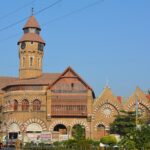
Next comes Mahalakshmi Temple, known for its connection to Adi Shakti, described in the tour as appearing in three incarnations. You’ll also hear the temple’s origin story: it was built in 1831 by Dhakji Dadaji, a Hindu merchant.
This stop is shorter—around 30 minutes—so your best strategy is to treat it like a focused briefing. If you’re paying attention, the guide can help you see how the temple’s dedication shows up in the worship practices you observe. If you’re only half-paying attention, 30 minutes can feel quick. But with a guide guiding your eye, it can feel just right.
I like this part of the itinerary because it shifts the mood. Babulnath’s hill-and-sea views set the stage. Mahalakshmi brings you into a more devotional, detail-oriented visit—still very photogenic, just less “wow-from-a-distance” and more “look closely at what matters to devotees.”
Shree Siddhivinayak: Ganesh Details You’ll Actually Notice
Then you head to the big-name stop: Shree Siddhivinayak Temple, dedicated to Lord Shri Ganesh. It’s described as one of Mumbai’s richest temples and dating back to the 18th century. If you want a temple where craftsmanship is easy to spot, this is it.
You’ll be guided through what to look for, including carved wooden doors, a towering gold roof, the Ganesha shrine, and a central statue of Lord Ganesh. Those are exactly the kinds of details that can disappear if you arrive on your own with just a photo list. A guide helps you slow down just enough to notice the small things that make the architecture feel alive.
This is the longest middle stop (about one hour). That timing is useful because Ganesh shrines tend to be visually busy and emotionally intense. You’ll want a little time to stand back, watch the flow, and take a photo when you can get a clean angle—without pushing.
Lunch Break: One Smart Reset Before the Afternoon Temples
Between the third and fourth temples, you’ll have time for lunch at a local restaurant, but meals aren’t included (you pay your own way).
Here’s how I’d use the break: treat lunch as a reset, not a rushed fuel stop. You’re on a full-day schedule, and afternoon temples are close together. If you can, eat something that’s quick and filling so you don’t lose focus during the next two visits.
Also remember: temple visits often involve standing, slow walking, and sometimes waiting. Taking a moment to hydrate before you return to religious sites makes the rest of the day feel smoother.
Mumba Devi Temple: Why This Place Is Tied to the Name Mumbai
After lunch, the route turns toward Mumba Devi Temple, dedicated to Goddess Mumbadevi. The connection here is the city itself: Mumbai is said to be named after the goddess Mumbadevi.
This stop is around 30 minutes, and it’s a great one for people who enjoy cultural context. You’ll get the story behind the dedication, and the guide’s explanations can help you understand why a temple like this matters beyond the walls. If you’ve been thinking of Mumbai as only a modern city, this is the moment where the city’s identity starts feeling older and more personal.
Because the stop is shorter, don’t plan to overpack it with photos at every angle. Instead, pick a couple of viewpoints, get one solid wide shot, then use the rest of the time to follow what the guide tells you to look for inside the main areas.
You can also read our reviews of more tours and experiences in Mumbai



ISKCON Temple Juhu: Krishna Devotion in a 1970s Setting
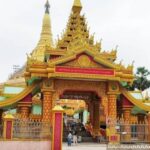
The final temple stop is ISKCON Temple in Juhu. This is part of the Hare Krishna movement, and the tour notes it was built in the 1970s under the guidance of Swami Prabhupada, founder of ISKCON.
This end-of-day choice is smart because it changes the visual and spiritual tone. Earlier temples connect to older structures and older traditions, while ISKCON’s setting and devotional style reflect a different era. It makes the whole day feel like more than a “religion tour.” It becomes a map of how faith takes different forms across time in the same city.
You’ll spend about one hour here. That’s enough to see how people practice devotion on-site and to take photos without feeling like you’re only there for ten minutes. If your energy is running low by this point, focus on a few key areas the guide points out, then let the rest of your attention rest—this is a long day.
Timing, Transport, and the Small Things That Make It Feel Easy
Your tour starts around 9:30 am. You’ll ride in a private air-conditioned vehicle and finish with drop-off at your hotel in the late afternoon. The duration of travel segments is approximate, and traffic can change things.
This is the part I think you’ll feel most: Mumbai traffic can be unpredictable. The good news is your day is built with a plan. You won’t be stuck wandering; you’ll be moving from stop to stop with the guide keeping the schedule anchored.
Two “don’t skip this” practical notes:
- Dress code: clothing must cover the shoulders, chest, navel, and upper arms, and pants/skirts must be below knee-length.
- Footwear rules: you’ll remove footwear outside the temple. Socks are allowed, which is handy if you forget and still want to stay comfortable.
If you like photos, I suggest you wear comfortable shoes and carry socks in your day bag. It’s much easier than scrambling when you’re standing outside and need to be quick and respectful.
Price and Value: What $116 Buys You (and What It Doesn’t)
At $116 per person for a private full-day tour, what you’re buying isn’t just temple visits. You’re buying convenience and interpretation.
You get:
- Private pickup and drop-off (hotel/airport/cruise port)
- A private air-conditioned vehicle
- A professional local guide
- Bottled water
- Free admission tickets at each temple
Not included:
- Meals (lunch is your own expense)
So is it worth it? For me, the value hinges on how much you want to avoid logistics. If you’ve got limited time in Mumbai and you want meaningful context at each stop, a private guide and car can be a real bargain compared to trying to piece together routes, waiting, and translations. If you enjoy planning and you don’t mind arranging your own transport, you could do temples independently—just expect more effort and less “why am I seeing this?” explanation.
One more angle: the tour uses a mobile ticket, and it operates as a private experience with only your group. That reduces friction once you’re at the start point.
Who This Tour Fits Best—and Who Might Not Love It
This is a great match if:
- You want a structured, private day with temple stops you can understand
- You care about photo angles and visible architecture details
- You want a guide to connect the gods and symbols you see in each place
- You’re traveling in a group or want the comfort of private transport
If you don’t like rules, this might feel tougher. The dress code and shoe removal are non-negotiable parts of the experience. Also, since lunch is extra, you’ll need to plan your own meal break.
One comfort note I appreciated: solo travelers—especially solo women—often have extra anxiety in unfamiliar places. The tour’s service style includes being mindful about comfort, and there’s at least one account of a solo woman being paired with a young woman guide and receiving extra care.
Should You Book This Mumbai Temple Tour?
I’d book it if you want a single day in Mumbai that teaches you something real—without turning the day into a stressful puzzle. The route makes sense: you start with Shiva at Babulnath, move through Mahalakshmi, hit the big Ganesh stop at Siddhivinayak, then finish with Mumbadevi and ISKCON. That mix gives you variety in both architecture and worship styles.
You should think twice if:
- you’re not willing to follow the dress code and footwear rules
- you hate schedules and traffic unpredictability (your day is still private, but timing is approximate)
- you expect meals to be included
If you’re flexible, respectful, and ready for a full day of temples, this is a strong way to experience Mumbai beyond the beach and the skyline.
FAQ
What time does the tour start?
The start time is 9:30 am.
How long is the Mumbai temple tour?
It runs about 7 to 8 hours (transfer times are approximate and depend on traffic).
Which temples are included in the full-day route?
You’ll visit Balbulnath Temple, Mahalakshmi Temple, Shree Siddhivinayak Temple, Mumba Devi Temple, and ISKCON Temple.
Are admission tickets included?
Yes. Admission tickets are free at the stops listed for the tour.
What’s the dress code and footwear rule?
You must dress with clothing that covers the shoulders, chest, navel, and upper arms, and wear pants/skirts below knee-length. Footwear must be removed outside the temple (socks may be worn).
What’s included in the price, and is lunch covered?
Included are hotel/airport/cruise port pickup and drop-off, private air-conditioned transport, a professional local guide, and bottled water. Meals and food/drinks are not included, so lunch is at your own expense.