REVIEW · MUMBAI
Group Tour of Dharavi Slum walk with local Guide
Book on Viator →Operated by Mumbai Dream Tours · Bookable on Viator
Dharavi teaches fast. This 2-hour walk in Mumbai pairs industry with everyday life, so you don’t just see housing blocks or workshops in isolation—you see how people build a living and keep moving forward. You’ll visit a string of places tied to work, community services, and local commerce, including a stop connected to Slumdog Millionaire.
I especially like the fact that the tour is led by someone who understands Dharavi from the inside. In the past, guides such as Bharti, Abhishek, and Mahesh were praised because they live in the area and answer questions openly, without turning it into a lecture. I also like the practical basics being covered—bottled water and an English-speaking guide, with the ticket included—so you’re not scrambling mid-walk.
One thing to consider: the tour includes water, but it does not include coffee/tea or any food. If you’re doing it later in the day, you’ll want to plan a snack or meal before or after, because two hours in tight lanes can add up quickly.
In This Review
- Quick hits
- Why this 2-hour Dharavi walk feels more honest than a quick stop
- Price and what you truly get for $12.26
- Meeting at Third Wave Coffee, then walking out near Sion Hospital
- The full route: what you’ll see, and why each stop matters
- Slumdog Millionaire filming location: pop culture as a gateway
- Leather industries: work that runs close to home
- Pottery and soap making: small crafts with real purpose
- Bakery and colour dye: the senses you notice first
- Small alley and houses in the slum: scale changes fast
- Schools and hospitals: services sit inside the same map
- Plastic recycling and recycling of veg oil: the circular economy in action
- Muslim people making a shrine for Hindus: faith and shared space
- Slum market: the place where money and needs meet
- What makes the guide experience central (and why names like Bharti, Abhishek, and Mahesh come up)
- Practical tips so your two hours feel smooth
- Who this tour is best for
- Should you book this Dharavi Slum walk?
- FAQ
- How long is the Dharavi slum walk?
- What does the tour cost?
- What’s included in the price?
- Where does the tour start and end?
- How many people are in the group?
- Do I need an advance booking?
- Is a mobile ticket used?
- Can I cancel for a refund?
- Is the tour suitable for most people?
Quick hits
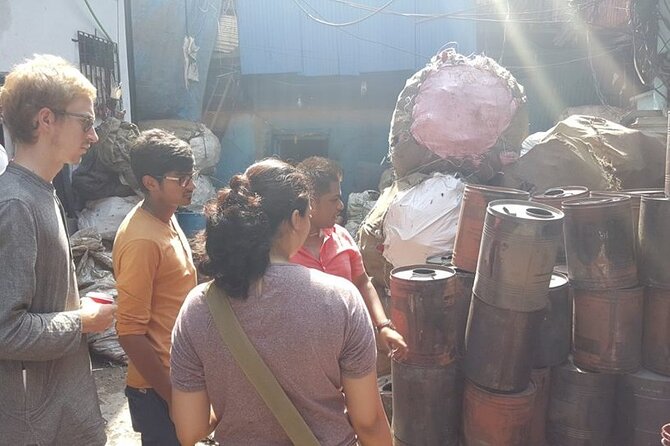
- A local guide who lives in Dharavi helps the walk feel real, not staged
- Work zones and home zones in the same route, so you see the full rhythm
- A mix of crafts and trades, from leather work to pottery and soap making
- Recycling stops (plastic and used veg oil) that connect daily life to larger systems
- Community stops like schools, hospitals, and a slum market for context beyond factories
- Smart logistics for the time: ~2 hours, max 15 people, mobile ticket
Why this 2-hour Dharavi walk feels more honest than a quick stop
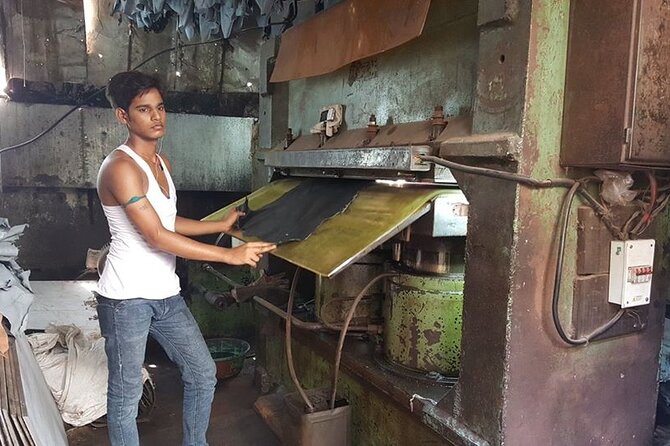
A lot of tours in big cities give you a slice. This one tries to give you the whole idea of Dharavi in a short time: people work, people live, and the community services sit right alongside production and repair. The route includes both industry areas and residential streets, plus community buildings like schools and hospitals.
What makes it work is the framing. When your guide has lived here and can answer questions in plain language, the details don’t feel like trivia. They feel like part of how the place functions. The route also keeps moving, with frequent “here’s what this is” explanations, including a stop tied to a famous film location—helpful if you’ve seen Slumdog Millionaire and want to understand what people remember versus what’s actually on the ground.
You can also read our reviews of more walking tours in Mumbai


Price and what you truly get for $12.26
At about $12.26 per person, this tour sits in the budget-friendly zone. The value comes from the ingredients being included, not from cutting corners. You get a 2-hour guided walk, an English-speaking guide, bottled water, and an admission ticket.
That matters because Dharavi is not designed for tourists. A paid guide can help you navigate the flow without turning the experience into awkward guesswork. And since the walk is only around two hours, you’re getting a guided experience without needing a half-day commitment.
The main things you’ll need to cover yourself are simple: coffee/tea and food are not included, and tips are not included either. If you keep that in mind, the economics make sense. You’re essentially paying for local interpretation and a guided route through busy areas.
Meeting at Third Wave Coffee, then walking out near Sion Hospital
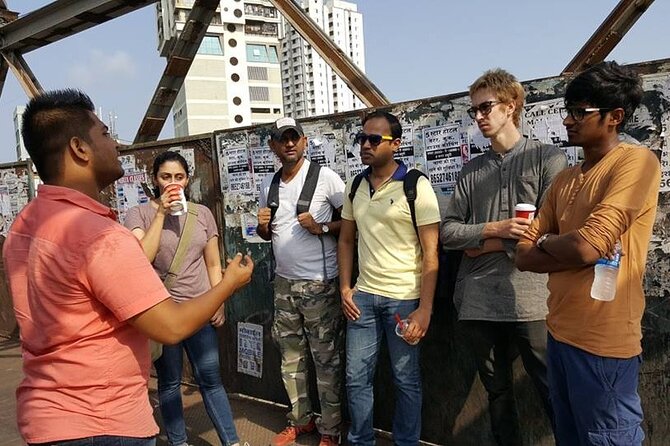
The start point is Third Wave Coffee on Tip Road in Mahim (Unit no. 58, Ground, Ram Mahal, Senapati Bapat Marg, Marinagar Colony). It’s an easy landmark to find because it’s a known café-style location.
The end point is Sai Multispeciality Hospital & Research Centre on 90 Feet Rd in Dharavi, behind Sion Hospital. From there, the tour info notes you can get an Uber or local taxi fairly easily.
This end-point setup is useful if you’re staying somewhere along the western side of Mumbai and you want to move on afterward. Just plan for one small reality: you’ll be finishing near a hospital area, so give yourself a little extra time to get transportation, especially if traffic is heavy.
The full route: what you’ll see, and why each stop matters
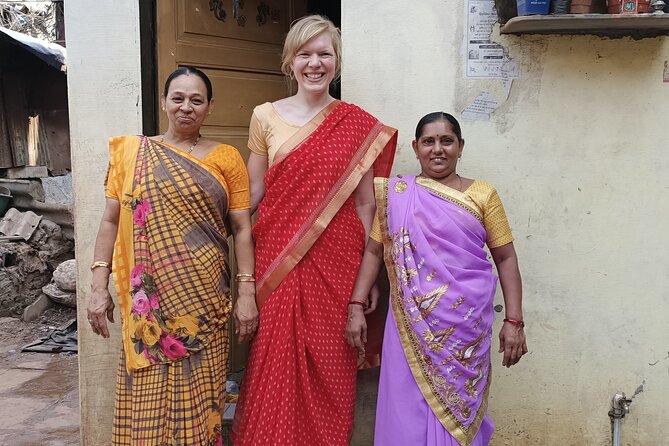
The walk follows a sequence of sites that cover crafts, community life, and local systems. It’s not one long “industry only” stroll. It’s closer to a guided tour of how work and home overlap.
Slumdog Millionaire filming location: pop culture as a gateway
The itinerary begins with the place where Slumdog Millionaire was shot. If you recognize the site, it gives you a starting frame—film makes people curious, and curiosity is a good doorway for respectful learning.
Just remember: a film location is a snapshot. A local guide can help you connect what a camera captured to what people experience day-to-day. Even if you’re not a film buff, this stop works as a reset. It tells you that outsiders have looked at Dharavi for years, but you’re here to see the place as lived.
You can also read our reviews of more guided tours in Mumbai




Leather industries: work that runs close to home
Next up is leather industries. In practical terms, you’ll be walking through areas tied to manufacturing and making. Leather work can include cutting, finishing, and turning materials into goods, but the key point for you is context: this is local production, not a showroom.
I like stops like this because they answer the question most visitors have: where do the products come from, and who’s doing the work. If you ask your guide questions, you’ll usually get clear answers about roles, routines, and what it takes to keep operations running.
Pottery and soap making: small crafts with real purpose
After leather, the route moves through pottery and making of soap. These are different kinds of work, and the itinerary is smart to show that Dharavi is not only one type of trade.
Pottery connects you to a long human tradition: shaping materials into usable forms. Soap making adds another angle: cleanliness and hygiene are part of daily survival, but they also link directly to local production. Seeing these side-by-side with industrial work helps you understand Dharavi as a working ecosystem, not a single stereotype.
Bakery and colour dye: the senses you notice first
You also pass bakery and a colour dye area. These are the stops where your senses start doing the talking. You’ll notice how light, smell, and movement fit into production.
The dye stop in particular highlights something visitors often miss: color is not just decoration. In many trades, dyeing is tied to materials and finished goods. A guide’s explanations can make those links click—especially when you’ve been expecting only “workshops” and suddenly you’re seeing a chain of steps.
Small alley and houses in the slum: scale changes fast
Then you hit small alley lanes and houses in the slum. This is the moment where Dharavi stops feeling like “an attraction” and starts feeling like a neighborhood.
The narrow passageways and close living conditions can be mentally tough for some people, so go in with patience. If you keep your pace calm and your questions respectful, you’ll likely come away with a more honest understanding of daily life: where people move, where they rest, and how community spaces fit into constrained areas.
Schools and hospitals: services sit inside the same map
The itinerary includes schools & hospitals. That’s important because it pushes back against the idea that this is only industry and housing.
You’ll see community services that support everyday needs, not just workplaces. For me, this is one of the most useful parts of the route because it balances the economic story with the human side: education and health aren’t separate from work; they’re woven into the same geography.
Plastic recycling and recycling of veg oil: the circular economy in action
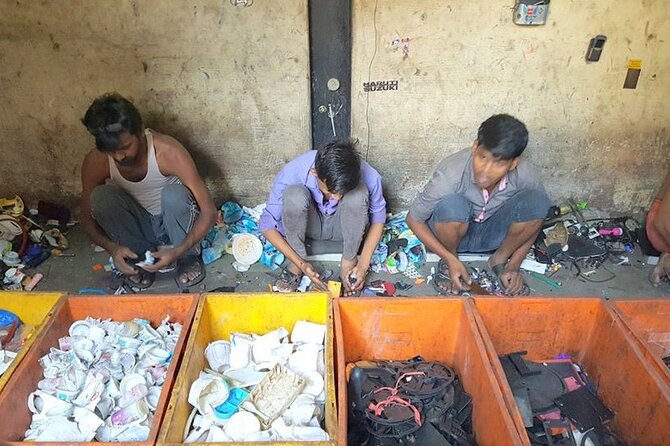
Two of the most distinctive stops are plastic recycling and recycling of veg oil. Even without technical details, you can understand the big idea: materials are being recovered, reused, and turned back into value.
This matters for two reasons. First, it challenges the outsider view that waste is only trash. Second, it shows that environmental work is often tied to jobs, livelihoods, and daily survival.
Muslim people making a shrine for Hindus: faith and shared space
The route also includes a stop focused on Muslim people making a shrine for Hindus. It’s a short line in the itinerary, but it’s a powerful one because it points to interfaith cooperation happening in the same streets as work and recycling.
The takeaway for you is not to treat it like a spectacle. Instead, it’s a reminder that community life is layered. A guide can help you interpret what you’re seeing in a way that feels respectful and grounded.
Slum market: the place where money and needs meet
Finally, you’ll reach the slum market. This stop is where the tour shifts from production to consumption and local trade.
Markets tell you what people need and what people value enough to buy or trade. It’s also a place where you can understand how goods move through the neighborhood, from workshops into hands. If you’ve been focused on crafts and industries so far, this is where it all comes together in daily routine.
What makes the guide experience central (and why names like Bharti, Abhishek, and Mahesh come up)
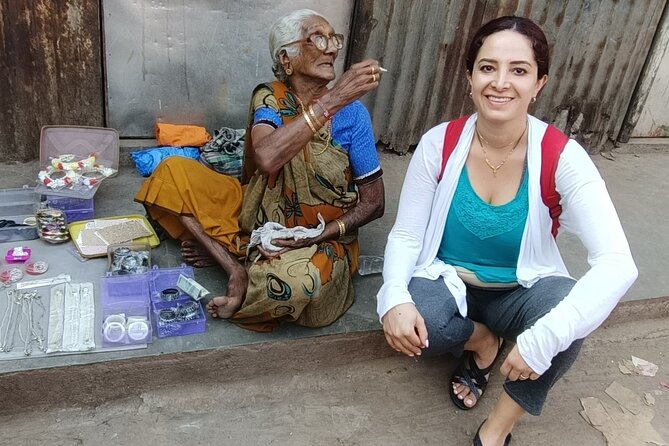
The itinerary notes that the most interesting part is that the guide himself lives in the slums. The reviews reinforce that theme, with praised guides including Bharti and Abhishek, plus Mahesh.
When a guide lives in the area, the questions you ask matter more. People can explain not only what something is, but why it’s done that way. That’s why the walk tends to feel conversational and open to questions rather than one-way storytelling.
The guide’s role is also crucial for tone. Dharavi is a real neighborhood. The best tours keep things respectful, use clear language, and don’t turn personal lives into entertainment. In this walk, the emphasis is on understanding life and work, and that’s exactly what you want.
Practical tips so your two hours feel smooth
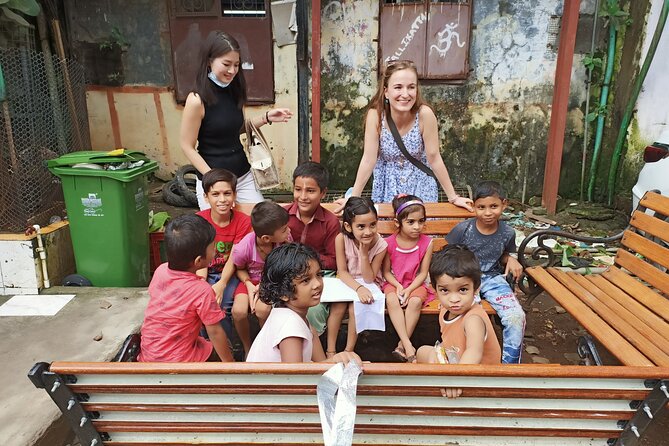
You’ll be walking for about 2 hours on a route that includes alleys and close residential areas. Comfortable shoes are not optional. Also, dress for Mumbai’s day-to-day weather and keep your items secure.
Since bottled water is included, you’re covered on hydration. Still, pace yourself. It’s easy to walk too fast when you’re excited by new sights, and then you miss explanations.
Plan your timing around food too. Because coffee/tea and any food are not included, I suggest eating beforehand or grabbing something after you finish near Sai Multispeciality Hospital. That way you can stay focused during the walk instead of thinking about lunch.
If you want photos, use common sense. Ask your guide what’s appropriate and where it’s respectful to take pictures. A good local guide will help you avoid awkward moments.
Who this tour is best for
This experience fits you best if you like real-world context over postcard views. If you’re the type who asks questions about how things work—industries, recycling, community services—you’ll get a lot out of the route.
It’s also a great choice if you want to understand Mumbai beyond the usual tourist corridors. Dharavi is not a single story, and the itinerary reflects that by mixing trade floors, homes, schools, hospitals, and market streets.
If you need wide open spaces and easy walking surfaces, you might find some parts challenging. Tight lanes and dense areas are part of the design of the neighborhood, so be prepared for that kind of close-up travel.
Should you book this Dharavi Slum walk?
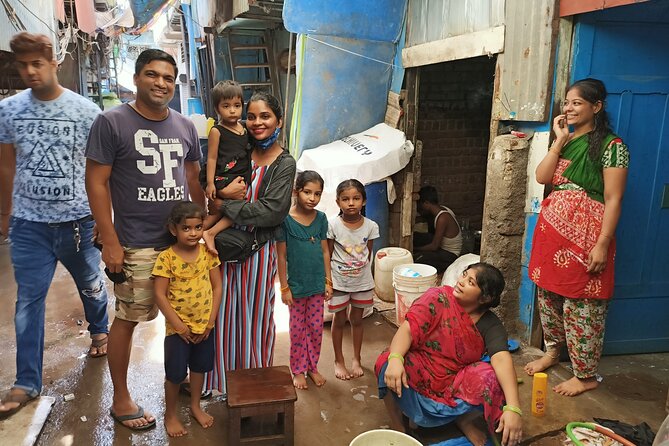
Book it if you want a short, guided route that connects work, home, and community services in a way a solo walk can’t. The value is strong at around $12.26, especially with the English-speaking guide, bottled water, and ticket included.
Pass on it—or at least rethink the timing—if you’re hungry and don’t want to plan food around a tour that includes no coffee/tea and no meals. Also, if very close residential spaces make you uncomfortable, go gently. This walk is built to show lived reality, not sanitized highlights.
If you’re curious and respectful, this is the kind of tour that can give you a more grounded view of Mumbai fast.
FAQ
How long is the Dharavi slum walk?
It’s about 2 hours long.
What does the tour cost?
The price is $12.26 per person.
What’s included in the price?
You get an English-speaking guide, bottled water, and an admission ticket. Food like coffee/tea is not included.
Where does the tour start and end?
It starts at Third Wave Coffee on Tip Road in Mahim, and it ends at Sai Multispeciality Hospital & Research Centre on 90 Feet Rd, behind Sion Hospital.
How many people are in the group?
The tour has a maximum of 15 travelers.
Do I need an advance booking?
Confirmation is received at the time of booking, and it’s commonly booked about 8 days in advance.
Is a mobile ticket used?
Yes, the tour uses a mobile ticket.
Can I cancel for a refund?
Yes. You can cancel up to 24 hours in advance for a full refund.
Is the tour suitable for most people?
The info says most travelers can participate.