REVIEW · MUMBAI
Mumbai City Tour in Public Transportation
Book on Viator →Operated by Shreeji Tours n Travels · Bookable on Viator
Mumbai moves fast, and this tour rides with it. You’ll see major sights the practical way, using public transportation instead of a private van—so the day feels like Mumbai, not a movie set. I especially like how you’re given a clear structure (South or North) while still getting that street-level feel.
I also like the mix of places: big names like Chhatrapati Shivaji Terminus and the Mani Bhavan Gandhi Museum, plus everyday Mumbai stops like Dhobi Ghat. With a local English-speaking guide (and in one standout case, Sameer is praised for being organized and transparent), you’re not just walking—you’re getting the why behind what you’re seeing.
One consideration: it’s an 8-hour day with moderate walking, plus heat and crowds can add up. If you don’t handle long days on your feet well, you may feel it by late afternoon.
In This Review
- Key things I’d focus on before you go
- Why public-transport sightseeing works in Mumbai
- South Mumbai vs North Mumbai: choose your vibe
- South Mumbai tends to feel like monuments plus shoreline
- North Mumbai leans into temples, churches, markets, and beaches
- South Mumbai highlights: CST, Gandhi, Dhobi Ghat, and the Queen’s Necklace
- North Mumbai highlights: BB Dadar Market, Siddhivinayak, Mount Mary, Bandra Fort, and Juhu
- Guide and logistics that keep an 8-hour loop from feeling chaotic
- Price and value: what $34 buys you in Mumbai time
- What to bring and how to pace yourself
- Who this tour is best for
- Should you book the Mumbai City Tour on Public Transportation?
- FAQ
- What’s the duration of the Mumbai City Tour?
- Is pickup and drop-off included?
- Do I choose between North Mumbai and South Mumbai?
- Are meals included?
- What transportation does the tour use?
- What happens if weather is bad?
Key things I’d focus on before you go
- Public transport included: taxi, train, and bus are part of the route plan, which makes the sightseeing feel local.
- Two route choices: South Mumbai or North Mumbai, and either option can run as a full day.
- Museums and iconic monuments: Mani Bhavan is included; many other stops are free to enter.
- Pickup and bottled water: helps the day start smoothly, especially on a long loop.
- Private tour format: only your group participates, so the pace can feel more tailored.
Why public-transport sightseeing works in Mumbai
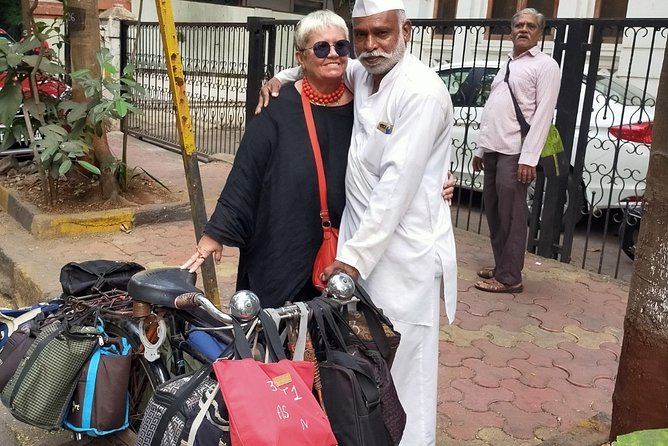
Mumbai is a city of movement—by foot, by train, by bus, by taxi. This tour leans into that reality. You’re not just “touring at” the city; you’re traveling like locals do for the chunks that make sense.
The value piece is real here: for a day of sightseeing (about 8 hours), you’re getting a local English-speaking guide, bottled water, and public transport included. It’s the kind of setup that reduces guesswork. You don’t have to figure out which train stop gets you closest to each landmark, and you’re not burning time haggling over short hops.
One more practical win: the tour is described as starting near public transportation areas. That matters in Mumbai, where being a few wrong turns away can cost you time. This format aims to keep you moving instead of stuck.
You can also read our reviews of more city tours in Mumbai


South Mumbai vs North Mumbai: choose your vibe
You get two options: a South Mumbai tour or a North Mumbai tour. Either one can run for the whole day, so you’re not forced to squeeze both halves into a single exhausting schedule.
South Mumbai tends to feel like monuments plus shoreline
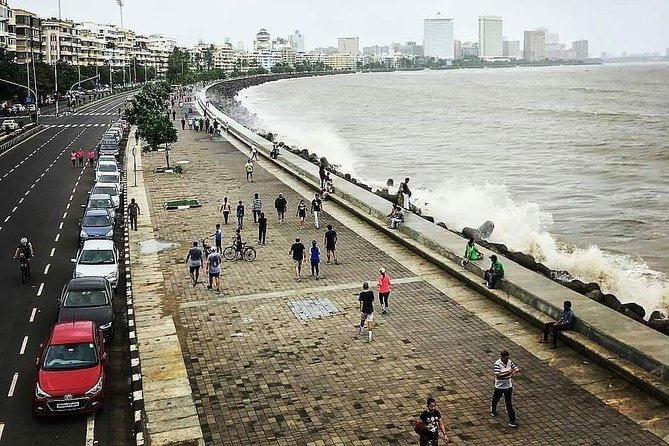
If you want the classic postcard route with strong landmarks—rail heritage, Gandhi’s history, and the coast—you’ll like South Mumbai. It covers a long sweep from Chhatrapati Shivaji Terminus through Marine Drive and the Gateway of India, then finishes with Colaba Causeway shopping energy.
North Mumbai leans into temples, churches, markets, and beaches
If you’re more interested in Mumbai’s neighborhood texture—religious sites, waterfront walks, and a major flower market vibe—North Mumbai is your better fit. You also get a nice arc through Bandra (including Bandstand Promenade and Bandra Fort) and down to Juhu Beach.
If you’re unsure: choose based on what you want most at the end of the day. In South Mumbai, you’ll be closer to the tourist core. In North Mumbai, you’ll finish with beach time and a more local feel around Juhu.
South Mumbai highlights: CST, Gandhi, Dhobi Ghat, and the Queen’s Necklace
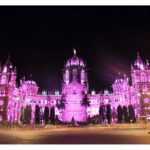
Your South Mumbai day starts at Chhatrapati Shivaji Terminus (CST), a UNESCO World Heritage Site known for Victorian Gothic architecture. Even if you’re not a “train station person,” CST is worth the stop. It’s a landmark that signals Mumbai’s scale and ambition—then it becomes a perfect starting point because it’s tied into the city’s motion.
Next is Mani Bhavan Gandhi Museum. Admission is included, and this stop is a big reason South Mumbai works. Gandhi’s connection to Mumbai is part of the city’s story, and Mani Bhavan is designed for focused viewing rather than a quick photo-and-run. Expect about a half-hour here, long enough to actually read what you came for.
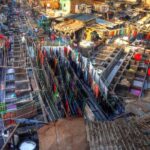
From there, you shift gears to Dhobi Ghat, an open-air laundromat where dhobis work in the open to clean hotel linens and everyday clothes. This is one of those “small” stops that often ends up being the most memorable. You get a window into labor, routine, and how Mumbai keeps hotels supplied—without needing to travel far outside the main route.
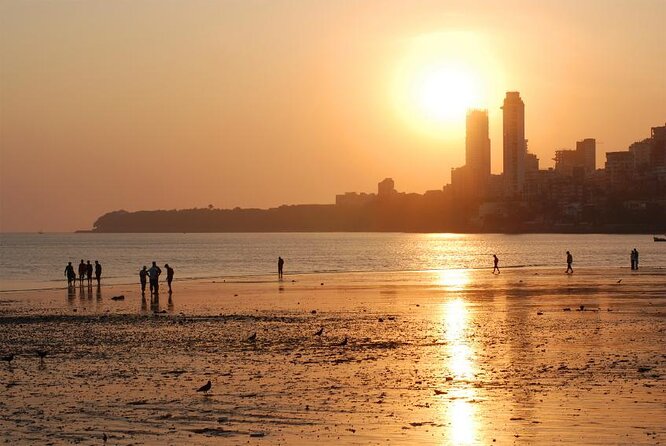
After that, you’ll visit ISKCON Chowpatty (Sri Sri Radha Gopinath Temple), followed by Chowpatty Beach (Girgaum Chowpatty near Marine Drive). The temple gives you a quick cultural reset; the beach gives you breathing room. Both are free to enter, and the time is short—about 20 minutes each—so don’t plan on deep immersion. Instead, think of them as “moments” that break up the day.
Then comes the views. You’ll head to Hanging Gardens (Pherozeshah Mehta Gardens) for about 30 minutes. Terraced gardens atop Malabar Hill give you an elevated perspective and a break from street-level motion. After that, it’s Marine Drive, a 3.6-kilometer stretch of road people associate with Mumbai’s evening energy. You’ll have a shorter stop (about 10 minutes), but it’s a great photo corridor, especially if you time it well.
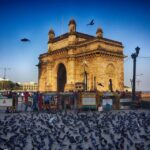
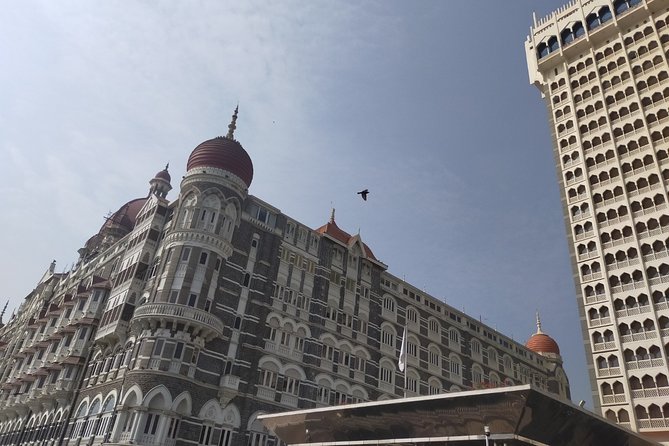
The iconic sequence continues with the Gateway of India, where you’ll spend about 30 minutes. This is one of Mumbai’s most recognizable monuments, and the longer stop helps: you can watch the flow of people around it, not just stand once and rush away.
Finally, you end at Colaba Causeway for about 30 minutes. This is street-side shopping territory: clothes, small vendors, and plenty of snack-and-stroll potential. If you want souvenirs, this is the practical zone to do it. If you don’t like crowds and shopping, you can still enjoy the atmosphere and use the time as a reset before heading back.




North Mumbai highlights: BB Dadar Market, Siddhivinayak, Mount Mary, Bandra Fort, and Juhu
North Mumbai starts with BB Dadar Market, a flower market featuring early-morning-style auctions and a colorful variety of blooms. Even with a shorter visit (about 10 minutes), it’s the kind of place that shows how Mumbai supplies itself. It’s also a good contrast to the monument-heavy South route.
Then you’ll go to Shree Siddhivinayak Ganapati Mandir in Prabhadevi, with about 30 minutes on site. This is one of the city’s most famous Ganesh temples. Plan to slow down for a temple stop—these places run on rhythm, prayer, and quiet. Dress respectfully and be ready for crowds.
After that, it’s Mount Mary Basilica (Mount Mary Church) in Bandra for about 10 minutes. A Roman Catholic basilica in Mumbai, it adds a different architectural and spiritual flavor to your day. It’s a short stop, so treat it like a look, a moment, and then move on with the group.
Next: Bandra Fort (Castella de Aguada), also about 10 minutes. It’s a strong sea-facing point, and the Portuguese naming history is part of the interest. Even if you don’t go far into the site, the location helps you connect Bandra’s waterfront role with its older layers.
A short walk follows at Bandstand Promenade (about 5 minutes). This is the sea-walk section—perfect for a quick stretch and a few photos, with the rest of the day still ahead.
Then you head to ISKCON Juhu (Sri Sri Radha Rasabihari Ji Temple) for about 30 minutes, followed by Juhu Beach for about 30 minutes. Juhu is a well-known neighborhood and beach area, and that last stretch is ideal for unwinding. In North Mumbai, that ending matters: you’re leaving the temple-and-market intensity and finishing with coast time.
Guide and logistics that keep an 8-hour loop from feeling chaotic
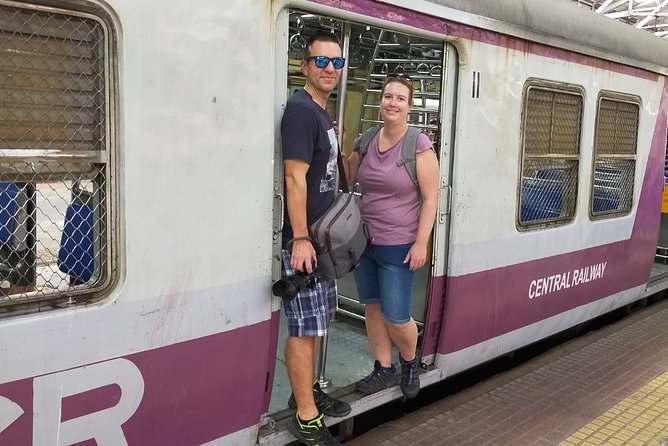
This tour is run as a private tour/activity, meaning only your group participates. That’s a quiet but important detail. In cities like Mumbai, smaller group dynamics can help you keep pace without losing people in crowds.
You also get pickup and drop, plus the plan is described as operating near public transportation. That combination tends to cut down on dead travel time. You’ll also receive bottled water, which is a lifesaver when the day runs long.
The guide format is local and English-speaking. And based on what people highlight, Sameer’s style is the kind that keeps things stress-free: organized routing, clear info on what’s included, and patience with the small realities of a walking-and-transit day. That matters because a tour like this isn’t just about where you go—it’s about how smoothly you get there.
One more value detail: you receive a mobile ticket. In a place where lines and paper tickets can slow you down, a mobile ticket can simplify entry and day flow.
Price and value: what $34 buys you in Mumbai time
At $34 per person for around 8 hours, this isn’t priced like a luxury vehicle tour. It’s priced like an efficient way to cover a big chunk of Mumbai without spending time sorting transport.
Here’s what you’re effectively buying:
- A guide for the full day (local English-speaking)
- Pickup and drop
- Bottled water
- Public transportation (taxi, train, bus) included
- Included admission for Mani Bhavan Gandhi Museum
- Many stops with free entry (temples, viewpoints, beach areas)
That’s where the value comes in. You’re not just paying for views; you’re paying for reduced friction. Mumbai can swallow time fast when you’re navigating alone, especially across different neighborhoods. This tour plan is built around time use.
Still, keep expectations realistic. The stop times are short at several major landmarks. If you’re someone who likes long museum reads, you may want extra free time afterward. If you like seeing a lot without getting lost, you’ll likely feel like you got your money’s worth.
What to bring and how to pace yourself
Since there are no meals included, plan your own food strategy. You’ll have multiple free-entry stops and a few longer ones (like Mani Bhavan and the beach/harbor zone), but you shouldn’t count on someone feeding you during the day.
Bring:
- Comfortable walking shoes (you’ll be on foot for key parts)
- Sun protection (Mumbai sun can be relentless)
- A small snack plan (so you’re not hungry during short temple or viewpoint windows)
- Light layers for indoor places (museums/temples can vary)
Fitness-wise, it’s described as requiring moderate physical fitness. That’s a good match for people who can walk steadily and handle heat/crowds. If you’re sensitive to long walking or have mobility limitations, you might want to think twice.
Also, the tour is noted as requiring good weather. If weather is poor, you’ll be offered a different date or a full refund. With that in mind, plan your booking window so you have flexibility.
Who this tour is best for
This works well if you:
- Want a structured way to cover North or South Mumbai without transport stress
- Like a mix of major landmarks and working-city stops (like Dhobi Ghat)
- Prefer public transport over private car convenience
- Are okay with shorter time blocks at each stop
It may not be ideal if you:
- Want meals included
- Need lots of museum time at each location
- Dislike walking in crowded city conditions for a full day
Should you book the Mumbai City Tour on Public Transportation?
If your goal is to see Mumbai as a living city—and not just a list of monuments—this is a strong booking. The biggest reasons to say yes are the practical setup (pickup, public transportation, water), the real neighborhood mix (temples, markets, beaches), and the guide approach that keeps the day organized (Sameer is specifically praised for that).
I’d book it if you’re planning a first or early trip to Mumbai and you want maximum orientation fast. If your schedule is tight or you’re chasing long, slow museum sessions, consider doing fewer stops on your own after this day, so you can return to the places that hit hardest.
FAQ
What’s the duration of the Mumbai City Tour?
It runs for about 8 hours.
Is pickup and drop-off included?
Yes, pickup & drop are included.
Do I choose between North Mumbai and South Mumbai?
Yes. You can select either the South Mumbai tour or the North Mumbai tour, and either option can be operated as a whole-day tour.
Are meals included?
No. Meals are not included, so you’ll need your own plan for food.
What transportation does the tour use?
Public transportation is included, including taxi, train, and bus.
What happens if weather is bad?
The tour requires good weather. If it’s canceled due to poor weather, you’ll be offered a different date or a full refund.