Watch Mumbai before the traffic wins. An early start like this turns the city into something you can actually read: you pass the fish market while it’s alive with the first deliveries from the sea, then keep going through Dadar’s morning trade and end with a quiet moment at the English-speaking guide led Iskcon/Krishna temple aarti.
Two things I really like here are the hands-on local rhythm of the markets and the fact that the tour stays practical—hotel pick-up, AC car, bottled water, and timed stops so you don’t waste your morning stuck in traffic. The one thing to plan around is that the 4 hours can feel a bit tight; on at least one booking it ran closer to 3 hours, so you may want to be ready to move along briskly, especially at the flower and fish markets.
In This Review
- Key takeaways
- Why this early start makes Mumbai easier to enjoy
- Fish market and the first deliveries from the sea
- Dadar flowers and the morning vegetable market for photos
- Iskcon/Krishna temple morning aarti: a calmer contrast
- How the 4-hour loop really feels (and where you might want more time)
- Price and value: what $21 gets you in Mumbai
- Transport comfort and group size: what to expect
- Practical tips that make the tour smoother
- Who this tour fits best
- Should you book this Mumbai morning tour?
- FAQ
- How long is the tour?
- What is the price per person?
- What’s included in the tour?
- Are meals included?
- What should I bring?
- Is the tour guided in English?
Key takeaways
- Fish market energy early on: see dozens of fresh arrivals from 100s of fishing boats instead of a sleepy daytime version.
- Dadar flowers + vegetables for photos: a great place to practice low-light street photography before the crowds thicken.
- Morning Iskcon/Krishna aarti: you’ll catch the temple moment when the day is still getting started.
- Small-group feel with an English guide: a dedicated guide helps you connect what you’re seeing to what it means locally.
- A tight 4-hour loop: it’s efficient by design, so don’t count on lingering for long at every stop.
Why this early start makes Mumbai easier to enjoy
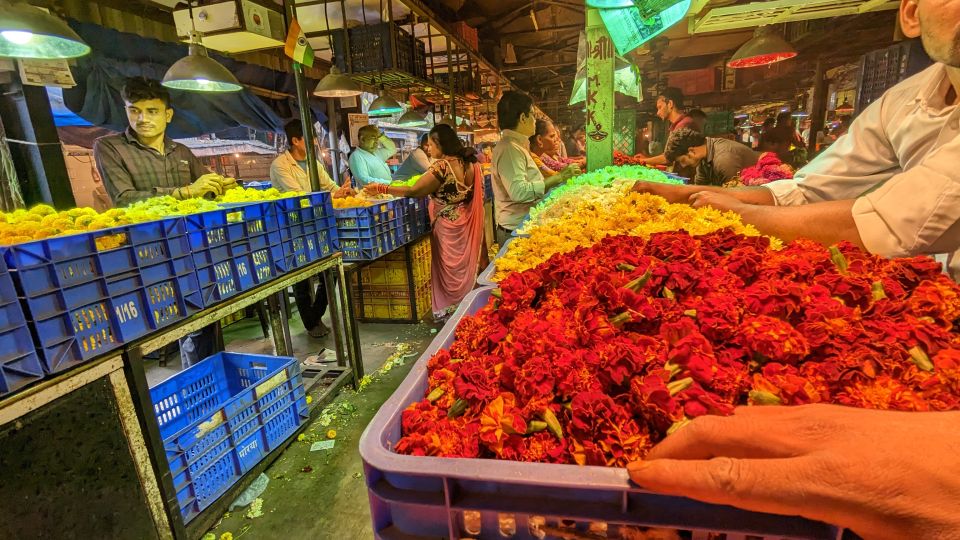
Mumbai can wear you out fast. Later in the day, traffic and crowds decide the pace for you. On this tour, you get in before the city fully turns up the volume, which makes it easier to notice details—how people move, what’s being delivered, and what locals treat as normal.
It also helps that the tour is set up as a compact loop. You’re not zigzagging across the city for hours with no plan; you’re covering a few key neighborhoods and markets while they’re doing their morning work. That’s where the value is: you’re buying time and focus, not just sightseeing.
You can also read our reviews of more guided tours in Mumbai

Fish market and the first deliveries from the sea
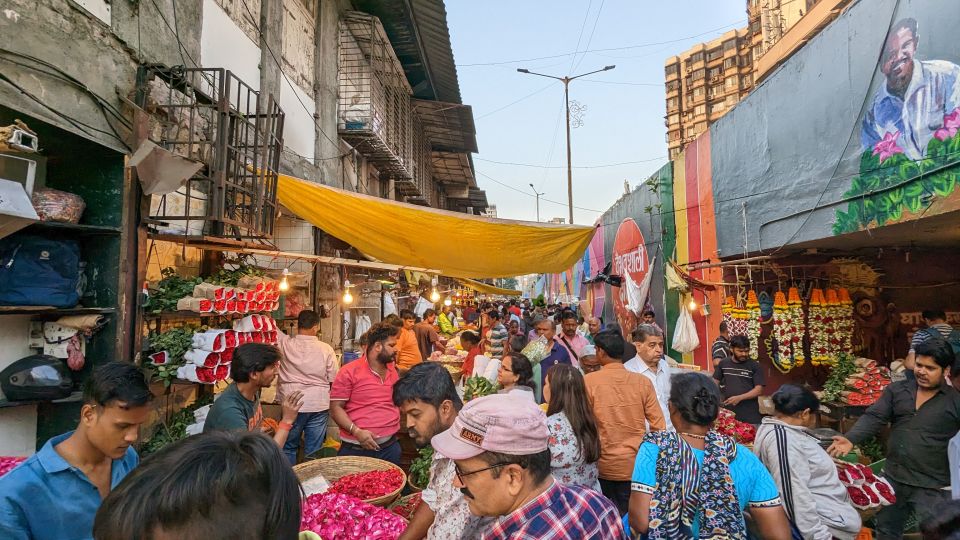
The tour’s anchor stop is the fish market, where the morning action is built around arrival and sorting. You’ll see the supply chain in motion: boats bringing fresh catch in from the sea, with 100s of fishing boats visible as part of the daily bustle. It’s the kind of place that’s hard to understand from a distance, but makes sense when you’re there at the hour when nothing is staged yet.
What I think makes this stop special isn’t only the scale. It’s how quickly everything connects—the boats, the workers, and the flow of goods. You can stand there and watch the work rhythm without needing a deep local background first; the city explains itself if you arrive early and keep your eyes open.
You may also notice other morning logistics nearby, like paper distribution near the train station area. That small detail matters because it shows the infrastructure behind the scene. This isn’t a museum. It’s a working system.
Practical tip: bring shoes you can stand in for a while. Market floors can be uneven, and you’ll want stable footing so you can focus on photos and people-watching instead of balance.
Dadar flowers and the morning vegetable market for photos
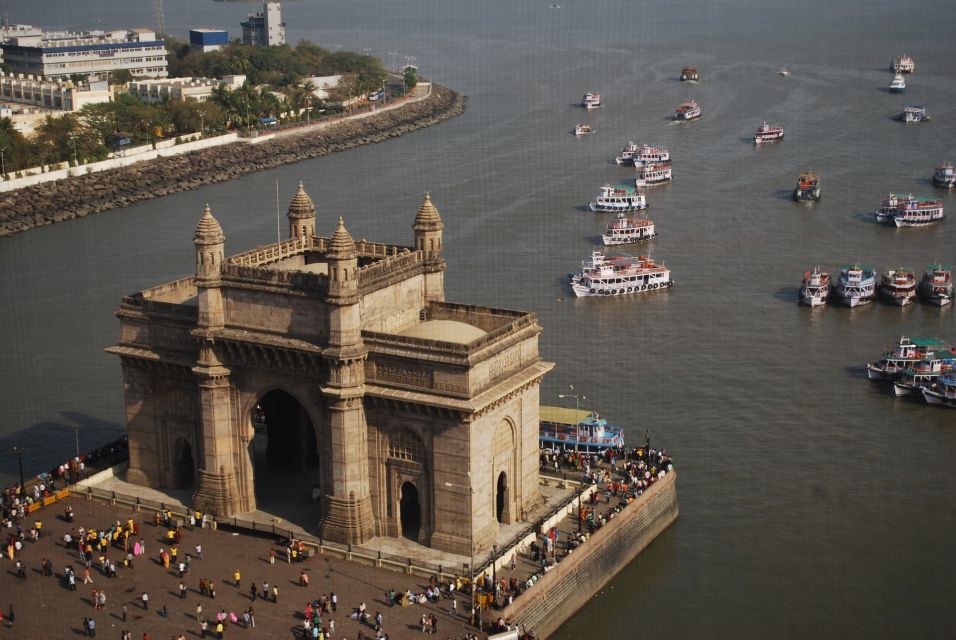
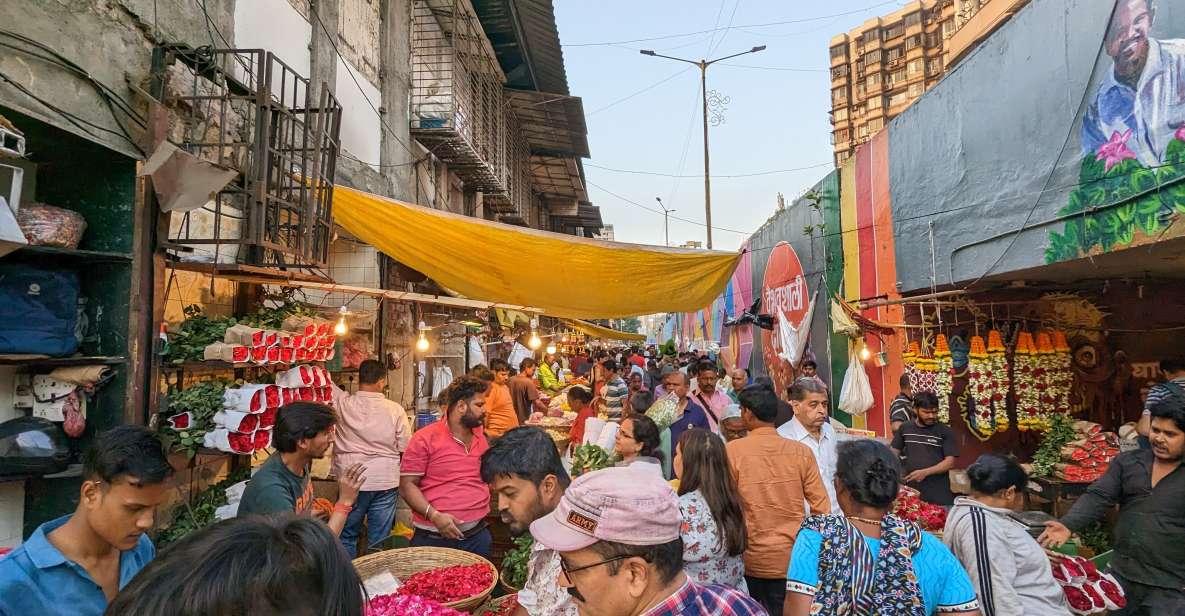
After the fish market, you move into Dadar’s morning trade. The tour includes the Dadar flower markets and a vegetable market, and the combination is smart: flowers give you color and texture, while vegetables bring patterns, crates, and the real work of preparation.
The flower market part is especially good for photography because the stalls tend to be arranged for early buying and quick transport. You’ll get more chances for close-up detail shots—petals, wraps, and the way vendors handle bunches—before the day’s full scramble kicks in.
The vegetable market adds a different kind of visual energy. It’s more about shape, sorting, and the everyday math of food distribution. If you like street photography, this is often the easier section to shoot without needing anything fancy: look for faces, hands, and the repetitive motion of work.
Why this segment is worth the time: you’ll see how Mumbai feeds itself, not just how it entertains visitors. Flowers and vegetables are part of daily life here, and seeing the process at morning speed helps you understand the city as a place that runs on delivery cycles.
Iskcon/Krishna temple morning aarti: a calmer contrast
From markets to temple is a good reset. The tour heads to Iskcon/Krishna temple in time to witness the morning aarti. If markets feel like motion, this stop is about structure—chants, ritual, and the kind of peaceful focus that’s hard to find amid a city’s daily rush.
In the morning, the atmosphere tends to be more intimate. People often arrive with the day’s intentions still fresh, so the ritual feels grounded rather than performative. You’ll get that contrast right away: noisy transactions outside, then a shift into ceremony and attention.
One highlight that stood out in an earlier booking: the morning opening at the Krishna temple was a memorable moment, even for someone who felt the overall tour ran a little short. That tells you something important—if you care about religious life and morning routine, this stop can be your emotional payoff.
Tip for the temple portion: dress respectfully and keep your posture patient. Even if you don’t understand every word of the chanting, you’ll understand what’s happening by watching how people behave.
How the 4-hour loop really feels (and where you might want more time)
On paper, this is a 4-hour tour. In practice, it can feel compact, because the itinerary is packed into a single morning window. That’s part of the design: you’re targeting places while they’re active—fish arrivals, flower buying, and a specific temple timing.
One booking experience did come in around 3 hours and felt a bit rushed, especially at the flower and fish markets. That doesn’t automatically mean it’ll happen to you, but it’s enough to treat as a consideration. If you’re the type who likes to wander and linger for photos, plan to be ready to move on time.
My advice: treat this like a “see it, learn it, move on” morning. If you want to savor the market atmosphere slowly, you can always plan a longer, independent return later (after you’ve gotten the context from the guide).
You can also read our reviews of more tours and experiences in Mumbai




Price and value: what $21 gets you in Mumbai
At $21 per person for about 4 hours, the price is a bargain compared to what you’d pay for private transport plus a guide plus entry fees on your own. The big value driver is that the tour includes:
- Hotel pick-up and drop
- AC car
- Dedicated English-speaking guide
- Bottled water
- Entrances to mentioned places
- Core itinerary timing so you hit the morning rhythm instead of guessing
You’re paying for structure. Without it, you’d still be able to visit markets, but you might lose the advantage of timing and local interpretation—especially for the temple ritual.
And because meals aren’t included, you’re also free to choose breakfast based on your preferences. Some people like a simple bite nearby after the tour. Others prefer to keep their morning food routine separate.
Transport comfort and group size: what to expect
This is set up with hotel pick-up and drop and an AC car, which matters in Mumbai. Even in the morning, heat and humidity can add up, and air-conditioned rides make the early start feel less painful.
Group size is another factor in comfort. It’s available as private or small groups, which usually means the guide can keep a closer eye on timing and help you navigate without constant crowd navigation. If you prefer your photos and explanations uninterrupted, small-group formats tend to be easier to enjoy.
The tour is guided in English, so you’re not relying on guesswork for what you’re seeing at the fish market, how the flower/vegetable trade works, or what the aarti timing means in context.
Practical tips that make the tour smoother
A few small things can make a noticeable difference on a morning market-and-temple itinerary.
- Wear comfortable shoes you can stand in and move with.
- Keep your phone camera ready, but also look up. The best moments often happen when you’re watching hands at work, not just aiming at a frame.
- Expect an early morning start. If you sleep lightly or need a slow wake-up, plan your night accordingly.
- Bring a light layer if you get chilly in early air-conditioned rides, then adjust once you’re walking outside.
And emotionally: go in with curiosity. Markets can be intense. You’ll get more out of it if you treat it like a lived-in workplace rather than a photo backdrop.
Who this tour fits best
This works best if you want Mumbai without spending your whole day stuck behind traffic. I think it’s a strong choice for:
- First-time visitors who want a local-style morning route
- People who enjoy street markets and photography
- Anyone who wants religious life and morning ritual as part of the day’s story
- Travelers who prefer a guided plan but still want authenticity, not sanitized stops
If you’re hoping for a relaxed, slow-paced tour with lots of free time at each location, the tight scheduling may not feel like enough. But if you like efficiency—and value the timing of fish arrivals and morning ceremony—this is a smart way to spend half a day.
Should you book this Mumbai morning tour?
Yes, with a clear expectation of what it is. This is a short, focused morning circuit: fish market, Dadar flower and vegetable markets, then Iskcon/Krishna morning aarti. For the price, the mix of guided interpretation, transportation, and entry access makes it good value.
I’d especially book it if you want to see Mumbai in work mode—fresh deliveries, market buying, and a real morning ritual—without losing half your day to congestion. Just be ready for a brisk pace, and if you’re a heavy photo linger-type, arrive with a plan to grab your key shots first, then soak in the rest.
FAQ
How long is the tour?
The tour duration is 4 hours.
What is the price per person?
The price is $21 per person.
What’s included in the tour?
It includes hotel pick-up and drop, an AC car, a dedicated English-speaking guide, bottled water, and entrances to the places in the itinerary.
Are meals included?
No meals are included.
What should I bring?
Wear comfortable shoes for walking in market areas.
Is the tour guided in English?
Yes, the tour has a live guide in English.
If you want, tell me your travel dates and where you’re staying in Mumbai, and I’ll help you decide whether this early start fits your schedule and what time-of-day plan works best for breakfast and photography.