REVIEW · MUMBAI
Private City Tour with Dharavi Slum Dhobighat and Dabbawalla
Book on Viator →Operated by Namaste Tours and Trips · Bookable on Viator
A slum tour can also be a city tour. This private 6–7 hour route strings together big-name landmarks with the real-life Mumbai most visitors never get time for, with Dharavi and Dhobi Ghat as the emotional anchors. I like that the day isn’t just photos—it’s built for understanding how the city works.
In This Review
- What I Like Most: Two Stops That Change Your Perspective
- One Thing to Consider: It’s a Long, Full Day
- Key Things You’ll Notice
- A Private Mumbai Day That Doesn’t Feel Like a Checklist
- Where You Start: Regal Cinema in Colaba (and Why That Helps)
- Gateway of India: The Big Monument and the Big Mood Shift
- University of Mumbai Library and the Legal Landmark: Power, Education, Administration
- Chhatrapati Shivaji Maharaj Terminus: When Architecture Becomes a Living Landmark
- Crawford Market and Marine Drive: Market Life Meets Evening Promenade Energy
- Mani Bhavan Gandhi Museum: Learning Without a Lecture Hall Feel
- Malabar Hill Gardens and Banganga: Quick Greens, Big Views
- Antilia: The Billionaire Residence Moment (Yes, It’s a Contrast)
- Dhobi Ghat at Mahalakshmi: Where Daily Work Becomes Visible Culture
- Churchgate Station: Ending the South Mumbai Loop
- Dharavi: A Place of Scale, Work, and Real Neighborhood Life
- The Guide Makes or Breaks This Day (Sid and Siddhi Stand Out)
- Price and Value: What You’re Really Paying For
- Practical Tips So Your Day Feels Smooth
- Should You Book This Tour?
- FAQ
- How long is the private city tour in Mumbai?
- How much does the tour cost per person?
- Is pickup offered, and where do we meet?
- What time does the tour start?
- Where does the tour end?
- Is the tour private?
- Do I need admission tickets for the stops?
- Do I get a mobile ticket?
- What’s the weather requirement?
- Is there free cancellation?
- Are there any limits on the group size?
What I Like Most: Two Stops That Change Your Perspective
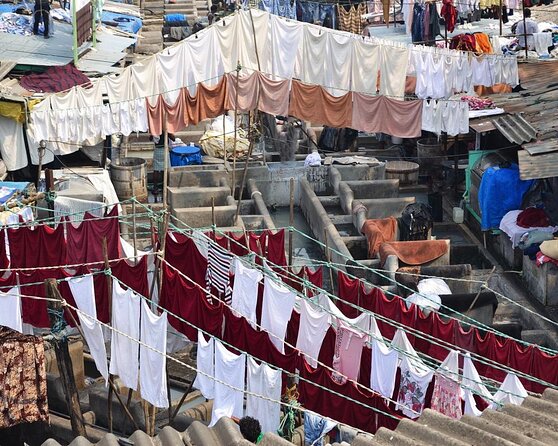
I especially like how Mahalakshmi Dhobi Ghat turns a laundry scene into a lesson about everyday systems, from the open-air setup to how the work continues around the rail station. I also really value the way Dharavi is handled as a place with people and routines, not as a scary headline, so you can look with more respect.
One Thing to Consider: It’s a Long, Full Day
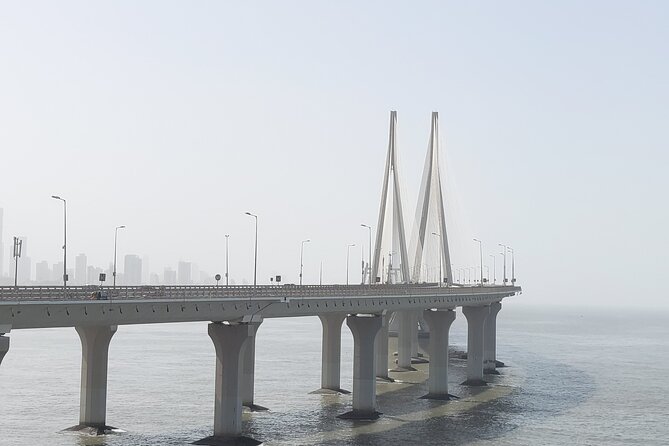
Because the tour runs about 6 to 7 hours with walking through busy areas, you’ll want solid shoes and patience with crowds and traffic. If you’re sensitive to intense contrasts—old wealth vs working neighborhoods—this day may hit hard, but it’s also exactly why it’s worth doing.
You can also read our reviews of more city tours in Mumbai



Key Things You’ll Notice
- Private, group-only pacing so your guide can slow down where you need clarity
- Dharavi + Dhobi Ghat as real-world Mumbai, not just sightseeing
- South Mumbai landmarks that help you understand how the city evolved
- Guides Sid/Siddhi (Namaste Tours and Trips) with consistently strong communication and flexible choices
- A mix of free entry stops during the landmark portion of the day
A Private Mumbai Day That Doesn’t Feel Like a Checklist
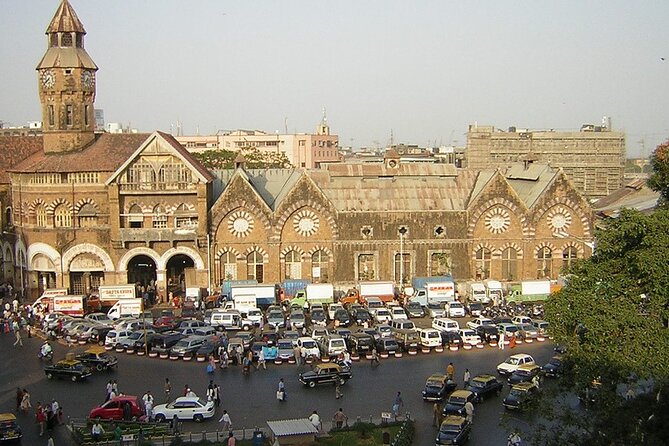
Mumbai can overwhelm you fast: heat, noise, crowds, and a skyline that flips from colonial-era stone to modern high-rises in a blink. What I like about this tour is the structure. You start with iconic sights around Colaba and South Mumbai, then move into neighborhoods where life is more tightly packed and practical. By the time you reach Dharavi and Dhobi Ghat, you’re not just looking—you’ve already learned how to read the city.
The experience is private, meaning it’s only your group. That matters here because the day includes sensitive human spaces. A personal guide can adjust the pace, answer questions calmly, and keep things respectful instead of turning the day into a rushed bus stop parade.
Also, the tour is positioned as a “city tour” plus the Dharavi and Dhobi Ghat segment. One practical note: the tour title includes dabbawalla, but the detailed day plan you have is focused on landmarks and then Dharavi and Dhobi Ghat. If dabbawalla is a must-do, ask your guide early whether there’s room to fit it.
Where You Start: Regal Cinema in Colaba (and Why That Helps)
You meet at Regal Cinema, Apollo Bandar, Colaba at 9:30 am. I like this start point because Colaba is a good launchpad. You’re close to the waterfront feel and close enough to central sights that the day doesn’t waste time crossing half the city right at the beginning.
The tour also offers pickup, which is a big deal in Mumbai. If you’re dealing with jet lag, booking a car and navigating yourself can turn into extra stress. Being met and routed by a local guide lets you conserve energy for the actual walking and conversation.
This is also a day where timing matters. You’ll be moving through areas where morning light and morning foot traffic can shape your experience. Starting at 9:30 am gives you a smoother ride into the busiest zones.
Gateway of India: The Big Monument and the Big Mood Shift
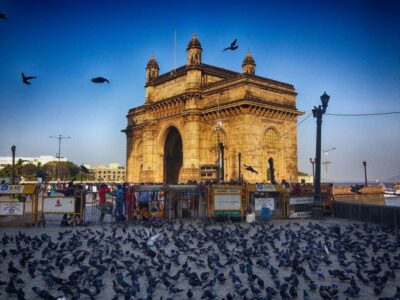
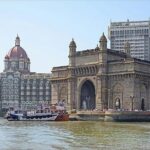
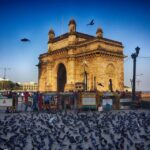
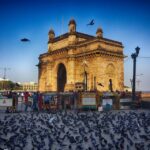
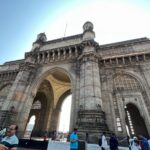
First stop is the Gateway of India, the arch monument built in the early 20th century that commemorates King-Emperor George V’s landing. It’s a classic “postcard” scene, but it also acts like a mood marker for the rest of the day. You begin with a story tied to empire and arrival, then you’re going to spend the rest of the day watching how Mumbai’s identity grew beyond that moment.
The stop is short—about 20 minutes—but it’s enough to get context before you move onward. If you’re the type who likes to understand what a place means before photographing it, this is a good opener.
You can also read our reviews of more private tours in Mumbai




University of Mumbai Library and the Legal Landmark: Power, Education, Administration
Next you’ll pass through the University of Mumbai Library area and then the High Court Principal Bench, Bombay. These are free-entry, quick stops. In other cities, you might skip them. In Mumbai, they help you understand why the city’s energy isn’t only about streets and markets—it’s also about institutions.
- University of Mumbai Library: You get a sense of the scale of education in a city that’s both crowded and ambitious.
- Bombay High Court (Principal Bench): This signals administrative and legal influence anchored in South Mumbai.
If you’re worried that a city tour might feel “too statues and buildings,” this part quietly solves that. It connects the monumental side of Mumbai to the systems that shape daily life.
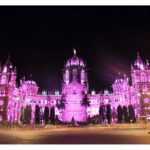
Chhatrapati Shivaji Maharaj Terminus: When Architecture Becomes a Living Landmark
Then you reach Chhatrapati Shivaji Terminus, a UNESCO World Heritage rail station. Even without going inside for long, it’s a stop that changes how you look at Mumbai’s motion. A railway terminus here isn’t just a building; it’s part of the city’s rhythm.
One practical benefit: you’re in a major transport zone, which makes the day feel anchored. You’re not just walking in a random loop; you’re moving through meaningful nodes.
Crawford Market and Marine Drive: Market Life Meets Evening Promenade Energy
After the rail architecture, you’ll visit Crawford Market. The building was completed in 1869, and it’s one of South Mumbai’s most famous markets. This stop gives your senses something to do: the kind of urban commerce that feels immediate, not staged.
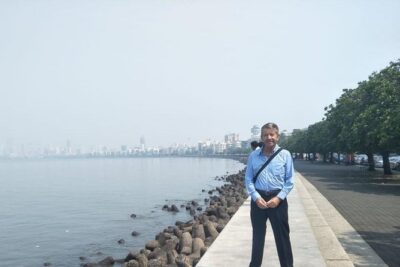
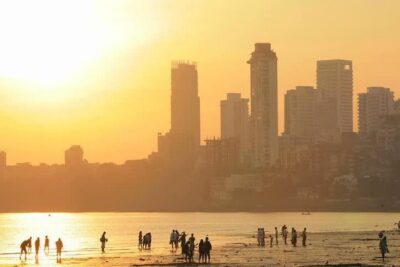
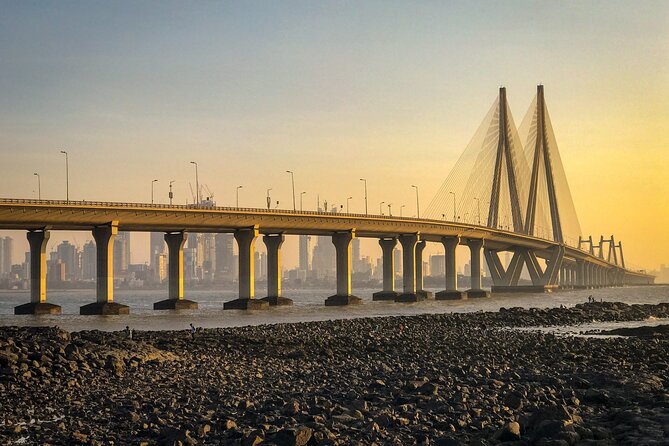
Then the route heads to Marine Drive, a 3-kilometre promenade along Netaji Subhash Chandra Bose Road. The road and promenade were constructed by Pallonji Mistry, and the “C”-shaped design is part of why it’s so recognizable. It’s listed as a short stop (about 20 minutes), but even that window helps. You see how Mumbai can go from busy market intensity to long, open-air city views.
If you’re a photo person, you’ll like Marine Drive for the line of sight over the water. If you’re more into people-watching, you’ll still enjoy it.
Mani Bhavan Gandhi Museum: Learning Without a Lecture Hall Feel
Next is Mani Bhavan Gandhi Museum. Mani Bhavan is tied to Gandhi’s political activities in Mumbai. You’re given a small time window (about 20 minutes) and you’ll likely want your guide’s narration here, because the museum can feel like “more content than you can read quickly” if you don’t have someone guiding the themes.
What I like about including this on the same day as Dharavi is contrast in perspective. The Gandhi connection puts a human-rights frame near the start of the day, before you step into a working neighborhood where dignity and survival are both visible.
Malabar Hill Gardens and Banganga: Quick Greens, Big Views
Then you move into calmer spaces at Hanging Gardens (Pherozeshah Mehta Gardens). These are terraced gardens perched on Malabar Hill, and they’re opposite Kamala Nehru Park. Even if you’re not a garden person, the value here is simple: you get a break from dense streets and you get better city sightlines.
After that, you’ll stop at Kamala Nehru Park, built in 1952, named after Nehru’s wife, with a view from above of Marine Drive. It’s another short stop (about 20 minutes), but it connects your earlier Marine Drive look with a different angle.
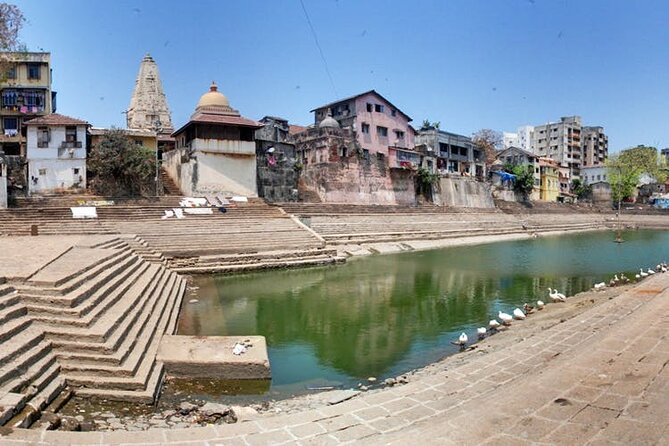
Then comes Banganga, a temple tank part of the Hindu Walkeshwar Temple complex. These tank-and-temple spaces can be peaceful, even in busy Mumbai. You get a chance to see another kind of public life—one shaped by faith and daily routine rather than tourism.
Antilia: The Billionaire Residence Moment (Yes, It’s a Contrast)
After the hills and temple tank, your route includes Antilia, the private residence of billionaire Mukesh Ambani. It’s often associated with Mumbai’s “billionaires row.” The stop is short (about 20 minutes), but it’s a deliberately placed contrast point.
This is not there just for shock value. It helps you notice scale: how wealth, location, and architecture interact in Mumbai. On a day that ends in Dharavi, Antilia can feel like an abrupt jump in reality. That’s exactly why having a guide matters—so the day doesn’t become shallow comparisons.
Dhobi Ghat at Mahalakshmi: Where Daily Work Becomes Visible Culture
Now you’re in Mahalakshmi Dhobi Ghat, a well-known open-air laundry area. It’s located near Mahalaxmi railway station in southern Mumbai, and it’s also accessible from Jacob Circle monorail station. The launders—known locally for their laundry work—operate in an environment where washing and drying are part of the street-level view.
This stop runs about 30 minutes. It’s a good length: long enough to understand what you’re seeing, short enough that you’re not stuck in discomfort or crowd pressure.
What I like about Dhobi Ghat on this particular tour is that it’s not treated like a zoo. A strong guide will frame it as labor and community systems. The most helpful narration is about how it works and why it exists where it does. When you’re walking through a functional workplace, the goal should be respect and observation, not gawking.
If you’re the kind of person who worries about being disrespectful while photographing real work, this tour format helps, especially with a guide who keeps things human and sensitive.
Churchgate Station: Ending the South Mumbai Loop
You then reach Churchgate Railway Station, where the nearby Oval Maidan and Brabourne Stadium sit. It’s an area with recognizable structures from the 1930s and a neo-Gothic feel around sports grounds. Even as a short stop (about 20 minutes), it’s a useful transition. You’re moving from seaside and institutional South Mumbai into the densest neighborhood part of the day.
Think of it as the “final gear” before Dharavi.
Dharavi: A Place of Scale, Work, and Real Neighborhood Life
The main event ends with Dharavi, one of the world’s largest slum areas by population density. The data here matters: Dharavi is about 2.1 square kilometres, and it’s home to around 1,000,000 people.
Dharavi is where the tour becomes more than architecture and views. It’s about witnessing how people build daily routines, produce goods, and make homes in tight space. The stop is long—about 2 hours—which is another clue this isn’t meant to be a quick drive-by.
A note on how it feels: you’ll likely see a mix of small businesses, homes, and shared public spaces. It can be intense. The best guides are the ones who keep the conversation steady and respectful. In the Namaste Tours and Trips style, guides Sid and Siddhi are praised for a professional approach and for being sensitive with how they handle the human side of what you’re seeing.
Also, the tour ends in Dharavi at Kumbhar Wada. That makes the day feel like a real journey rather than a loop that dumps you back at the starting point.
The Guide Makes or Breaks This Day (Sid and Siddhi Stand Out)
You’ll hear the names Sid and Siddhi connected with this experience through strong, repeated praise. The theme is consistent: clear communication before you even arrive, plus a human approach during the tour.
That matters for two reasons:
- Dharavi and Dhobi Ghat require a guide who can explain without turning people into spectacle.
- A long day with many stops needs someone who can adjust when you have questions or when pacing needs to change.
One small practical advantage that came up in feedback: the guide team made it clear you do not have to buy things during the day. In a place where markets and street commerce are visible, that kind of guidance removes pressure and helps you focus on learning and looking.
Another practical plus: flexibility. If your group is curious at a specific stop, a good guide can add context where it counts instead of sticking rigidly to time stamps.
Price and Value: What You’re Really Paying For
At $75.69 per person, this isn’t “cheap,” but it’s not just paying for walking. You’re paying for a private guide day with pickup, mobile ticket access, and a full schedule that covers major South Mumbai landmarks plus the longer Dharavi segment.
Here’s why it can be good value:
- Many of the landmark stops are listed as free admission, so your cost isn’t inflated by entry fees.
- The Dharavi portion is built in as a serious time block (about 2 hours), not a token stop.
- The private nature means you’re not competing with other groups for attention during sensitive moments.
Where value can depend on you: if you’re short on time in Mumbai and you want both “greatest hits” and real neighborhood context, bundling it makes sense. If you only want scenery and monuments, you might find the day heavy. But if you want a fuller picture, the price fits the scope.
Practical Tips So Your Day Feels Smooth
A tour like this lives or dies by comfort and expectations. A few grounded tips:
- Wear comfortable shoes. You’ll be moving through dense areas for hours.
- Bring water and something light to snack on, since you’re out most of the day (timing can shift with the route).
- If you care about photos, ask your guide how to approach sensitive areas respectfully.
- Don’t plan a “must-do” appointment right after the tour. It ends in Dharavi, so give yourself time to reposition.
Finally, keep your mindset flexible. Mumbai contrasts are real. You’ll see both iconic monuments and working neighborhoods in the same day. That’s not a flaw—it’s the point.
Should You Book This Tour?
Book it if you want:
- A private guided day that connects famous Mumbai landmarks to Dharavi and Dhobi Ghat
- A guide-led approach that treats real places with seriousness and respect
- A schedule that fits a first-time visitor who wants more than just coastal views and colonial stone
Skip or ask questions first if:
- You want only sightseeing photos and you’d rather not spend time in dense, emotionally intense areas
- You’re hoping for a specifically planned dabbawalla segment but don’t see it clearly in your day plan—confirm with the guide team before you lock it in
If you want the most honest reason to book: this tour doesn’t just show you Mumbai’s surface. It helps you understand why the city’s contradictions sit side by side.
FAQ
How long is the private city tour in Mumbai?
It runs about 6 to 7 hours.
How much does the tour cost per person?
The price is $75.69 per person.
Is pickup offered, and where do we meet?
Pickup is offered, and the start meeting point is Regal Cinema, Apollo Bandar, Colaba, Mumbai at 9:30 am.
What time does the tour start?
The start time is 9:30 am.
Where does the tour end?
The tour ends at Kumbhar Wada, Dharavi, Mumbai.
Is the tour private?
Yes. It’s listed as a private tour/activity, meaning only your group participates.
Do I need admission tickets for the stops?
The stops listed for the day show free admission tickets.
Do I get a mobile ticket?
Yes, the tour includes a mobile ticket.
What’s the weather requirement?
This experience requires good weather. If canceled due to poor weather, you’ll be offered a different date or a full refund.
Is there free cancellation?
Yes. You can cancel up to 24 hours in advance for a full refund.
Are there any limits on the group size?
It requires a minimum number of travelers; if that minimum isn’t met, it can be canceled with an option for a different date/experience or a full refund.