REVIEW · MUMBAI
Private Dharavi Slum Tour with Mumbai Sightseeing
Book on Viator →Operated by BOMBAY TO MUMBAI TOURS · Bookable on Viator
Mumbai has a way of grabbing you fast.
This private Mumbai sightseeing plus Dharavi slum tour mixes postcard icons with real neighborhood life, all guided end to end. I like that you get a tight route through major sights like the Gateway of India and Marine Drive, then you head to Dharavi with a local guide for a focused walk. I also like the practical setup: pickup is offered, you ride in an air-conditioned vehicle, and you’re not stuck figuring out buses and trains.
The only real consideration: you should plan for a meaningful walk inside Dharavi (at least 1.5 hours), and lunch isn’t included—so you’ll want to be smart about snacks and timing.
In This Review
- Key highlights you’ll feel right away
- Private comfort plus classic Mumbai landmarks in one day
- Gateway of India to Marine Drive: the views you’ll actually use
- Dhobi Ghat: laundry life you can picture instantly
- Town Hall, Victoria Terminus, Municipal Building, and the Hanging Gardens feel
- The Dharavi walk: up-close, guided, and not a theme-park
- How to make the Dharavi part respectful and useful
- Time management: 6 to 7 hours and the walking reality
- Price and value at $29: what you’re really paying for
- Getting the most from your private guide (Sunny and Mr. Nisar energy)
- Who this tour fits best (and who should skip it)
- Should you book this Mumbai sightseeing plus Dharavi tour?
- FAQ
- How long is the tour?
- Is this tour private?
- Where does the tour start and end?
- Is pickup available?
- What’s included in the price?
- Is lunch included?
- What are the main sights during the Mumbai city part?
- How long do you walk in Dharavi?
- What should I wear?
- Can I cancel for free?
- Are tickets included?
Key highlights you’ll feel right away
- AC vehicle + bottled water + snack keeps the day comfortable while you move fast between areas
- Guided Mumbai classics such as Gateway of India, Dhobi Ghat, Victoria Terminus, Marine Drive, and more
- Dharavi walking time (at least 1.5 hours) designed for an up-close look at daily work and community
- Private format means it’s just your group, so the pace and photo stops can match you
- Guides with strong storytelling have been praised, including names like Sunny and Mr. Nisar
- Mobile ticket + group discounts can make planning easier if you’re traveling with others
Private comfort plus classic Mumbai landmarks in one day
This is one of those tours that works because it respects your time. Mumbai is huge, traffic is real, and public transport can be intimidating when you’re new to the system. Here, you get a guided route by air-conditioned vehicle, so you can spend your energy on seeing and learning—not route planning.
What I like most is the contrast: you start with big, recognizable landmarks and then shift into a neighborhood where you see how people build livelihoods in tight spaces. The best versions of Mumbai tours help you connect the dots, not just tick boxes. This one tries to do that, with a private guide talking through what you’re looking at and then moving you to the Dharavi walk.
Because it’s private, you can usually ask questions along the way. If you’re the type who wants to understand how a city functions, this format is a good match.
You can also read our reviews of more private tours in Mumbai



Gateway of India to Marine Drive: the views you’ll actually use
Your day begins around central Mumbai landmarks, starting in the Fort / Chhatrapati Shivaji Terminus area. You’ll be guided through classic sights that most first-time visitors want, but the tour also helps you see them in context rather than as scattered photos.
Here are the stops that tend to make the strongest impressions:
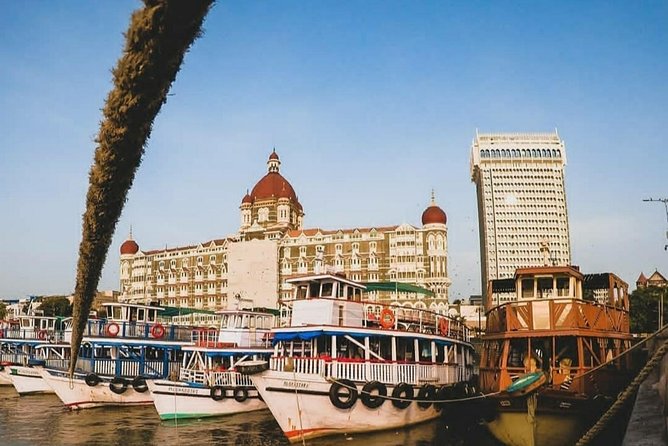
Gateway of India (and the Taj Mahal Palace area)
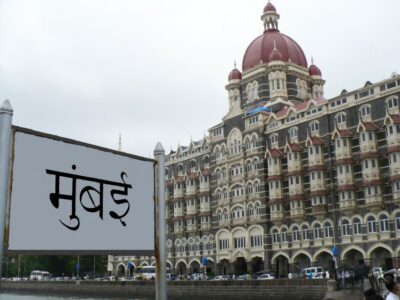
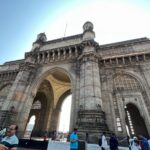
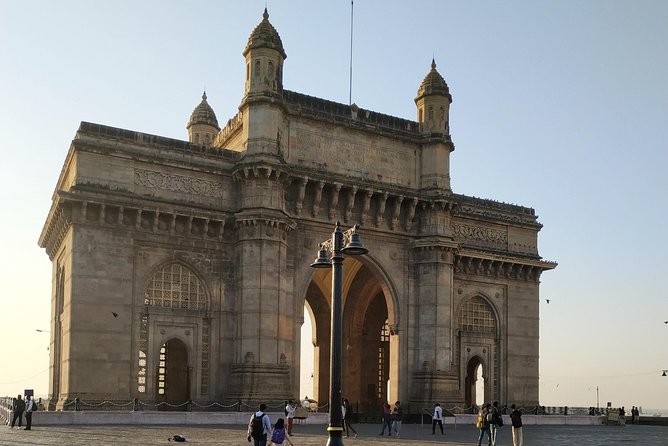
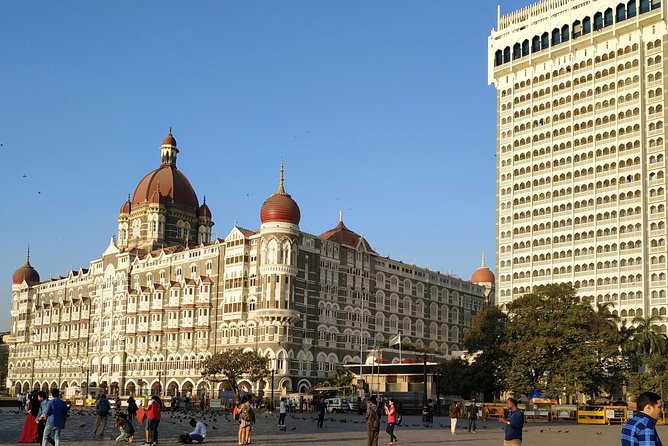
Gateway of India is the obvious icon, and it’s easy to see why it’s on every list. The guide’s value is in explaining what the place represents in Mumbai’s story and why it’s a key meeting point. If you’ve ever wondered what people mean when they talk about Mumbai as a city of arrivals and departures, this is where that idea gets visual.
Marine Drive and Nariman Point
These areas are famous for their sea-facing views, but they’re more than a pretty coastline. You’ll see the kind of “public elegance” Mumbai is known for—walkable promenades and viewpoints where people show up simply to watch the city move. It’s one of the easiest ways to pick up the vibe of Mumbai without needing deep background.
Chowpatty Beach
Beach time in a city doesn’t just mean sand. It’s part of how locals gather, relax, and socialize. Even if you don’t spend long here, it gives you another layer to the day’s atmosphere—different from the formal feel of the central monuments.
The route is designed to keep you moving, so you’ll get a lot of “wow” moments without waiting around. The tradeoff is that you won’t linger forever at any single photo spot—so if you hate tight pacing, keep that in mind.
Dhobi Ghat: laundry life you can picture instantly
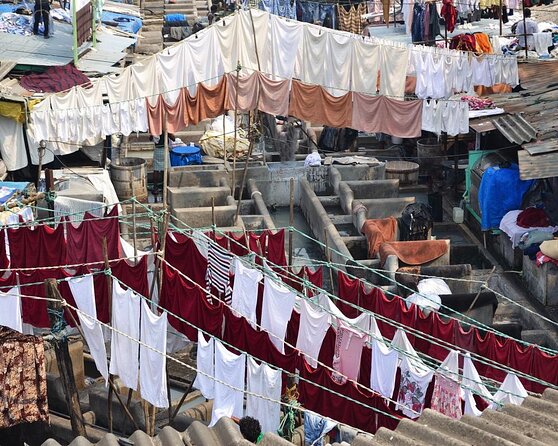
One of the most memorable parts is Dhobi Ghat, where laundry work is still a daily reality for many residents. The tour frames it in a simple, vivid way: a traditional laundry man collects your dirty linen, washes it, and returns it neatly pressed.
Even if you don’t stay long in the viewing areas, you’ll come away with a clearer picture of how an essential service can be both practical and community-based. This is also one of the best places to ask questions about the work itself—how people organize tasks, what equipment they use, and why this kind of system survives in a fast-changing city.
A good guide can make this more than a quick stop. When you’re listening while you look, you start noticing the details that most people miss—how the space is used, how routines keep things running, and how the work fits into neighborhood life.
Town Hall, Victoria Terminus, Municipal Building, and the Hanging Gardens feel
After the seafront and the big landmark areas, the city portion turns more architectural. This is where the tour helps you “read” Mumbai’s look.
You’ll pass or visit stops including:
Victoria Terminus (the grand railway building)
This is an architectural anchor. You’ll see it described as elegant, and that word fits: the building’s presence is impossible to ignore. The guide’s job here is to point out what makes it special so you don’t just see a pretty façade—you understand why it matters to the city.
Town Hall and the Municipal Building
These civic buildings signal how Mumbai organizes power and public life. Even if you don’t go inside, it helps to see them as part of the same city system that also produces street markets, neighborhoods, and transportation.
Hanging Garden
This one adds a breather. It’s a different kind of city scene—less monument, more atmosphere. You’ll get a break from the hardest visual density of downtown areas.
Mani Bhavan
This is another stop that’s worth it because it gives you a human story point within the city tour. Think of it as the moment where the day stops being only about buildings and viewpoints and starts remembering that cities are run by people.
The nice thing about stacking these stops is that you get variety in what you’re seeing: sea views, public spaces, civic structures, and a few places where history is tied to individual lives. The watch-out is that it can feel like a lot of transitions—so wear comfortable shoes and keep water in mind.
The Dharavi walk: up-close, guided, and not a theme-park

Then you drive to Dharavi for the slum tour portion. This isn’t just a sightseeing detour; it’s the core of the experience.
Plan for at least 1.5 hours walking inside Dharavi. That matters. This is not a quick “drive by” stop. You’ll be on foot long enough to notice how close daily life is—where work happens, where families live, and how people make practical solutions in tight spaces.
The tour is built around meeting and seeing enterprising residents. In other words, this is not only about hardship. You’ll also see business activity and the way commerce and livelihoods operate in the neighborhood. One of the most practical benefits of going with a guide is that you can understand what you’re seeing instead of turning it into vague assumptions.






How to make the Dharavi part respectful and useful
Since you’ll be walking and interacting in close quarters, go in with the right mindset:
- Keep your questions simple and direct. A good guide will do the framing for you.
- Ask before photographing people or inside workspaces. If something feels sensitive, skip it.
- Keep your pace steady. The route is designed as a walk, not a sprint.
And because it’s private, you’re less likely to feel rushed or pushed through. You can usually stop when something catches your attention.
Time management: 6 to 7 hours and the walking reality
The whole tour runs around 6 to 7 hours. That’s enough time to cover a long list of central Mumbai sights and still reach Dharavi for a meaningful walk.
Here’s how to think about the day:
- The city portion is a guided loop with many stops, so you’ll be moving frequently by car.
- Dharavi is where your time gets “spent” on the ground, not in traffic.
So if you’re considering this tour, plan your day around it. Don’t book anything tight right after. Give yourself room for a slower return—especially if you tend to get tired after long walks.
Also note the dress code: smart casual. In practice, that usually means clean, comfortable clothes and shoes you don’t mind using on uneven ground. Bring a light layer if you’re sensitive to air-conditioning while transferring between vehicle and outdoor stops.
Price and value at $29: what you’re really paying for
At $29 per person, the value comes from what’s included and what you’re not paying to arrange yourself.
Included:
- Air-conditioned vehicle
- Local guide
- Bottled water and a snack
- Admission ticket free (as listed)
- Private-tour structure for just your group
Not included:
- Lunch
That’s a pretty clear deal: you’re paying for guided movement across major sights plus a guided Dharavi walk. If you tried to do this alone, you’d likely spend time figuring out transport and still end up paying for a guide to understand Dharavi responsibly. Here, the guide role is built into the schedule, not added as an afterthought.
Two small points that can affect value:
- If you want pickup, make sure you’re clear on how it’s arranged for your group. The tour lists pickup as offered, but the meeting point is in the Fort / Chhatrapati Shivaji Terminus area.
- Because lunch isn’t included, you’ll want a plan for food before or after. The snack helps, but it won’t replace a full meal for a 7-hour day.
If you’re the kind of visitor who likes to keep a tight itinerary without feeling frantic, this price makes more sense than it first appears.
Getting the most from your private guide (Sunny and Mr. Nisar energy)
A huge part of the experience is the guide. The city stops are easy to photograph, but it’s the explanations that make them stick. In feedback, guides like Sunny and Mr. Nisar are praised for how they explain what you’re seeing and how friendly they are while guiding.
You can use that to your advantage:
- Ask for the “why” behind what you’re looking at, not only the name.
- If you care about photos, tell your guide what you want before you start. One of the recurring positives in feedback is that guides took time for lots of pictures when requested.
- In Dharavi, ask questions about daily work and the businesses you see. A good guide can help you keep it grounded and respectful.
Private also means you can set your comfort level. If you want more time at a viewpoint, you can often negotiate it with your guide based on the day’s flow.
Who this tour fits best (and who should skip it)
This is a great match if you want:
- A first-time orientation to Mumbai with big-name landmarks and a local guide
- A chance to see Dharavi on foot with context, not just from a vehicle
- A day that’s efficient without feeling like you’re sprinting without information
It might not be ideal if:
- You don’t do well with walking or you have mobility constraints. Dharavi includes at least 1.5 hours walking inside.
- You hate structured itineraries and prefer pure wandering. This tour is scheduled.
For most people with normal mobility and a curiosity for city life beyond the usual postcards, it’s a solid, practical choice.
Should you book this Mumbai sightseeing plus Dharavi tour?
Yes—if you want a guided day that connects Mumbai’s famous sights with the neighborhood reality that makes the city work. The value at $29, the AC transport, and the fact that Dharavi is handled with a guided walk (not a drive-by) are strong reasons to choose it.
Before you book, do two quick checks:
- Are you ready for smart-casual clothes plus real walking time in Dharavi?
- Can you handle skipping lunch during the day and grabbing food before/after?
If those fit your style, you’ll come away with a better mental map of Mumbai—one that includes both the monuments and the daily enterprise happening right beside them.
FAQ
How long is the tour?
It lasts about 6 to 7 hours.
Is this tour private?
Yes. It’s a private tour/activity, and only your group participates.
Where does the tour start and end?
It starts at the General Post Office Mumbai, Chhatrapati Shivaji Terminus Area, Fort area, and it ends back at the meeting point.
Is pickup available?
Pickup is offered, and the itinerary begins from the central meeting point area listed.
What’s included in the price?
Included are bottled water, a snack, a local guide, and an air-conditioned vehicle.
Is lunch included?
No. Lunch is not included.
What are the main sights during the Mumbai city part?
You’ll visit major sights including the Gateway of India, Taj Mahal Palace, Dhobi Ghat, Town Hall, Victoria Terminus, the Municipal Building, Marine Drive, Nariman point, Chowpatty Beach, Hanging Garden, and Mani Bhavan.
How long do you walk in Dharavi?
You should plan for at least 1.5 hours walking inside Dharavi.
What should I wear?
The dress code is smart casual.
Can I cancel for free?
Yes. Free cancellation is available if you cancel up to 24 hours in advance of the start time.
Are tickets included?
The listing indicates admission ticket free.