REVIEW · MUMBAI
3 Hours Early Morning in South Mumbai Heritage Bicycle Tour
Book on Viator →Operated by Mumbai Dream Tours · Bookable on Viator
Mumbai wakes up before you do.
On a cool 3-hour ride, I love how this route shows major sights like Gateway of India while keeping the crowds down, and I also love the practical comfort perks—bikes, helmets, and bottled water/drinks—so you’re not scrambling in the morning. The tradeoff is simple: you’re up early (morning sessions run around 6:00 AM), and you’ll want at least moderate fitness for steady pedaling plus short walks at stops.
This is the kind of tour that can save you time and stress. You’ll hop between iconic colonial-era buildings, an old dock area, major bazaars, and a temple route—without relying on stop-and-go traffic. Since the group max is 15, the pace stays manageable and your guide can steer you through back lanes when things get tight near the famous spots.
In This Review
- Key highlights worth getting up for
- Why the 6:00 AM start changes everything
- Price and value: what $36.29 buys you
- Meeting point in Colaba: getting rolling without confusion
- Stop-by-stop: South Mumbai’s major landmarks and everyday places
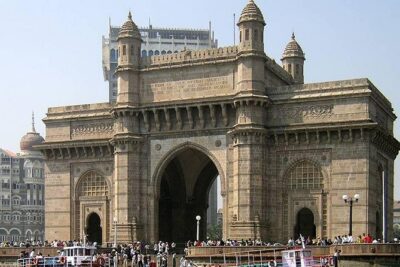
- Gateway of India: colonial grandeur with an active waterfront vibe
- Chhatrapati Shivaji Terminus: train power and monumental architecture
- Crawford Market: a historic shopping engine that still works
- Marine Drive: the Queen’s Necklace view, in the gentler light
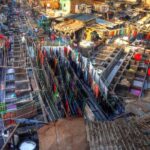
- Sassoon Dock: age-old maritime work since 1875
- Bombay Panjrapole: the cow-donation tradition behind temple prasad
- Mumba Devi Temple: a goddess with local roots
- Zaveri Bazaar: jewelry trading and variety you can actually see
- How riding changes your perspective (and helps you beat traffic)
- The group size and your guide: why it feels smoother than DIY
- Who should book this bike tour
- Who might want a different option
- Should you book the 3-hour South Mumbai heritage bicycle tour?
- FAQ
- How long is the early morning South Mumbai heritage bicycle tour?
- What time does the morning tour start?
- Where do I meet, and does the tour end there too?
- Are bikes and helmets included?
- Are there admission fees for the stops?
- What’s the maximum group size?
Key highlights worth getting up for
- Less-crowded takes on headline sights like Gateway of India before the day thickens
- Small group riding (max 15) that keeps the route feeling relaxed
- Free admissions at every stop, so you’re not doing surprise ticket math in your morning
- Back-lane touring by bike, which helps you cover distance without losing time to traffic
- Real neighborhood stops, including Crawford Market, Sassoon Dock, and Zaveri Bazaar
- Culture stops that move beyond photos, like Bombay Panjrapole and Mumba Devi Temple
Why the 6:00 AM start changes everything
If you’ve ever tried to see South Mumbai later in the day, you already know what happens: heat builds, people multiply, and every “quick photo stop” turns into a mini queue. Starting early is the whole point here. You’re riding when streets are calmer, light is better for photos, and the city feels more like a living neighborhood than a theme park.
The ride is designed for speed of discovery, not speed for its own sake. You’ll cover several famous landmarks and still finish with your whole day ahead. That matters in Mumbai, where a big chunk of your energy can disappear just traveling between areas.
You can also read our reviews of more historical tours in Mumbai
Price and value: what $36.29 buys you
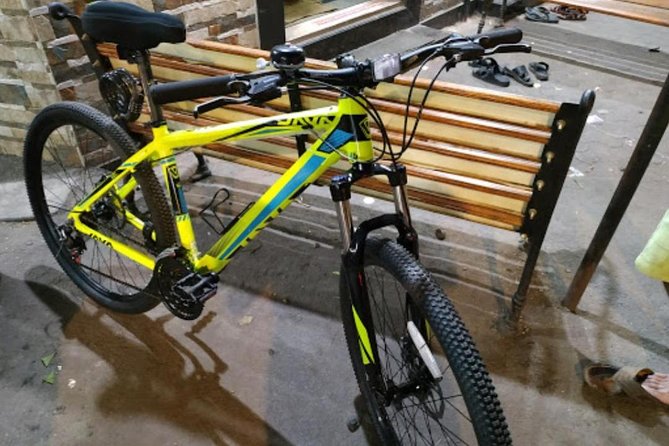
At about $36.29 per person for roughly 3 hours, this tour is good value because it bundles the essentials that usually cost extra. You get a professional guide, plus a bicycle and helmet (upon request), plus drinks and bottled water during the tour.
What you’re not paying for is just as important. All the included stops list free admission, so you won’t hit the usual “ticket required” surprises at major sights. You should still plan to budget tips if you want, since tips aren’t included.
The big question is whether three hours is enough. In this case, it is—because the focus is on movement + meaning. You don’t just point and shoot; you get context from a guide while biking between places you’d have trouble linking efficiently on your own.
Meeting point in Colaba: getting rolling without confusion
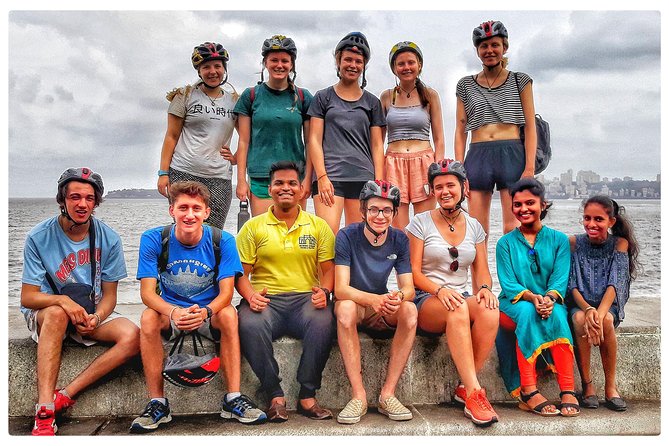
The tour starts and ends at Kailash Parbat Restaurant in Colaba. Your meeting location is clearly pinned to the Colaba area near Apollo Bandar, and the tour notes that it’s near public transportation—handy if you’re coming from Fort or elsewhere in Mumbai.
One practical tip: arrive early enough to handle basics—bathroom stop, water sip, and helmet fitting. With bike tours, the “first 10 minutes” matters. When everyone starts together smoothly, the rest of the morning feels effortless.
Also note the format: you’ll use a mobile ticket, which keeps things simple if your phone battery behaves.
Stop-by-stop: South Mumbai’s major landmarks and everyday places
The tour is paced with short visits at each place (typically around 20–30 minutes each). That sounds brief, but on foot in Mumbai it adds up fast. From the bike you’ll already see the key angles, then your guide uses the short stop to explain what you’re looking at and why it matters.
Below is what you can expect at every major stop, plus the tradeoffs.
Gateway of India: colonial grandeur with an active waterfront vibe
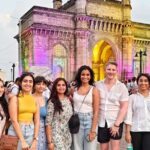
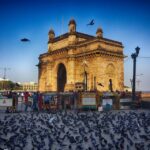
You begin at Gateway of India, built during the British Raj. This is a classic Mumbai anchor point—so yes, it’s busy later—but early helps. The waterfront area also has ferry services and other activities, which means you’ll feel the place’s energy even before the crowds swell.
What I like about this stop on a bike tour is that it’s more than a “standing moment.” You get the setting: sea views, the historic structure, and the sense that this corner has long been a front door to the city.
Downside to plan for: this stop can be visually intense (ships, crowds, vendors, cameras). If you’re expecting quiet, temper that with reality. Early morning still feels calmer than later, but it’s never totally empty.
You can also read our reviews of more tours and experiences in Mumbai
Chhatrapati Shivaji Terminus: train power and monumental architecture
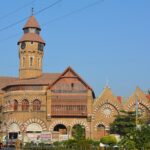
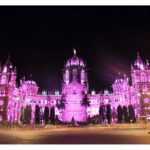
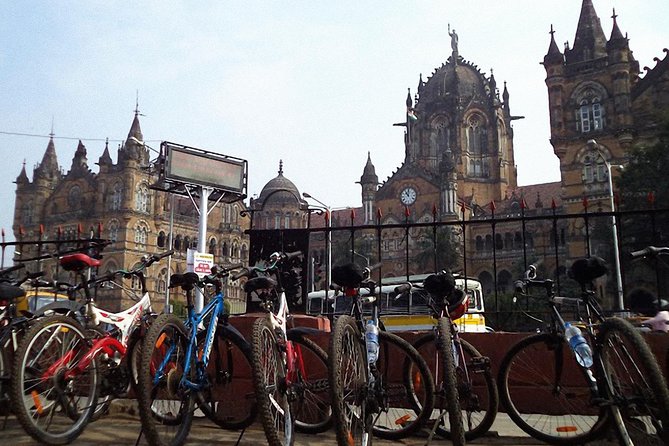
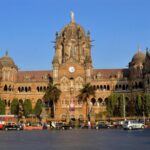
Next is Chhatrapati Shivaji Terminus (CST). The outside is a big deal—its colonial-era architecture shows the kind of permanence Mumbai built into its railway era. The tour also calls out the station’s excellent connectivity to central, harbor, and outstation trains, and you feel that practical importance instantly.
Even if you don’t go inside, the exterior gives you a strong “this city runs on movement” lesson. It’s one of those places where your eyes follow details automatically—arches, symmetry, the sheer scale.
Tradeoff: because it’s a working station, activity never fully shuts off. You’ll likely see constant foot traffic even early.
Crawford Market: a historic shopping engine that still works
Then you roll toward Crawford Market, described here as the first shopping destination that ran on electricity in earlier times. That detail is useful, because it tells you this wasn’t just built for beauty—it was built for commerce and practicality.
What you get at this stop is a snapshot of Mumbai’s trading life, not just a landmark photo. You’ll see the kind of busy lanes where people come to buy, compare, and bargain (even in the morning).
Possible drawback: markets can be sensory-heavy. If you’re sensitive to noise or crowds, arrive with the mindset of “morning market energy,” not “museum calm.”
Marine Drive: the Queen’s Necklace view, in the gentler light
Marine Drive is next, known as the “queen necklace” for how it wraps along the Arabian Sea. Early morning is a great time to see it, because the long strip can feel dramatic without the later-day crush.
This stop adds a breath of space to the tour. After dense streets and market corners, the sea-view line helps your brain reset.
Tradeoff: it’s still an iconic promenade area. If you’re hoping for solitude, you might not get it. You’ll get better calm than midday, though.
Sassoon Dock: age-old maritime work since 1875
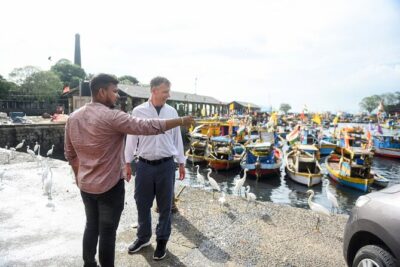
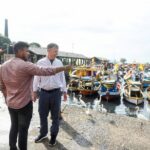
You’ll then reach Sassoon Dock, noted as one of the oldest docks, constructed in 1875. This is one of those Mumbai stops where the story is less about glamour and more about how trade shaped the city.
What I love about pairing this with Marine Drive is that you get both sides: the ocean-front beauty and the working infrastructure behind it. You start to understand why Mumbai grew the way it did.
Downside: docks are functional places, so visuals can be more industrial than scenic. If you want only postcard sights, you might find this more “real-world Mumbai” than “easy photo.”
Bombay Panjrapole: the cow-donation tradition behind temple prasad
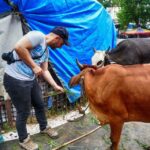
Next is Bombay Panjrapole, where the concept is tied to village traditions of donating cows so a temple could use the milk for prasad—often kheer, and sometimes mava and other sweets. That’s a memorable cultural detail because it turns a name into a real ritual system: food, care, and devotion connected.
This is also a good moment to slow down mentally. When your guide explains why this tradition exists, it stops being just another stop on a map.
Consideration: because this stop relates to temple-life practices, the atmosphere may feel more local and less tourist-friendly than the big landmarks. If you like respectful, quiet observation, you’ll likely enjoy it.
Mumba Devi Temple: a goddess with local roots
Then you visit Mumba Devi Temple (Mumbā Devi Mandir), dedicated to the goddess Mumbā, described as the local incarnation of Devi. The notes here add cultural grounding: the Marathi name मुंबा (Mumba) is said to derive from Sanskrit.
This stop is valuable because it gives context for Mumbai’s belief systems in a way you can’t easily get from the outside of a famous building. It’s also a reminder that Mumbai’s identity is not only colonial-era architecture and market streets—it’s also living faith.
Tradeoff: temple rules and local flow can vary day to day. You’ll want to listen to your guide on what to do and where to stand, so the experience stays respectful.
Zaveri Bazaar: jewelry trading and variety you can actually see
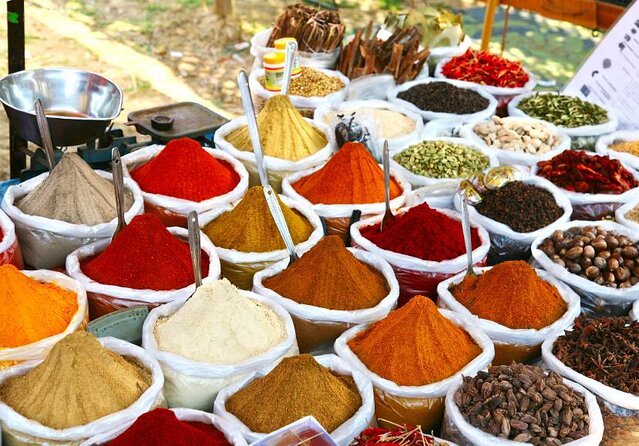
Finally, you reach Zaveri Bazaar, famous for jewelry shopping—gold, diamonds, artificial necklaces, zhoomka, rings, and more. This is where the morning tour becomes practical. Even if you don’t buy, you get a sense of the craft and commerce in action.
What I like here is that it’s not presented as a museum-style stop. You’ll be in the kind of street marketplace where people know what they’re looking for, and where value can be tied to material and design.
Possible drawback: jewelry markets attract attention and crowds, even early. If you’re just window-shopping, be ready for people to engage. Your guide can help you navigate the flow so you’re not stuck in confusion.
How riding changes your perspective (and helps you beat traffic)
One reason these bike tours work is simple: you cover distance without getting trapped. In Mumbai, traffic isn’t just annoying—it steals time from every plan. By riding, you move through areas that would take far longer if you were constantly waiting for cars and buses.
The route also gives you a “stitched-together” view of the city: waterfront monuments, working rail architecture, market districts, dockland history, and temple culture. On a bus or taxi, you might see the landmarks. By bike, you actually connect them.
That said, bike comfort matters. Helmet included helps, but you should still come wearing supportive shoes and be ready for a few short walking segments.
The group size and your guide: why it feels smoother than DIY
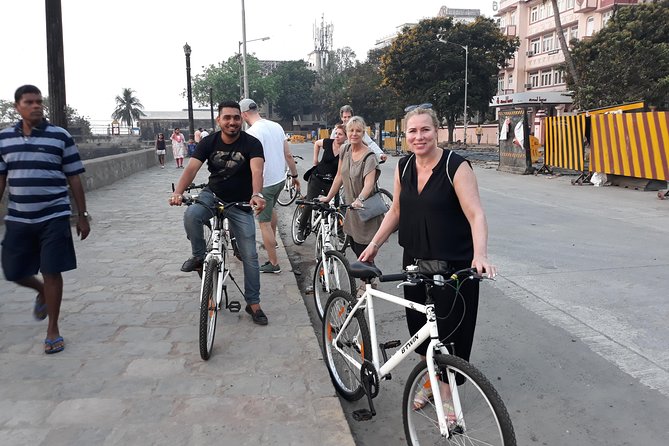
This tour caps at 15 travelers, which is a sweet spot. Big groups can turn every stop into a scramble. Here, your guide can keep people moving, explain what matters, and adjust pacing when a street is crowded.
I also like that the guide is described as professional and highly qualified. On a tour that packs many stops into three hours, a good guide makes the difference between “I saw things” and “I understood what I was looking at.”
You’ll also get drinks during the tour plus bottled water, which is a real comfort benefit. Mumbai mornings can still feel warm, and having water taken care of makes the ride less stressful.
Who should book this bike tour
This is a great fit if you:
- Want to see multiple major South Mumbai sights in just a few hours
- Prefer a route that avoids traffic grind
- Like temples and markets as much as big landmarks
- Stay around Colaba or Fort, where early access to this area is especially useful
It’s also ideal if you’re the type who likes to start the day with motion. After this ride, you’ll have context for the rest of your sightseeing, because you’ll understand how the city’s history and trade connect.
Who might want a different option
Consider skipping (or choosing a gentler alternative) if:
- You’re not comfortable with moderate early-morning activity
- You hate being around active market areas or working infrastructure (rail stations, docks)
- You expect lots of free time at each stop
This tour is structured—designed to move. If you’re after long stays and slow wandering, it may feel a bit tight.
Should you book the 3-hour South Mumbai heritage bicycle tour?
I’d book it if you want a smart, efficient introduction to South Mumbai that still feels like you’re living inside the city. The pricing works because bikes, helmets, a guide, and water are included, and the fact that admissions at the stops are free keeps the morning straightforward. Plus, the early start is the best kind of travel hack: fewer crowds, cooler conditions, and you still get your full day after the ride.
One final reality check: this is a morning program, not a late brunch plan. If you can handle waking up early, you’ll likely get the most out of it—especially the mix of landmark scale and everyday street life.
FAQ
How long is the early morning South Mumbai heritage bicycle tour?
It’s about 3 hours.
What time does the morning tour start?
The morning tour starts at 6:00 AM.
Where do I meet, and does the tour end there too?
You meet at Kailash Parbat Restaurant in Colaba, and the tour ends back at the same meeting point.
Are bikes and helmets included?
Yes. A bicycle and helmet are provided upon request.
Are there admission fees for the stops?
No. The listed stops have free admission ticket noted for each one.
What’s the maximum group size?
The tour has a maximum of 15 travelers.