REVIEW · MUMBAI
Mumbai City + Dabbawala aka Lunchbox + Train Ride Tour – The Unfeigned Mumbai.
Book on Viator →Operated by Young Tours And Travel · Bookable on Viator
Mumbai runs on lunches and trains. This 5-hour private tour gives you a sharp slice of real Mumbai life by mixing a local train ride with working neighborhoods and big-city landmarks, all in one day. You start in the commuter world, then roll through places like Mani Bhavan (Gandhi’s Mumbai base), Marine Drive, Gateway of India, and Chhatrapati Shivaji Maharaj Terminus.
I like two things a lot. First, you get the dabbawala lunchbox system explained where it matters, not as a museum concept. Second, the route is built for a fast overview: you’ll cover major sights without turning your day into a checklist exercise.
One consideration: the day is packed, so several stops are brief, and lunch isn’t included. If you need long photo breaks or a long meal, you’ll want to plan your own time around the tour.
In This Review
- Key highlights worth your time
- The value: a 5-hour city reset with train time
- Getting picked up and using a mobile ticket in Mumbai
- Churchgate Railway Station and the dabbawala lunchbox system
- Dhobi Ghat: Mumbai’s outdoor laundry world at Mahalaxmi
- Mani Bhavan Gandhi Museum: Gandhi’s Mumbai base, 1917 to 1934
- Hanging Gardens (Pherozeshah Mehta Gardens): built over a reservoir
- Kamala Nehru Park: a classic old park with a playful shoe structure
- Marine Drive: the 3.6 km promenade moment
- Gateway of India: the 1911 landing and Indo-Saracenic design
- Rajabai Clock Tower and the University skyline
- Bombay High Court area: 1862 origins with seven judges
- Chhatrapati Shivaji Maharaj Terminus (CSMT): ending at the rail cathedral
- Price, timing, and whether this fits your style
- Should you book this tour?
- FAQ
- How long is the Mumbai City + Dabbawala + Train Ride tour?
- What does the tour cost?
- Is hotel pickup included?
- What’s included in the price?
- Is lunch included?
- Do I ride a local train on this tour?
- What stops are included?
- Is this a private tour?
- What’s the cancellation policy?
Key highlights worth your time
- Churchgate to the dabbawala workflow: Meet the lunchbox delivery and return system where it starts and learn how hot food reaches workers.
- Dhobi Ghat’s outdoor laundromat: See dhobis wash hotel and hospital linens in the open-air work area at Mahalaxmi Dhobi Ghat.
- Mani Bhavan Gandhi Museum: Walk through Gandhi’s Mumbai headquarters period (1917 to 1934) with admission included.
- British-era-to-modern city landmarks: Marine Drive, Gateway of India, Rajabai Clock Tower, and CSMT in one guided sweep.
- Private, small-group pace: It’s a private tour/activity, so you’re not blended into a crowd tour group.
The value: a 5-hour city reset with train time
This tour is priced at $69.99 per person and is often booked about 33 days in advance, which tells you it’s a popular way to get oriented. The big value is that you’re not just sightseeing from a car. You ride a local train with your guide, which is the fastest way to understand how Mumbai moves.
You also get practical comfort built in. There’s hotel pickup from select places and an air-conditioned vehicle for transfers. Bottled water plus coffee and/or tea are included, which matters in Mumbai’s heat and long commutes. And admissions and taxes are included, so you’re less likely to hit surprise costs at each stop.
You can also read our reviews of more city tours in Mumbai


Getting picked up and using a mobile ticket in Mumbai
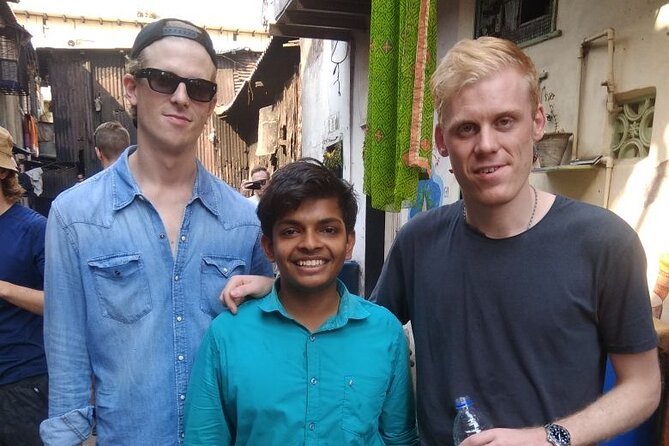
You’ll start with pickup from select Mumbai hotels, then move through the city by private transport. The tour provides a mobile ticket, which is convenient when you’re navigating a busy city and don’t want to manage paper tickets.
Because it’s a private tour/activity, only your group participates. That tends to make a difference with timing. Your guide can adjust the pace if you’re slower at photo stops or if you’re trying to understand a place without feeling rushed into the next location.
Churchgate Railway Station and the dabbawala lunchbox system
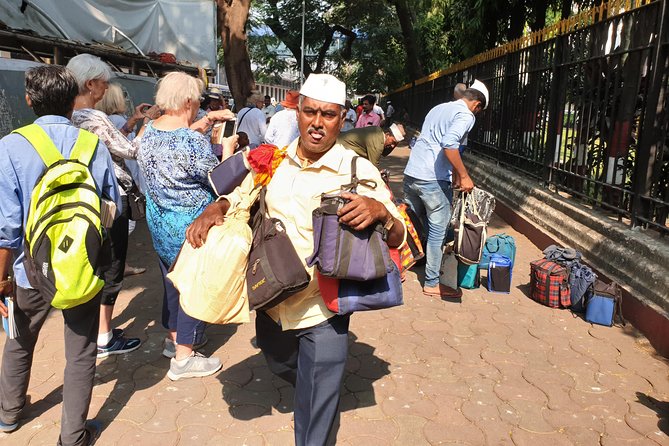
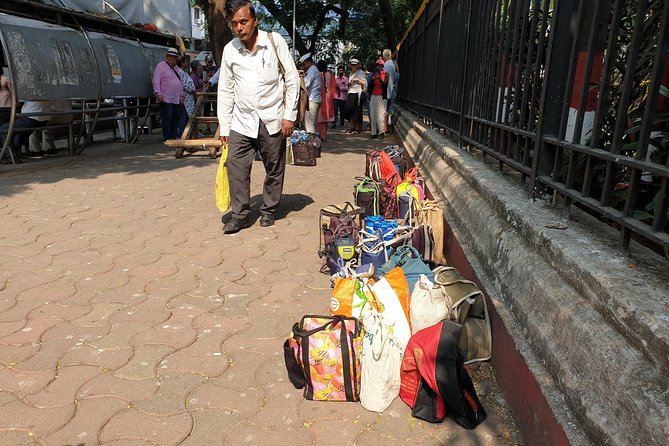
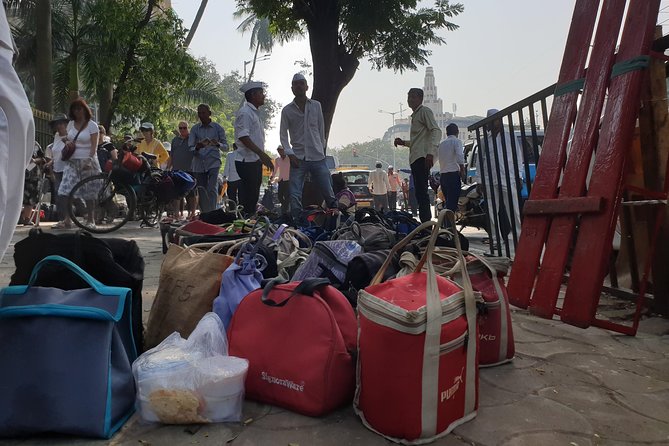
You begin at Churchgate Railway Station, a fitting starting point because it’s tied to the dabbawalas’ daily delivery rhythm. The dabbawalas (also written dabbawallahs or tiffin wallahs in older sources) run a lunchbox delivery and return system. The whole point is getting hot meals from homes and restaurants to people during the workday, then collecting the returned lunchboxes afterward.
Why this stop is powerful: it turns Mumbai from scenery into a system. Once you understand the lunch workflow, a lot of the city makes more sense. You start noticing commuters, meal timing, and the behind-the-scenes logistics that keep daily life moving.
What to keep in mind: this part of the tour is tied to where crowds and movement happen naturally. It’s not a quiet, controlled visit. If you’re sensitive to busy stations, plan to focus on what your guide explains and treat the environment as part of the experience.
Dhobi Ghat: Mumbai’s outdoor laundry world at Mahalaxmi
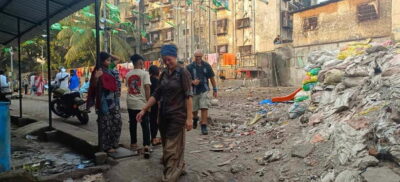
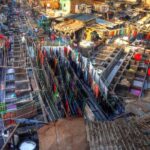
Next comes Dhobi Ghat (Mahalaxmi Dhobi Ghat), an open-air laundromat where dhobis work in the open to clean clothes and linens from hotels and hospitals. Admission is listed as free, which is a nice bonus for a stop that feels both practical and human.
This is one of those places that can’t be recreated in a photo. You’re seeing work happen in real time. It also gives you a different angle on infrastructure: Mumbai doesn’t separate daily survival labor from the city view. It’s part of the skyline.
Practical consideration: it’s outdoors. If you’re visiting during hot hours or rain, you’ll feel it. Dress for the weather and keep your water handy, since bottled water is included but you’ll still want to stay comfortable.
Mani Bhavan Gandhi Museum: Gandhi’s Mumbai base, 1917 to 1934
At Mani Bhavan Gandhi Museum, you step into Gandhi’s Mumbai headquarters for about 17 years, from 1917 to 1934. Admission is included, so you can spend your time inside without worrying about ticket hassles.
This stop matters because it connects Mumbai to a personal story of leadership and planning, not only grand monuments. Gandhi’s long Mumbai period helps you understand why the city shows up in the wider freedom movement story in a lasting way.
If you prefer museums with context, this is a good choice. You get a guided look at a place that functioned as a working base, which tends to make history feel more grounded than a distant timeline.



Hanging Gardens (Pherozeshah Mehta Gardens): built over a reservoir
You’ll then visit the Hanging Gardens, also called Pherozeshah Mehta Gardens. They were first built in 1881, and the gardens are said to have been designed by Ulhas Ghapokar over one of Bombay’s main water reservoirs, partly to protect it from pollution.
That detail is why this stop feels more than scenic. The city literally layers needs on top of each other: water, public space, protection, and design. A quick break in the route also helps because the rest of the day is very moving and very photo-heavy.
This is a shorter visit on the schedule, with free entry noted. Treat it as a quick reset: cool shade if you get it, a few photos, then back to the city.
Kamala Nehru Park: a classic old park with a playful shoe structure
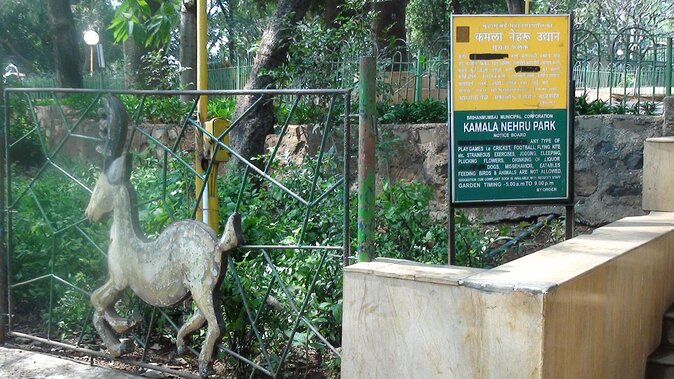
After the Hanging Gardens, you’ll stop at Kamala Nehru Park, named after Kamala Nehru, the wife of Jawaharlal Nehru. It’s described as one of Mumbai’s oldest parks. You’ll also see a shoe structure inspired from a nursery rhyme.
Even if you’re not a park person, I like this stop because it’s a reminder that Mumbai isn’t only history and monuments. It’s also everyday leisure, small public landmarks, and the way people use open space for a break.
It’s a brief stop, but the bonus is that it gives your legs a small rest without forcing you to lose momentum in the tour.
Marine Drive: the 3.6 km promenade moment
Then you head to Marine Drive, often used interchangeably with Netaji Subhash Chandra Bose Road, covering a 3.6 km stretch. The road and promenade were constructed by philanthropist Bhagojisheth Keer.
Marine Drive is one of those Mumbai places you’ve likely heard of even if you’ve never visited India. Seeing it with a guide helps because you’re not just staring at the view. You’re getting the city geography: where people walk, where the shoreline becomes a public space, and how the city frames its own coastline.
This stop is listed as free and short on time. If you care about photos, aim for a quick plan with your guide on the best angles you can manage without feeling like you’re sprinting.
Gateway of India: the 1911 landing and Indo-Saracenic design
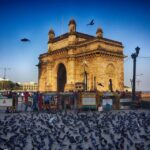
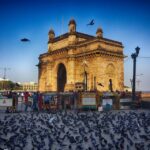
Your tour moves to the Gateway of India, built to commemorate the landing of King George V and Queen Mary at Apollo Bunder in 1911. It’s described as Indo-Saracenic style, and the stop is free.
Why this works on a guided day: it’s not only a monument. It’s a hinge point between the colonial-era story and Mumbai’s later identity. Your guide can help connect the why behind the building so it doesn’t feel like a postcard you pass through.
Keep expectations realistic. This is a popular landmark, so you’ll want to be patient and focus on the details your guide points out: style, location, and the story of what it was built to mark.
Rajabai Clock Tower and the University skyline
Next is the Rajabai Clock Tower on the University of Mumbai premises. The tower is designed by Sir George Gilbert Scott in 1878, and it’s a standout piece of architecture by sheer design logic and scale.
This stop is quick, but the clock tower is an easy place to understand Mumbai’s architectural language: British-era design meets Indian city life. You don’t need a long explanation to appreciate it. You just need a guide who points out what to notice, like the year and the architect, and how it fits into its setting.
It’s listed as free and around 10 minutes, so it’s best treated as a photo stop with context, not a long architecture tour.
Bombay High Court area: 1862 origins with seven judges
The schedule includes a stop at/near the Bombay High Court context. The tour notes that the high court was established on August 14, 1862, under the Indian High Courts Act, 1861, enacted by the British Parliament. It also notes that the functioning began with 7 judges.
Even with limited time, this kind of stop is useful. You start seeing the city as a legal and administrative hub, not only a trade port and tourist corridor. It’s a reminder that the British-era institutions shaped the city’s structure in ways that lasted.
Because your time here is brief, don’t over-plan. Let the guide give you the basic facts and then move on to the rail centerpiece.
Chhatrapati Shivaji Maharaj Terminus (CSMT): ending at the rail cathedral
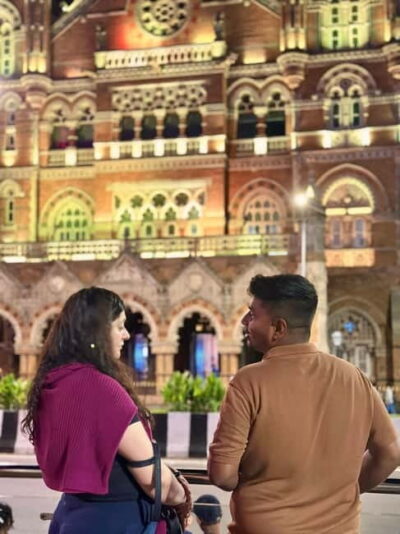
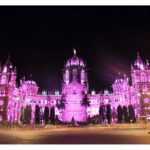
You finish with Chhatrapati Shivaji Maharaj Terminus. It was known as the most expensive structure in Mumbai, and in 1996 it was renamed to its current name. The tour also notes it’s coded as CSMT or CST.
This is a great ending point because it ties the day back to the theme: trains, movement, and the city’s working engine. You spent the earlier part of the day at Churchgate in the commuter world, and now you land at a major rail landmark with strong identity.
Short stops can still feel meaningful if they land in the right spot. Ending here gives your afternoon a sense of arrival rather than just continuing through traffic.
Price, timing, and whether this fits your style
At $69.99 for a 5-hour private tour, you’re paying for three things: a focused route, private transport with pickup, and the cost of included admissions plus the local train ride guided by someone who knows where to take you.
If you only have a day in Mumbai and want a fast but grounded introduction, this tour makes sense. One of the strongest points from people who’ve done similar city-intro tours is the idea of getting your bearings quickly. This route does that by combining daily-life stops with big landmarks.
It’s also a good fit if you like seeing how people work. The dabbawalas and dhobis stops shift the story from monuments to living systems.
The main mismatch risk is time pressure. Since several landmark visits are short, you won’t get a slow, lingering museum day. And because lunch isn’t included, you should plan to eat before or after the tour depending on your schedule.
Should you book this tour?
I’d book it if:
- You want a true Mumbai day intro with both daily work and major landmarks.
- You value the local train ride instead of only driving by sights.
- You like the idea of understanding the city through systems like meal delivery and public laundering.
I’d skip it or adjust expectations if:
- You need long stop times to browse independently.
- You’re very food-timing sensitive since lunch isn’t included.
- You dislike busy public spaces because the train and station area are part of the experience.
If you want one tour that helps you understand Mumbai quickly without turning the day into a rigid, too-fast stamp collection, this is a solid pick.
FAQ
How long is the Mumbai City + Dabbawala + Train Ride tour?
The tour lasts about 5 hours.
What does the tour cost?
The price is $69.99 per person.
Is hotel pickup included?
Yes. Pickup from select Mumbai hotels is included.
What’s included in the price?
You get bottled water, coffee and/or tea, air-conditioned vehicle, all fees and taxes, and private transportation.
Is lunch included?
No. Lunch is not included.
Do I ride a local train on this tour?
Yes. The tour includes taking a local train ride with your guide.
What stops are included?
The route includes Churchgate Railway Station, Dhobi Ghat, Mani Bhavan Gandhi Museum, Hanging Gardens, Kamala Nehru Park, Marine Drive, Gateway of India, Rajabai Clock Tower, the Bombay High Court area, and Chhatrapati Shivaji Maharaj Terminus.
Is this a private tour?
Yes. It’s a private tour/activity, and only your group participates.
What’s the cancellation policy?
You can cancel for a full refund with free cancellation up to 24 hours in advance of the experience start time.