REVIEW · MUMBAI
Mumbai City Sightseeing with Elephanta Caves Full Day Tour
Book on Viator →Operated by Explore Mumbai Tours · Bookable on Viator
Elephanta Caves look better with a guide. This full-day tour strings together the Gateway of India, a scenic ferry ride, a short toy-train segment up to the UNESCO caves, then a smart whirlwind through South Mumbai’s big landmarks and markets.
I really like two things about this setup: the hands-on Elephanta experience with a local island guide (for many departures, that guide is Trikal) plus the way the city portion keeps moving without feeling like a checklist. I also appreciate the people behind it—names like Sharon (city guide), Priti (smooth, detailed guiding), Saddam (friendly, informative pacing), and drivers such as Deepak show up often, and that matters in a city where traffic and crowds can make your day messy.
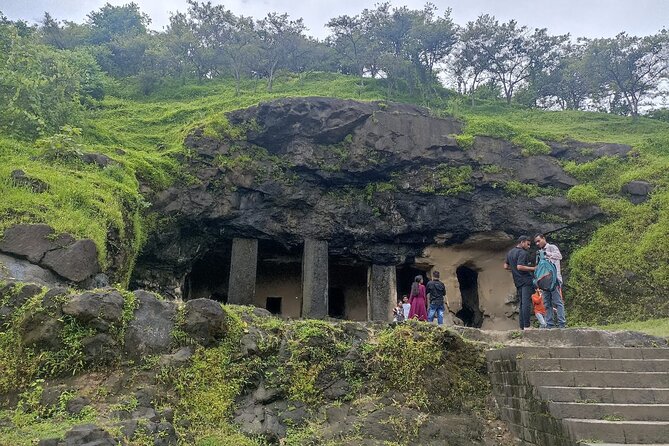
One consideration: Elephanta involves walking and steps. If you have mobility issues, plan for stairs in the cave areas and a bit of uneven terrain on the island.
In This Review
- Key things to know before you go
- Why Elephanta and South Mumbai in One Long Day Works
- From your pickup to Gateway of India: the day starts easy
- Ferry to Elephanta Island: views, timing, and what the ride adds
- The toy train and the walk up: where the steps start to matter
- Elephanta Caves (UNESCO): what you’ll actually see and why the guide changes it
- After the caves: Dhobi Ghat and Oval Maidan for real Mumbai texture
- University of Mumbai, Rajabai Clock Tower, and Bombay High Court: architecture that rewards attention
- Marine Drive and Malabar Hill gardens: sea views plus a softer pace
- Mani Bhavan Gandhi Museum and CSMT: two powerful stops that don’t feel random
- Crawford Market and Colaba area time: shopping that fits the schedule
- Price and value: what $89.45 buys you (and what it doesn’t)
- Weather, pace, and comfort tips for this 8 to 10 hour plan
- Should you book this Mumbai + Elephanta full-day tour?
- FAQ
- How long is the Mumbai City Sightseeing with Elephanta Caves full-day tour?
- Is hotel pickup included?
- Are tickets and entrance fees included?
- What about meals during the day?
- Is there water or WiFi on the tour?
- What languages are the guides available in?
- What if the weather is bad?
Key things to know before you go
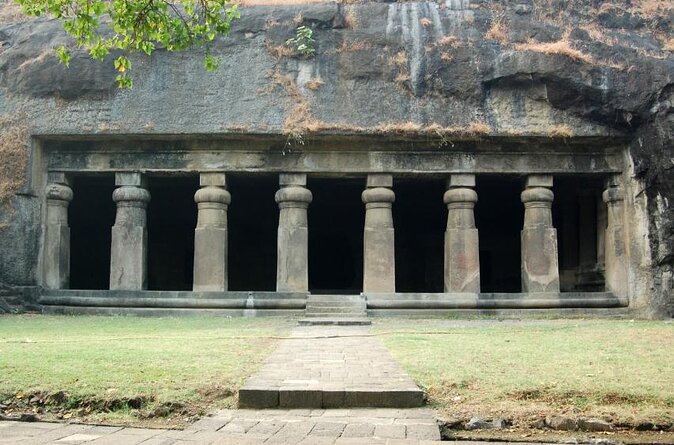
- Elephanta is the main event, and you get actual guidance inside the rock-cut temple spaces, not just a drop-off.
- Ferry + coastline views set the mood early, from Mumbai’s waterfront toward Elephanta Island.
- South Mumbai landmarks get smart time slices—mostly short stops for architecture and photos, then quicker museum and market time.
- Mani Bhavan Gandhi Museum is included, with about a 30-minute block—enough to make it meaningful.
- Pace is busy by design. It’s a long day (about 8 to 10 hours), so bring comfy shoes and a water plan.
- If boat conditions fail, the plan may shift. On some dates, high tide has triggered an alternate activity.
Why Elephanta and South Mumbai in One Long Day Works
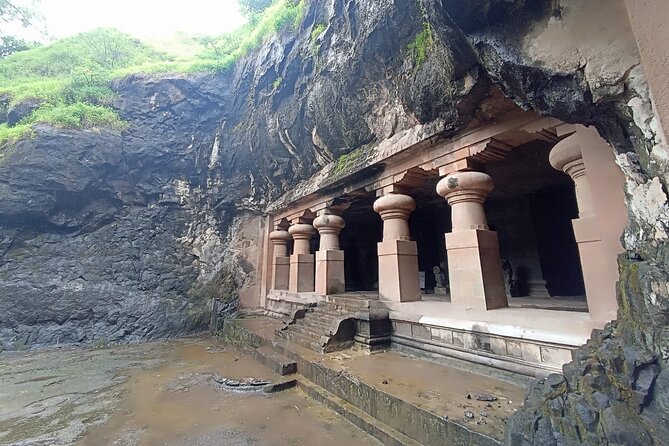
Mumbai can feel chaotic if you try to do everything solo. This tour reduces the mental load: pickup, transport, and ticketed parts are handled, so you can focus on seeing. The Elephanta Caves portion is timed like a true anchor—ferry first, then the caves—so you’re not burning your energy zig-zagging across the city before the best part.
The city tour afterward works because it’s concentrated in South Mumbai. You get famous structures and colonial-era architecture near each other, plus a little everyday texture—think laundromat life at Dhobi Ghat and the real on-the-ground energy around Crawford Market. If you only have one day, this is one of the more efficient ways to pack in both the historic monument and the working city vibe.
You can also read our reviews of more city tours in Mumbai



From your pickup to Gateway of India: the day starts easy
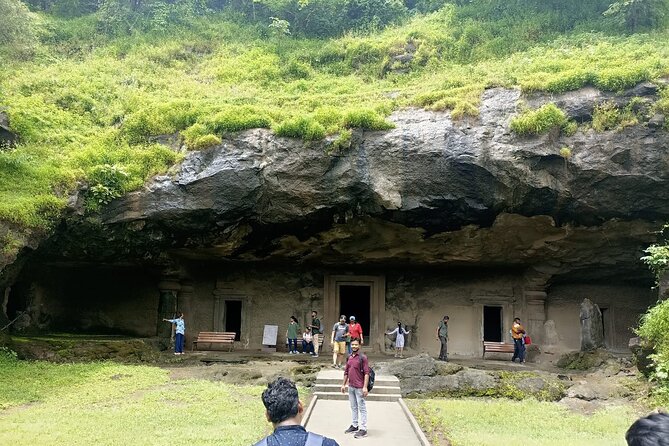
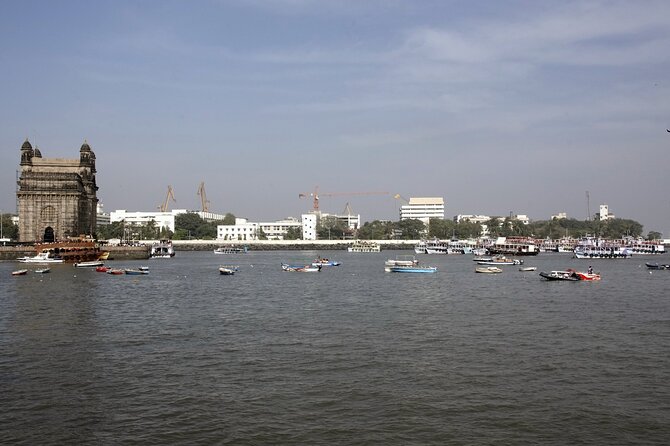
Your day begins back at the meeting point in Colaba (PizzaExpress Dhanraj Mahal, Apollo Bandar). From there, pickup is offered and you’ll roll toward the Gateway of India—about a 15-minute stop for photos and orientation.
The Gateway matters even if you’ve seen pictures. It’s one of those spots that helps you understand why Mumbai became a gateway city. You’ll also get a quick moment of breathing room before the ferry ride, which is helpful because once you’re on the water, you’ll be moving for the next stretch of the day.
One small practical win: bottled water and an air-conditioned vehicle are included, plus there’s WiFi on board. In Mumbai heat and humidity, that’s not a luxury—it’s the difference between enjoying the day and counting the minutes.
Ferry to Elephanta Island: views, timing, and what the ride adds
You board a ferry for the scenic ride to Elephanta Island, with views of Mumbai’s coastline. This isn’t just transport. It’s part of the experience—your brain shifts from traffic noise to sea air and big horizons, and you arrive with a sense of place.
Ferries can also be the day’s wildcard. The tour requires good weather, and if conditions affect boat operations (high tide has done this on some dates), the plan may switch to an alternate activity rather than cancel everything. That’s worth knowing so you don’t assume the world always behaves on schedule.
The toy train and the walk up: where the steps start to matter
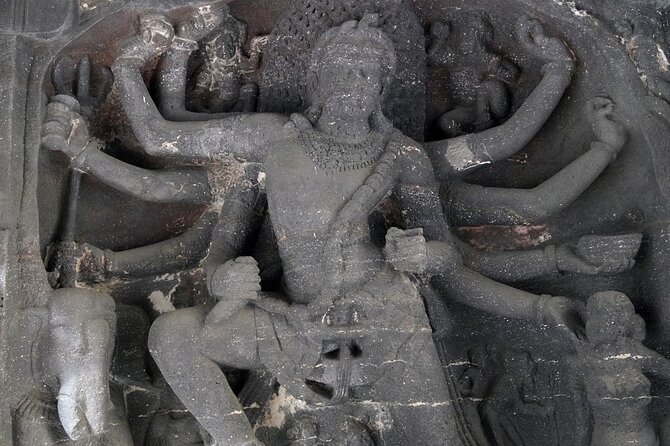
After you reach the island, there’s a short walk and then a toy train ride before you get to the cave complex. This is a nice touch: it breaks up the arrival, gives you that old-world island feel, and saves a bit of energy.
But the cave area still has steps, and one review flagged that the amount of stairs wasn’t clearly expected. So here’s my straightforward advice: wear shoes with good grip, and if you’re planning for mobility limits, treat Elephanta as a moderate-to-strenuous outing even with the train segment.
Elephanta Caves (UNESCO): what you’ll actually see and why the guide changes it
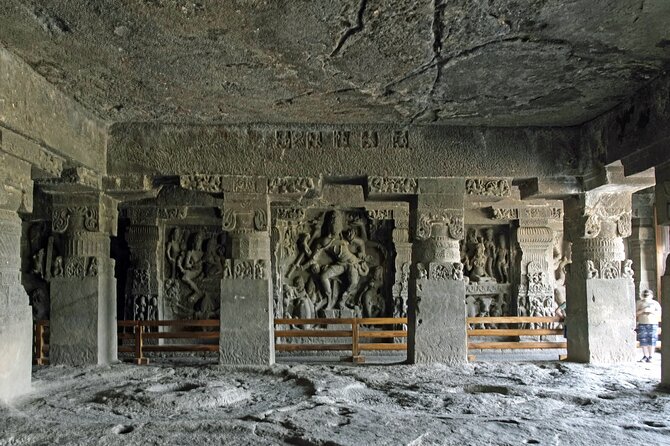
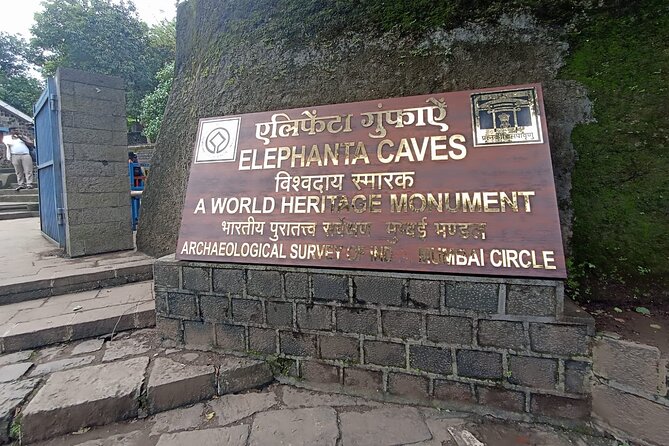
The Elephanta Caves are the heart of the day. They’re UNESCO-listed rock-cut temples and sculptures dating from roughly the 5th to 8th centuries. On a guided visit, you’re not just looking at stone—you’re learning what you’re looking at.
Here’s what makes the cave portion land:
- Sculptures and figures have a story, and your guide helps you connect the shapes to meaning rather than just admiring size.
- You get a walkthrough style instead of wandering. That matters because the caves can be confusing without context.
- A local guide on Elephanta (often Trikal in multiple departures) can point out the best spots for photos and explain what you’re seeing as you go.
If you’re the kind of person who loves monuments but hates vague tours, this is where your experience should feel “worth the day.” The caves are impressive on their own, but guidance turns impressions into understanding.
You can also read our reviews of more tours and experiences in Mumbai






After the caves: Dhobi Ghat and Oval Maidan for real Mumbai texture
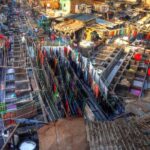
Once you’re back on the mainland, the tour shifts to quick city snapshots. Dhobi Ghat is the first one that adds daily-life contrast: it’s an open-air laundromat where hundreds of dhobis wash, dry, and iron clothes for the city.
Dhobi Ghat lasts about 10 minutes here, so don’t expect a deep ethnographic experience. But you’ll get the core visual: lines, movement, and a place that runs like a living machine. It’s also a good moment to watch how Mumbai functions between the major landmarks.
Then you hit Oval Maidan, about 15 minutes. This large open space gives you a breather and a sense of the city’s colonial-era layout. Even if you’re just taking in greenery and the surrounding buildings, it helps you mentally map where you are in South Mumbai.
University of Mumbai, Rajabai Clock Tower, and Bombay High Court: architecture that rewards attention
Next come a set of exterior-focused stops that are short—think about 5 minutes each. They include the University of Mumbai library building, the Rajabai Clock Tower (built during the British Raj era with Gothic-style details), and the Bombay High Court, which is known for its blend of Gothic and Indo-Saracenic elements.
If you only sprint past these, you’ll miss why they’re there. But when your guide ties them together, you start seeing patterns: how British-era Mumbai borrowed European forms, how Indian stylistic elements mixed in, and how the city used buildings to signal power.
This is where I like having an expert guide. You don’t need to memorize names of every architect. You just need to understand what each building is trying to communicate.
Marine Drive and Malabar Hill gardens: sea views plus a softer pace
Marine Drive is next, around 5 minutes. The promenade along the Arabian Sea is one of Mumbai’s classic stretches—palm-lined, art-deco style nearby, and that long curve of roadway that looks great even if you only stand for a moment.
Then you move into the Malabar Hill green space zone with the Hanging Gardens (Pherozeshah Mehta Gardens) and Kamala Nehru Park. These stops are brief—around 10 minutes for Hanging Gardens and about 5 minutes for Kamala Nehru Park—but they provide a necessary reset after temples and stone buildings.
If your day is getting hot and you feel like you’re speed-walking, this is the part where you can slow down for a few photos, breathe, and let the city open up visually.
Mani Bhavan Gandhi Museum and CSMT: two powerful stops that don’t feel random
Mani Bhavan Gandhi Museum is included, with about 30 minutes. This stop gives you political and personal context around Mahatma Gandhi’s life, since the building served as his residence from 1917 to 1934. It’s one of the places where Mumbai shifts from skyline and stonework to human scale.
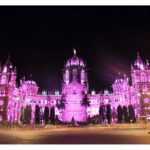
Then you reach Chhatrapati Shivaji Maharaj Terminus (CSMT), formerly Victoria Terminus. The stop is about 10 minutes and is mainly for viewing and photos, but it’s a big one: built in 1887 to commemorate Queen Victoria’s Golden Jubilee, it’s a landmark of how rail infrastructure became architecture.
CSMT and the older institutional buildings earlier in the day work together. By the time you see the station, you’ve already been primed to notice style—Gothic influence, design details, and the way Mumbai still uses old structures as identity points.
Crawford Market and Colaba area time: shopping that fits the schedule
Crawford Market is included as a short stop (about 15 minutes). It’s historic (built in 1869) and it’s active, which is why it’s a useful stop on a packed day. You’ll get the market energy and a chance to buy small souvenirs without it consuming half your day.
The broader Colaba area vibe is part of the day too, especially since the meeting point is in Colaba and the tour includes time around local markets and souvenirs. Just keep expectations realistic: you’re not getting a full shopping spree here. You’re getting enough time to pick up something small, snack-style if you choose (meal isn’t included), and then move on.
Also, one of the best practical upsides from people’s experiences: guides know how to handle vendor pressure. You’ll still see sales talk around markets and tourist zones, but having someone with you who knows when to redirect helps keep your day pleasant.
Price and value: what $89.45 buys you (and what it doesn’t)
At $89.45 per person, this tour is priced like a full-day package: pickup/transport, English-guided narration, ferry transfer, and major site entry components. You also get bottled water, WiFi on board, and included fees and taxes. In other words, you’re paying for organization as much as for sightseeing.
What’s not included: meal/food. So you’ll want to plan snacks or a simple meal break on your own. The schedule is tight enough that skipping food can turn an 8 to 10 hour day into a grumpy one.
If you’re thinking of DIY-ing Elephanta plus South Mumbai on your own, you can do it. But the real question is time and stress. Here, you trade a bit of flexibility for a guided interpretation of the caves and a routed day that connects the major stops without wasting hours.
For most visitors, that’s the value equation: fewer logistics headaches, more meaning at Elephanta, and enough variety across Mumbai’s monuments and daily life.
Weather, pace, and comfort tips for this 8 to 10 hour plan
This is a good tour for a single-day “greatest hits” mission, but it’s also a full day. You’ll be in an air-conditioned vehicle between stops, but you’ll also walk, ride, and climb in the Elephanta portion.
Bring:
- Comfortable, grippy shoes for steps
- A light layer for indoor/exterior transitions
- Sunscreen and a hat if you burn easily
- A plan for food since meals aren’t included
One more practical note: the day depends on good weather. If conditions turn, the company may offer another date or a refund. And again, in some cases boat schedules can be affected by tide, which can lead to an alternate activity instead of the exact cave plan.
Should you book this Mumbai + Elephanta full-day tour?
Book it if you want Elephanta Caves explained well, and you only have one day to see major South Mumbai landmarks without mapping routes or buying the right tickets mid-day. It’s also a strong choice if you like a guide who keeps the pace moving and helps you avoid common tourist-zone hassles.
Skip it or think twice if stairs and mobility are an issue, since the Elephanta portion includes walking and steps. Also, if you want a slow, unstructured day with lots of time for independent meals and wandering, this plan is probably too tight for your style.
If your priority is value—transport, entry fees, and guided interpretation—this is one of the cleaner ways to pull off a big day in Mumbai.
FAQ
How long is the Mumbai City Sightseeing with Elephanta Caves full-day tour?
The tour runs about 8 to 10 hours, including travel time between stops.
Is hotel pickup included?
Pickup is offered, and the day runs with private transportation in an air-conditioned vehicle.
Are tickets and entrance fees included?
Yes. Entry for Elephanta Caves is included, Mani Bhavan Gandhi Museum is included, and all fees and taxes are included.
What about meals during the day?
Meals and food are not included, so you’ll want to plan your own lunch or snack.
Is there water or WiFi on the tour?
Bottled water is included, and there is WiFi on board.
What languages are the guides available in?
The in-person guide is listed as English, Hindi, and Marathi.
What if the weather is bad?
The experience requires good weather. If it’s canceled due to poor weather, you’ll be offered a different date or a full refund.