REVIEW · MUMBAI
The Mumbai by Dawn Early Morning Tour
Book on Viator →Operated by Mumbai Dream Tours · Bookable on Viator
Early-morning Mumbai feels like a secret. This tour shows you the working side—fish auctions, flower and vegetable market setups along the bridge, and Dhobi Ghat laundry lines—before most of the city wakes up. I love the chance to start at Chhatrapati Shivaji Terminus (CST), and I especially like the real numbers of the Sassoon Dock fish auction, including grading and the famous Bombay Duck.
You’ll be moving through active, on-the-job spaces, which is part of the magic. A possible drawback is simple: it’s an early start, and you’ll want to be comfortable around crowds and daily work in full swing.
If you want an authentic Mumbai morning without figuring anything out, this private format (up to four people) makes it easy. You get an English-speaking guide, hotel pickup and drop-off, air-conditioned transport, plus coffee or tea, bottled water, and a mobile ticket.
In This Review
- Key highlights worth waking up for
- Why dawn changes everything in Mumbai
- Chhatrapati Shivaji Terminus: the architecture-first start
- Sassoon Dock: fish grading and the Bombay Duck auction
- BB Dadar Market: early color and fragrance before breakfast
- Dhobi Ghat: watching laundry work at real scale
- Getting around smoothly: pickup, AC transport, and a tight loop
- How much you pay (and why it can be fair value)
- Who this tour suits best
- Tips to make the most of your Mumbai dawn
- Should you book this dawn tour?
- FAQ
- Is this tour private?
- How long is the Mumbai by Dawn Early Morning Tour?
- What stops are included?
- What’s included in the price?
- Do I need to pay for admission tickets?
- What is the cancellation policy?
Key highlights worth waking up for
- CST in the morning light: a first look at Victoria Terminus Railway Station, now CST, with huge daily foot traffic
- Sassoon Dock auction details: watch fish grading and a one-of-a-kind auction, including Bombay Duck
- The Koli fisherfolk angle: learn how the original inhabitants of Mumbai work the docks
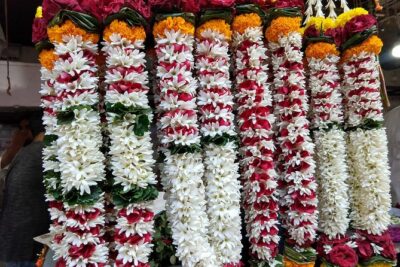
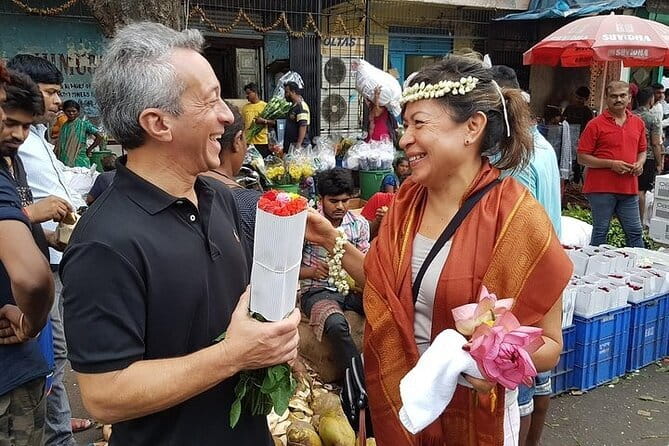
- Market colors on a bridge stretch: early flower and vegetable stalls appear before most visitors ever think about breakfast
- Dhobi Ghat’s daily scale: see rows of open concrete wash pens where thousands of dhobis wash vast amounts of laundry every day
- A tight 3-hour loop with pickup: private group experience, designed for a compact morning
Why dawn changes everything in Mumbai
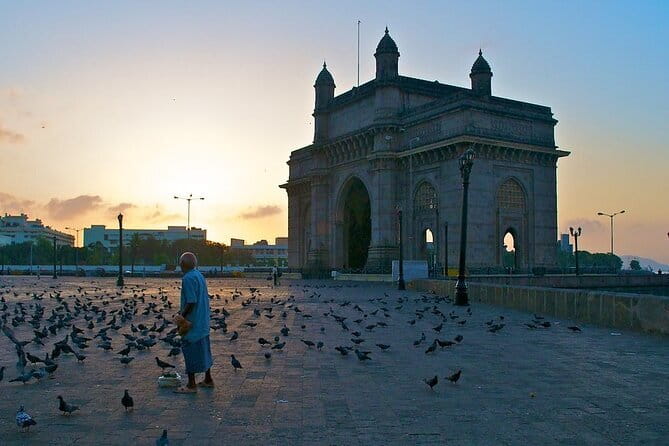
Mumbai at dawn is not a museum. It’s movement. Trucks arrive, vendors set up, workers begin routines, and the city’s real rhythm shows up fast. That’s what this kind of morning tour is good at: you’re not chasing photos after the fact. You’re watching daily life happen.
I like that the tour is built around work that only makes sense in the early hours. Fish auctions depend on freshness and timing. Laundry depends on regular schedules. Markets depend on customers who need supplies. When you’re there at the right hour, the sights feel purposeful instead of staged.
You can also read our reviews of more tours and experiences in Mumbai


Chhatrapati Shivaji Terminus: the architecture-first start
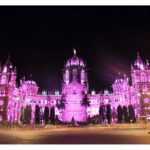
Your first stop is Chhatrapati Shivaji Terminus, the railway station formerly known as Victoria Terminus Railway Station. It’s described as one of India’s most architecturally stunning stations, and it also happens to be Mumbai’s busiest rail hub.
Expect about an hour here. The station sees roughly 660,000 footfalls daily, so even though you’re arriving early, you won’t find it empty. Instead, you get a chance to notice the building itself while people flow through one of the city’s major transit arteries.
What makes this a smart opener: it sets the tone for the whole tour. Mumbai’s working life isn’t separate from its grand architecture. It’s layered on top of it. You’ll get your bearings quickly, and then the day-to-day scenes at the docks and laundry ghats feel more connected.
Sassoon Dock: fish grading and the Bombay Duck auction
Next you head to Sassoon Dock, where the focus shifts from trains to the Koli fisherfolk and the daily fish workflow. This is one of those stops where the details matter. You’re not just seeing fish on display; you’re learning how the catch gets handled and evaluated.
You’ll spend about 30 minutes here. Key moments include:
- witnessing fish grading
- seeing an arrival process that includes huge quantities (the tour info highlights 50 tonnes of fish)
- watching a famous auction, including the Bombay Duck
Why I think this stop is worth it: it turns a menu item into a real supply chain. Bombay Duck may sound like a curiosity, but in this context it’s part of a serious, scheduled trade. And because you’re there early, it doesn’t feel like a show for visitors. It feels like business.
A practical note: you may get a tighter view depending on crowd flow. Stand where your guide indicates so you can see without blocking others.
BB Dadar Market: early color and fragrance before breakfast

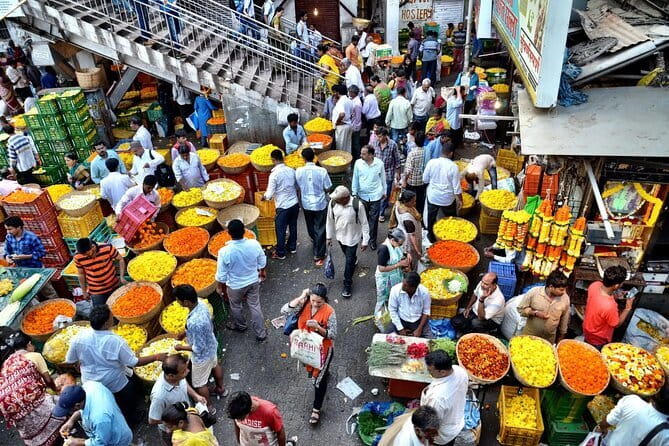
From the dock scene, you move to BB Dadar Market for about 30 minutes. This stop is all about the early morning feel—color, scent, and the fast pace of vendors setting up.
The tour info highlights early morning color and fragrance, which matters because markets like this are sensory experiences, not just photo stops. Even if you don’t plan to buy anything, you’ll learn how quickly the city’s supply and demand cycles run.
Also, this is where the tour’s broader idea clicks. The morning overview points out that you’ll see fish plus flower and vegetable markets set up along both sides of the bridge. BB Dadar Market is where that market energy shows up in a focused way during your route.
If you’re the type who likes to watch rather than shop, keep your camera ready and your hands free for balancing a phone or small bag. This is a “look, learn, and move” stop.
Dhobi Ghat: watching laundry work at real scale
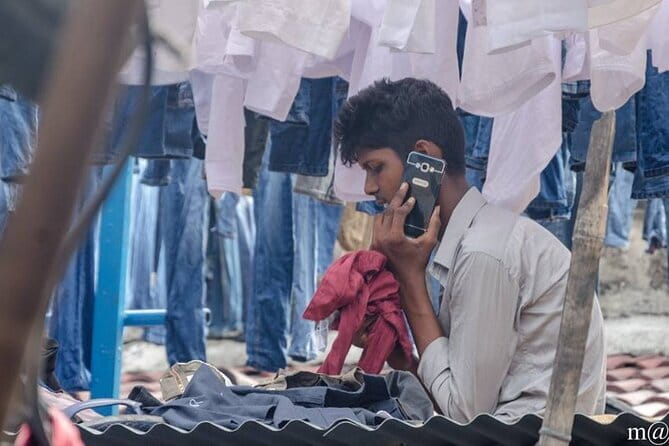
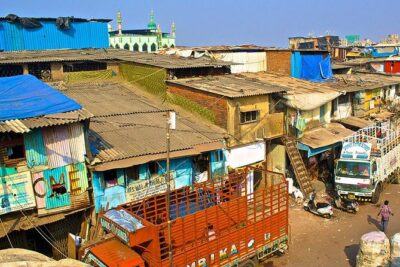
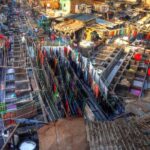
Your last major stop is Dhobi Ghat, where thousands of dhobis wash clothes using open concrete wash pens. This is the kind of place that can feel surprising the first time you see it in person because the scale is hard to guess.
Plan on about one hour here. The tour information gives you the numbers:
- more than 7,000 dhobis
- washing more than 1 lakh clothes every day
- with the daily routine described as scrubbing, flogging, washing, and bleaching
That’s a lot of labor, and the value of the visit is in seeing the system: how work is laid out, how routines repeat, and how this daily service supports the city. It’s not a casual stroll. You’ll be watching skilled repetition, the kind of work that keeps urban life moving.
The trade-off is time and attention. Don’t treat this as a quick photo stop between train stations. If you want the most out of it, slow down for a few minutes, watch a routine play out, then ask questions so you understand what you’re seeing beyond the surface.




Getting around smoothly: pickup, AC transport, and a tight loop
The tour runs for about 3 hours total, which is a good length for a dawn experience. Long tours at 6 a.m.-ish hours can start to feel like endurance. This one stays compact, which helps you absorb each stop without rushing through all of them at the last second.
You’ll get:
- hotel pickup and drop-off
- an air-conditioned vehicle
- English-speaking guide
- coffee and/or tea
- bottled water
- mobile ticket
That combination is practical. Dawn in Mumbai can be cool-to-warm quickly, and you’ll likely appreciate the AC ride between stops. Coffee or tea is also a small but helpful touch when you’re waking up for early markets and working docks.
How much you pay (and why it can be fair value)
The price is $199.30 per group (up to 4 people). That makes the cost feel very different depending on who’s with you.
For a couple or a small family, private pickup plus a guide plus multiple major stops in one loop can be good value, especially when your mornings are limited. If you’re traveling solo, the cost can feel higher per person, but you’re still getting a guided route that covers big-name, work-based locations that would be harder to line up efficiently on your own.
One other timing detail: this tour is typically booked around 34 days in advance. That’s a sign the experience has steady demand, likely because early-morning slots are harder to fill last minute. If you’re set on going, lock it in when your schedule is firm.
Who this tour suits best

This is a great match if you want:
- a working-city experience instead of a showroom-style itinerary
- early access to CST, Sassoon Dock, and Dhobi Ghat
- a private format (up to four people) with a guide who can explain what you’re seeing in English
It’s also a good fit for travelers who like structure. In three hours, you hit four anchors, including the dock and the laundry scene that most standard sightseeing routes skip.
If you prefer slow sightseeing with lots of sitting breaks, you might find this tour brisk. It’s designed around morning activity, and the stops are short by choice: 30 minutes at the market and dock, about an hour at CST, and about an hour at Dhobi Ghat.
Tips to make the most of your Mumbai dawn
You’ll get better results if you plan for the reality of working locations.
- Wear comfortable shoes. You’ll be on your feet, and you’ll move between stops quickly.
- Bring a light layer if you’re sensitive to early morning temperature swings.
- Keep your questions ready for the guide. Places like Dhobi Ghat and Sassoon Dock become far more interesting when you understand the routine behind what you’re seeing.
- For photography, aim to be respectful of flow. Watch where your guide positions you so you don’t block others doing their jobs.
Should you book this dawn tour?
I’d book it if you want the early, practical Mumbai that most people miss. The tour’s value comes from the combination: grand CST architecture, a dock-side fish auction with real quantities like 50 tonnes, market setup energy at BB Dadar Market, and the scale of laundry work at Dhobi Ghat. It’s compact, private, and guided, which makes it easier to enjoy instead of figuring things out in a hurry.
I’d pause if you hate early starts or you’re uncomfortable around on-the-job crowds and active work scenes. This is not a calm, leisurely stroll. It’s a morning window into how Mumbai functions.
FAQ
Is this tour private?
Yes. This is listed as a private tour/activity, so only your group participates (up to 4 people).
How long is the Mumbai by Dawn Early Morning Tour?
The duration is approximately 3 hours.
What stops are included?
The tour includes Chhatrapati Shivaji Terminus (CST), Sassoon Dock, BB Dadar Market, and Dhobi Ghat.
What’s included in the price?
Included features are an English-speaking guide, air-conditioned vehicle, hotel pickup and drop-off, coffee and/or tea, and bottled water. It also uses a mobile ticket.
Do I need to pay for admission tickets?
The stops listed show admission ticket free for each of the included locations.
What is the cancellation policy?
You can cancel for free up to 24 hours in advance for a full refund. If you cancel within 24 hours of the start time, the amount paid is not refunded.